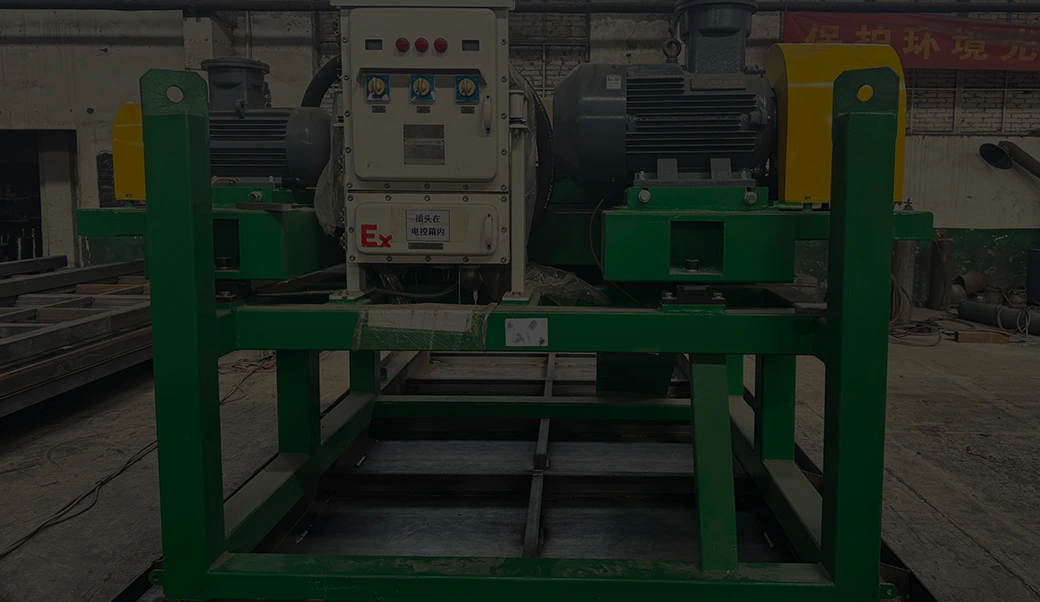
When managing demanding drilling operations, selecting the right mud pump isn't just a technical decision—it's a commitment to operational efficiency and safety. Centrifugal pumps stand out as the backbone of effective Solids Control Systems, converting mechanical energy into steady hydraulic flow that moves abrasive drilling fluids, cuttings, and slurries without interruption. Their kinetic design minimizes wear, reduces downtime, and maintains drilling fluid quality, all critical factors when your rig's performance directly impacts project timelines and cost control. We've seen this proven across countless oilfields and construction sites where reliability under pressure defines success.
Understanding Centrifugal Pumps and Their Role in Solids Control Systems
How Centrifugal Pumps Convert Energy into Flow
Centrifugal Pumps operate by passing rotating force from a motor through an impeller, which rotates inside a protected case. As the impeller turns, it speeds up the fluid moving outward in a circular direction. This creates a difference in pressure that pulls new fluid into the intake and forces pressurized fluid through the discharge. Because the flow is constant and doesn't stop or start, these pumps are perfect for moving slurry in mineral processing plants, feeding shale shakers, and moving drilling mud around.
Key Components and Their Functions
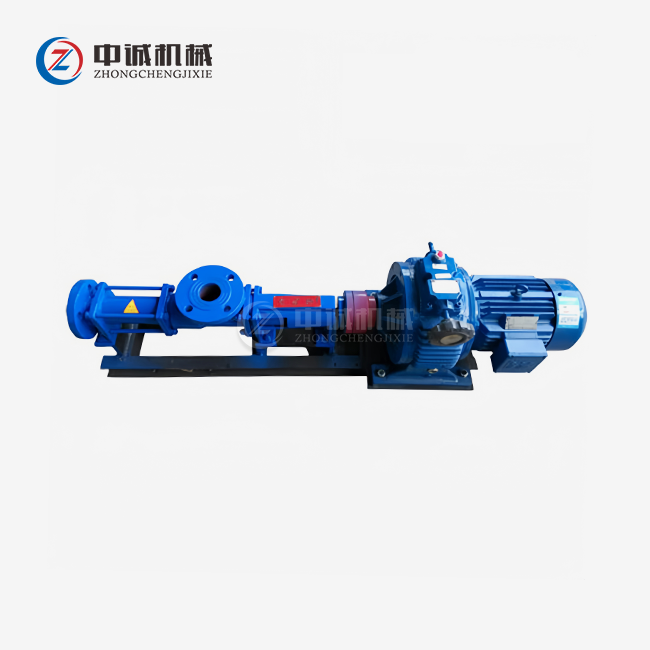
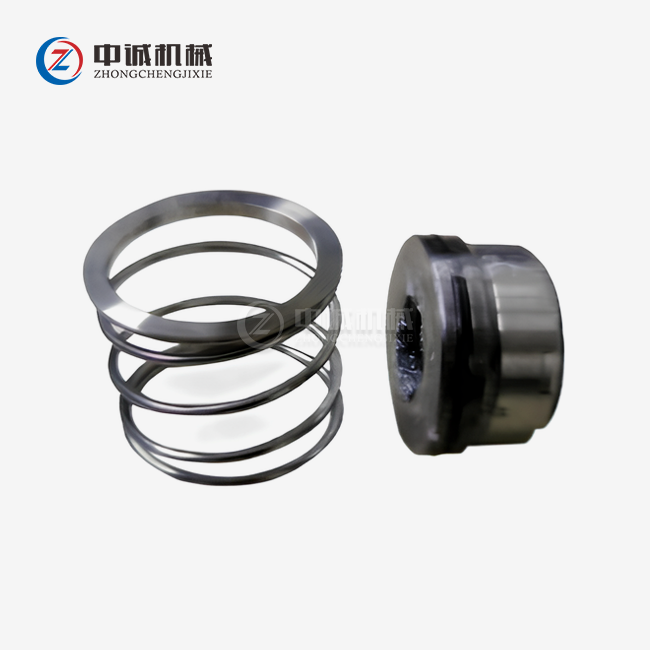
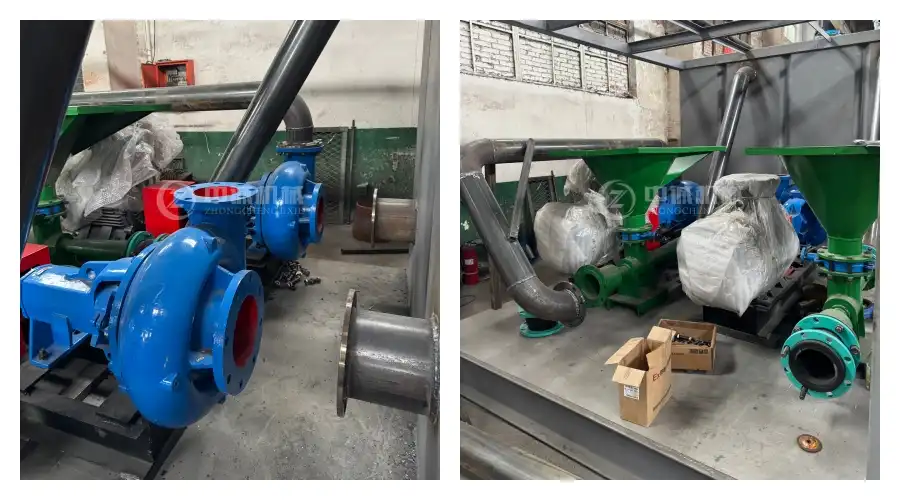
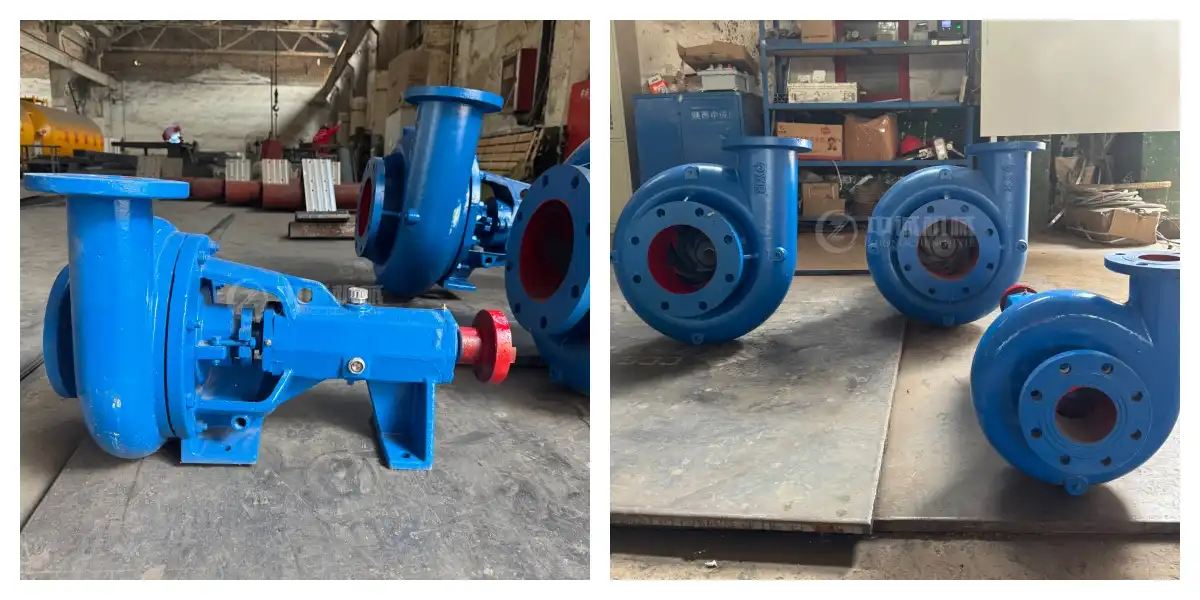
The heart of the process is made up of the impeller, the case, and the mechanical seal. To deal with the rough particles in drilling fluids, impellers are usually made from ductile iron or alloys that don't wear down easily. The tube efficiently directs flow while keeping pressure in check, and high-quality mechanical seals stop leaks, which is especially important when working with expensive or dangerous drilling chemicals. These parts work together to keep the machine running smoothly even when the working fluids are full of sand and cuttings.
Types of Centrifugal Pumps Used in Solids Control
For modest pressure needs, single-stage pumps with heads of 21 to 40 meters are typical and work well for most mud circulation jobs. By stacking impellers in series, multi-stage designs can handle higher pressures, but they aren't needed as often in normal solids control situations. Slurry pumps are a special type of pump because they are made with bigger impeller clearances and thicker casings so they can handle a lot of solid particles without getting clogged.
Comparison with Alternative Pump Technologies
Positive displacement pumps can handle thicker slurries and keep the flow steady regardless of pressure, but they are more complicated to build, require more maintenance, and produce pulsating output that can put additional stress on downstream equipment. Submersible pumps work well in deep sump applications, but they may not provide the flow rates required for surface solids control systems and can be difficult to maintain. The best balance for many applications is found in Centrifugal Pump designs, which are simple, scalable, and flexible enough to be used across oil and gas, mining, and geotechnical drilling. A properly selected Centrifugal Pump can provide reliable flow while simplifying maintenance and supporting continuous operation. For demanding solids-handling applications, a durable Centrifugal Pump can also be adapted to different flow requirements and operating conditions. Choosing the right Centrifugal Pump helps operators achieve a practical combination of performance, reliability, and ease of maintenance.
Key Advantages of Centrifugal Pumps in Solids Control Systems
Any tools used to move mud have to be reliable in difficult conditions in order to be useful. Centrifugal mud pumps improve performance in ways that directly help drilling workers and oilfield service companies with the problems they face every day.
Robust Construction for Abrasive Environments
Casings and wet parts made of ductile iron can handle being hit by drilling chips and sand particles without breaking. This choice of material increases the time between service intervals and lowers the cost of replacement, which is very important when working in remote areas where getting spare parts is hard. The hydraulic design makes sure that the flow lines are smooth, so there is less noise, which speeds up wear, and the system stays energy-efficient even when it's running all the time.
Highly Efficient Conveying Capacity
Strong pulling power and high displacement efficiency make sure that sand and solid debris are moved around in drilling fluid efficiently. These pumps can handle rigs ranging from the small ZJ30 to the heavy ZJ90 systems. Their motor power ranges from 5.5 to 75 kilowatts, and their capacity ranges from 28 to 320 cubic meters per hour. Because of this, workers can choose equipment that is exactly the right size for their project, without having to spend too much on capacity they don't need.
Superior Anti-Corrosion and Wear Resistance
There are often corrosive chemicals and abrasive solids in drilling fluids that quickly wear down less durable equipment. Durable pumps have great resistance to wear and rust, so they work reliably in tough oilfield conditions where changes in temperature, chemical exposure, and particulate loads test the material's strength. As a result, equipment lasts longer, and maintenance schedules are more predictable, which cuts down on unplanned downtime.
Stable Operation and Low Maintenance
Compact structures make sure that operations run smoothly and steadily with little shaking, which directly leads to less downtime and lower repair costs. Centrifugal designs have fewer working parts than complicated positive displacement designs, which makes them less likely to break. Routine checks are still easy, and most repair jobs can be done on-site without the need for special tools or taking a long time to take apart equipment.
Because of these benefits, centrifugal mud pumps are important parts of solids control systems because they keep the drilling fluid clean and help the system work better overall. Being able to work as backup priming pumps increases working flexibility and provides emergency backup when main pumping equipment needs to be serviced.
Selecting the Right Centrifugal Pump for Your Solids Control System
Assessing Flow Rate and Pressure Requirements
First, determine how much fluid needs to flow through all of the solids control equipment, such as mud cleaners, desanders, desilters, and shale crushers. A Centrifugal Pump should be selected with a safety margin of 10 to 15 percent to account for system losses and future growth. The pressure requirements for a Centrifugal Pump depend on equipment elevation, pipe friction, and the vertical lift needed to reach the processing units. Most oilfield applications can be handled by a Centrifugal Pump with a head range of 21 to 40 meters, while geothermal drilling or deep foundation projects may require pumps with higher specifications. Proper sizing of the Centrifugal Pump helps maintain stable flow and prevents the system from operating beyond its intended capacity. Selecting the right Centrifugal Pump also supports reliable solids-control performance and efficient fluid circulation under demanding operating conditions.
Material Compatibility and Corrosion Resistance
Match the materials of your pumps to the chemicals that are in your drilling fluids. When working with normal to slightly alkaline mud, ductile iron works well. But when working with acidic or highly corrosive chemicals, you need stainless steel or specialty metals. To keep your mud from breaking down too soon, make sure that the seals and gaskets you use are compatible with the chemicals and plastics you use.
Single-Stage vs. Multi-Stage Configurations
For normal mud circulation, single-stage pumps are easy to use and require less upkeep. Multi-stage units make more pressure by running fluid through more than one impeller, but they are more complicated to build and cost more at first. If the system design doesn't require pressures higher than 40 meters of head, single-stage versions are better because they have fewer parts and are easier to service.
Evaluating Seal Technologies and Casing Designs
Mechanical seals work better than standard packing at stopping leaks and lowering upkeep costs, but they need to be installed and aligned correctly. When working with dangerous or expensive drilling fluids, double mechanical seals give you extra safety. Casing designs should keep internal turbulence to a minimum and make wear parts easy to get to. These features cut down on repair time and increase operating intervals.
Vendor Evaluation Criteria for B2B Procurement
Manufacturers with ISO 9001, ISO 14001, and ISO 45001 certifications, as well as HSE compliance and third-party approvals from TÜV or BV, should be given the most attention. These qualifications show that you are responsible for quality control and the environment. Check the delivery options—in-stock items should be sent out within three days, and special orders should be finished within fifteen days to avoid project delays. Make sure that the after-sales support includes full warranties, spare parts that are easy to find, and technical help with installation and start-up.
Practical Applications and Industry Case Studies
Oil and Gas Drilling Operations
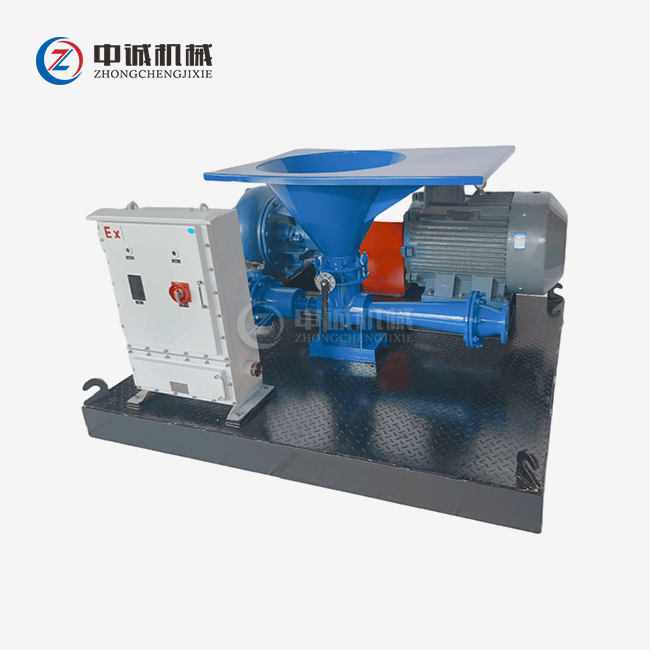
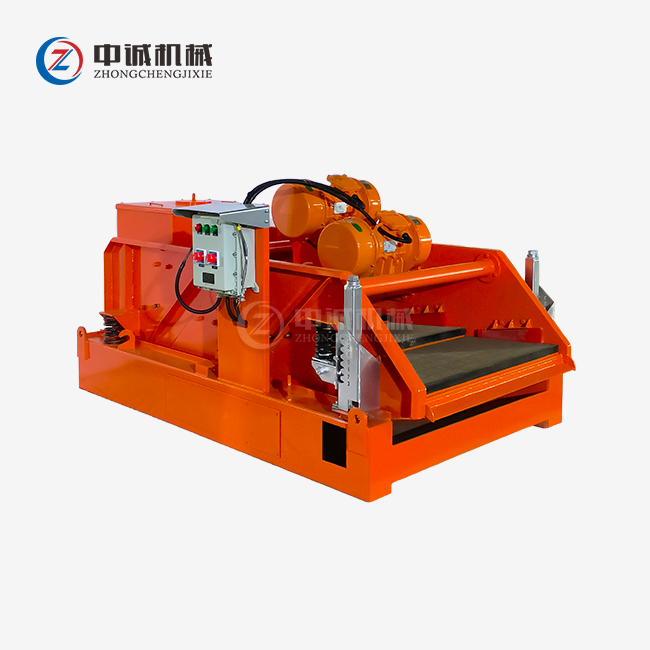
Centrifugal mud pumps are the perfect piece of power equipment for the oilfield solids control system because they move processed fluid back to active tanks after feeding drilling fluid to shale shakers and adding mud additives. Because they can handle changing amounts of solids without getting clogged, they can keep working during the boring, tripping, and circulation stages. Offshore platforms like their small size and low sound profile, which works well for rig floors that don't have a lot of room.
Natural Gas and Shale Exploration
Shale gas drilling creates a lot of small pieces that need to be processed quickly. Pumps that can move more than 200 cubic meters of fluid per hour keep the system moving and stop solids from building up, which changes the properties of the fluid and makes drilling less efficient. The hydraulic design that uses less energy lowers running costs during multi-well pad drilling programs, where equipment has to work continuously and be reliable.
Geothermal and Mining Applications
When exploring geothermal areas, the high temperatures and harsh geology make it hard for tools to last. Pumps made with heat-resistant valves and metals that don't rust keep working well in these conditions. Slurry transfer pumps are used in mines and mineral processing plants to move rock concentrates and tailings. The wear and impact strength of the equipment determine how long it lasts and how often it needs to be replaced.
Construction Foundation and Piling Projects
When big foundations like bored piles and diaphragm walls are built, bentonite slurries and dirt particles are mixed together. Centrifugal Pumps are used in sand removal systems to effectively separate excavated material from reusable drilling fluid, lowering disposal costs and meeting environmental compliance standards. The small size and stable operation make it good for jobs in cities where noise and shaking limits apply.
Real-world performance data from a variety of industries shows that correctly specified Centrifugal Pumps cut unplanned downtime by 30–40% compared to less suitable alternatives, resulting in quantifiable cost savings and accelerated project timelines.
Procurement and After-Sales Considerations for B2B Buyers
Balancing Upfront Cost with Long-Term Value
The initial purchase price is only a small part of the total cost of ownership. Think about the amount of energy used, the cost of upkeep, the availability of spare parts, and the estimated service life. Even though they might cost more up front, pumps with energy-efficient hydraulic systems and long-lasting materials have better lifespan economics. To make sure what the maker says is true, ask for specific performance charts and economy data.
Delivery Logistics and Packaging Standards
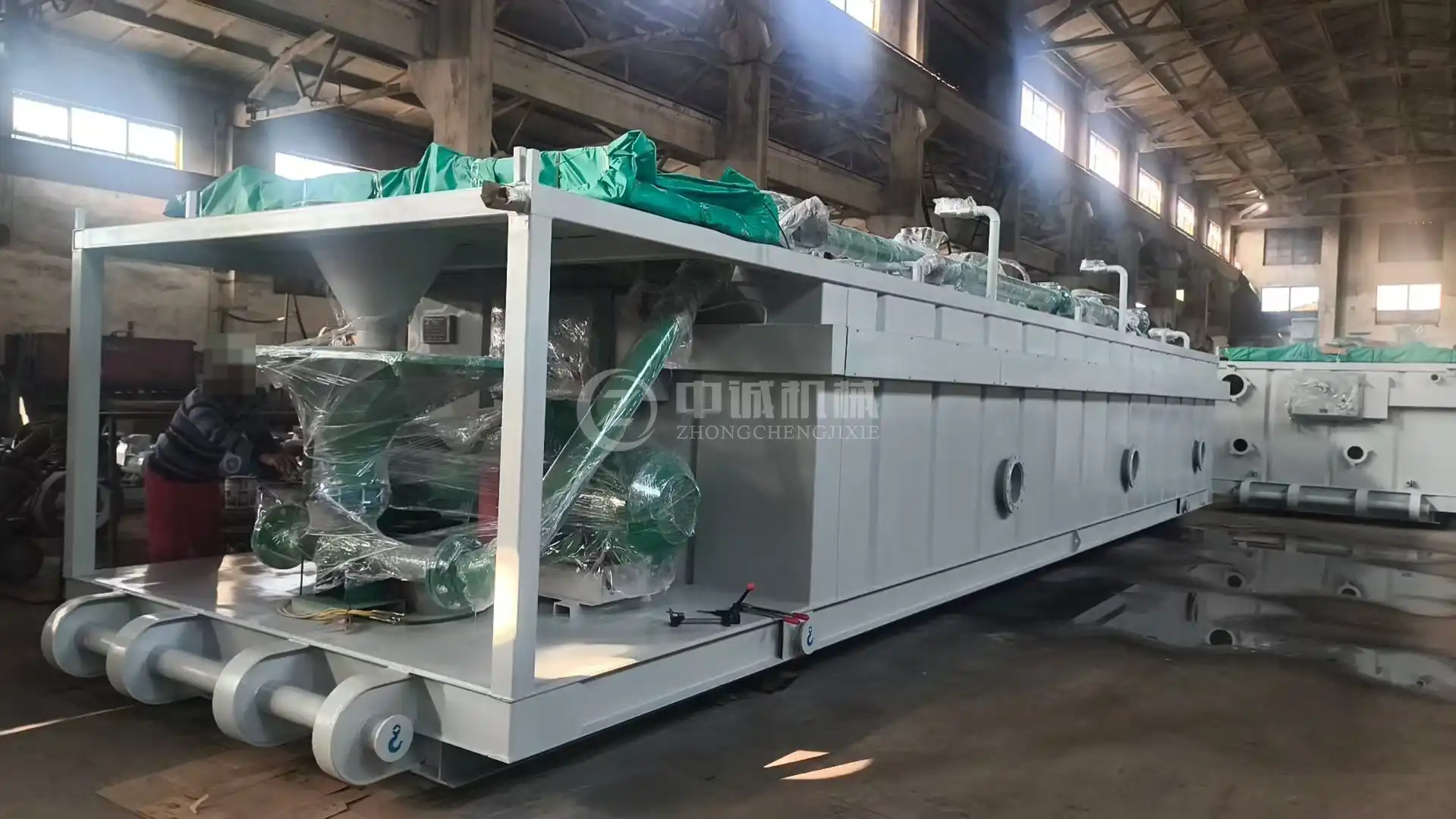
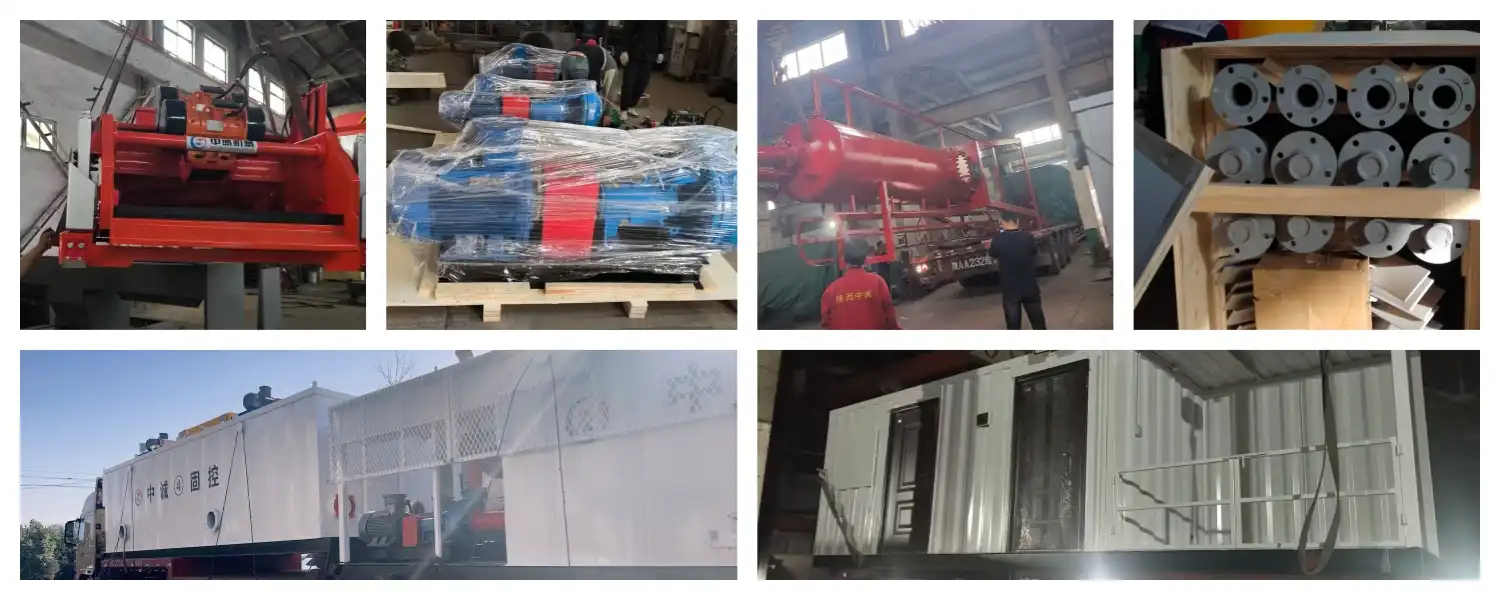
When moving big tools across borders, it's important to use packaging that is safe for transport. Good providers offer plastic film wrapping, waterproof tarpaulins, secure strapping, and, depending on the size of the equipment and the method of sending, pallets or wooden crates as extras. Having access to major ports like Tianjin and Shanghai and having established logistics partnerships makes it possible to set reliable delivery dates that are important for planning projects.
Installation Support and Technical Documentation
Full installation instructions, commissioning help, and expert support keep expensive start-up delays from happening. In-house teams can easily service equipment because they have access to detailed operation and maintenance instructions, technical drawings, flowcharts, and models of parts. Operators learn how to fix problems through training programs, which increases uptime and makes tools last longer.
Warranty Terms and After-Sales Service
During the critical break-in period, a one-year warranty that covers all materials and work protects your investment. Make sure that the warranty covers more than just replacing parts. The terms should also include quick expert help. Suppliers who keep extra parts in stock and offer quick service show that they care about their customers' long-term success.
Building Strategic Supplier Relationships
When you form long-term partnerships with makers who understand the problems you face in your business, you get more than just one transaction. Customization services—tailored sizes, shapes, and motor choices—allow suppliers to change equipment to meet the specific needs of a project. Direct makers who can do engineering work offer solutions instead of just selling goods. This makes them useful strategic partners throughout the lifecycle of your equipment.
Conclusion
When drilling contractors, oilfield service companies, and construction companies choose Centrifugal Pumps for solids control systems, they know they will work reliably. Their strong construction, high conveying capacity, and low upkeep needs solve the main problems of dealing with abrasive fluids in tough settings. The long-lasting nature of the material promises success even in harsh conditions, and the adaptable shapes allow for a wide range of uses, from oil and gas drills to foundation building. Strategic buying that focuses on seller qualifications, delivery capability, and full support improves project success and long-term value.
FAQ
Can centrifugal pumps handle large solids without clogging?
When slurry pumps are built correctly, they have larger rotor openings and better vane shapes that let solid particles up to certain sizes pass through without getting clogged. The important thing is to make sure that the pump's specs match the particle size distribution in your drilling fluid. For solids control purposes, pumps can usually handle particles up to 10 to 15 millimeters in size, but there are bigger versions for specific mining uses. Regularly checking the state of the flow strainer keeps large particles from getting into the pump.
What maintenance practices extend centrifugal pump lifespan?
Once every 500 hours of operation, the seals, bearings, and motor should be checked to make sure they are still in good shape. Use mobile vibration testers to keep an eye on vibration levels and find misalignment or bearing wear before a catastrophic failure happens. Follow the manufacturer's instructions for lubricating the bearings and make sure the pump and driver are always lined up correctly to reduce the rotational loads that put stress on the seals. Replace worn-out parts before they break instead of waiting for them to break down. This will cut down on unnecessary downtime and extra damage.
How do variable frequency drives improve pump efficiency?
Variable frequency drives change the speed of the motor to match the demand of the system. This gets rid of the energy waste that comes with throttling valves or bypass lines. This precise flow control lowers the mechanical stress on pump parts, which means they don't need to be serviced as often and cost less to maintain. VFDs also allow for soft starts, which lower the risk of hydraulic shock and electrical inrush current, protecting both the mechanical and electrical systems. In situations where the flow needs to change, it is normal to save 20 to 40 percent on energy.
Contact Shaanxi Xixian New Area Zhongcheng Machinery Manufacturing Co., Ltd. for Your Centrifugal Pump Supplier Needs
Shaanxi Xixian New Area Zhongcheng Machinery Manufacturing Co., Ltd. has been in business for more than 30 years and has a lot of experience in the solids control field. We make Centrifugal Pumps that meet your needs because we are the direct maker and have our own patents, ISO 9001/14001/45001 certifications, as well as TÜV and BV approvals. Our customization services let you choose the exact size, shape, and type of motor from a wide range of top brands. In-stock items ship within three days, and customized orders are usually finished within fifteen days. Each pump comes with instructions on how to install it, help with starting it, and a full one-year warranty with fast technical support. You can email us at oliver@zcgukong.com to talk about your individual application needs, ask for technical drawings, or get full quotes. You can look at our whole line of products at zcsolidscontrol.com and learn how our dedication to customer satisfaction builds partnerships that make projects successful.
References
1. American Petroleum Institute (2020). API Standard 610: Centrifugal Pumps for Petroleum, Petrochemical and Natural Gas Industries, 12th Edition. Washington, DC: API Publishing Services.
2. Hydraulic Institute (2019). Centrifugal Pump Design and Application: A Comprehensive Guide to Selection, Sizing, and Maintenance. Parsippany, NJ: Hydraulic Institute Press.
3. McNally, W.A. (2018). Solids Control Systems for Oil and Gas Drilling Operations: Engineering Fundamentals and Best Practices. Houston, TX: Gulf Professional Publishing.
4. Society of Petroleum Engineers (2021). Drilling Fluid Engineering: Principles, Technologies, and Performance Optimization. Richardson, TX: SPE International.
5. Karassik, I.J., Messina, J.P., Cooper, P., and Heald, C.C. (2017). Pump Handbook, 5th Edition. New York, NY: McGraw-Hill Education.
6. International Organization for Standardization (2020). ISO 5199: Technical Specifications for Centrifugal Pumps—Class II. Geneva, Switzerland: ISO Central Secretariat.