If you manage a drilling operation, a dredging project, or a construction foundation pit, you already know that moving abrasive, sediment-heavy fluid is one of the most punishing tasks any pump can face. A submersible slurry pump is a heavy-duty centrifugal pump specifically engineered to transfer highly abrasive, high-density slurries while operating fully submerged. Unlike surface-mounted alternatives, it eliminates suction lift limitations, reduces cavitation risk, and places the pumping unit exactly where the material is — at the bottom of the pit. When your mud system involves deep sumps, high solids concentration, or space-constrained installations, this pump type is often the most practical and cost-effective choice available.
Understanding Submersible Slurry Pumps in Mud Systems
How the Design Solves Real Field Problems
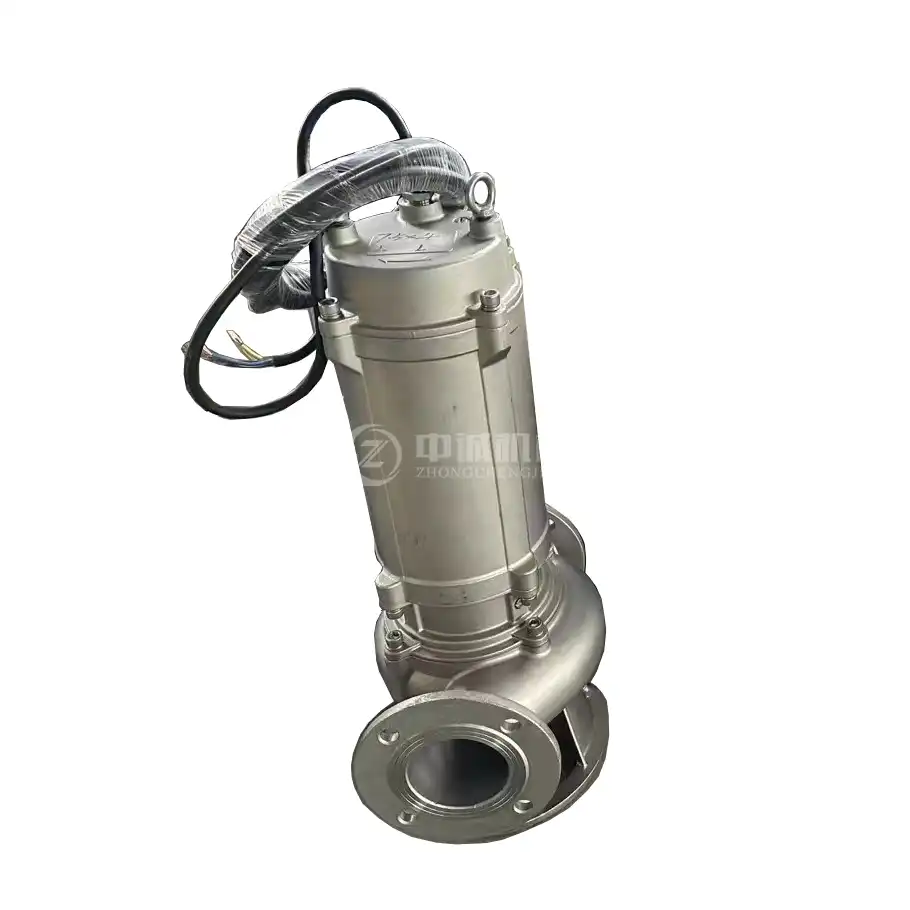
A Submersible Slurry Pump has a watertight motor and a reinforced pump casing. With this design, you don't need long drive shafts, complicated suction pipes, or starting systems that are outside the machine. By sitting right in the slurry, the unit uses the fluid around it to cool the motor, which solves the problem of motors getting too hot, which often happens in above-ground setups. The motor's IP68 rating, Class H insulation, and two mechanical seals with an internal oil chamber keep wetness out of the internal parts. This is a very important benefit for places where the machine has to run all the time.
Key Technical Characteristics Worth Knowing
The impeller, casing, and agitator at the wet end are made of a high-chromium alloy (27% Cr), which gives the surface a hardness of more than 60 HRC. The choice of material has a direct effect on the working life. A high-chrome turbine usually lasts between 3,000 and 5,000 hours of normal sand moving. The big rotor tubes can hold solid particles up to 60–75 mm in diameter, so they don't get clogged up as a regular centrifugal pump would, which would stop production.
We offer the following Submersible Slurry Pumps at Zhongcheng Machinery:
- Head range: 6 to 26 m
- Capacity: 20–280 m³/h flow rate
- Motor power: 3–45 kW
These rules cover most of the uses for drilling mud pits, settling ponds, and foundation pits that come up in inland oilfield and engineering projects.


When to Choose a Submersible Slurry Pump Over Other Types
Scenarios Where Submersible Operation Has a Clear Advantage
You can use both vertical cantilever pumps and horizontal centrifugal slurry pumps, but neither is better at dealing with high-solids slurries or deep sump conditions. A vertical pump with a long shaft causes bearing wear in several places. A horizontal unit needs Net Positive Suction Head (NPSH), which deep pits can't provide. Both problems are solved at the same time by the Submersible Slurry Pump design.
In the following situations, a submerged slurry pump always works better than other options:
- Deep pit and sump applications: When the fluid depth is more than 3–4 meters, and there is no way to physically lift the suction, putting the pump right in the pit gets rid of the NPSH restrictions and keeps the flow steady without priming.
- High solids concentration environments: Cuttings, sand, and weighted solids are all things that drilling mud systems carry all the time. The bottom agitator is built right in and moves settled material back into solution. This lets the pump move slurry amounts that would wear out or block up regular units quickly.
- Space-constrained installations: Mud pits for drilling rigs, foundation holes for buildings, and sumps for offshore platforms rarely have room for big pump bases or motor housings. A submersible unit goes straight into the tank, so there is no need for infrastructure above deck.
These features make Submersible Slurry Pumps the most popular choice for cleaning up tailings ponds, dredging and desilting engineering, and municipal or construction foundation pits. They work best in places where they don't need to be watched and where downtime costs a lot of money.
Maintenance and Operational Guidelines for Optimal Performance
Protecting Your Investment Through Consistent Inspection
Wear on the mechanical seals and water getting into the motor shaft are the most common reasons for a Submersible Slurry Pump to break down. A two-sensor moisture system, along with thermal sensors built into the motor windings and epoxy-sealed cable entries, lets you know right away if a minor seal problem turns into a motor failure. At the start of each shift, operators should check the readings from the sensors and treat any moisture alarm as an immediate maintenance item instead of something that can be put off.
Routine maintenance should check the high-chrome impeller and casing for erosion thinning at 500-hour intervals. Every 1,000 hours, the mechanical seal oil should be replaced, and the agitator's dynamic balance should be checked after any event with a large solid impact. Unplanned downtime can be cut from days to hours by keeping one set of wet-end wear parts on-site, including the impeller, the casing liner, and the seal assembly.
Comparing the discharge pressure and flow rate to the initial values recorded during startup is the most accurate way to spot early signs of performance loss caused by wear. When the motor load stays the same, a drop of 10 to 15 percent in output pressure usually means that the impeller is too worn to be useful anymore.

How to Select the Right Submersible Slurry Pump for Your Mud System
Matching Pump Specifications to Slurry Conditions
Before choosing the right Submersible Slurry Pump, you need to know what the slurry is made of. The abrasiveness (shown by the amount of silica and how hard the particles are), the largest particle size, the specific gravity, and the flow rate that needs to be achieved all have a direct effect on the pump model, the impeller geometry, and the grade of material that is required. A slurry with a pH of less than 5 or more than 9 needs more material study because normal high-chrome alloys may need extra coatings in very acidic or basic environments.
Before placing an order, procurement managers should make sure of the following about a supplier:
- Material certification: Spectrographic analysis (PMI) of wet-end parts to make sure the amount of chromium matches the wear-life requirement.
- Hydrostatic test records: The casing was pressure-tested at 1.5 times its maximum working pressure to make sure there were no leaks.
- Hydraulic performance curves: Full Q-H-η curves for hydraulic performance were checked against ISO 9906 Grade 2B, not just rated-point data.
- Dynamic balance certificate: The impeller and stirrer are balanced to G2.5 so that the bearings don't wear out too quickly while the machine is running continuously.
- Certifications: ISO 9001/14001/45001, HSE Standards, TÜV, and BV approval show that environmental and quality management systems are checked by outside auditors.
Every unit from Zhongcheng Machinery comes with full technical documentation, which includes engineering drawings, hydraulic performance curves, component diagrams, and operation and maintenance manuals. This eliminates the documentation gaps that often cause EPC projects to be late for commissioning.
Conclusion
A Submersible Slurry Pump is not a perfect replacement for all pump types in a mud system, but it is the best choice for certain situations: pumping from deep pits, moving high-density, abrasive slurry, installations with limited space, and tasks that need to be done continuously without being watched. The high-chrome wet-end, built-in agitator, and sealed motor design directly address the wear, clogging, and cavitation problems that stop drilling and dredging operations. It is always this pump type that gives a better return than surface-mounted options in these tough environments when reliability, service life, and total cost of ownership are all taken into account.
FAQ
What is the difference between a submersible slurry pump and a standard centrifugal pump?
A normal centrifugal pump sits on top of the fluid and uses suction to lift the fluid up. A Submersible Slurry Pump works completely underwater, so it doesn't have to worry about suction lift or NPSH limits. Its wet-end parts are made of a high-chrome alloy that doesn't wear down easily. Most centrifugal pumps are made of cast iron, which isn't good for thick, gritty slurries.
How often should wear parts be inspected in mud handling conditions?
Every 500 hours of use, check the condition of the impeller and the casing. This time should be cut down to 300 hours for uses that are very rough, like weighted drilling mud or coarse sand slurry. Every 1,000 hours, no matter how good it looks, you should replace the oil in the mechanical seals.
Can a submersible slurry pump handle large solid particles without clogging?
Most heavy-duty models have bigger impeller passages that can handle solids up to 60–75 mm in diameter. The built-in bottom agitator moves settled solids around before they pack down. This keeps the machine from getting clogged when it starts up again after being idle for a while.
What happens if the pump runs in low-water conditions?
Many types have a cooling jacket that moves fluid around the motor shaft. This lets the motor run for short periods of time when there isn't enough water (snoring) without shutting down because of overheating.
Ready to Specify the Right Pump for Your Mud System?
Certified Submersible Slurry Pumps are made by ZHONGCHENGJIXIE for ongoing use in mines and in geotechnical work. We are a direct manufacturer of pumps and have ISO 9001/14001/45001, TÜV, and BV certifications. We offer full technical documentation, customized configurations, and a one-year warranty. It takes three days to ship in-stock items. To get a technical proposal right away, email oliver@zcgukong.com with your slurry parameters and flow needs or go to zcsolidscontrol.com.

References
1. Hydraulic Institute. Pump Standards and Engineering Data. 2022.
2. American Petroleum Institute. API RP 13C: Drilling Fluids Processing Equipment. 2022.
3. World Pumps Magazine. Advances in Submersible Slurry Pump Technology for Mining Applications. 2023.
4. ISO. ISO 9906: Rotodynamic Pumps — Hydraulic Performance Acceptance Tests. 2012.
5. Minerals Engineering International. Wear Mechanisms in High-Chrome Slurry Pump Components. 2021.
6. Society of Petroleum Engineers. SPE-195345: Solid Control Equipment Performance in Weighted Drilling Fluid Systems. 2019.