Mining operations worldwide face a recurring dilemma: equipment reliability directly determines profitability. Among the many components critical to operational success, slurry handling equipment stands out as particularly demanding. A Vertical Slurry Pump addresses this challenge by offering robust performance specifically engineered for abrasive, high-concentration slurries laden with solid particles. Unlike conventional horizontal configurations, these pumps feature a cantilever design that eliminates submerged seals and bearings, drastically reducing maintenance frequency while ensuring continuous operation in the harshest mining environments.
Understanding Vertical Slurry Pumps and Their Role
When working in mines, you need tools that can handle harsh conditions and keep working well. Abrasive materials must be processed by slurry handling equipment all the time, without fail. This is where specialized pumping technology comes in handy.
Engineering Design for Demanding Applications
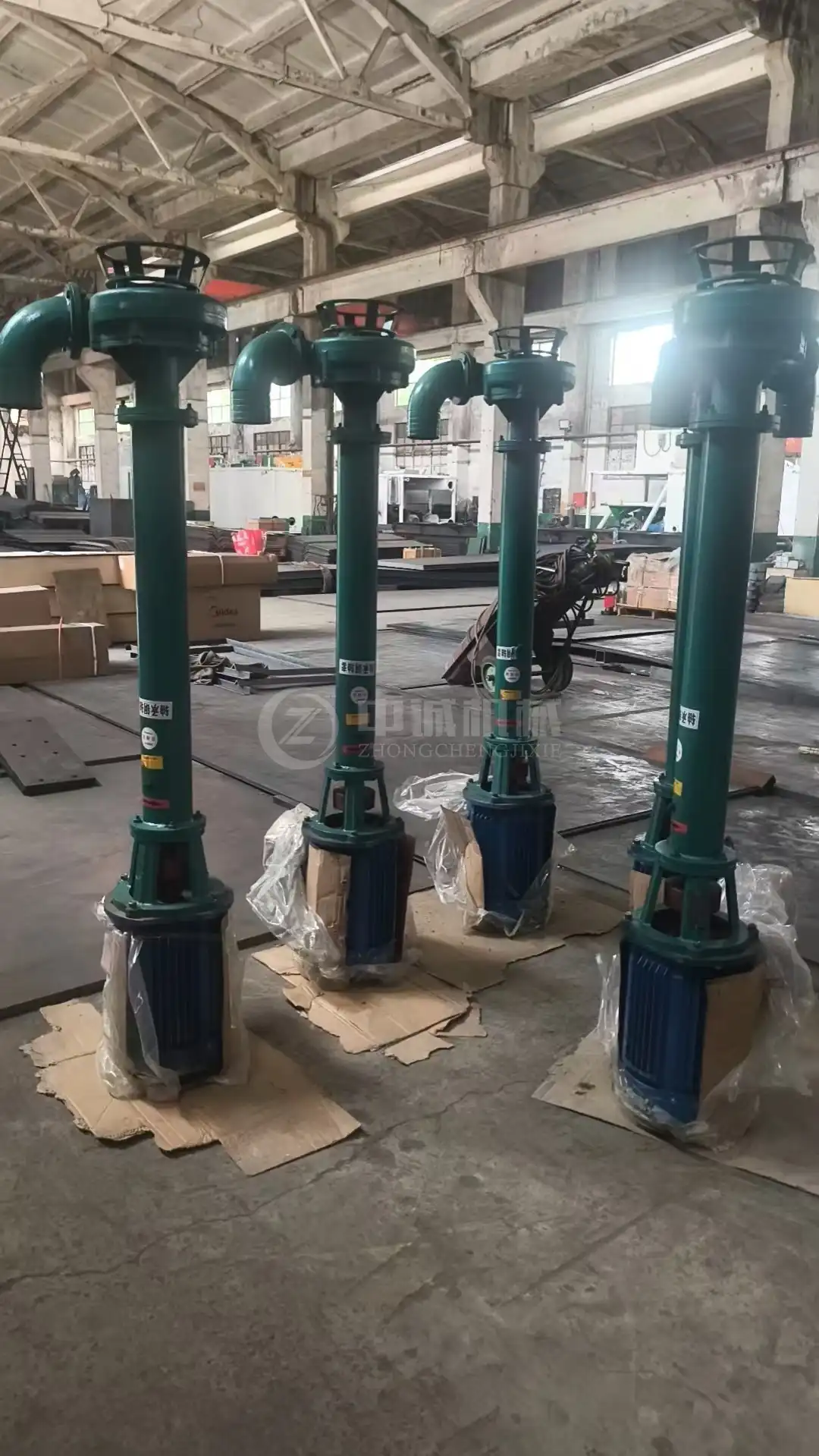
The cantilever design is a big step forward in the science of slurry pumps. The impeller is suspended from a vertical shaft in this form, so there are no bearings or mechanical seals that need to be buried in the fluid flow. The pump case is submerged in the sump, tank, or pit, but the motor and bearing assembly are still above the water. This setup has a lot of useful benefits, including not needing to seal water, making maintenance easier to get to, and being able to handle changing fluid levels without stopping operations. The single-stage, single-suction design makes the hydraulics work best for heads from 10 to 36 meters and sizes from 20 to 140 cubic meters per hour.
Material Science Meets Operational Demands
Wetted parts, like the impeller and pump casing, are made from high-chromium alloys that don't wear down easily. Compared to standard materials, these ones are much more resistant to both wear and corrosion, which means they last a lot longer. When working with high-concentration slurries that contain large particles, like in mineral processing, coal washing, and drilling rig sump drainage, the wide flow passage design keeps them from getting clogged. Motor power choices from 2.2 to 45 kilowatts give you options for a wide range of operating needs.
Space Efficiency in Confined Environments
There isn't always a lot of room for installations in underground mines. When compared to horizontal layouts, the vertical orientation makes the tools much smaller. This benefit of saving room is especially useful for retrofit jobs where equipment placement is limited by existing infrastructure. The underwater operation also doesn't need fuel, so it can start up right away after being shut down, which is helpful for when shifts change or there are emergency stops.
Common Maintenance Challenges in Mining Pump Operations
Professional miners know that when a pump breaks down, they lose money from output. Slurry handling systems have maintenance problems that are caused by a number of linked factors that need to be carefully thought through when choosing equipment.
Accelerated Wear from Abrasive Materials
Quartz, magnetite, and other hard bits in mineral slurries work like grinding media against pump parts. Erosive wear happens to impellers and cases, which lowers hydraulic efficiency over time and widens the gaps between them. This rough environment puts shaft seals in traditional horizontal pumps, which causes seals to fail often and fluid to leak. The time it takes to replace the seals messes up production schedules and raises the cost of maintenance labor.
Seal System Vulnerabilities
Most of the time, mechanical seals are what go wrong with traditional slurry pump designs. Particles that are rough get into the seal lips and cause them to wear down quickly, which leads to leaks. In contrast, a Vertical Slurry Pump can reduce some of these sealing challenges because its vertical cantilever design can operate without submerged mechanical seals in the slurry. A properly designed Vertical Slurry Pump can therefore simplify maintenance in abrasive slurry applications and reduce the risk of seal-related leaks. Seal water systems are meant to protect and lubricate the faces of seals, but they make things more complicated and need to be watched all the time. These issues can be particularly difficult in remote mining areas, where emergency repairs and replacement parts may take longer to arrange. Selecting a reliable Vertical Slurry Pump can help operators improve equipment availability, simplify maintenance, and maintain stable slurry transfer in demanding environments.
Hidden Costs of Production Interruptions
In addition to the direct costs of repairs, unplanned downtime affects all parts of a business. Continuous slurry transport is needed for tailings management systems to work. If a pump fails, it can lead to overflow or slow down production. When slurry feed isn't consistent, mineral processing plants lose work. These problems with operations often cost more than the equipment itself, which is why buying professionals make dependability the most important factor when choosing equipment.
How Vertical Slurry Pumps Reduce Maintenance Challenges
New vertical slurry handling systems are made with cutting-edge tech that directly addresses the maintenance problems that mining companies have. The reliability and operational efficiency of these pumps are significantly improved by getting rid of weak parts and using advanced materials.
Cantilever Design Eliminates Critical Failure Points
The most common maintenance problem is gone because there are no shaft seals or seal water systems. The cantilevered impeller works completely submerged, but the bearing assembly stays above the liquid level, keeping it safe from rough slurry contact. In this setup, the pumps can keep running without stopping because of problems with the seals, which happens with horizontal pumps. This means that the machines can run for longer periods of time between service visits, which cuts down on both the need for repair workers and the use of extra parts.
Advanced Materials Extend Component Lifecycle
The construction of high-chromium alloys gives them hardness ratings that keep mineral particles from wearing them down. Testing in the lab shows that these materials stay the same size even after being worked with millions of cubic meters of rough slurry. The resistance to rust is useful whether the fluid is acidic mine water or a chemically active process stream. Longer component lives mean that impeller and casing repairs happen less often, which immediately lowers the total cost of ownership.
Operational Stability Reduces Unplanned Shutdowns
Axial and radial loads are naturally balanced by the vertical shaft design of a Vertical Slurry Pump, which helps keep vibrations and bearing stress to a minimum. Low noise levels, usually less than 85 decibels, can indicate that the Vertical Slurry Pump is operating stably and that the hydraulic design is properly matched to the application. Wear-resistant materials help maintain the original clearances and hydraulic geometry of a Vertical Slurry Pump, supporting consistent energy efficiency throughout the service life of the equipment. This operational stability means maintenance teams can plan their work around expected Vertical Slurry Pump performance, reducing unexpected repairs that could disrupt production schedules. A properly maintained Vertical Slurry Pump can therefore provide reliable slurry handling, lower maintenance demands, and consistent performance in demanding industrial applications.
Real-World Performance Validation
Mines and coal preparation plants have reported that maintenance hours went down by 40% after switching from horizontal to vertical pump configurations. Mineral processing plants say that impellers can run for more than 12,000 hours before they need to be replaced. These observable gains show that new ideas in engineering have a direct effect on practical economics, which makes the purchase investment worthwhile because it lowers costs over the product's entire life.
Comparing Vertical Slurry Pumps with Alternative Technologies
When making a procurement choice, it's important to compare different technologies objectively against specific business needs. By learning about the performance features, maintenance needs, and installation issues of various pump types, you can make smart buying decisions.
Vertical versus Horizontal Configurations
For the pump, motor, and coupling to fit, horizontal slurry pumps need a lot of floor space. Their external shaft seals need seal water systems and to be maintained often. To change the impeller, the outlet pipes usually need to be disconnected, and the whole pump needs to be taken off its baseplate. These problems can't happen with vertical designs because repair can be done from the top, which lets the impeller be changed without disturbing the pipe lines. The extra room is especially useful for retrofitting situations where the current infrastructure makes it hard to place equipment.
Submersible Designs and Maintenance Access
Both the motor and the blade of a submersible pump are below the surface of the fluid. This gets rid of the need to worry about priming, but it makes maintenance a lot harder. When the motor fails, the pump has to be taken out of the tank and taken to a workshop to be fixed. Cable links and electrical plugs add more places where something could go wrong. The vertical cantilever design keeps the starting benefit while making the motor easy to reach for regular maintenance and inspection without having to drain the sump.
Selection Criteria for Optimal Performance
Long-term success depends on matching the pump's features to the slurry's features. The required clearances and flow passage dimensions are affected by how the particle sizes are spread out. The slurry density affects the size of the motor and the structure that needs to be built. The net positive suction head needed and the risk of cavitation depend on the conditions of the suction. Professionals in procurement should compare the amount of space needed with the performance curves provided by the manufacturer, taking into account both normal and peak flow conditions. The total cost of ownership is calculated by adding up the warranty terms, the availability of extra parts, and the ability to get service help locally.
Best Practices for Vertical Slurry Pump Maintenance in Mining Operations
Systematic maintenance plans that stop failures before they happen are better for all tools, not just fixing broken ones. Using structured inspection methods and tools for condition tracking makes equipment more reliable.
Routine Inspection Protocols
Visual checks should be done once a week on each Vertical Slurry Pump to make sure that the bearing housings are properly lubricated, that there are no unusual noises or vibrations, and that the motor's current draw remains stable. Infrared thermography can be used once a month to check the bearing temperatures of the Vertical Slurry Pump, while vibration patterns should be monitored to identify developing imbalances and visible shaft components should be inspected for damage or wear. These proactive maintenance steps help identify Vertical Slurry Pump problems as they begin to develop before they result in equipment breakdowns. This allows planned maintenance to be performed during scheduled shutdowns instead of requiring emergency repairs during production. Regular monitoring of Vertical Slurry Pump operating conditions can improve equipment reliability, extend service life, and reduce unexpected downtime.
Predictive Maintenance Technologies
Vibration monitoring systems use unique frequency patterns to find damage to the impeller, shaft misalignment, or worn bearings. Metallic particle content and lubricant degradation signs in oil research tools show when bearings are wearing out. Motor current signature research shows problems with the electricity and mechanics. These technologies make condition-based maintenance methods possible, which find the best times to replace parts. This way, parts don't have to be replaced too soon or fail completely.
Spare Parts Management
Important wear parts like impellers, bearing kits, and casing liners should be kept on hand based on how often they've been used in the past and what the maker suggests. Setting up vendor-managed inventory agreements with dependable suppliers guarantees availability without tying up too much capital in stock that doesn't sell quickly. Procurement teams should make sure that parts work with all types of tools by agreeing on designs that make parts interchangeable as much as possible and keep inventory as simple as possible.
Procuring Vertical Slurry Pumps: What B2B Buyers Should Know
When buying equipment, it's important to look at more than just prices. You should also look at the supplier's skills, their technical support system, and the possibility of a long-term partnership. Operations are protected from costly equipment breakdowns and service interruptions by thorough supplier evaluation.
Supplier Qualification Criteria
Manufacturers should show that they have Knowledge in the field by citing completed projects that were similar to the one being sold. Systematic practical controls are shown by certifications like ISO 9001 for quality management, ISO 14001 for environmental management, and ISO 45001 for workplace health and safety management systems. Third-party proof from groups like TÜV and BV makes sure that the quality of the making and compliance with international standards are confirmed by a third party. These certificates lower the risk of buying things by showing that sellers keep their quality systems consistent.
Customization Capabilities and Technical Support
The specific needs of mining uses are very different. Suppliers who offer a range of motor options, discharge designs that can be changed, and special material choices show that they know a lot about engineering and manufacturing. Full technical details, like dimensional drawings, hydraulic performance curves, electrical specifications, and maintenance procedures, help with planning the installation and training the operators. Installation guidance, commissioning help, and troubleshooting support during the startup phases keep projects on schedule and make sure that the equipment works at its best from the start.
Delivery Logistics and After-Sales Service
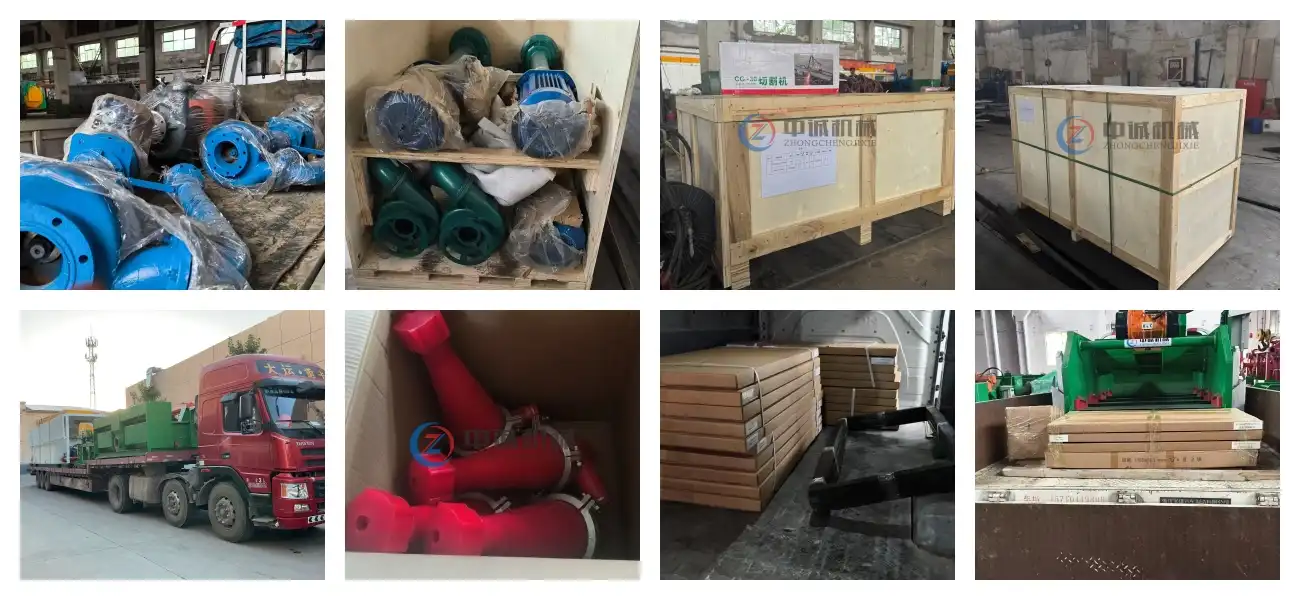
Lead times have a big effect on project schedules. Standard designs that suppliers keep in stock can be shipped within days, but custom-engineered options usually take two to three weeks to make. Damage is avoided during international shipping by using transport-safe packaging that includes protective films, weatherproof coverings, and structural crates. The warranty terms should make it clear how to file a claim, the length of the coverage, and what is not covered. A one-year guarantee covers most problems and encourages proper installation and use, which makes the equipment last longer after the warranty time is over.
Conclusion
For mining operations to run smoothly, slurry handling equipment needs to be reliable and require little maintenance. A Vertical Slurry Pump with a cantilever design can avoid some seal-related problems, while advanced wear-resistant materials can significantly extend the service life of critical components. These technical benefits directly lead to less downtime, lower repair costs, and better operational efficiency. When evaluating different slurry pump suppliers, procurement teams should give greater weight to manufacturers with a proven history of providing reliable Vertical Slurry Pump solutions in demanding mining environments. Selecting the right Vertical Slurry Pump from a reputable manufacturer can lower the total cost of ownership and support sustainable production goals. A properly engineered Vertical Slurry Pump can also provide stable slurry transfer performance under abrasive operating conditions, making it a practical choice for long-term mining applications.
FAQ
How frequently do vertical slurry pumps require maintenance compared to horizontal models?
Maintenance times rely on how rough the slurry is and how hard it is being used. Because of its offset design, the pump doesn't need to have its seals replaced every 500 to 1,000 hours like straight pumps do. Usually, the bearings should be checked every 2,000 hours, and the impeller should be changed every 8,000 to 12,000 hours. Condition tracking systems adjust these times based on the real state of the machine, not on set dates on the calendar.
Can these pumps handle extremely abrasive mineral slurries without excessive wear?
The building of high-chromium alloys gives them toughness levels that stop quartz, magnetite, and other minerals from wearing them down. Particles up to 80% of the discharge width can pass through wide flow paths without getting clogged. The right pump size keeps the speed of the slurry within the design limits that balance the movement of solids with the rate of wear.
What delivery timelines should procurement teams expect when ordering?
Within three days, standard versions from stock are shipped. Customized specifications, such as specific motor brands, discharge orientations, or materials that aren't standard, usually take 15 days to make. International shipping adds travel time, which depends on where the package is going and how the operations are set up. Clear sharing of project timelines during the quote stage makes sure that delivery promises are reasonable.
Partner with Shaanxi Xixian New Area Zhongcheng Machinery Manufacturing for Reliable Slurry Pumping Solutions
This company, Shaanxi Xixian New Area Zhongcheng Machinery Manufacturing Co., Ltd., has been designing solid control and slurry handling systems for tough industrial uses for more than 30 years. Our designs for Vertical Slurry Pumps use innovations that have been tested in the field and have been shown to reduce the amount of upkeep needed while still providing consistent performance in harsh mining settings. We keep our ISO 9001, ISO 14001, and ISO 45001 certifications up to date, and TÜV and BV checks back them up. This way, we can be sure of quality controls at all stages of the planning, production, and testing processes. As the direct manufacturer of the Vertical Slurry Pump, we can offer competitive prices without adding any markups for middlemen. We can also make the pumps exactly how the application calls for them, and we offer full technical support, including help with installation, commissioning, and training for operators. Email our team at oliver@zcgukong.com to talk about the problems you're having with handling slurry and to get specific technical ideas that are made to fit your needs. You can look at our full line of solid control equipment and slurry management solutions for mining, drilling, and mineral processing at zcsolidscontrol.com.
References
1. Wilson, K.C., Addie, G.R., Sellgren, A., & Clift, R. (2006). Slurry Transport Using Centrifugal Pumps. Springer Science & Business Media.
2. Roudnev, A.S. (2012). "Wear Mechanisms of Slurry Pump Impellers in Mineral Processing Operations." Minerals Engineering, 35, 158-165.
3. Chandel, S., Singh, S.N., & Seshadri, V. (2013). "Experimental Study of Erosion Wear in Centrifugal Slurry Pumps." Particulate Science and Technology, 31(6), 553-560.
4. Walker, C.I., & Robbie, P. (2013). "Comparison of Some Laboratory Wear Tests and Field Wear in Slurry Pumps." Wear, 302(1-2), 1026-1034.
5. Tarodiya, R., & Gandhi, B.K. (2017). "Hydraulic Performance and Erosive Wear of Centrifugal Slurry Pumps: A Review." Powder Technology, 305, 27-38.
6. Noon, A.A., & Kim, M.H. (2020). "Erosion Wear on Centrifugal Pump Casing due to Slurry Flow." Wear, 364-365, 103-111.
.webp)
.webp)