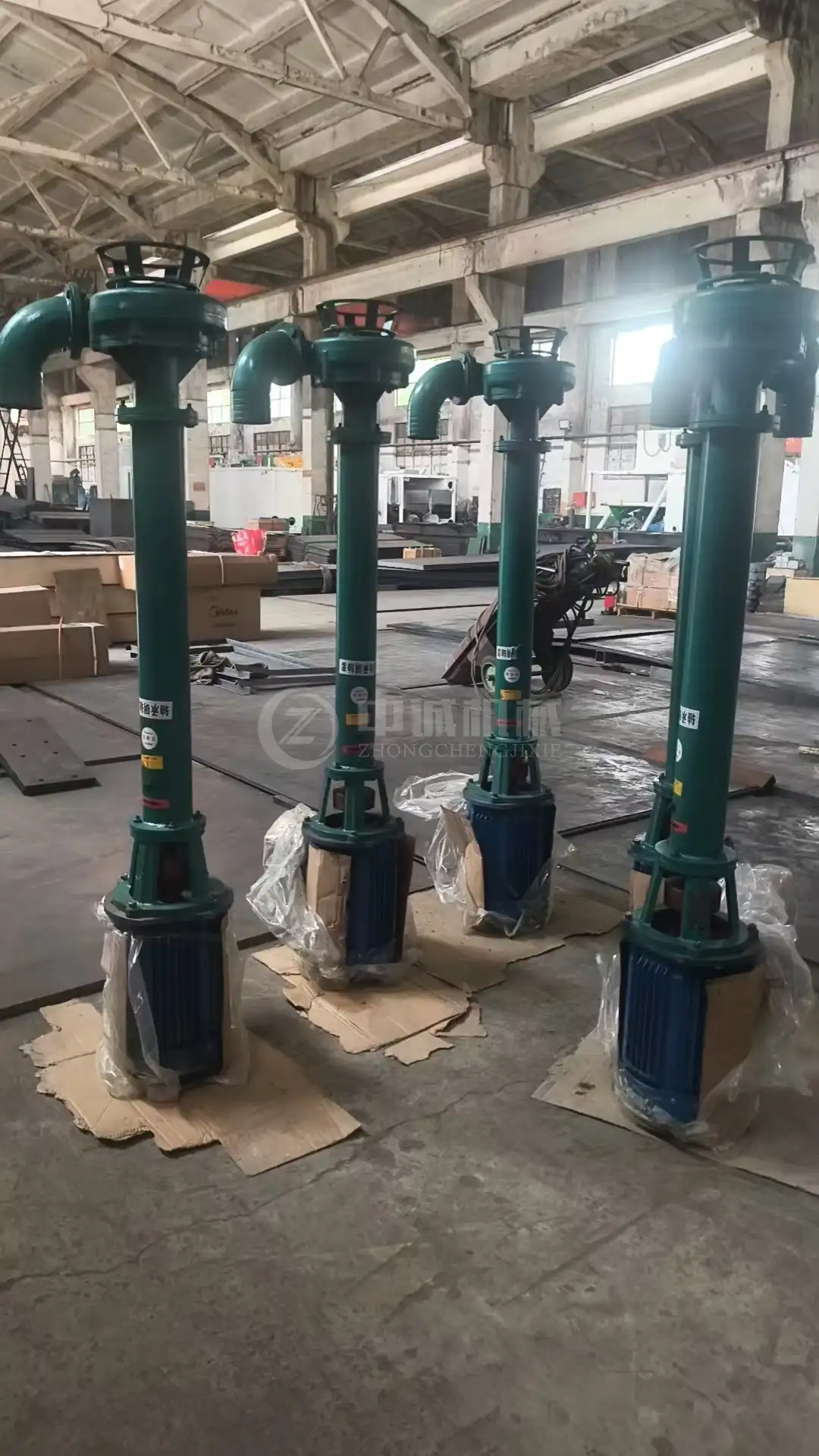
When slurry handling breaks down on a drilling site, every idle minute translates directly into financial loss. A heavy-duty vertical slurry pump addresses this problem at its root. Engineered with a cantilever shaft design and submerged operation capability, this pump transfers abrasive, high-concentration slurries containing solid particles without requiring shaft seals or supplemental seal water. With a capacity range of 20–140 m³/h, head coverage of 10–36 m, and motor power options spanning 2.2–45 kW, it delivers the hydraulic performance that oilfield operators, drilling contractors, and mineral processing facilities demand in continuous, high-stakes operations.
Understanding Heavy-Duty Vertical Slurry Pumps
It's helpful to know the difference between a purpose-built Vertical Slurry Pump and a general-purpose centrifugal unit before looking at any pumps for sale.
What Makes the Cantilever Design Different
A Vertical Slurry Pump works in a hole, sump, or mud tank that is buried. Its main structural feature is a cantilevered shaft assembly: the motor and bearings are above the fluid surface, and the impeller and casing are below, completely submerged in water but not sealed by any mechanical part. The most likely place for a traditional pump system to fail is now gone. There aren't any mechanical parts to repair or water lines to keep up, and there's no chance that water will leak into the work area. Field engineers who have handled oilfield mud pits often say that seal failure is the main reason for unexpected downtime. This design advantage is therefore useful in real life, not just in theory.
Materials Built for Abrasive Conditions
The wet parts, like the impeller and volute case, are made of a high-chromium metal that doesn't wear down easily. This type of material is similar to ASTM A532 Class III standards. It has a hardness range of HRC 58–62, which makes it much more resistant to wear than standard cast iron or ductile iron. This metallurgy greatly increases the time between service intervals for drilling fluids that carry barite, bentonite, and drill cuttings. When working with high-density slurries that contain big solid particles, like in coal washing circuits, geothermal drilling sumps, and foundation piling, wide internal flow paths make it even less likely that the system will get clogged.
Performance Optimization of Heavy-Duty Vertical Slurry Pumps
Picking the right Vertical Slurry Pump is only half the battle. To get long-lasting, effective performance from it, you need to know where losses come from and how to stop them.
Addressing Wear, Clogging, and Energy Waste
Three operating issues constantly lower Vertical Slurry Pump efficiency: faster internal wear, particle-induced clogging, and energy overuse due to incorrect sizing. The wide-passage propeller design directly fights clogging by letting big particles pass through without stopping the spinning assembly. The impeller face and casing liner last longer because they are made of a high-chrome alloy. This means they don't need to be replaced as often, which saves money on labor costs. When it comes to energy, the right motor size is very important. Running a 45 kW motor on a line that only needs 15 kW wastes electricity and creates heat that isn't needed. The 2.2–45 kW range in this product line makes it possible to match motor power to actual hydraulic demand. This keeps energy use low.
Here are the basic maintenance steps that will keep your pump running well for a long time:
- Impeller clearance checks: The gap between the impeller and the intake plate controls how well the hydraulics work. By keeping this clearance within the design tolerances, which can be changed through the bearing housing, you can stop recirculation losses that slowly lower throughput over time.
- Vibration monitoring: Too much vibration usually means that the propeller is out of balance, the shaft is bent, or cavitation is in its early stages. Checks for vibrations done on a regular basis catch these problems before they get worse and cause damage to bearings or wear on the structure.
- Submerged component inspection: During planned downtime, checking the impeller and casing for erosion pitting lets maintenance teams plan replacements instead of having to fix problems as they happen.
When these practices are followed consistently, they greatly increase the life of equipment and keep drilling operations going.
Comparing Vertical Slurry Pumps with Alternative Solutions
When purchasing managers look at different types of pumps, they usually look at Vertical Slurry Pump designs along with horizontal slurry pumps, submerged electric pumps, and standard centrifugal units. Each has a valid use case, but there are big operational trade-offs between them.
Where Vertical Designs Hold a Structural Advantage
Horizontal slurry pumps need to be primed, take up more floor space, and have shaft plugs that get in the way of the fluid. All of these things make them more complicated and harder to maintain. The motor of submersible pumps is submerged, which makes it hard for heat to escape and limits their usefulness in deep pits. Normal centrifugal pumps don't have the abrasion strength needed for slurries with a lot of solids, and they wear out quickly in drilling fluid conditions.
A Vertical Slurry Pump solves all of these problems at the same time: it doesn't need to be primed, it takes up little space when installed, the motor can be reached from above the fluid level for easy maintenance, and the parts that get wet are made of materials that can handle constant rough contact. In this configuration, everything works as it should for coal washing circuits, drilling rig sump drainage, power plant ash handling, and metallurgical processing.
Procurement Guide for Heavy-Duty Vertical Slurry Pumps
Comparing book specs isn't the only way to judge a Vertical Slurry Pump provider. Before committing to a supplier relationship, purchasing managers need to look at the quality of the products being made, their certification status, their ability to make changes, and their after-sales support.
What to Verify Before Placing an Order
Certification compliance is the first thing that must be done. Products should have certificates for ISO 9001 quality management, ISO 14001 environmental management, and ISO 45001 health and safety at work. Along with TÜV and BV approvals, HSE standard compliance shows that the equipment meets safety and industrial standards around the world. These credentials are important for oilfield EPC contractors and international distributors who have to deal with strict rules at project sites.
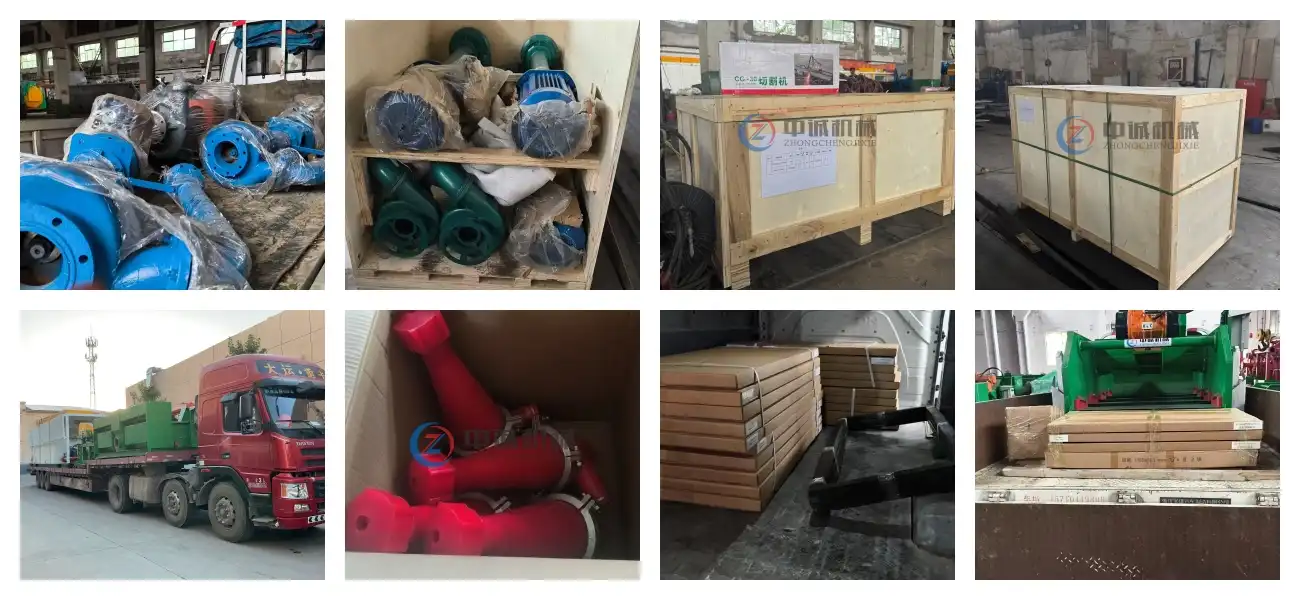
Lead time is also very important. For projects that need to move quickly, knowing whether a supplier can ship stocked units within three days or deliver custom configurations within fifteen days has a direct impact on how the project is planned. Attention should also be paid to the integrity of the packing. Transport-safe wrapping using plastic film, rainproof tarpaulins, and strapping protects equipment during ocean freight, and pallets or wooden crates can be used depending on the needs of the shipment.
Support after the sale should include installation instructions, help with commissioning, and a warranty that covers everything for at least one year. Total cost of ownership goes down even more over the span of the equipment when spare parts and training tools for operators are easy to get.
Conclusion
In conclusion, a strong Vertical Slurry Pump with a cantilever shape, high-chrome alloy wetted parts, and seal-free submerged operation directly solves the problems that drilling workers and oilfield service companies have every day with reliability, efficiency, and upkeep. It can handle most sump drainage and slurry transfer tasks in oil and gas drilling, coal preparation, and foundation engineering, with a capacity range of 20 to 140 m³/h. With ISO, TÜV, and BV standards, this type of equipment is a good investment for businesses that need to make money by relying on uptime, material resistance, and solid control systems.
FAQ
Why does a vertical sump pump not require a mechanical seal?
Because the shaft is cantilevered, all of the bearings and the drive system stay above the fluid surface. There is no mechanical seal in the fluid path that could fail, leak, or need to be replaced because no joints or seal parts are underwater. This form is especially useful in pits where the amount of slurry changes and a sealed water source is not possible.
What solid particle sizes can this pump handle?
Large-particle slurries can flow through the wide-passage impeller design. Most Vertical Slurry Pumps in this class can handle solids up to about 80% of the diameter of the discharge pipe. This means they can handle drill cuttings, coal fines, and coarse sand without the risk of clogging.
What materials are recommended for corrosive slurry applications?
High-chromium alloy is resistant to both wear and chemicals in mildly corrosive settings. When customizing an order, you should ask for natural rubber liners or duplex stainless steel materials because they are better at resisting corrosion for slurries with pH levels below 4.
How is impeller clearance adjusted?
You can change the clearance from the outside by moving the bearing housing around with adjustment bolts, without taking the pump apart. This lets field technicians fix the hydraulics during regular maintenance without having to take them apart completely.
Can these pumps integrate with existing solid control systems?
Yes. The Vertical Slurry Pump is made to work directly with solid control systems in the oilfield. It can handle slurry discharge from shale shakers, desanders, desilters, and mud tanks that have suitable input and exit configurations.
Partner with ZHONGCHENGJIXIE for Reliable Slurry Pump Solutions
ZHONGCHENGJIXIE has been making approved Vertical Slurry Pump equipment for over 30 years and has ISO/TÜV/BV compliance and direct-factory prices. Our engineering team helps with every step, from specifying to commissioning, whether you need a standard unit sent within three days or a custom configuration sent in fifteen days. To get a quote from a reliable Vertical Slurry Pump manufacturer, email oliver@zcgukong.com or visit zcsolidscontrol.com.
References
1. World Pumps — "Advances in Slurry Pump Design for Mining and Mineral Processing Applications," 2022.
2. Pumps & Systems Magazine — "Selecting Vertical Sump Pumps for Abrasive Slurry Service," 2021.
3. SPE Drilling & Completion (Society of Petroleum Engineers) — "Solid Control Equipment Performance in Onshore Drilling Operations," 2020.
4. Mining Engineering Journal — "Wear Mechanism and Material Selection for High-Chrome Impellers in Slurry Pumps," 2019.
5. Engineering Failure Analysis (Elsevier) — "Mechanical Seal Failure Analysis in Centrifugal Slurry Pump Applications," 2021.
6. International Journal of Mining, Reclamation and Environment — "Slurry Transport Efficiency and Equipment Reliability in Mineral Processing Circuits," 2023.