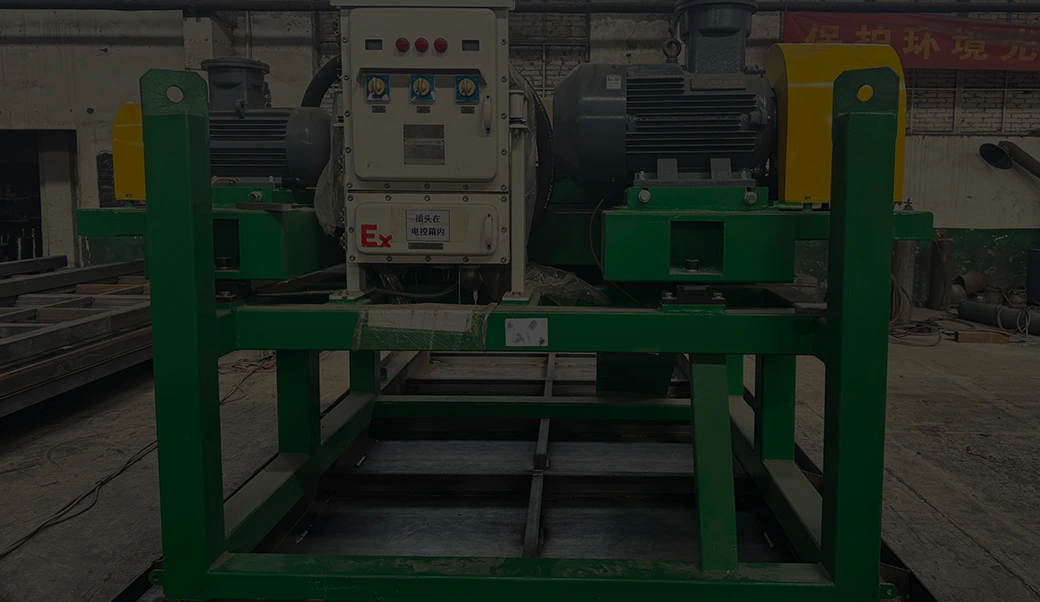
Shear pumps are essential in bentonite and chemical blending because they provide the intense mechanical energy required to break down undissolved polymer clumps—commonly called "fish-eyes"—and achieve complete hydration. Unlike conventional mixing devices that merely stir components, these specialized units generate high-velocity shear forces through a high-speed impeller and stator arrangement, ensuring uniform dispersion of additives. This results in stable drilling fluids with optimized rheological properties, directly reducing chemical waste, shortening preparation time, and enhancing overall operational efficiency in demanding oilfield environments.
Understanding Shear Pumps and Their Role in Bentonite & Chemical Blending
What Is a Shear Pump?
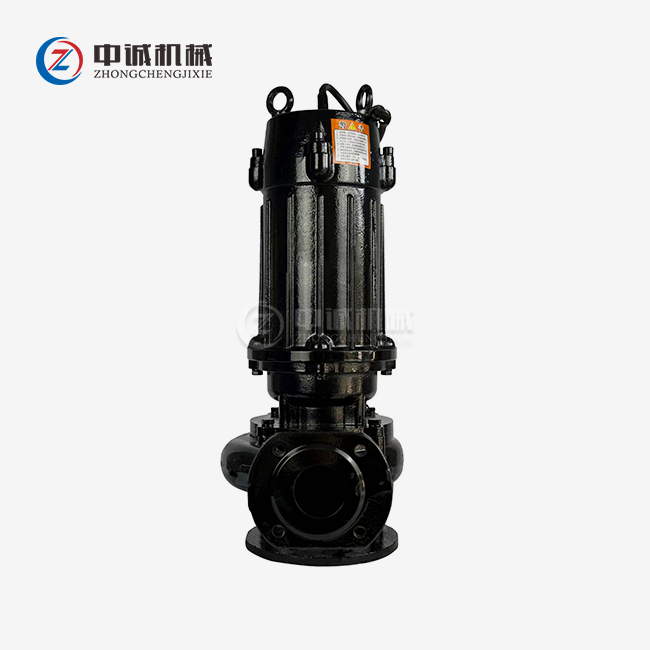
Specifically designed to mix and hydrate chemical additives in liquid systems, a Shear Pump is a spinning device. It's not like other centrifugal pumps because it has a sawtooth or perforated impeller and a close-tolerance stator, which creates a lot of turbulence and mechanical impingement. When making drilling fluid, this design makes sure that the bentonite clay and polymer powders are broken down at the molecular level. This gets rid of the dry-core particles that lower the quality of the mud. The machine usually spins at speeds between 1,450 and 2,900 RPM, and its flow rates are between 28 and 320 m³/h. Depending on the size of the job, the motor's power ranges from 5.5 to 75 kW.
How Shear Forces Improve Chemical Blending
The rotating impeller speeds up the slurry to a very high speed when bentonite or polymer additives enter the pump chamber. This forces the slurry through the small gaps between the impeller teeth and the stationary stator. This sudden drop in pressure and speed causes particles that are stuck together to break apart, revealing new surfaces that can quickly absorb water. The end result is a uniform mixture with better viscosity, gel strength, and filter control, all of which are important for keeping the wellbore stable while digging. When compared to inactive mixing methods, field tests show that using specialized shearing tools can cut the amount of additives needed by 15 to 20 percent.
Typical Industrial Applications
Shearing technology is mostly used in three areas. It makes drilling fluids for oil and gas by mixing bentonite and synthetic plastics exactly as needed, even when the pressure and temperature are high downhole. These pumps are used in enhanced oil recovery projects to hydrate thick polymers so that they can flood without breaking down molecular chains. They are used in civil engineering and environmental cleanup projects to make even slurry walls and mix flocculants for treating wastewater. This makes sure that the treatment works the same way every time, even when there are different pressures underground.
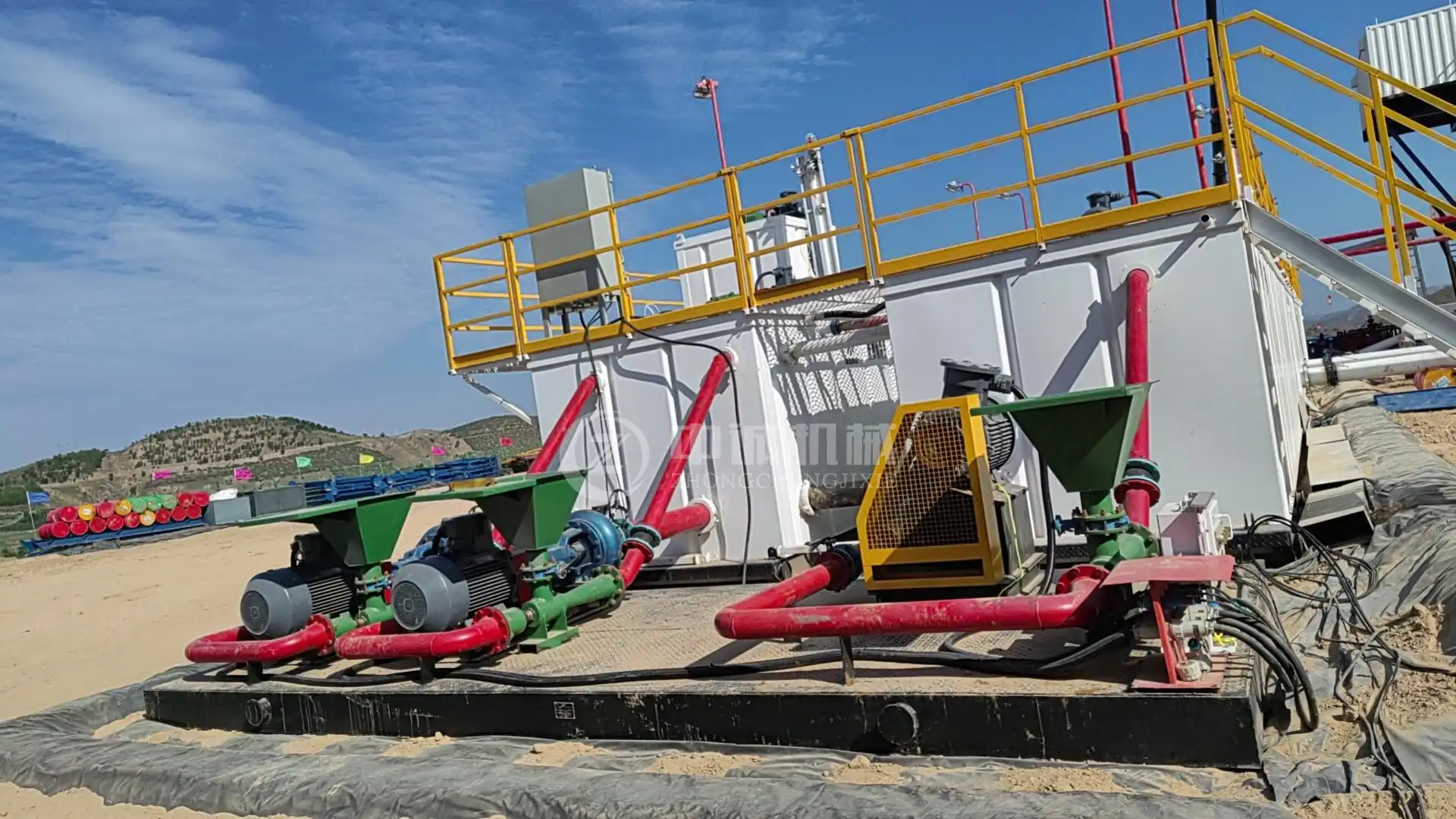
Why Shear Pumps Are Ideal for Efficient Bentonite and Chemical Blending
Addressing High-Viscosity Mixing Challenges
Bentonite and polymer ingredients are hard to work with because they have a high viscosity and tend to lump up when they mix with water. Standard centrifugal or gear pumps don't have enough shear to break up these clumps. This leaves behind partially hydrated solids that make the fluid less effective and clog equipment further downstream. A Shear Pump solves this problem by delivering precise mechanical energy directly where it is needed: at the point where particles and liquid meet. The high-shear action of a Shear Pump helps break apart stubborn clumps and accelerate hydration cycles. Using a properly configured Shear Pump can improve additive dispersion, produce more consistent fluid properties, and reduce the risk of downstream blockages. For demanding drilling-fluid applications, a reliable Shear Pump provides efficient mixing and hydration performance while helping maintain stable fluid quality.
Design Features That Enhance Blending Efficiency
The rotor-stator arrangement is what makes the function so good. High-chrome cast iron or nodular iron construction with tungsten carbide coatings on wear surfaces ensures that the parts will last in rough slurries. Operators can fine-tune shear rates for a wide range of fluids, from low-solids brines to high-density mud systems, thanks to adjustable clearance settings between the impeller and the stator. Modern mechanical seals, which are usually made of tungsten carbide to tungsten carbide, can work in settings with a lot of solids, so failures of these seals cause less downtime.
Comparative Advantage Over Alternative Pumps
Gear pumps have a hard time with rough particles and need to have parts replaced often. Diaphragm pumps are easy to use, but they don't have enough shear intensity to spread polymers evenly. Centrifugal pumps move fluids, but they don't make enough commotion to fully dissolve thick additives. From working on several drilling projects, we can say that dedicated shearing equipment always does a better job than these other options. It can use all of the additives, cut mixing time by up to 40%, and keep the rheology fixed even when operating needs change.
Performance Optimization of Shear Pumps in Bentonite and Chemical Blending
Identifying and Overcoming Operational Bottlenecks
Some common problems are solids that are too big blocking the rotor, worn parts making the shear less effective, and mechanical seals leaking in high-temperature situations. Proper pre-screening of the material gets rid of any debris that could get in the way of the impeller, and regular checks of the impeller-stator gap's dimensions keep the performance from dropping. Adding a cooling system to the mechanical seal makes it last a lot longer, especially when working with slurries that are above 80°C.
Maintaining Optimal Shear Rates for Consistent Quality
The quality of the particle distribution rests on keeping the design shear rate constant during operation. Variable frequency drives let operators precisely control the speed of the impeller, which lets them change the intensity based on the real-time properties of the fluid. Monitoring the release pressure and flow rate lets you know right away if performance is changing, so you can do the necessary maintenance before big problems happen. This proactive approach keeps the parameters of the drilling fluid within the acceptable range, which prevents expensive repairs or wellbore instability.
Practical Maintenance and Troubleshooting Guidance
Every 500 to 800 hours of operation, the seals of a Shear Pump should be checked for damage, the impeller wear should be measured, and the bearings should be lubricated. To keep the chamber of a Shear Pump clean, it should be flushed with fresh water after handling slurries containing high concentrations of solids. If vibration levels become too high, operators should check whether the fan is unbalanced or the bearings are showing signs of wear. Regular inspection and maintenance of a Shear Pump can increase uptime and improve return on investment. Addressing problems promptly helps ensure that the Shear Pump can reliably support demanding blending schedules. Proper maintenance of each Shear Pump also helps extend component life, maintain stable mixing performance, and reduce the risk of unexpected downtime.
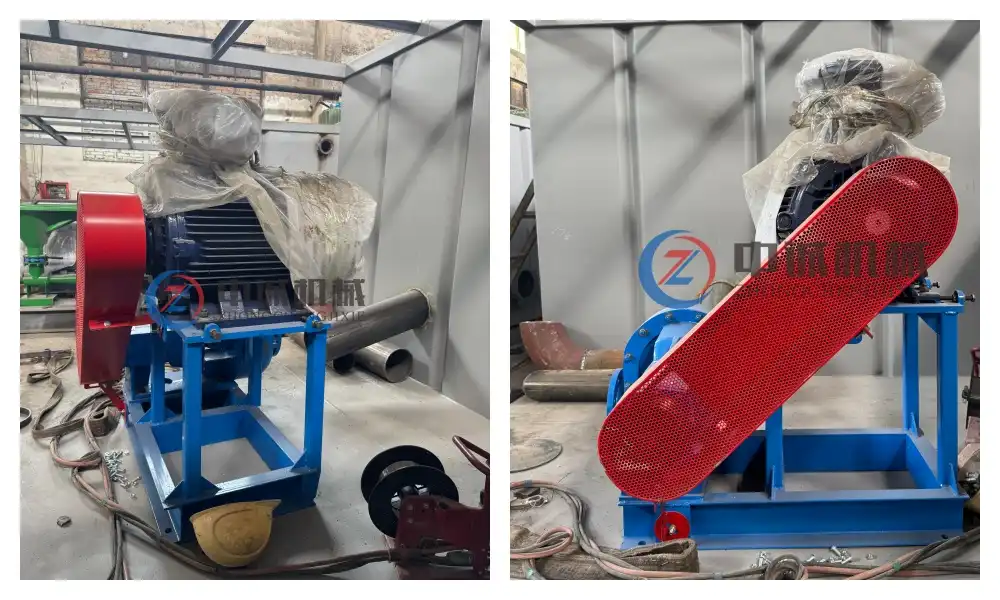
How to Choose the Right Shear Pump for Your Bentonite and Chemical Blending Needs
Key Selection Criteria Based on Fluid Properties
Material choice and motor size are based on viscosity, abrasiveness, and working temperature. Fluids with densities of up to 2.4 g/cm³ need stronger construction and motors with more power to keep up with output. Corrosive chemicals need special elastomers and gasket materials, and abrasive slurries need metals and coatings that don't break down easily. By looking at these things ahead of time, you can avoid costly mistakes and equipment breakdowns in the field.
Evaluating Brands and Customization Options
Leading makers make units that can be set up in different ways. These units can have head lengths between 21 and 40 meters and capacities between 28 and 320 m³/h, so they can work with a range of rig sizes and drilling plans. You can choose from different motor names (domestic or foreign), voltage configurations, and mounting setups. It is best for procurement managers to give more weight to suppliers who offer engineering drawings, flowcharts, and component diagrams. This way, new systems can be easily integrated with existing ones, and commissioning delays are kept to a minimum.
Balancing Technical Performance with Commercial Factors
Price, guarantee terms, and customer service after the sale are all very important when deciding what to buy. With TÜV and BV approvals and ISO 9001, ISO 14001, and ISO 45001 certifications, you can be sure that the equipment you use meets international quality and safety standards. A one-year warranty that covers everything, along with quick technical support and easy access to spare parts, ensures that operations don't stop. Working with direct manufacturers also cuts down on the cost of buying things and makes communication easier, which speeds up project timelines.
Maximizing Business Value with Shear Pumps — Procurement and After-Sales Support
Reliable Sourcing and Bulk Buying Advantages
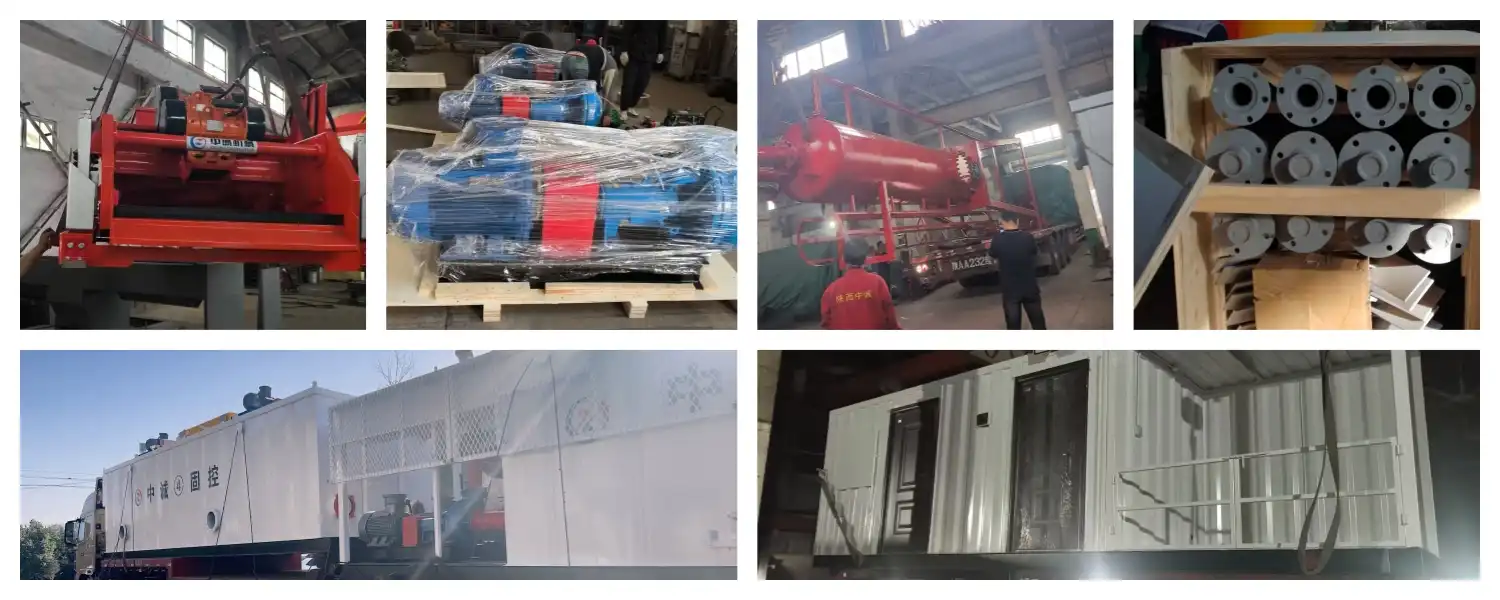
Getting tools from well-known companies with a history of reliability lowers the risk. Shaanxi Xixian New Area Zhongcheng Machinery Manufacturing Co., Ltd. has been in business for more than 30 years, has more than a dozen patents on its own products, and provides a wide range of solid control goods that were all created by the company itself. In-stock units usually get sent out within three days, while special setups take about fifteen days to arrive. Strategic logistics relationships and easy access to the ports of Tianjin and Shanghai make global delivery quick and easy, allowing large-scale operations with stable lead times.
Warranty Coverage and Maintenance Service Packages
Parts and work are covered by comprehensive warranty plans for one year, so you don't have to worry about unexpected repair costs. Maintenance service packages come with regular checks, replacement plans for parts, and help with fixing problems in a situation. As standard, installation help, commissioning help, and operator training are all provided. This gives client teams the tools they need to use equipment safely and efficiently from the start. These services lead to more uptime and a lower total cost of ownership over the life of the equipment.
Emerging Trends in Shear Pump Technology
New technologies like variable frequency drives, real-time performance monitoring, and advanced coating materials keep making blending more efficient and equipment last longer. Digitalization makes predicted maintenance possible, which cuts down on unplanned downtime and makes the best use of extra parts inventory. As rules about the environment get stricter, new designs focus on using less energy and making buildings less polluting. This makes sure that operations are in line with sustainability goals while keeping costs low.
Conclusion
To get consistent, fully hydrated drilling fluids, it is important to choose the right technology for mixing bentonite and chemicals. A Shear Pump is unique because it provides the mechanical energy needed to eliminate fish-eyes, reduce additive waste, and accelerate the fluid preparation process. When procurement managers and drilling engineers understand the technical principles, design features, and maintenance requirements of a Shear Pump, they can make decisions that improve operating efficiency and reduce costs. A properly configured Shear Pump can help maintain uniform fluid properties while supporting efficient additive hydration. Long-term success in demanding oilfield environments depends on working with experienced manufacturers that provide reliable Shear Pump solutions, customization capabilities, comprehensive technical support, and proven dependability. Selecting the right Shear Pump can help drilling operations achieve consistent mixing performance, lower waste, and more reliable fluid preparation.
FAQ
Why Choose a Shear Pump Over a Standard Mixing Hopper?
Solids are added to the system by the hopper, but only the cutting unit has the mechanical power to break down fish-eyes and complete chemical hydration. Active combing makes sure that all of the additives are used, while passive mixing leaves behind clumps that don't dissolve and hurt the performance of the fluid.
How Often Should the Mechanical Seal Be Inspected?
Every 500 to 800 hours of use, seals should be checked in high-solids situations. When the cooling system is well taken care of, specialized tungsten carbide seals last longer, which stops the system from warming and breaking down too soon.
Does Shearing Affect Fluid Viscosity?
Shearing usually raises the effective viscosity compared to normal mixing because it fully hydrates the additives. It is important not to over-shear some polymers, as this can break down molecular chains and make the desired rheological properties less useful.
What Is the Maximum Slurry Density These Units Can Handle?
Most professional-level machines can handle mud densities of up to 2.4 g/cm³, as long as the motor is the right size for the fluid's specific gravity and the impeller is made to handle the extra load.
Can Shearing Intensity Be Adjusted?
Changing the impeller speed with a variable frequency drive or changing the clearance between the impeller and the stator during maintenance are the main ways to change the intensity. With these changes, operators can make performance fit the fluid makeup and operating needs.
Partner with a Trusted Shear Pump Manufacturer for Your Project
Shaanxi Xixian New Area Zhongcheng Machinery Manufacturing Co., Ltd. is an expert at making mud mixing systems that work well in the roughest oilfield conditions. Our equipment has better shearing performance, wet parts that don't wear out easily, and stable, energy-efficient operation that works with a wide range of solid control systems. Our solutions meet international standards and are certified to ISO 9001/14001/45001 and approved by TÜV and BV. They are also priced competitively and can be customized in a number of ways. Whether you need a basic unit sent within three days or a custom setup sent in fifteen days, our professional service team can help with everything from installation to training and commissioning. Visit zcsolidscontrol.com or email oliver@zcgukong.com to talk about your bentonite and chemical mixing needs and find out why top drilling companies trust our services.
References
1. Mitchell, R. F., & Miska, S. Z. (2011). Fundamentals of Drilling Engineering. Society of Petroleum Engineers.
2. Caenn, R., Darley, H. C. H., & Gray, G. R. (2017). Composition and Properties of Drilling and Completion Fluids (7th ed.). Gulf Professional Publishing.
3. Bourgoyne, A. T., Millheim, K. K., Chenevert, M. E., & Young, F. S. (1991). Applied Drilling Engineering. Society of Petroleum Engineers.
4. Amani, M., Al-Jubouri, M., & Shadravan, A. (2012). Comparative study of using oil-based mud versus water-based mud in HPHT fields. Advances in Petroleum Exploration and Development, 4(2), 18-27.
5. Ghalambor, A., Salehi, S., Shahri, M. P., & Karimi, M. (2014). Integrated Drilling Engineering: A Practical Approach. Prentice Hall.
6. Howard, G. C., & Fast, C. R. (1970). Hydraulic Fracturing (Monograph Volume 2). Society of Petroleum Engineers.