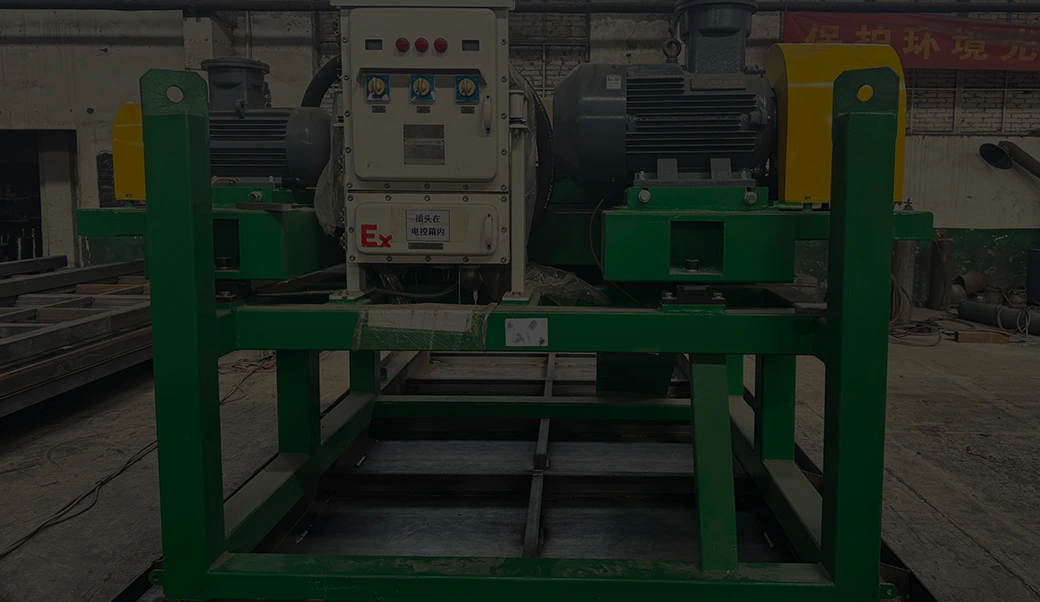
Oilfield operators choose mud cleaners because these integrated systems efficiently remove fine solids ranging from 15 to 74 microns—particles too small for shale shakers yet harmful to drilling fluid properties. A Mud Cleaner combines desander and desilter hydrocyclones with an underflow shaker, maximizing liquid recovery while protecting expensive drilling fluids from viscosity increases and abrasive damage. This targeted separation capability reduces drilling costs, extends equipment life, and supports environmental compliance, making mud cleaners indispensable for maintaining high-performance drilling operations across oil, gas, geothermal, and foundation engineering projects.
Understanding the Role of Mud Cleaners in Oilfield Drilling
Mud Cleaners are the crucial second- and third-stage solids control tools designed to handle what main shale shakers cannot handle. Drilling fluid management is a key component of successful oilfield operations. These machines go after small particles in the fluid that get through the first filtering step. They stop these particles from weakening the stickiness and lubricating qualities of the drilling fluid.
What Defines a Mud Cleaner's Functionality?
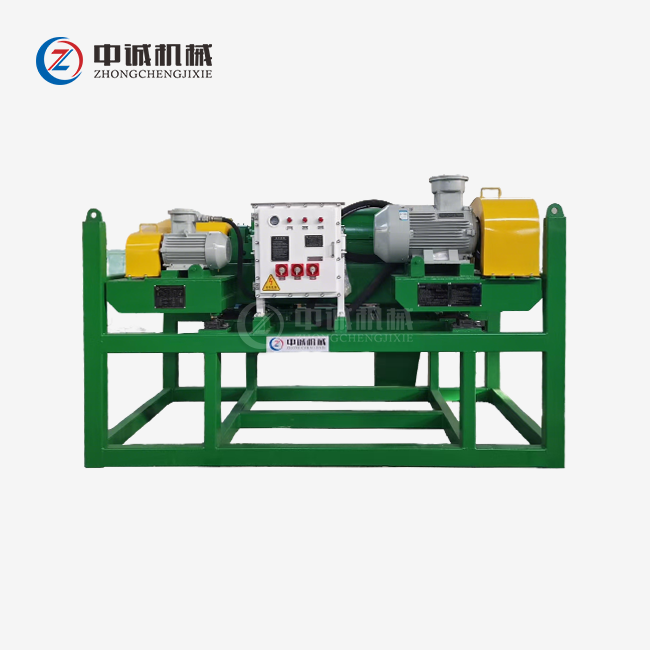
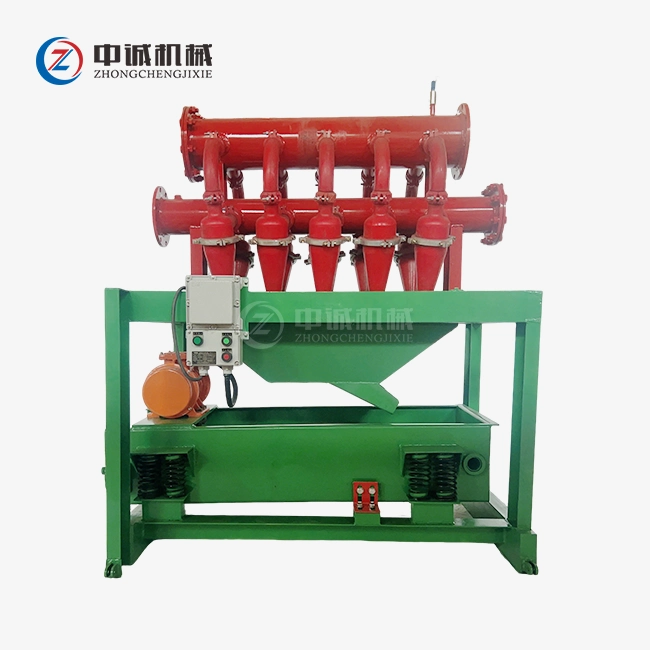
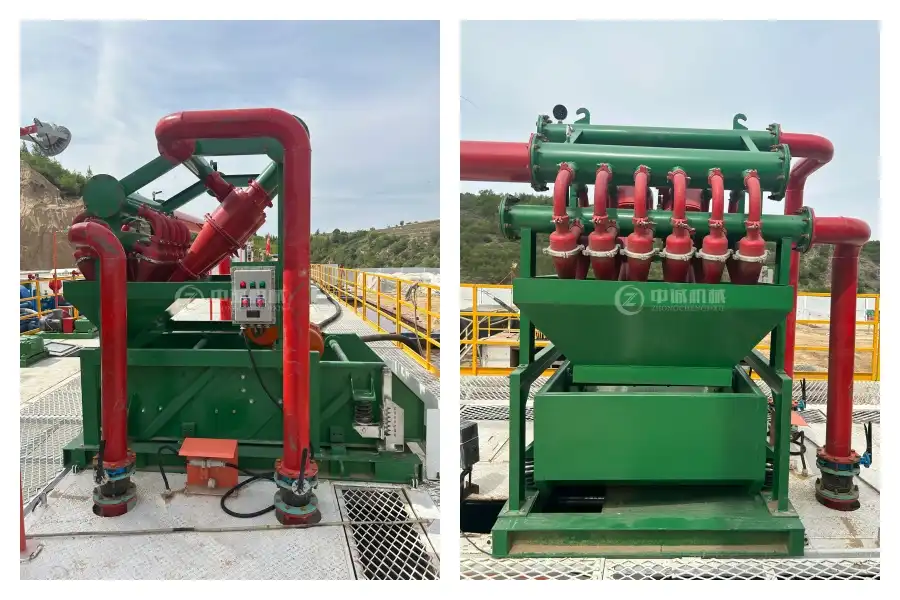
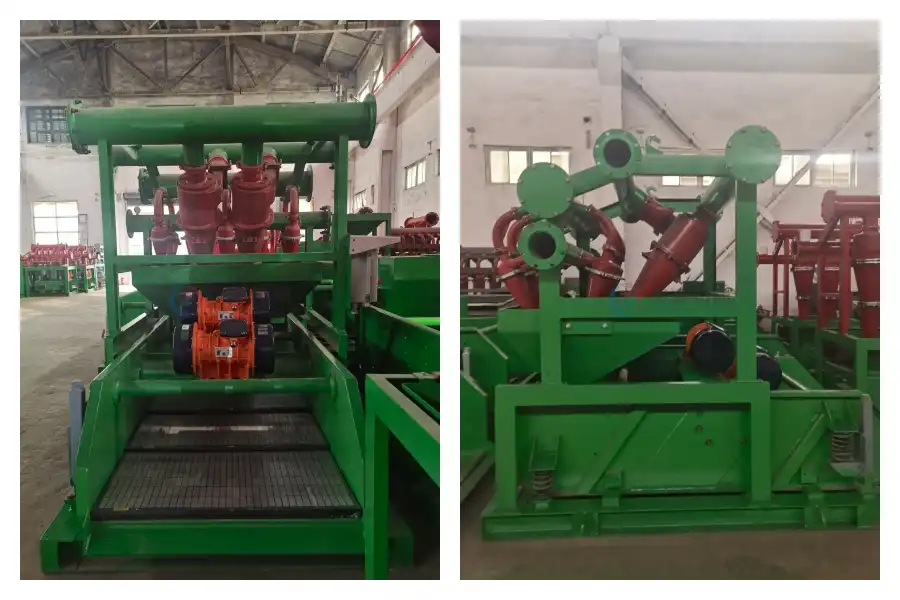
A Mud Cleaner combines several types of separation technology into a small unit. The ZC series is an example of modern industry design. It has a 3-in-1 cleaning system with desander cones (usually 2 × 10 inches), desilter cones (usually 12 × 4 inches), and an underflow shaker placed below the cyclones. This setup lets drilling fluids go through a series of stages of cleaning, with each stage focusing on smaller and smaller particles. The desander gets rid of bigger sands down to about 40 to 50 microns, and the desilter gets rid of silt particles that are between 15 and 40 microns. The underflow shaker then gets the liquid phase back from these streams of concentrated solids. This makes sure that the expensive base fluids go back into the circulation system instead of being thrown away with the waste cuttings.
Leading manufacturers like NOV, Schlumberger, and HYUNDAI have come up with different designs, but the basic idea behind them all is the same: to get the most out of them, combine hydrocyclonic separation with vibratory screening. Centrifugal force inside the cones is what makes the mechanism work. Denser solids move to the cone walls and leave through the top, while lighter drilling fluid swirls upward through the overflow and returns to the active system.
How Mud Cleaners Integrate with Broader Solids Control Systems
Between primary shale shakers and equipment for polishing, like centrifuges, Mud Cleaners hold a crucial position. The drilling fluid goes through shale shakers, which remove big pieces of rock, and then it goes into the desander section of the Mud Cleaner. The processing speed of 120–320 m³/h (500–1400 GPM) is about the same as the circulation rate of a typical drilling rig, so the treatment can go on without any problems. The cleaned fluid then moves to tanks further downstream, while very small bits that need more treatment can go to a centrifuge to be separated.
This integration protects the quality of the drilling fluid in a planned way. Maintaining the right fluid qualities, such as viscosity, gel strength, and filtration traits, has a direct effect on the rate of entry and the security of the wellbore. When fine solids build up to too high a level, they increase the density of the fluid, make the mud thicker, and speed up the wear on pumps and other downhole tools.
Why Fine Solids Control is Critical for Oilfield Operators
It's easy to underestimate the difficulty of drilling with fine solids. Particles smaller than 74 microns stay in the drilling fluid and turn it into an abrasive liquid that damages equipment and slows down the drilling process. Large cuts are easy to see and remove.
The Hidden Costs of Uncontrolled Fine Particles
Viscosity goes up when there are too many small solids, which makes mud machines work harder and use more power. This high viscosity also slows down penetration rates, which adds to the cost and time of the project. Drilling workers who work in shale formations or water-sensitive clays have to deal with very active fine particle generation. Each circulation cycle adds new ultrafine material to the system.
The wear from abrasion is another important effect. Fine particles made of silica wear down pump liners, valve seats, and drill pipe connections like liquid sandpaper. Maintenance intervals for equipment get a lot shorter, and the cost of replacing parts goes up. When fine solids levels go above the suggested levels, operators of 10,000-foot wells in abrasive rocks have seen pump expendable costs rise by 30–40%.
Mud Cleaners Versus Alternative Equipment
Shale shakers are great at getting rid of particles bigger than 74 microns, but they can't handle smaller particles. Centrifuges are good at getting rid of very small particles, but they have smaller capacities and higher prices. That's why they're mostly used to treat heavy drilling fluids where the barite recovery makes the investment worthwhile. With their ability to handle large volumes quickly and affordably, Mud Cleaners fill the vital middle ground.
Field data from horizontal directional drilling (HDD) projects shows that the benefits can be measured. One builder installing a 3,200-foot pipeline got rid of different desander and desilter units and put in one cleaner that did both jobs. The amount of drilling fluid used dropped by 22% and the amount of waste that had to be thrown away dropped by 35%. The project was finished four days early because of better penetration rates and fewer breaks for equipment maintenance.
How Mud Cleaners Enhance Drilling Fluid Treatment Processes
Knowing how Mud Cleaners work on a technical level helps procurement managers and drilling engineers choose the right tools and get the most out of it in the field.
The Purification Cycle Explained
Centrifugal pumps create pressure that forces dirty drilling fluid into the Mud Cleaner's feed box. This pressure, which is usually kept between 25 and 40 psi, pushes fluid into the hydrocyclone cones from the side. Centrifugal force is very strong inside each cone because it spins. Denser solids are pushed outward while lighter liquid spirals inward and upward.
The 2-12 configuration of the ZC model gives middle to deep well operations the best throughput. The first, heavy solids load is handled by the two 10-inch desander cones, which can each handle about 500 GPM. There are twelve 4-inch desilter cones that work together to handle 1000 to 1200 GPM and target smaller bits. This step-by-step method keeps the separation efficiency steady and stops any one cone from becoming overloaded.
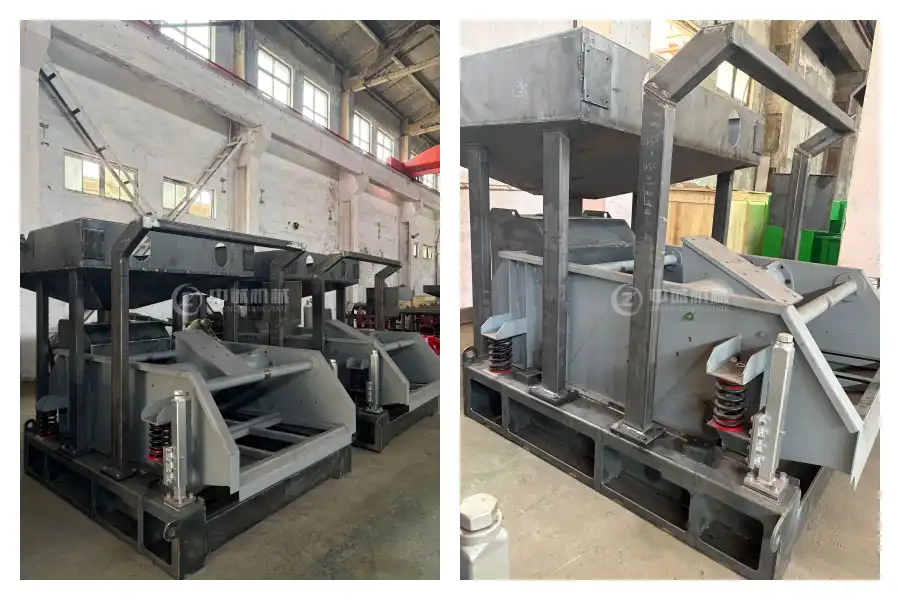
The underflow shaker, which is below the cyclones, gets the concentrated solids-liquid mixture that comes out of the cone's top. The screening deck is moved by high-frequency vibratory motors that work at 6.5 to 8G force. API-standard fine mesh screens separate recovered liquid from released solids. Adjustable deck angles let workers fine-tune performance based on the viscosity of the fluid and the features of the solids. Steeper angles make the cuts drier, while shallower angles get the most liquid back.
Material Durability and Maintenance Advantages
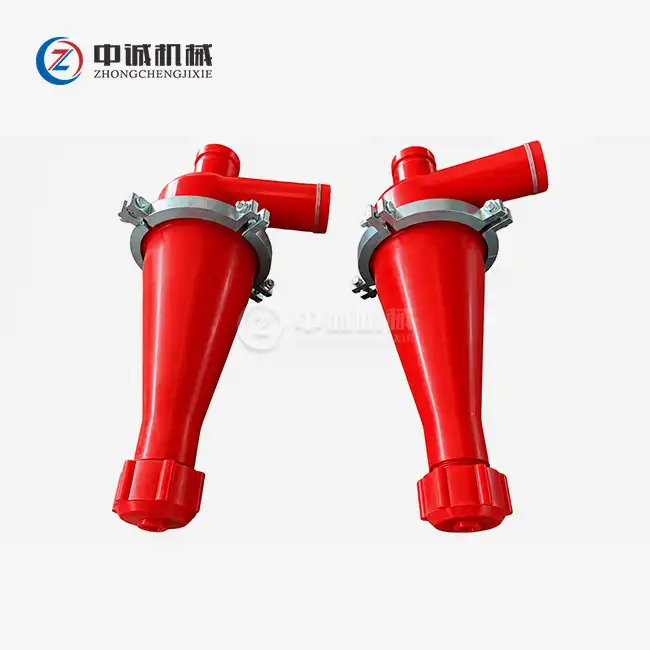
100% high-grade polyurethane (PU) cyclones are used in the ZC series, which solves a common problem in the industry. In rough drilling settings, traditional metal or plastic cones wear out quickly and need to be replaced often, which slows down operations. Polyurethane is better at resisting wear and tear. PU cones last three to five times longer than similar materials in the same working settings, according to lab tests.
The sectional clamp design makes it easy to replace the cone quickly when needed. Without special tools, maintenance workers can swap out a worn cone in less than 15 minutes, which cuts down on machine downtime. This modular method also applies to screening surfaces, where workers can choose screen mesh sizes that match the properties of the formation and the type of drilling fluid being used.
Environmental and Economic Benefits
Mud Cleaners significantly cut down on the amount of drilling waste that must be disposed of while meeting environmental compliance standards. When small solids are removed effectively, workers can keep the quality of the drilling fluid for longer, which means they don't have to buy as much new fluid. When Mud Cleaners are set up correctly, projects that use water-based muds have seen fluid refill costs drop by 40 to 50 percent.
Liquid recovery from the underflow shaker has the most effect on drilling fluids that are made from oil or synthetic materials. The base fluid costs between $4 and $12 per gallon. Even recovering an extra 5% of the liquid phase can save a lot of money on big projects. The equipment usually pays for itself within 3 to 6 months of continued use on busy drilling projects. This is because it saves money on fluid purchases and waste disposal fees.
Selecting the Right Mud Cleaner for Your Operation
When buying solids control equipment, you have to think about a lot of things, like technical specs, operational needs, and long-term support. For each drilling site and project size, the right tool setup is needed.
Critical Selection Criteria
Processing power is the most important thing to think about. The output of the Mud Cleaner must match the movement rates of the rig. A ZJ50 drilling rig usually moves 800 to 1000 GPM, so it needs a Mud Cleaner that can handle high amounts without putting back pressure on the system. The 120–320 m³/h range of the ZC series works with most onshore drilling rigs. However, for offshore or deep-well activities, you may need more than one unit or a higher-capacity setup.
The cone's shape is decided by how the particles in the drilling bits are distributed in size. Formations that mostly produce coarse sands should have more desander cones, while formations that produce fine-grained shales or clays should have more desilter capacity. By changing the number and size of hydrocyclones, customization choices let operators make tools work best for their unique geological conditions instead of using methods that work for everyone.
Equipment choices are limited by footprint, especially on offshore bases or drilling areas with a lot of people. Compared to separate desander, desilter, and shaker installations, integrated Mud Cleaners take up a lot less space. Modern units are small and can do everything they need to do within a 3 x 2 meter footprint. This is very important for retrofitting current drilling rigs that don't have a lot of tank-top room.
Brand Comparison and After-Sales Considerations
Well-known names like NOV and HYUNDAI have been around for a long time and have a history of being reliable. However, they usually come with higher prices and longer delivery times. New companies that make API-compliant tools at reasonable prices are becoming more popular with operators who want to save money, especially for land-based drilling efforts where offshore-grade standards aren't necessary.
Warranty coverage and the availability of expert help should be carefully looked at. Standard warranty periods range from six months to two years, but how useful they are depends on how quickly the supplier responds and how easy it is to get replacement parts. Managers of procurement should check where parts are kept, how long it usually takes to get replacements, and whether field service technicians can get to remote drilling sites within 48 hours during busy times.
The Zhongcheng Machinery Manufacturing Co., Ltd. in Shaanxi Xixian New Area offers full support, including engineering drawings, system flowcharts, and operation manuals in many languages. Installation guidance and commissioning support make sure that the equipment works as planned from the start of the project, so there is no need for the trial-and-error time that usually comes with using new equipment.
Purchasing Methods and Delivery Logistics
Buyers who buy directly from manufacturers don't have to pay markups to distributors, and they can also get customization services. Online platforms make it easier to do business with people in other countries, but buyers should check the seller's qualifications by looking at business licenses, certifications, and customer references. If you buy locally from well-known distributors, you can get your goods faster and make warranty claims more easily, but you might only be able to choose from stock equipment combinations.
Custom manufacturing schedules need to be planned ahead of time. Stock units usually ship within three days, making them good for replacing things quickly or in an emergency. Customized configurations, which include specific cone arrangements, motor types, or structural changes, usually need 15 days from the time an order is confirmed until it is shipped. Strategic transportation relationships with major companies guarantee reliable delivery to places around the world. For sales of a whole solids control system, there are also options for combined shipping.
Future Trends in Mud Cleaner Technology and Solids Control
Solids control equipment is always getting better because the energy industry is moving toward operational efficiency and environmental responsibility. New technologies offer better performance, less work that needs to be done by hand, and better interaction with digital drilling platforms.
Automation and Smart Monitoring
Real-time monitoring systems track separation effectiveness, cone wear patterns, and screen performance in the most recent generation of Mud Cleaners. Sensors connected to the internet of things (IoT) send information to central control systems about the cyclone feed pressure, underflow density, and performance of vibrating motors. Machine learning algorithms look at these streams of data and predict what repair needs to be done on equipment before it breaks down and suggest changes to operations that will improve performance.
Automated control systems change working settings on the fly depending on the properties of the drilling fluid and the rock formation. When drilling moves from sandstone to shale, smart systems change the deck angles and screen setups automatically to keep the best sorting efficiency. This automation makes it less dependent on the experience of the operator and more consistent across drilling shifts.
Advanced Materials and Modular Design
Nanotechnology-enhanced polyurethane compounds are even more resistant to wear than standard PU formulas. This could double the service life of cyclones. These new materials are also better at resisting chemicals, which means that corrosive fluid additives can be used in harsh drilling environments with Mud Cleaner.
Modular equipment designs make it easy to change the layout of a field quickly. With quick-change cone manifolds, drilling crews can quickly switch between desander-heavy and desilter-heavy setups, so they can adapt to changing rock properties without having to buy new tools. Because it can be used for multiple digging steps that used to need different tools, this flexibility lowers the amount of money that needs to be spent on capital.
Environmental Compliance and Zero-Discharge Systems
Environmental laws around the world are getting stricter, which is pushing operators toward closed-loop drilling systems that get rid of pit disposal and cause less damage to the surface. Mud Cleaners are the basic parts of zero-discharge systems. They increase the efficiency of solids removal so that later stages of treatment, like thermal desorption or chemical fixation, can handle smaller amounts of waste.
When Mud Cleaners are used with ceramic filtration or membrane separation technologies, almost all of the liquid can be recovered. Even though these more modern systems have higher initial costs, they are more likely to be profitable as regulations and garbage disposal fees rise. More and more, operators who work in environmentally sensitive areas—near water sources, population centers, or protected habitats—use these all-encompassing cleaning methods.
Conclusion
Through targeted fine solids control that safeguards drilling fluid investments, lowers machine wear, and speeds up project finish, Mud Cleaners provide quantifiable operational benefits. With its 3-in-1 integrated design, long-lasting polyurethane cyclones, and many customization options, the ZC series is the best of the best in the industry right now. It can be used for a wide range of tasks, from oil and gas drilling to foundation engineering. When choosing the right tools, it's important to match processing power to circulation rates, look at how well the maker supports their products, and think about the long-term costs of running the business that go beyond the initial purchase price. Mud Cleaners have developed into complex, controlled systems that maximize fluid management while reducing trash production and the risk of not complying with regulations as drilling technology moves toward automation and environmental sustainability.
FAQ
What particle size range do mud cleaners effectively remove?
Through the combined desander and desilter cyclone stages, Mud Cleaners aim to remove particles between 15 and 74 microns. The coarser fraction (40–74 microns) is dealt with by desander cones, and the smaller part (15–40 microns) is dealt with by desilter cones. This range gets rid of problematic solids that shale shakers miss but are still too big for centrifuge treatment to be cost-effective.
How does a mud cleaner differ from using separate desanders and desilters?
Integrated Mud Cleaners have an underflow shaker under the cyclones that collects liquid that separate units would dump with solid waste. This integration cuts down on drilling fluid loss by 15–25%, equipment size by about 40%, and installation and operation that are easier to handle than handling several separate units.
What maintenance schedule do polyurethane cyclones require?
Polyurethane cones should be inspected every 500 hours of use and replaced every 2,000 to 3,000 hours, based on how rough the drilling fluid is. Visually check the discharge patterns every day; a rope-like discharge instead of a spray pattern means that the peak wear needs care. The sectional clamp design makes it possible to change the cone in 15 minutes without using any special tools.
Partner with a Trusted Mud Cleaner Manufacturer
International markets are served by Shaanxi Xixian New Area Zhongcheng Machinery Manufacturing Co., Ltd., which has been making drilling equipment for more than 30 years and specializes in Solids Control Systems that work well in tough field conditions. Our ZC series Mud Cleaners have patented integrated designs, polyurethane hydrocyclones for longer service life, and can be configured in a way that fits your drilling needs, whether they are for small HDD operations or large oilfield jobs.
Along with BV and TÜV approvals, we keep ISO 9001, ISO 14001, and ISO 45001 certifications to make sure that our equipment meets international quality and safety standards. Stock items are sent out within three days, and custom-engineered solutions are usually delivered within fifteen days. They come with full technical paperwork, instructions on how to install them, and a guarantee that lasts for one year. Our engineering team helps with system design, capacity calculations, and integration planning to make sure that Mud Cleaners work as efficiently as possible with your current circulation system.
Our team can be reached at oliver@zcgukong.com to talk about your project needs, get full specs, or set up equipment demonstrations. You can see all of our products at zcsolidscontrol.com, where you can also find detailed information like operation guides, performance data, and case studies of how our products have been used. We have the tools and support you need to keep your drilling operations going smoothly, whether you're a drilling contractor looking for dependable Mud Cleaner suppliers or an EPC company needing full solids control solutions.
References
1. American Petroleum Institute. Recommended Practice for Field Testing Drilling Fluids (API RP 13B-1). Washington, DC: American Petroleum Institute, 2019.
2. Bourgoyne, A.T., Millheim, K.K., Chenevert, M.E., and Young, F.S. Applied Drilling Engineering. Society of Petroleum Engineers Textbook Series Vol. 2. Richardson, TX: Society of Petroleum Engineers, 2021.
3. Chenevert, Martin E. and Reuven Hoberock. Development of Mud System Specifications for Optimum Shale Control. Journal of Petroleum Technology, Volume 33, Issue 9, 2018, pp. 1901-1906.
4. King, F.H. and Vandewater, L.S. Solids-Control Equipment Selection and Application for Land and Offshore Drilling Operations. SPE Drilling Engineering Journal, Volume 8, Issue 2, 2020, pp. 103-110.
5. Robinson, Lloyd. Drilling Fluid Processing Handbook. Houston: Gulf Professional Publishing, 2020.
6. Swaco, M-I. Solids Control and Waste Management: Industry Best Practices and Technical Guidelines. Houston: Schlumberger Technical Publications, 2019.