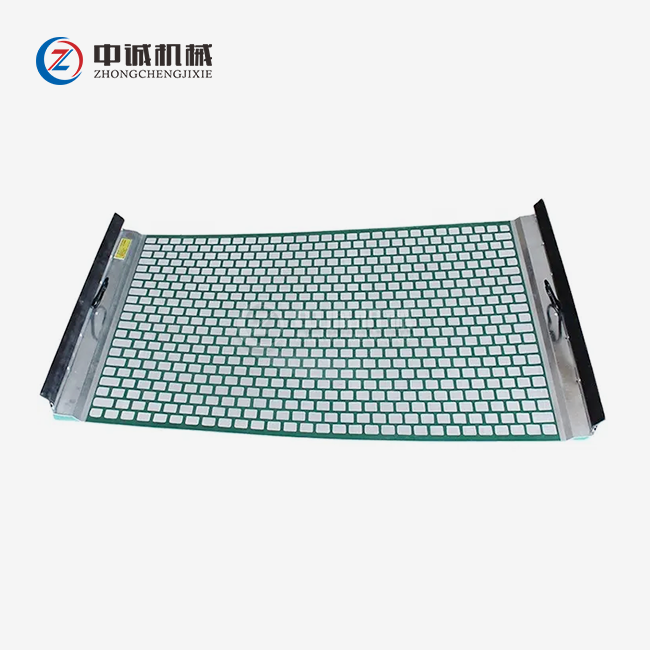
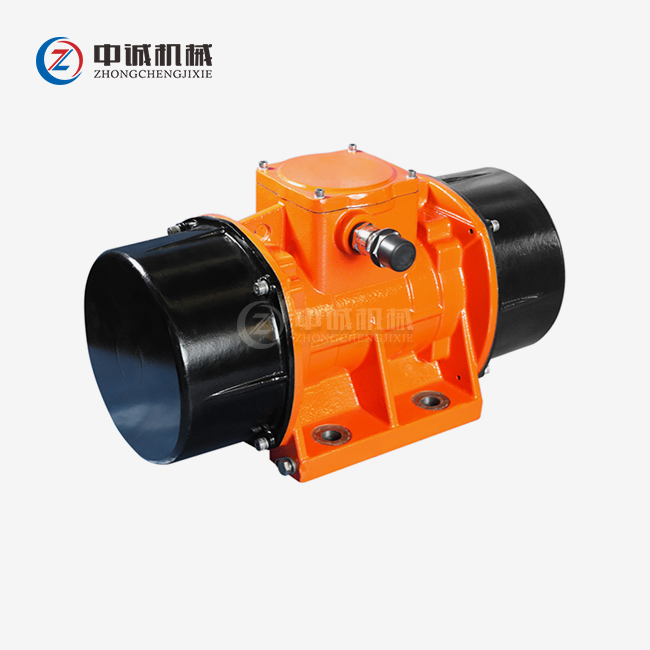
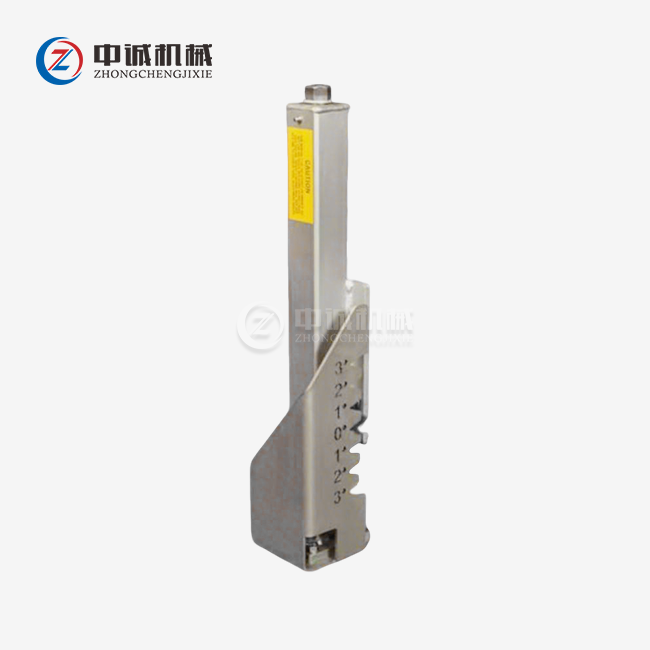
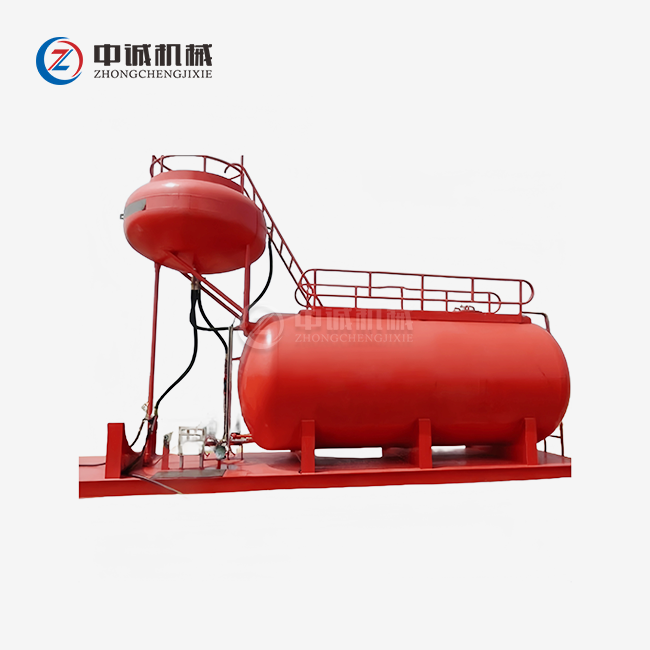
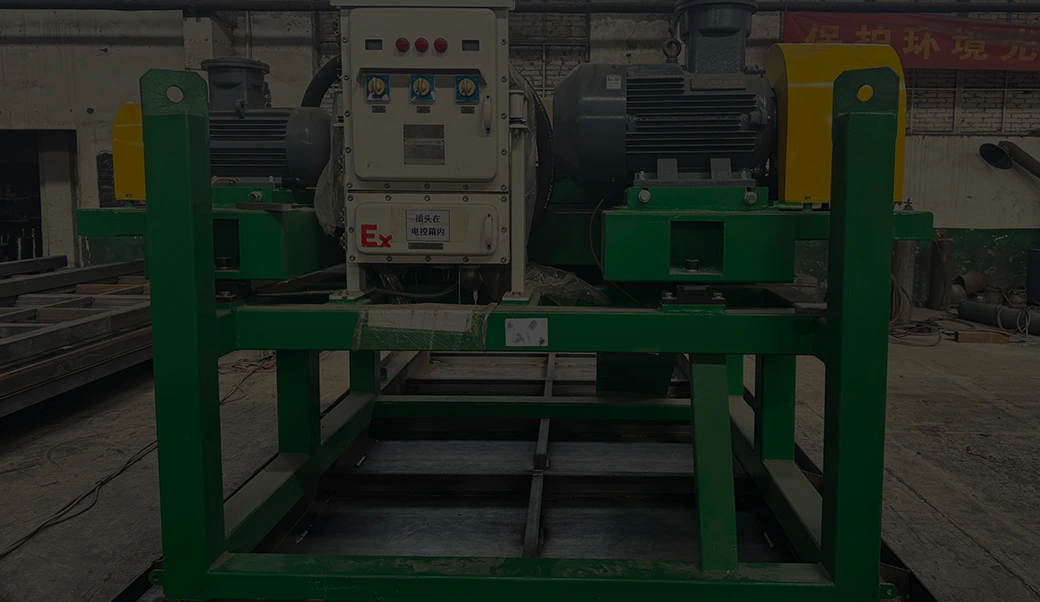
A Multi-unit Shale Shaker enhances mud separation through parallel operation of multiple screening decks that dramatically increase total screening surface area and throughput capacity. By distributing drilling fluid across several vibrating units simultaneously, the system achieves faster solids removal, reduces screen loading per unit, and maintains consistent separation efficiency even during peak flow conditions. This configuration prevents fluid bypassing and optimizes particle conveyance across screens, resulting in cleaner drilling mud, extended screen life, and improved overall drilling performance compared to conventional single-unit designs.
Introduction
Every drilling operation depends on one fundamental process: separating unwanted solids from valuable drilling fluids. Without efficient mud separation, operators face increased costs, equipment damage, and project delays that can cripple profitability. Traditional single-deck shakers often struggle when drilling programs demand higher flow rates or when formations generate excessive cuttings volumes.
The emergence of advanced shaker configurations addresses these challenges head-on. By integrating multiple screening units into a coordinated system, operators gain the capacity to process significantly larger volumes while maintaining separation quality. This technology has become particularly valuable in deepwater operations, extended-reach drilling, and high-volume horizontal directional drilling projects where mud quality directly impacts penetration rates and borehole stability. Understanding how these systems work and why they outperform conventional alternatives helps drilling engineers and procurement managers make informed equipment decisions that reduce non-productive time and maximize return on drilling fluid investments.
Understanding Multi-unit Shale Shakers and Their Operating Principles
What Defines a Multi-unit Configuration
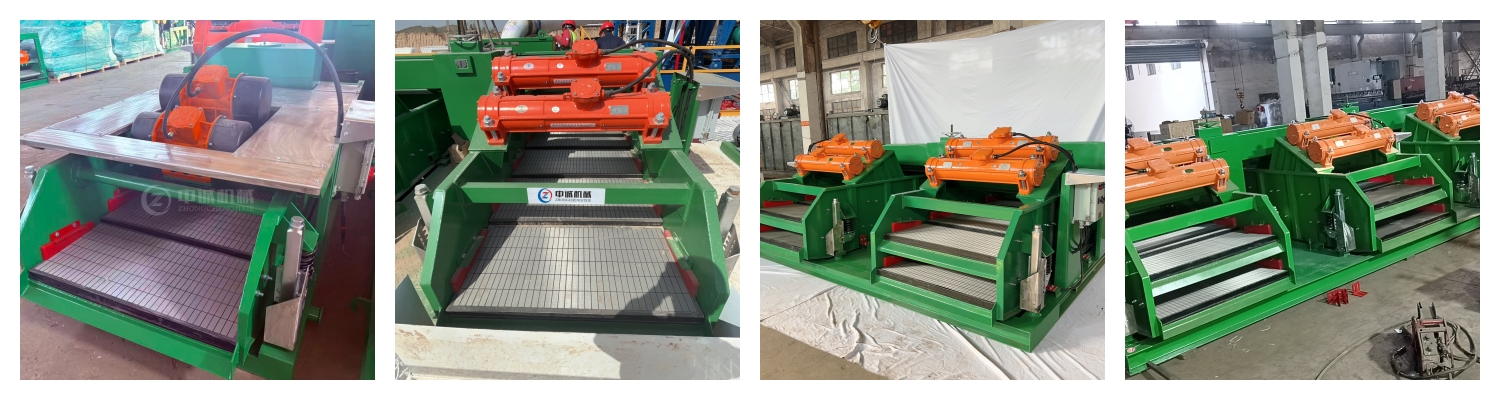
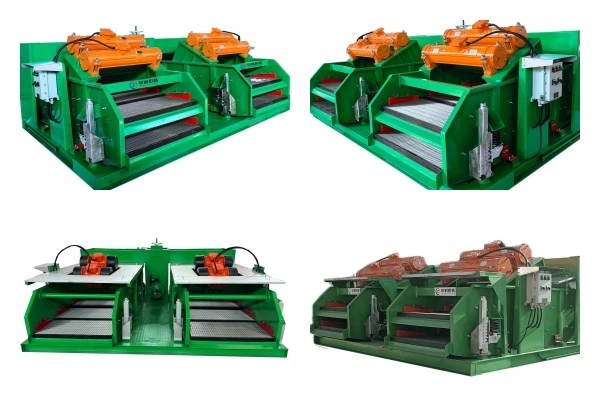
Two, three, or four separate vibrating shaker units are placed on a single skid or base in these devices. Instead of having separate shakers placed all over the rig floor, this integrated method centralizes solids control thru a single feed manifold that evenly distributes drilling fluid into all active units. The ZC Multi-unit Shale Shakers from Shaanxi Xixian New Area Zhongcheng Machinery Manufacturing Co., Ltd. are a good example of this modular parallel operation design. They are the central hub for large-scale Solids Control Systems in oil and gas drilling onshore and offshore, including coal bed methane drilling.
How Vibration Technology Drives Separation
Each unit has special vibration motors that can make motion paths that are either straight or curved, with vibration intensities of up to 8G. The high-frequency motion quickly moves the drilling mud across the screen surface, while solid particles are held in place and moved toward the end of the discharge. The linear path moves solids quickly and is good for moving large amounts of cuttings, while the elliptical path moves fluids more slowly and protects the screen longer when working with smaller particles. Motor synchronization across multiple units makes sure that the operation is balanced and that there is no harmful resonance that could damage structural parts or make the separation less effective.
Structural Engineering for Reliability
These systems are defined by their strong structure. Heavy-duty skid designs make it easier to move and place equipment in tight rig floor spaces, and high-strength anti-vibration frames take the stress of operations. Protection class grades of IP55 or higher keep electrical parts safe from the dust and water that are typical in drilling settings. It's easier to move between drilling sites thanks to the rugged skid-mounted integration, which reduces the overall footprint. This is especially helpful for offshore platform operations, where every square meter is valuable.
How Multi-unit Shale Shakers Improve Mud Separation Efficiency
Multiplied Screening Capacity
The main benefit is the large amount of viewing space that is accessible. Three or four shaker units working at the same time can make the screen surface area bigger than 12 to 16 square meters, compared to 4 to 6 square meters for a single unit. With this extra space, workers can now handle circulation systems with ultrahigh flows of more than 3000 gallons per minute without having to worry about fluid going around the screens. The multi-unit parallel configuration easily meets these needs by precisely balancing flow thru the distribution box. This stops "mud loss" due to localized overloading and increases drilling fluid recovery rates, which directly lowers the cost of buying mud.
Enhanced Redundancy and Uptime
Another important benefit is operational flexibility. Individual shaker units can work together or separately, which makes them very flexible when drilling conditions change. During important drilling phases when continuous circulation can't be stopped, this design provides a backup system that works in case the main one fails. When a screen needs to be replaced or maintained on one unit, the flow processing continues on the other units, so the material control process is never interrupted. This extra safety feature gets rid of the time that is usually wasted when screens need to be changed, which in deepwater drilling programs can cost thousands of dollars an hour.
Precision Separation Through Staged Processing
Tiered deck designs are used in more advanced setups. The top deck scalps big cuts while the bottom deck does fine purification. This step-by-step method makes fine-mesh screens much less stressed and extends their useful life by keeping them from getting blinded too soon by particles that are too big. As a result, drilling fluid with less solids goes back into the active system. This makes the mud better, cuts down on the need for mixing, and keeps pumps and other equipment in the system from wearing out as quickly. When compared to single-unit systems that aren't big enough, operators say that properly designed multi-unit systems have a higher rate of entry and less torque and drag.
Comparison: Multi-unit Shale Shaker vs Single-unit and Other Mud Separation Equipment
Throughput and Efficiency Advantages
Single-unit shakers have some unavoidable limitations. When drilling fluid flow exceeds the rated capacity of one unit, workers must either slow the drilling process by reducing rotation rates or accept poorer fluid separation as material bypasses the screen. Multi-unit Shale Shaker configurations eliminate much of this compromise by allowing operators to distribute the flow across multiple working units. The number of active units can be adjusted to match the circulation system's requirements, making Multi-unit Shale Shaker systems more flexible for changing drilling conditions. In many applications, Multi-unit Shale Shaker configurations can also improve energy efficiency per unit of fluid handled because each shaker operates closer to its optimal performance range instead of being pushed beyond its design limits. By maintaining appropriate loading across the equipment, Multi-unit Shale Shaker systems can support more consistent separation performance and efficient solids-control operations.
Operational Flexibility Benefits
The modular design has benefits that go beyond raw capacity. Operators can turn on more units when production is high and turn off more units when drilling or tripping is slow, which makes the best use of power. This adaptability is especially useful when drilling in conditions that change quickly and the rock properties change a lot. Units can be serviced independently without shutting down the whole system, which makes maintenance scheduling easier. This is especially helpful during long drilling operations where rig availability affects the project's profitability.
Investment Considerations
Initial capital costs for multi-unit systems are higher than those for a single unit. These costs are usually between 2.5 and 3.5 times higher, depending on the complexity of the configuration and the manufacturer's specifications. But when you figure out the total cost of ownership, you have to take into account things like less mud, less time spent not working, longer screen life from better loading, and less wear on equipment further downstream. For operators who are in charge of more than one rig, standardizing on multi-unit setups can help simplify the training of operators across the fleet and make it easier to keep track of spare parts. This can lead to long-term practical savings that more than make up for the higher initial investment.

Maintenance Tips and Best Practices for Multi-unit Shale Shakers
Screen Management Strategies
Using systematic screen inspection protocols stops failures that come up out of the blue. Every day, operators should check screens for tears, blinding, and frame damage. If any screens are old, they should be replaced before the sorting efficiency drops significantly. Properly tensioning the screens is very important—screens that are too tight fail early, while screens that are too loose make separation less effective and let fluid pass thru. Using high-quality API-certified screens that are right for the drilling conditions increases the time between changes and lowers the total cost of screen consumption over the life of the project.
Vibration System Care
The engine that makes the shaker work is what makes it work. Regularly lubricating motor bearings according to the manufacturer's instructions stops them from wearing out too quickly and needing expensive replacements. Keeping an eye on the motor's temperature while it's running helps find problems before they become too big to fix. Bearing sets usually need to be inspected every 500 to 1000 hours of use, and repair times depend on how hard they are used and the weather. Keeping the motors in sync across multiple units stops harmful resonance that can hurt structural parts and shorten the life of equipment by a lot.
Preventive Maintenance Scheduling
Setting up full maintenance schedules based on OEM guidelines cuts down on unplanned downtime and the cost of repairs. Frame soundness checks for fatigue cracks, especially at high-stress weld joints, and regular checks of mounting bolt torque specs are two important parts of an inspection. Checking the electrical connections stops water from getting in, which can damage control systems. The one-year comprehensive warranty that comes with ZC Multi-unit Shale Shakers gives you peace of mind during the important first few months of use. Building relationships with manufacturers also makes sure that you can get genuine replacement parts and technical support for as long as the equipment lasts.
Procurement Guide: Selecting and Buying a Multi-unit Shale Shaker
Assessing Project Requirements
Accurately assessing needs is the first step in effective procurement. Figure out the highest circulation rates that can be predicted, making sure to include safety gaps for unplanned events. Think about the specifics of your drilling program. For example, will you run into sticky formations that need to be cleaned aggressively? Do environmental laws require the removal of ultra-fine solids? For offshore uses, marine-grade rust protection and certification for working in dangerous areas may be needed. Explosion-proof electrical systems that meet ATEX or IECEx standards are often needed for coal bed methane projects. Manufacturers like Shaanxi Xixian New Area Zhongcheng Machinery Manufacturing Co., Ltd. make these systems easily customizable.
Evaluating Supplier Capabilities
In addition to product specs, choosing the right provider has a big effect on the success of the project. Companies that have ISO 9001/14001/45001 certification, follow HSE guidelines, and have third-party validation from TÜV or BV show that they care about quality management and the environment. When drilling jobs need to be done quickly, the ability to deliver is very important. Standard configurations can be shipped within days by suppliers who keep them in stock. Customized systems that need specific motor names, explosion-proof ratings, or different screen layouts usually take two to three weeks to make. Companies that offer full technical support, such as engineering drawings, installation help, and operator training, lower the risk of commissioning and speed up the time it takes to start making money.
Logistics and Installation Considerations
Shipping issues that come up because of global sourcing affect the total cost and timing of the project. Reliable sellers offer safe packaging for transport, such as plastic film for protection, tarps for protection in the rain, and secure strapping. For fragile items, boxes or wooden crates can also be used. Being close to major shipping hubs lowers freight costs and transit times. For example, companies that are close to the ports of Tianjin or Shanghai have an advantage when shipping goods internationally. Full installation completion support makes sure everything is set up correctly and working properly before the contractor accepts the work. This stops disagreements and guarantee issues that can delay the start of the drilling program.
Conclusion
Multi-unit Shale Shakers are a big step forward in main solids control technology. They solve the problems that single-unit designs have with volume and operating freedom. These systems make mud quality, machine uptime, and total drilling costs better by increasing the screening area, providing important operating redundancy, and allowing staged separation processes. Even tho the initial investment is higher than options for a single unit, the combination of saving more mud, having less downtime, and parts lasting longer makes the equipment very profitable over its entire lifecycle. These systems are necessary for operators of high-volume drilling programs, offshore platforms with limited room, or projects that are sensitive to the environment to keep up with the competition in today's tough operating environment.
FAQ
How often should screens be replaced on these systems?
How often screens need to be replaced depends a lot on the conditions of the drilling, the properties of the formation, and the properties of the mud. High solids loading and abrasive formations speed up wear, so screens need to be changed every couple of weeks. In less demanding conditions, screens may last for several months. Instead of just sticking to plans, operators should regularly sample the fluid and look it over to make sure the separation is working well. Instead of waiting until the screens completely break, replacing them as soon as they start to work less well cuts down on fluid loss and keeps downstream equipment from getting solids on it.
Can the system operate with different screen sizes on each unit?
Most professional multi-unit configurations have screens that are the same size on all units to make managing inventory easier and cut down on costs. To make staged separation, some more experienced operators put coarser screens on units that come upstream and finer screens on units that come downstream. To keep the smaller screens from getting too full, this method needs careful flow balancing and tracking. During the customization process, companies like Shaanxi Xixian New Area Zhongcheng Machinery Manufacturing Co., Ltd. can give advice on staged screening configurations that work best for certain drilling tasks.
What power requirements should be anticipated?
Power use depends on how many units are in use, the specifications of the vibration motor, and how hard it is being used. When it's working, a normal three-unit setup with standard vibration motors might need 15 to 25 kilowatts of power. Designs that use less energy have variable frequency drives that let workers change the level of vibration based on real-time situations. This lowers power use when demand is low. Making sure the rig has enough power before buying it keeps the electrical system from overloading, which can trip breakers and stop important drilling operations.
Partner with Shaanxi Xixian New Area Zhongcheng Machinery Manufacturing Co., Ltd. for Advanced Solids Control Solutions
Shaanxi Xixian New Area Zhongcheng Machinery Manufacturing Co., Ltd. is a trusted company that operators can work with to find Multi-unit Shale Shaker makers. With more than 30 years of experience in the field and more than 12 patents of our own, we offer solids control systems that were designed specifically for tough drilling environments. Our ZC Multi-unit Shale Shakers have modular parallel operation, shaking levels up to 8G, and IP55 security ratings. They are certified by ISO 9001/14001/45001 and approved by TÜV and BV. Products that are in stock usually ship within three days, while customized configurations that are based on your specific motor preferences, explosion-proof needs, or capacity needs usually arrive within fifteen days. Email our team at oliver@zcgukong.com to talk about the needs of your project, get full technical specs, or set up factory acceptance testing. Visit zcsolidscontrol.com to see our full line of products and learn how our one-year guarantee and technical support services can help your drilling operations keep the best mud separation performance from the beginning of the project to the end.
References
1. American Petroleum Institute. (2021). Recommended Practice for Drilling Fluid Processing Systems Evaluation. API RP 13C, Eighth Edition.
2. Bourgoyne, A.T., Millheim, K.K., Chenevert, M.E., & Young, F.S. (2018). Applied Drilling Engineering. Society of Petroleum Engineers Textbook Series, Volume 2.
3. Caenn, R., Darley, H.C.H., & Gray, G.R. (2017). Composition and Properties of Drilling and Completion Fluids. Seventh Edition, Gulf Professional Publishing.
4. International Association of Drilling Contractors. (2020). Solids Control Equipment Maintenance and Operations Manual. IADC Technical Publication.
5. Lyons, W.C., Plisga, G.J., & Lorenz, M.D. (2016). Standard Handbook of Petroleum and Natural Gas Engineering. Third Edition, Gulf Professional Publishing.
6. Society of Petroleum Engineers. (2019). Drilling Fluids and Solids Control Optimization in Modern Drilling Operations. SPE Technical Report Series, Paper 194826.