Maintaining drilling fluid performance is non-negotiable in both offshore and geothermal operations. A mud agitator is a vital component in any solids control system, engineered to keep drilling fluid homogeneous by preventing weighting agents like barite from settling at the tank bottom. Without consistent agitation, dead spots form, hydrostatic pressure fluctuates, and mud density becomes unreliable — all of which can derail an entire drilling program. Whether you are managing a deepwater rig in the Gulf of Mexico or a geothermal well in the Western United States, the right agitation solution is foundational to operational success.

Understanding Mud Agitators in Offshore and Geothermal Drilling
Core Components and Design Principles
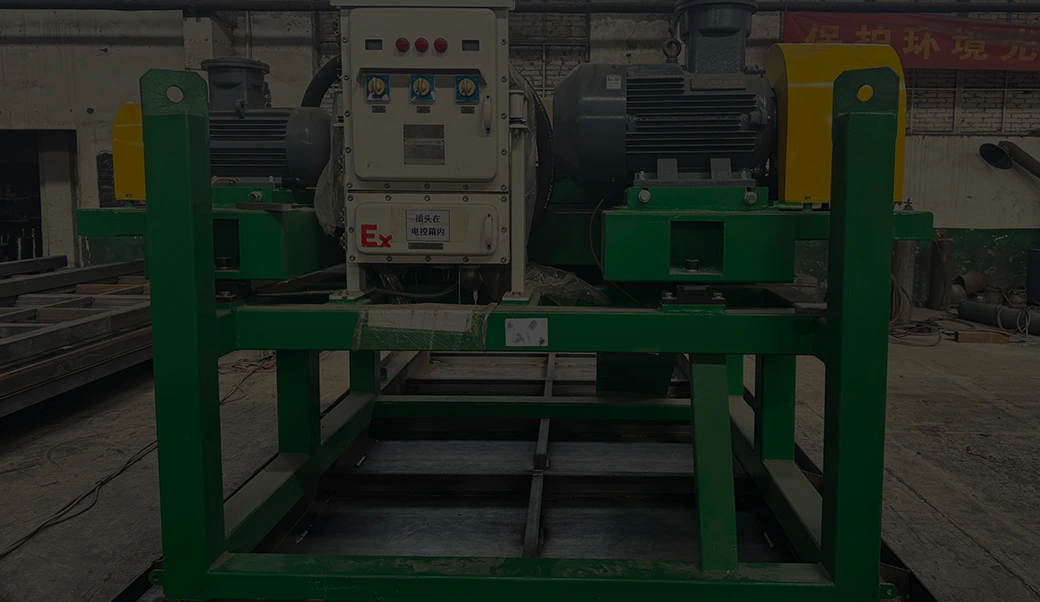
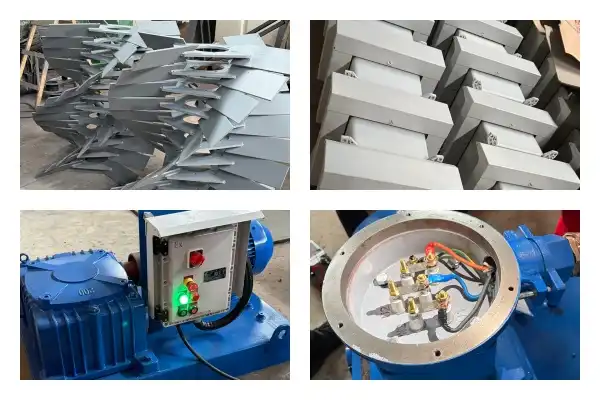
An explosion-proof motor, an industrial-grade gear reducer, a spinning shaft, and one or more canted-blade impellers make up a Mud Agitator. Motor power can be anywhere from 3 kW to 22 kW, and the rotor width is usually between 600 mm and 1,100 mm. This depends on the size of the tank and how dense the mud is. Vertical-mount versions are most common in offshore and geothermal uses because they take up little space and can be used with standard tank-top setups. Helical-bevel gear reducers are very efficient mechanically, producing a lot of torque at 60 to 90 RPM with very little heat production. This is a huge benefit for operations that go on 24 hours a day, seven days a week.
Mud Agitator vs. Mud Mixer: Why the Distinction Matters
A lot of procurement experts mix up these two gadgets, but they do different things. Using an eductor or jet system, a mud mixer adds ingredients to the flow of fluid. A Mud Agitator, on the other hand, keeps the fluid that has already been made evenly mixed throughout the active mud tanks. If you mix them up when you're specifying equipment, it could lead to poor solids suspension, chemical stratification, and expensive mud losses. Choosing the right device for the job is especially important for marine and geothermal projects because it protects both the fluid quality and the total system performance.
Key Applications and Benefits of Mud Agitators for Offshore and Geothermal Drilling
Managing the drilling fluid has a direct effect on the rate of penetration, the security of the wellbore, and the integrity of the rock. Agitation equipment can handle these issues in a number of high-demand settings, and workers can get the most out of the equipment by knowing how it will be used.
Here are the main use cases and benefits that go with them:
- Offshore Deepwater Drilling: In high-pressure, high-temperature (HPHT) offshore settings, the density of the drilling fluid must stay the same in all working tanks. Mud Agitators with motors that can't explode and are rated for Zone 1 and Zone 2 dangerous sites make sure that safety rules are followed and keep heavy muds (with a specific gravity above 2.0) fully suspended. Marine-grade epoxy coatings that are 250 to 300 microns thick protect equipment from salt spray and extend its life in salty environments.
- Geothermal Well Drilling: Geothermal formations bring in hot air and muds that are often very rough and chemically aggressive. The Mud Agitators used here need rotor materials that don't wear down easily and closing systems that can handle high temperatures. Customized shaft lengths can work with tanks that don't have standard shapes, which is common in geothermal surface setups. This makes service intervals longer and cuts down on unplanned shutdowns.
- HDD and Trenchless Operations: High-viscosity bentonite slurries used in horizontal directional drilling need to be stirred up all the time so that sediment doesn't build up and clog the pipes during long pulls. Reliable agitation keeps the quality of the slurry high, which protects the integrity of both the tooling and the borehole.
These benefits are specific to the application and directly lead to less drilling fluid use, lower operational costs, and better wellbore quality — outcomes that matter to every drilling contractor and oilfield service company.
How to Choose the Best Mud Agitator for Your Drilling Project
Selecting the right Mud Agitator involves more than matching motor power to tank volume. A well-structured selection process takes all of these priorities into account. For example, procurement managers, drilling engineers, and technical directors all have different things they look for in a candidate.
Key Selection Criteria
Using mud density and tank shape to figure out motor power is the first step. A 15 kW unit is a good starting point for a 100-barrel tank section with mud at 2.0 SG, but higher power levels may be needed for HPHT or rough geothermal uses. The type of material used for the impeller (carbon steel for normal uses, stainless steel or hard-faced alloys for corrosive or abrasive muds) has a direct effect on how long it lasts. For offshore sites that are classed as Class I, Division 1, or Zone 1, explosion-proof certification (ATEX, IECEx, or CNEX) is a must.
Noise output is another practical factor. Units that operate below 80 dB at 1 meter protect crew health and meet remote safety standards for workers. Dynamic balance testing according to ISO 1940 standards gets rid of shaft vibrations that could make gearbox wear happen faster. Before the gearboxes get to a rig floor, they are checked to make sure that the provider does temperature rise tests under load for 4–8 hours. This proves that the gearboxes will last for a long time.
Installation, Maintenance, and Troubleshooting for Optimal Performance
Installation Best Practices
Making sure the tank top is structurally sound so it can handle the torque loads that are created during operation is the first step in a proper fitting. The mounting bolts must be tightened to the manufacturer's specifications, and the shaft submergence depth must be set correctly. If the submergence depth is too low, vortexing will happen, which will cause the impeller to load unevenly and the bearings to wear out faster. Vibration-dampening posts on offshore platforms stop structure vibrations from reaching sensitive equipment nearby.
Maintenance and Troubleshooting
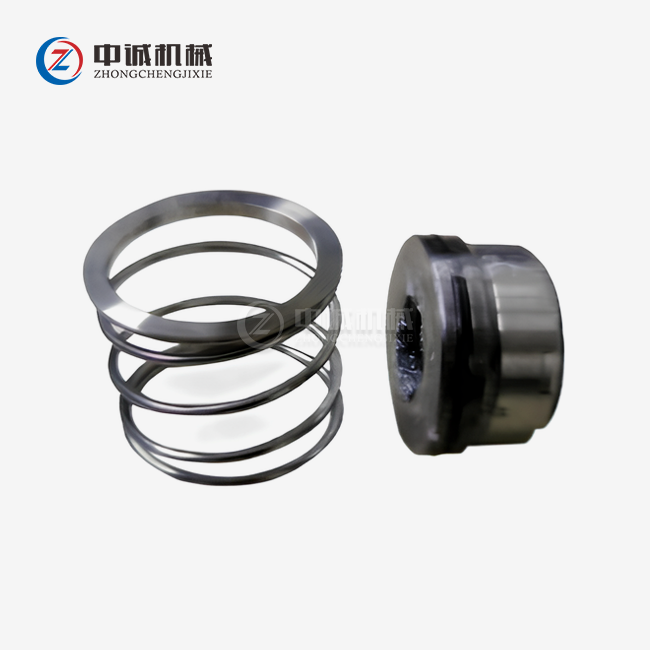
Changing the oil in a Mud Agitator gearbox every 2,500 hours of operation helps keep the gears in good condition and prevents metal particles from contaminating the lubricant. During routine maintenance, inspecting the oil seal on a Mud Agitator can help identify early leaks before they cause bearing damage. Excessive vibration during operation is commonly caused by a bent or worn shaft, an impeller operating outside its optimal submersion range, or loose tank-top mounting hardware. In geothermal applications, overheating in a Mud Agitator often indicates insufficient lubrication or a heat-resistant seal that has reached the end of its service life. Addressing these issues proactively can help prevent costly downtime caused by unexpected equipment shutdowns and keep the Mud Agitator operating reliably.
Procurement Insights: Sourcing Mud Agitators for Your Project
There are big benefits to working with a direct manufacturer that does their own research instead of going through a middleman distributor. Lead times get shorter, technical customization is possible, and prices are based on how much it costs to make the product instead of how much the dealer makes. Some important things that are used to judge a supplier are ISO 9001/14001/45001 certification, documentation of HSE compliance, and third-party approvals from well-known groups like TÜV and BV.
The rules of the warranty should be carefully read. A one-year warranty that covers both parts and work is the minimum that a reliable provider should offer. On complicated offshore or geothermal projects, installation risk is lower when there are full technical paperwork packages that include engineering drawings, flowcharts, operation and maintenance instructions, and more. For large purchases or EPC project packages, making sure you know a supplier's yearly production capacity and shipping times will keep your project plan from getting thrown off by problems in the supply chain.
Conclusion
A Mud Agitator is a very important part of making sure that Solids Control Systems work well in both offshore and geothermal operations. Choosing equipment that is good at mixing, doesn't rust or wear down easily, has explosion-proof safety ratings, and works with your current solids control system has a direct effect on how much it costs to handle fluids and how much time is spent digging. The practical results speak for themselves when purchasing decisions are based on checked technical specs and backed up by a skilled maker. Putting these factors first from the specification stage saves both the timetable for the project and the investment in long-term tools.
FAQ
How often should a drilling fluid agitator be serviced?
Every 2,500 hours of use, the gearbox oil should be changed. At each planned maintenance interval, which is usually every 500 to 1,000 hours depending on how harsh the operating environment is, the shaft seals and bearing condition should be checked for the Mud Agitator.
What is the difference between explosion-proof and standard agitator models?
Explosion-proof Mud Agitator models have motors and switch boxes that are approved for use in Zone 1/Zone 2 or Class I, Division 1 dangerous areas. They have to be used on gas drilling sites and offshore platforms where flammable vapors may be present. Standard types can only be used in classification areas that are not dangerous.
Can agitators be customized for high-temperature geothermal conditions?
Yes. Longer shafts can be used for tanks with non-standard depths, heat-resistant mechanical seals can be added, and rotor metals that work well with rough or chemically aggressive geothermal muds can be chosen. Within standard wait times, Mud Agitator manufacturers who have their own engineering departments can make these combinations.
What causes vibration in a tank agitator during operation?
The most common reasons for Mud Agitator vibration are a bent shaft, an incorrect impeller submersion level that causes a vortex, or attaching hardware that is not properly torqued. Vibration-related failures in the field are much less likely to happen when dynamic balance tests are done before shipping.

Partner With a Certified Mud Agitator Manufacturer for Your Next Project
ZHONGCHENGJIXIE designs and makes certified Mud Agitators trusted by contractors across global oil & gas, geothermal, and HDD operations. As a direct manufacturer, we offer customized configurations, ISO/TÜV/BV-certified production, in-stock delivery within 3 days, and a one-year warranty. Reach our technical team at oliver@zcgukong.com or visit zcsolidscontrol.com to request a project-specific quotation today.
References
1. American Petroleum Institute. API RP 13C: Recommended Practice on Drilling Fluids Processing Systems Evaluation. API, 2010.
2. Bourgoyne, A.T., et al. Applied Drilling Engineering. Society of Petroleum Engineers, 1986.
3. International Organization for Standardization. ISO 1940-1: Mechanical Vibration — Balance Quality Requirements for Rotors in a Constant (Rig) State. ISO, 2003.
4. Mitchell, R.F., and Miska, S.Z. Fundamentals of Drilling Engineering. Society of Petroleum Engineers, 2011.
5. Skalle, P. Drilling Fluid Engineering. Bookboon, 2011.
6. World Oil. Drilling & Completion Technology: Advances in Solids Control and Mud Management Systems. Gulf Publishing Company, 2019.