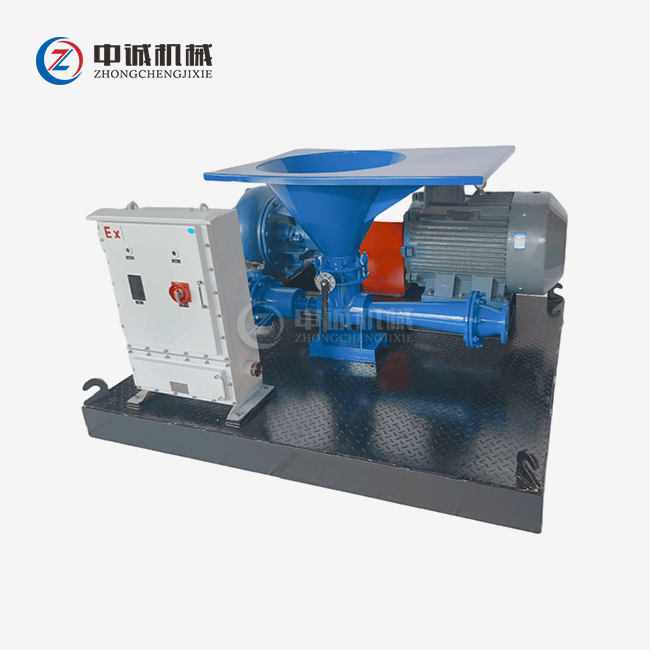
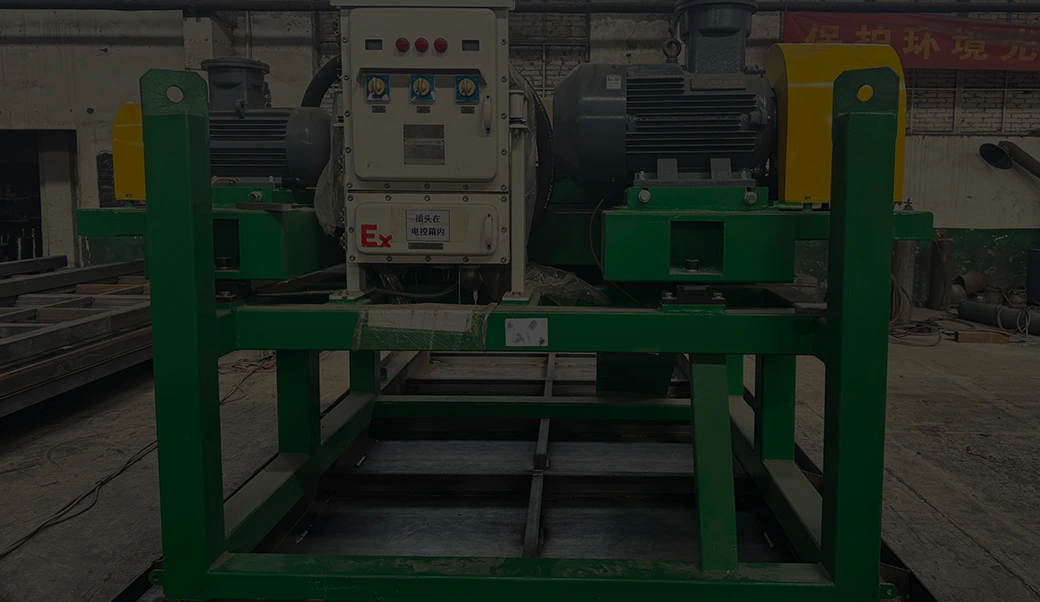
A Mud Drying Shaker plays a direct and measurable role in drilling fluid recovery. By applying high-G linear vibration—typically between 7.5G and 8.5G—this equipment forces liquid separation from drill cuttings, recovering up to 90% or more of the base fluid entrained in the solid phase. Unlike standard shale shakers, a cuttings drying screen operates at higher vibration intensity, breaking surface tension bonds between fluid and solids. The result is drier cuttings, cleaner recovered mud that retains its original chemical properties, and a significant reduction in fluid loss—directly lowering mud preparation costs and waste disposal volumes.
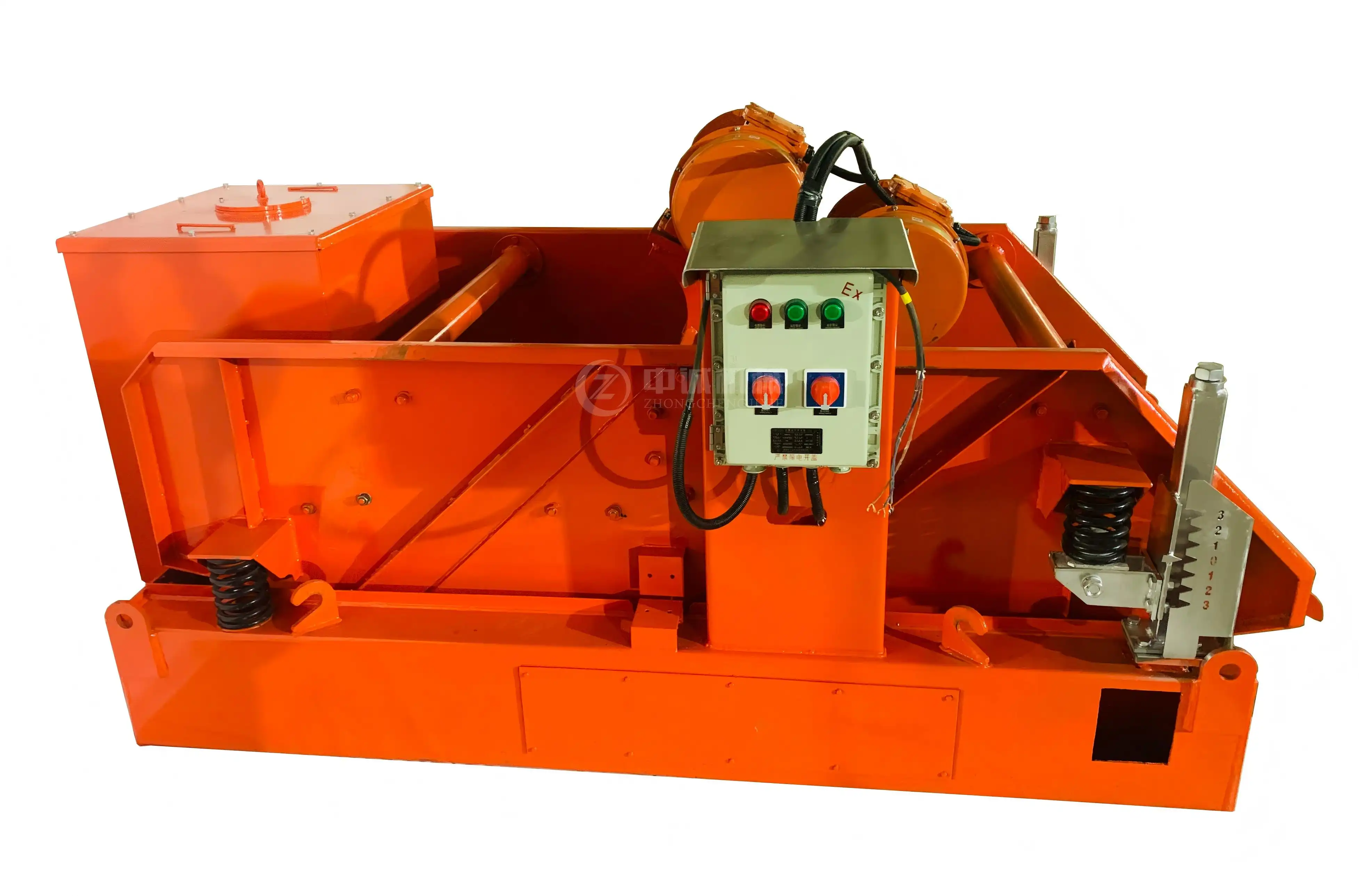
Understanding the Mud Drying Shaker and Its Role in Drilling Fluid Recovery
What Is a Cuttings Drying Screen?
As a second step in controlling solids, a cuttings drying screen processes the discharge from primary shale shakers. It shakes wet drill bits at a high frequency, which pushes the liquid phase away from the solids. The fluid that was recovered goes straight back into the active mud system. This makes the equipment an important link between the first stage of separation and the next stage of waste treatment, like heat desorption or stability units.
Key Operating Components
The method uses two motors to make a sound path that is either straight or curved. The screen deck has a wedge-locking system that makes replacing panels quick—often in just a few minutes. A Variable Frequency Drive (VFD) lets you change the frequency and strength of the vibrations and G-forces in real time. These parts work together to let the user react to changes in the cuttings volume and mud thickness without having to stop the machine.
Integration Into the Mud Circulation System
This piece of gear is placed between the main shale shaker output and the trash skip or cuttings dryer. It is where most of the fluid from oil-based mud (OBM) or synthetic-based mud (SBM) activities is recycled. The recovered liquid goes back to the mud pits, while the solids that are drier continue to be handled further downstream. A key part of Zero Discharge drilling equipment is this closed-loop coupling.
How Mud Drying Shakers Improve Drilling Fluid Recovery: A Performance Optimization Perspective
Overcoming High Liquid Loss in Cuttings
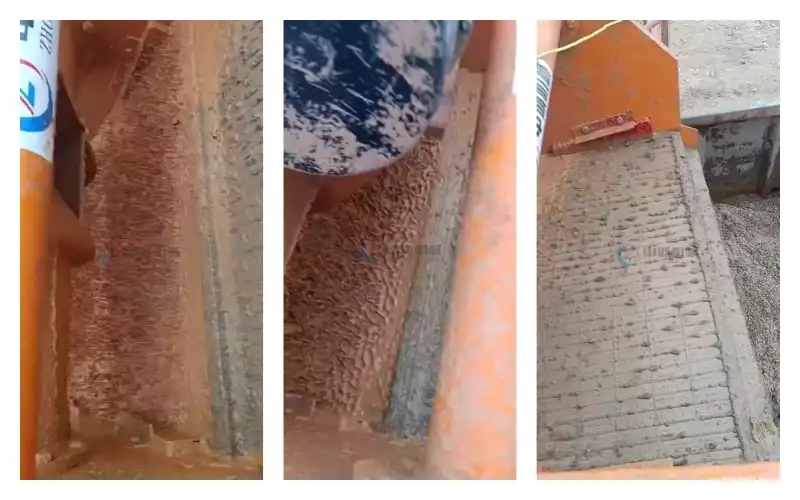
The cuttings that come out of primary shale shakers usually have 10–25% liquid by weight. When base oil costs more than $150 per barrel for OBM operations, this means that each well loses a lot of money. In many field situations, a high-G drying screen lowers the amount of Oil on Cuttings (OOC) to less than 10%. This recovers fluid that would have been thrown away as dirty trash otherwise.
VFD Control and Screen Selection
For the best separation results, make sure that the screen mesh size is right for the way the particles are spread out in the cuts. Most of the time, operators put API 20–60 mesh panels on drying screens. If screen blinding happens, which happens a lot with high-viscosity muds, moving to pyramid-profile or high-conductance screens fixes the issue without slowing down output. The VFD control lets you set the G-force anywhere from 6.0G to 8.2G, and it changes based on the feed uniformity in real time.
Field Evidence of Performance Gains
Field data from offshore shale gas operations shows that putting a Mud Drying Shaker cuttings drying screen upstream of a vertical cutting dryer cut the amount of waste by 35–40% per well and recovered enough base fluid within three to five wells to cover the cost of the equipment. Because the recovered mud keeps its rheological and chemical makeup, engineers don't have to fix the active system again and again to get the mud's weight and viscosity back to normal.
Comparing Mud Drying Shakers with Alternative Solids Control Equipment
Shale Shaker vs. Cuttings Drying Screen
A main shale shaker can separate large amounts of material at high flow rates, but it's not made to get the most fluid out of the solid phase. Most of the time, its G-force is between 4G and 7G. When it works at up to 8.2G, a drying screen leaves much less moisture behind. Teams in charge of buying things should see these as complementary units instead of options. The drying screen only processes the shaker's reject stream, not the whole mud flow.
Centrifuge vs. High-G Drying Screen
Decanter centrifuges are very good at recovering barite because they focus on ultra-fine solids in the liquid phase. They don't handle the stream of bulk solids (cuttings). One of the best ways to cut down on OOC and WOC is to use a cuttings drying screen, which directly handles the solid stream. Both technologies work at different stages of the same system to fully control solids.
Where Drying Screens Outperform Mud Cleaners?
A hydrocyclone bank and a fine-mesh shaker work together in mud cleaners to get barite back while getting rid of fine solids. They work well in mud systems that are based on weighted water. Because it can handle the cuttings output volume and the needed dewatering depth that mud cleaners can't, a drying screen is the better choice for OBM and SBM uses.
A Comprehensive Guide to Procuring Mud Drying Shakers for B2B Clients
Selection Criteria That Matter Most
There are three performance metrics that determine the value of a cuttings drying screen: G-force range (up to 8.2G for demanding applications), screen change time (wedge-lock systems allow replacement in less than 5 minutes), and processing capacity matched to the daily cuttings output of the rig. Also, buyers should check the unit's motion type. Elliptical motion works best for lighter, less viscous feeds, while linear motion is better for more stable solids transport.
Here are the main benefits to look at when evaluating a procurement:
- G-Force Range: Units working at ≤8.2G can handle sticky OBM shavings that lower-G machines can't handle at a good moisture level.
- VFD Compatibility: Real-time frequency adjustment keeps the screen from going blank and adjusts to changes in the feed across different types of formations.
- Wedge-Lock Screen System: Screens change in minutes, which cuts down on planned repair windows and unexpected downtime by a large amount.
- Certified Compliance: It has been approved by ISO 9001/14001/45001, HSE, TÜV, and BV, which means it meets quality and safety standards for foreign projects.
These benefits directly meet the needs of drilling engineers and operations managers who need to buy reliable tools that can be used in a variety of well campaigns.
Customization and Delivery Considerations
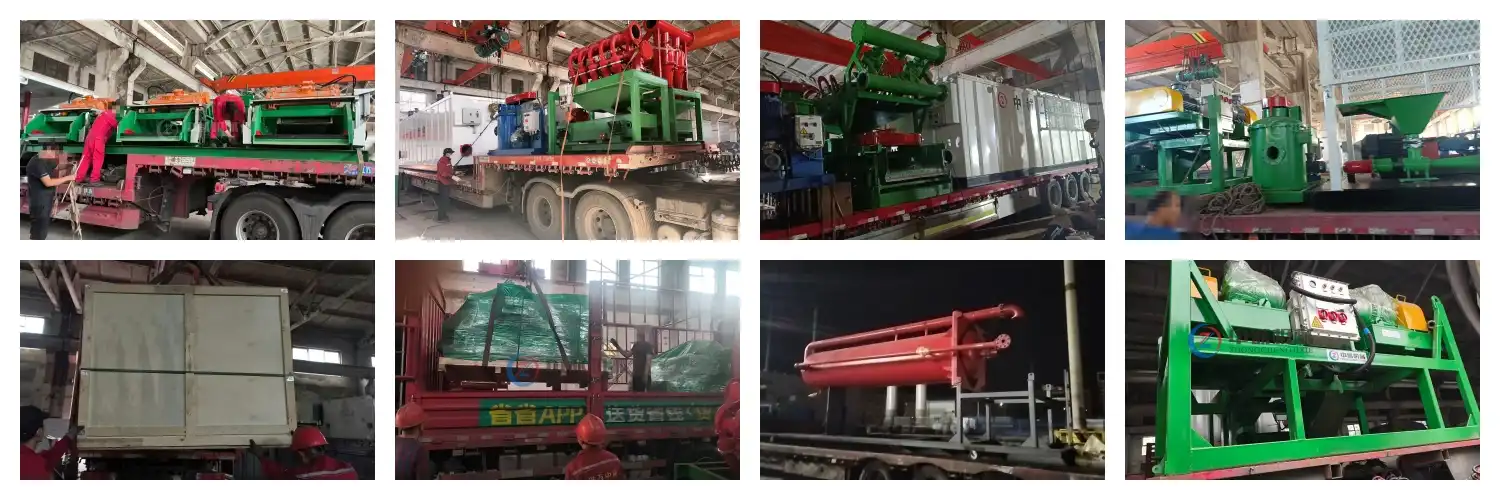
ZJ-series rigs can be set up in standard ways for many projects, but projects with limited room or power sources that aren't standard need custom solutions. A direct manufacturer with engineering skills can change the size of the deck, the motor specs, and the mounting arrangements for a Mud Drying Shaker without making lead times too long. In-stock items are shipped within three days, and custom orders usually arrive within fifteen days.
Total Cost of Ownership
The price you pay for something is only one part of the cost equation. The total operating cost is based on how much fluid is used on the screen, how often the motor bearings need to be serviced, and how much the recovered fluid is worth. If you can get back 90% of the OBM fluid from cuttings on a 60-day well, the unit will pay for itself many times over during a drilling run.
Troubleshooting and Maintenance Best Practices to Maximize Drying Screen Efficiency
Identifying Common Performance Issues
There are three main reasons why drying doesn't work well: the screen mesh isn't right for the type of mud, the G-force isn't high enough to break the fluid-solid surface tension, or the feed volume is too high for the screen to handle. Cuttings building up at the feed end usually means there is a problem with the feed angle or volume, not with the machine itself.
Routine Maintenance Schedule
The most important regular repair job is to grease the bearings. It is standard practice in the industry to grease vibration motor bearings again after 2,000 hours of use. Every 500 hours, spring isolators should be checked for stress cracks. Every week, you need to check the screen seals and wedge-lock tensioners to make sure that fine solids don't get through and contaminate the restored fluid stream.
When to Call Technical Support?
Unusual vibration patterns, like uneven deck motion or steady changes in G-force, mean that the motor exciter is out of balance or the spring has failed. You shouldn't fix these problems in the field without first asking the factory for help. Using thermal imaging during routine inspections can help find overheating bearings before they cause the deck to fail.
Conclusion
A Mud Drying Shaker cuttings drying screen is not an extra that you can choose not to use. It is an important piece of solids control equipment that has a direct, measurable effect on the return of drilling fluid. It lowers per-well operating costs and helps with environmental compliance by lowering OOC levels, returning recovered fluid to the active mud system, and reducing the amount of waste that needs to be disposed of. When procurement teams are looking at ZJ-series rig configurations or planning multi-well programs, adding a high-G drying screen to the solids control train gives a return that makes the investment worthwhile for almost all types of drilling programs.
FAQ
What moisture reduction can a drying screen realistically achieve?
Professional units, based on the type of mud and the nature of the feed, dry the cuts to 10–15% by weight while they are out in the field. The lowest surface tension of the stream usually leads to the biggest drop in OBM activities.
How often should screens be replaced?
The screen life depends on the G-force settings and how rough the formation is. Composite-frame panels that meet API RP 13C standards usually last 20–30% longer than steel-frame panels. It is suggested that the screen tension and seal integrity be checked visually once a week.
Can the G-force be adjusted while the unit is running?
Yes, units with VFD control let you change the level of shaking in real time. In the middle of a well, when the formation type changes, cuttings of different sizes are spread out differently, and mud loads are changed as well.
Does a cuttings drying screen work with water-based mud?
Yes. Due to the lower cost of base fluids, OBM and SBM processes have the highest fluid return value. However, drying screens also lower WOC levels in water-based mud systems, which helps with environmental discharge compliance.
What certifications should I require from a supplier?
Ask for HSE paperwork, ISO 9001 quality management, and ISO 14001 environmental management at the very least. BV and TÜV certification adds to the peace of mind that comes with offshore or export projects when it comes to safety and structural compliance.
Get Your Cuttings Drying Screen Solution from ZHONGCHENGJIXIE
ZHONGCHENGJIXIE makes high-performance Mud Drying Shaker equipment that is designed to meet the needs of real drilling projects. As a straight maker of Mud Drying Shakers with ISO 9001/14001/45001, TÜV, BV, and HSE certifications, we can make any changes you want, ship in-stock items within three days, and give you all the technical information you need. Get in touch with our team right away to get a list of our products, technical details, or a custom price. You can email us at oliver@zcgukong.com or go to zcsolidscontrol.com.
References
1. Caenn, R., Darley, H. C. H., & Gray, G. R. — Composition and Properties of Drilling and Completion Fluids, 7th ed., Gulf Professional Publishing, 2017.
2. American Petroleum Institute — API RP 13C: Recommended Practice on Drilling Fluids Processing Systems Evaluation, 4th ed., API, 2010.
3. Society of Petroleum Engineers — SPE 128149: Advances in Drilling Waste Management and Fluid Recovery Technologies, SPE, 2010.
4. Drilling Engineering Association — DEA-13: Disposal of Drilling Wastes, Final Report, 1993.
5. World Oil — "High-G Shaker Technology and Cuttings Drying Performance in OBM Operations", World Oil Magazine, 2019.
6. Journal of Petroleum Technology — "Solids Control Equipment Performance in Synthetic-Based Mud Systems", JPT, SPE, 2015.