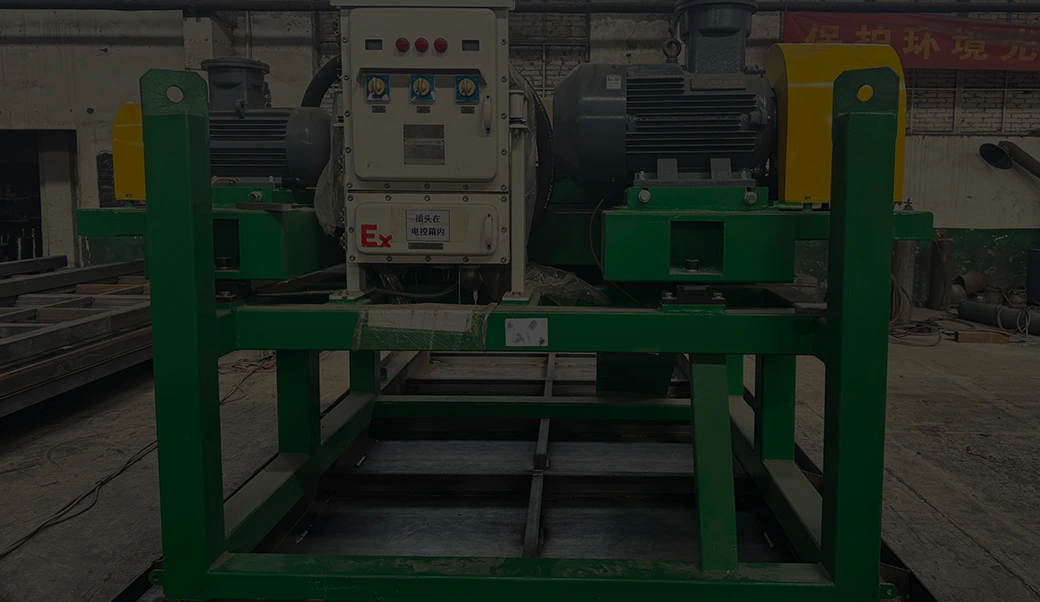
When drilling teams deal with wet cuttings piling up at the shaker discharge point, the cost impact becomes immediate — wasted drilling fluid, rising disposal fees, and environmental violations. A Mud Drying Shaker addresses all three problems at once. Positioned as secondary solids control equipment, it processes the discharge from primary shale shakers using high-G linear vibration to strip residual liquid from drill cuttings. Whether your operation runs offshore in the Gulf of Mexico or onshore across the Permian Basin, this equipment significantly reduces Oil on Cuttings (OOC) levels and recovers base fluid that would otherwise be lost.
Understanding Mud Drying Shakers in Drilling Operations
What It Is and How It Works
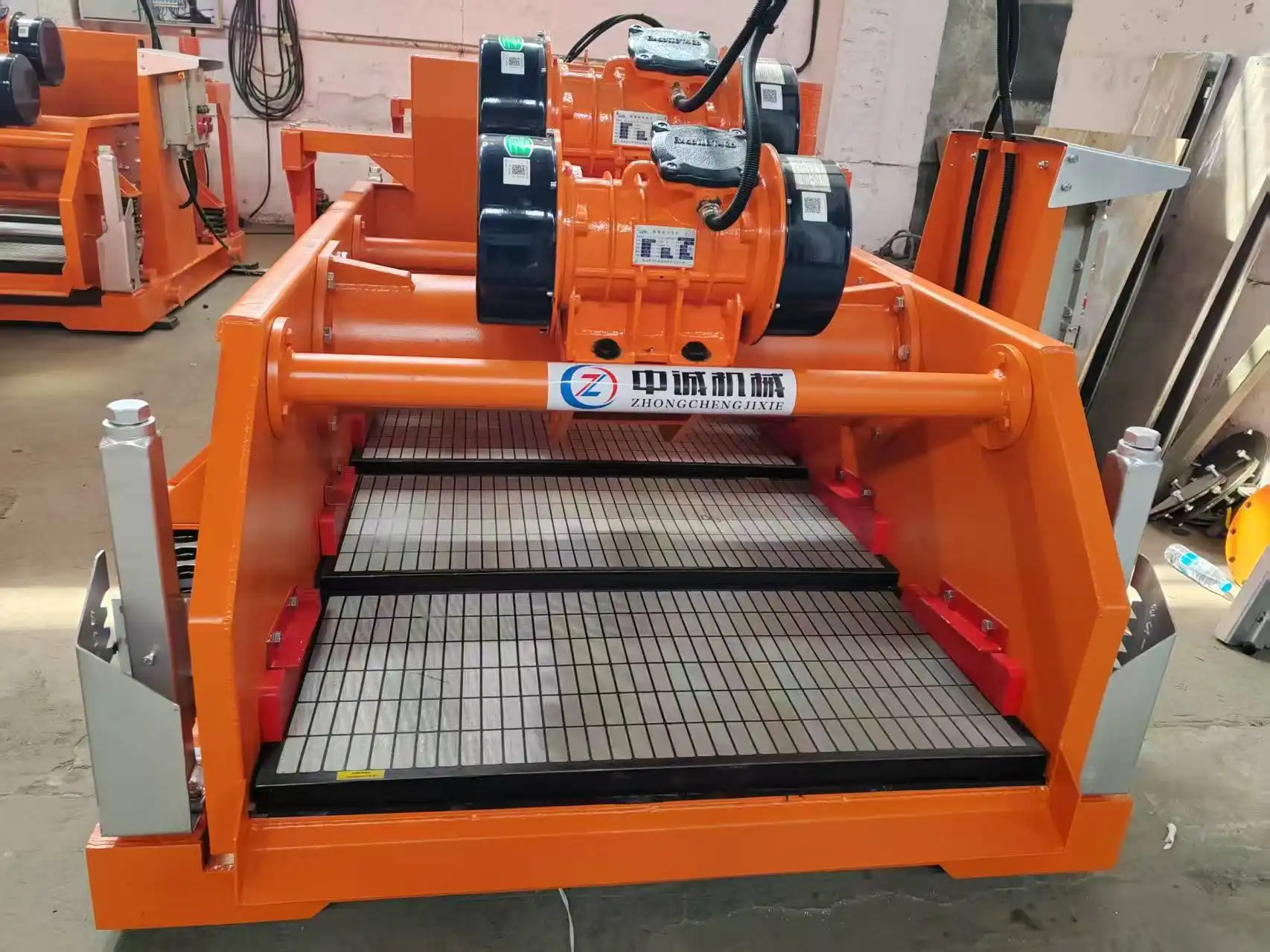
When wet drill cuttings move across a fine mesh screen deck in a cuttings drying shaker, they are vibrated at high frequencies, usually up to 8.2G, in a straight or circular pattern. The shaking breaks the surface tension between the liquid and solid particles, pushing the liquid down through the screen while the dry solids fall off the end. The physical process is simple, and the results can be measured: in most field conditions, the cuttings' moisture content drops to about 10–15% by weight.
Offshore vs. Land-Based Design Differences
Offshore platforms take up more room and have tougher rules about how they can discharge waste into the environment. The equipment has to be able to handle salt spray, wetness, and constant movement. On the other hand, land-based units have to deal with dust, changes in temperature, and the need to process a lot of data quickly. Both types are designed by ZHONGCHENGJIXIE. For offshore use, they have small areas, while for land uses like shale gas and coalbed methane drilling sites, they have larger decks.
Core Industrial Applications
Cuttings drying screens work best for oil-based mud (OBM) and synthetic-based mud (SBM) operations because they can recover up to 90% or more of the connected fluid and put it back into the active mud system. In addition to oil and gas, these units are used in geothermal research, mining tailings dewatering, building foundation piling, and horizontal directional drilling (HDD) projects. They are used anywhere that lowering the amount of liquid in solid waste means lower costs for shipping and disposal.
Comparing Mud Drying Shakers with Other Solids Control Equipment
Drying Shaker vs. Shale Shaker
At the flow line, a primary shale shaker takes out big solids from the drilling fluid in real time. It's not meant to reduce the amount of liquid in the cuttings that are released; that job is for other equipment. A specialized drying shaker has a lot more G-force than a regular shale shaker, and it targets the fluid that is still stuck to the pieces after the first separation. The two parts don't work against each other; they work in order.
Drying Shaker vs. Vertical Cuttings Dryer
It is better to get very low OOC values with Mud Drying Shaker units because they use centrifugal force, but they are more expensive to buy, use more energy, and need more complicated maintenance. A linear vibrating drying shaker is a cheaper way to get started, and the screens are easier to change (a wedge-locking system can do it in minutes), which makes it a good first-choice backup unit for many medium-sized drilling projects.
Linear Motion vs. Elliptical Motion Models
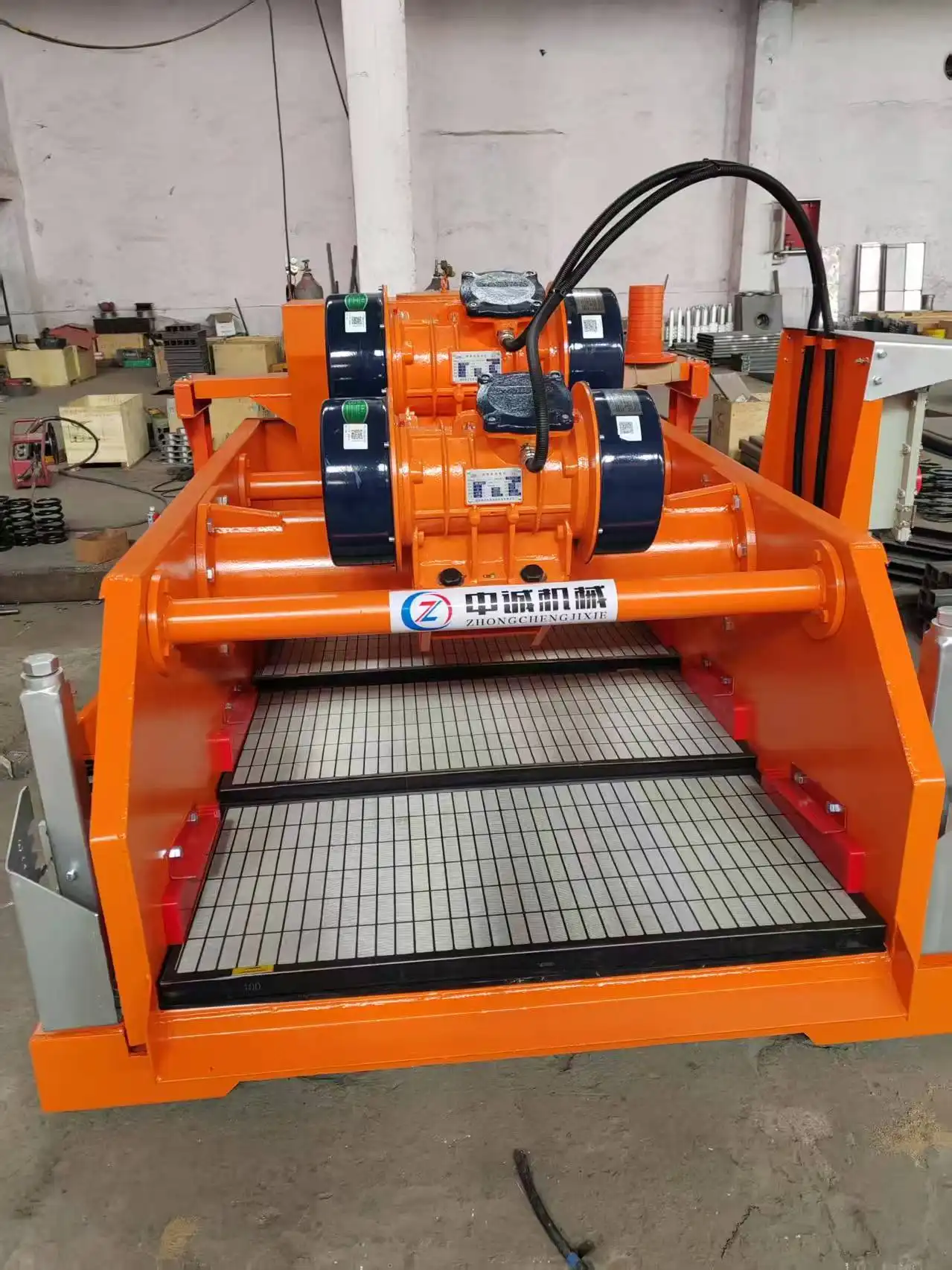
Linear motion models use two motors that rotate counterclockwise to make a straight-line vibration path that moves cuttings across the deck at a steady speed. Elliptical motion models change the path of the vibrations to deal with different mud densities and weights. ZHONGCHENGJIXIE has both options available. Variable Frequency Drive (VFD) control on both types lets workers change the level of vibration in real time to adapt to changes in the amount of cuts and the properties of the mud without having to stop the unit.
How to Optimize Drying Shaker Performance in Drilling Operations?
Match Screen Mesh to Mud Type
The choice of screen directly affects how well it dries. Using API RP 13C-compliant composite screens instead of metal-frame screens increases service life by 20–30% and lowers the amount of fine solids that get through. If you have heavy OBM with a high viscosity, choosing pyramid or high-conductance screen panels can help stop blindness. This happens when the mesh size is too small compared to the surface tension of the mud.
Monitor and Adjust Operating Parameters
Units with a VFD let you change the G-force and frequency in real time. During stages of high-volume drilling, workers should raise the vibration level to match the volume of cuttings. When cycles are shorter and the mud is thinner, lowering the frequency keeps the screen deck from wearing out too quickly. Keeping track of the weight of the mud, the volume of the cuttings, and the moisture that comes out of the shaker helps drilling engineers make adjustments as the well goes on.
Preventive Maintenance Routines
Every 2,000 hours of use, motor bearings should be oiled. Checking the shock-absorbing springs on a regular basis keeps the deck from becoming unbalanced, which can hurt the separator's performance. Before every shift, you should check the integrity of the screen seal. Any way to get around the wedge-lock channels stops the drying process completely. Teams that do these checks as part of their daily maintenance schedules for rigs consistently report less unplanned downtime.
Procurement Considerations for Cuttings Drying Equipment
It takes more than just comparing the specs on a data sheet to choose the right Mud Drying Shaker tools. When making the choice, the full operating environment, the type of drilling fluid being used, the required throughput capacity, and the supplier's ability to support the equipment after it has been delivered must all be taken into account.
Here are the most important procurement benchmarks to look at:
- Processing capacity and G-force range: Confirm the unit reaches ≤8.2G and matches the expected cuttings volume from your primary shaker configuration.
- Motion type compatibility: Linear motion suits standard OBM/SBM applications; elliptical motion offers flexibility for varying fluid densities.
- Screen replacement speed: Wedge-locking systems reduce screen change time to minutes, directly limiting rig downtime.
- VFD availability: Real-time vibration adjustment extends the unit's effective range across different drilling phases and mud programs.
- Certifications: ISO 9001, ISO 14001, ISO 45001, HSE, TÜV, and BV certification confirm the equipment meets international quality and environmental standards.
- After-sales support: Confirm spare parts availability, delivery lead times, and access to technical documentation, including engineering drawings and operation manuals.
These things affect not only the initial purchase price but also the total cost of ownership over the equipment's useful life. ZHONGCHENGJIXIE has both stocked units that can be shipped in three days and customized configurations that can be made in fifteen days. This gives procurement teams the freedom to choose when to buy things for projects.
Real-World Performance: What Field Results Show
Offshore Mud Recovery Results
Putting a second drying shaker between the main shale shaker and the waste skip on offshore platforms that use synthetic-based mud programs has consistently shown fluid recovery rates above 90% for SBM content. This directly lowers the amount of liquid that needs to be bought as makeup mud. Even small improvements in recovery can save tens of thousands of dollars per well in active deepwater wells where SBM costs can be more than $200 per barrel.
Land-Based Shale Gas Applications
In shale gas drilling in the Sichuan Basin and similar high-volume onshore environments, drying shakers operating on high-G linear motion settings have reduced cuttings moisture content from approximately 25–30% (post-primary shaker) down to 12–15%. This makes cuttings shovelable and transport-compliant, reducing skip weight and associated transport costs per load.
HDD and Foundation Engineering Use Cases
Horizontal directional drilling contractors working in environmentally sensitive urban corridors use closed-loop mud systems where a drying shaker is a mandatory component. Producing near-dry cuttings with low WOC (Water on Cuttings) values allows contractors to meet local disposal permits and avoid costly off-site liquid waste management.
Conclusion
A Mud Drying Shaker is not optional equipment for operations running OBM or SBM — it is a cost-recovery asset. Whether you run an offshore platform or a land-based drilling program, this equipment protects your mud investment, lowers waste dumping costs, and keeps your operation within environmental compliance limits. With G-forces up to 8.2G, VFD control, fast screen replacement, and certification to ISO and HSE standards, ZHONGCHENGJIXIE's drying shaker solutions are built for ongoing field service across demanding drilling settings. Getting the right configuration starts with a conversation about your specific rig and mud program.
FAQ
What moisture level can a drying shaker realistically achieve?
Most field deployments targeting oil-based or synthetic-based mud reduce cuttings moisture to 10–15% by weight. Actual results depend on mud viscosity, feed rate, and screen mesh selection.
How do I prevent screen blinding during high-viscosity mud operations?
Switch to pyramid-profile or high-conductance composite screens. These panel types reduce surface adhesion in heavy mud and extend usable screen life compared to flat wire mesh alternatives.
Can this equipment meet offshore environmental discharge standards?
Yes. Units certified to ISO 14001 and HSE standards support closed-loop zero-discharge configurations, which are required on many offshore platforms in the US Gulf of Mexico and North Sea.
How often do motors need maintenance?
Bearing lubrication every 2,000 operating hours and spring integrity checks during each maintenance cycle are standard requirements to maintain consistent G-force output and prevent structural fatigue.
Does ZHONGCHENGJIXIE offer custom configurations?
Yes. Custom deck sizes, motor options, and system integration packages are available for specific rig types, including ZJ30 through ZJ90 configurations, with 15-day production lead times for non-stocked units.
Partner with ZHONGCHENGJIXIE for Your Next Mud Drying Shaker Purchase
ZHONGCHENGJIXIE makes high-performance Mud Drying Shaker equipment certified to ISO 9001/14001/45001, TÜV, BV, and HSE standards, with over 30 proprietary patents and direct factory pricing. As a trusted Mud Drying Shaker supplier, we ship stocked units within 3 days and deliver special orders within 15 days. Contact our expert team for project-specific advice and a quote: oliver@zcgukong.com | zcsolidscontrol.com
References
1. SPE Drilling & Completion Journal — Society of Petroleum Engineers, 2021
2. Drilling Contractor Magazine — International Association of Drilling Contractors (IADC), 2022
3. API Recommended Practice 13C: Drilling Fluids Processing Equipment — American Petroleum Institute, 2019
4. Journal of Petroleum Technology — Society of Petroleum Engineers, 2020
5. Offshore Magazine: Solids Control and Waste Management Systems — PennWell Corporation, 2021
6. World Oil: Drilling Waste Management and Environmental Compliance — Gulf Publishing Company, 2023