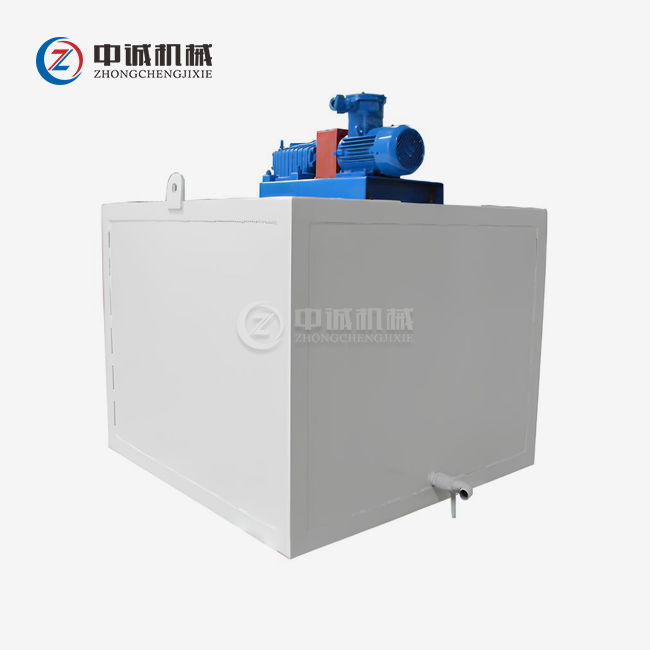
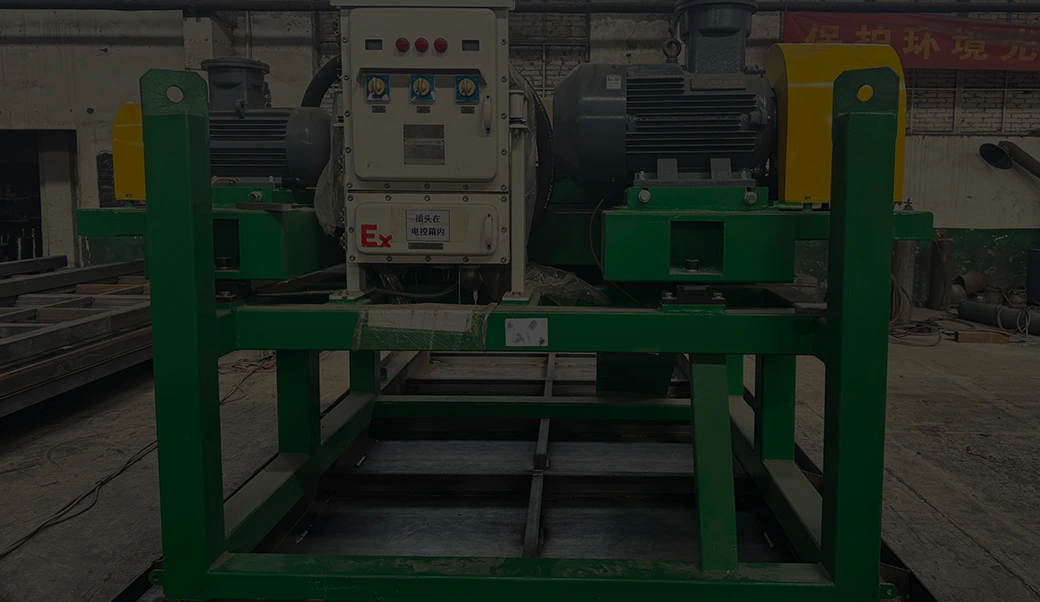
In oilfield operations, managing gas-cut drilling fluid is critical to maintaining safe and efficient workflows. A Vacuum Degasser serves as a frontline defense against the dangers of entrained gases like methane, CO2, and hydrogen sulfide, which compromise mud density, impair equipment function, and threaten wellbore stability. By leveraging vacuum technology to rapidly expand and expel gas bubbles, this specialized equipment restores the rheological properties of drilling fluid and protects downstream machinery from cavitation. Understanding proper maintenance and diagnostic protocols transforms this device from a reactive solution into a proactive asset, ensuring uninterrupted operations and reducing costly downtime across oil and gas, geothermal, and foundation drilling sectors.
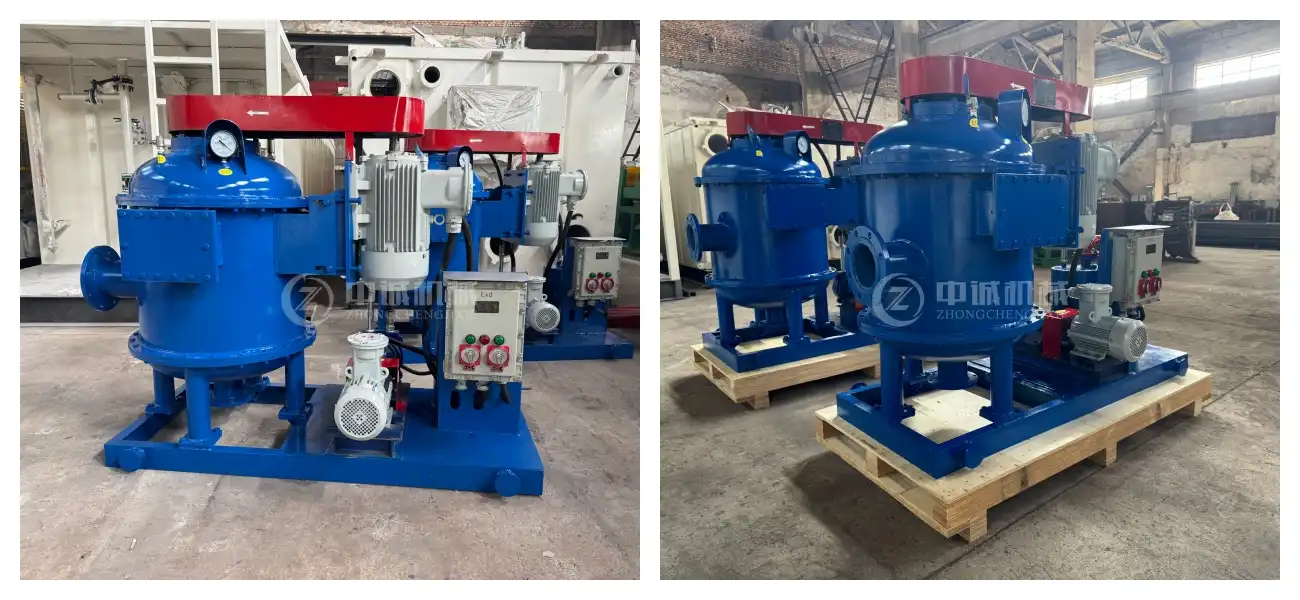
Understanding the Role of Degassing Equipment in Drilling Operations
Why Gas Removal Matters in Industrial Drilling
Formation gases often mix with drilling fluid during operations, forming what the industry calls "gas-cut mud." This makes the fluid less dense, makes pumps less effective, and raises the risk of blowout. When entrained gases aren't dealt with, they grow as the pressure drops near the top. This makes the wellbore unstable and creates dangerous conditions. Gas separation equipment that works well solves this problem by creating a controlled low-pressure environment that helps gases escape quickly before the fluid goes back to the circulation tanks.
How Vacuum-Based Gas Separation Works
The main idea behind it is that negative pressure can be created inside a sealed chamber. Boyle's Law says that when gas-cut drilling fluid enters the unit, the pressure drops to between -0.02 MPa and -0.04 MPa. This makes the dissolved gases expand. A high-speed rotor or spinning spray device in the system spreads the fluid out in a thin film over a large internal surface area. This lets the most gas escape. The extracted gases are then let out through a special vent system, and the cleaned fluid comes out through a discharge port to be added back into the mud drainage system. This ongoing process makes sure that drilling fluids keep the qualities they were made for throughout activities.
Key Applications Across Drilling Sectors
There are many dangerous places where gas removal systems are necessary. They keep dangerous gas kicks from getting to active mud tanks during oil and gas exploration, especially when the well is deep and the pressure is high. These systems are needed for shale gas and coalbed methane projects to deal with volatile formation gases that could be dangerous to workers. Consistent control of fluid density in high-temperature situations is helpful for geothermal drilling activities. These units are used in foundation engineering, horizontal directional drilling, and other projects to remove air from bentonite slurries. This makes sure that the right amount of mud is used and that the boring machine works at its best.
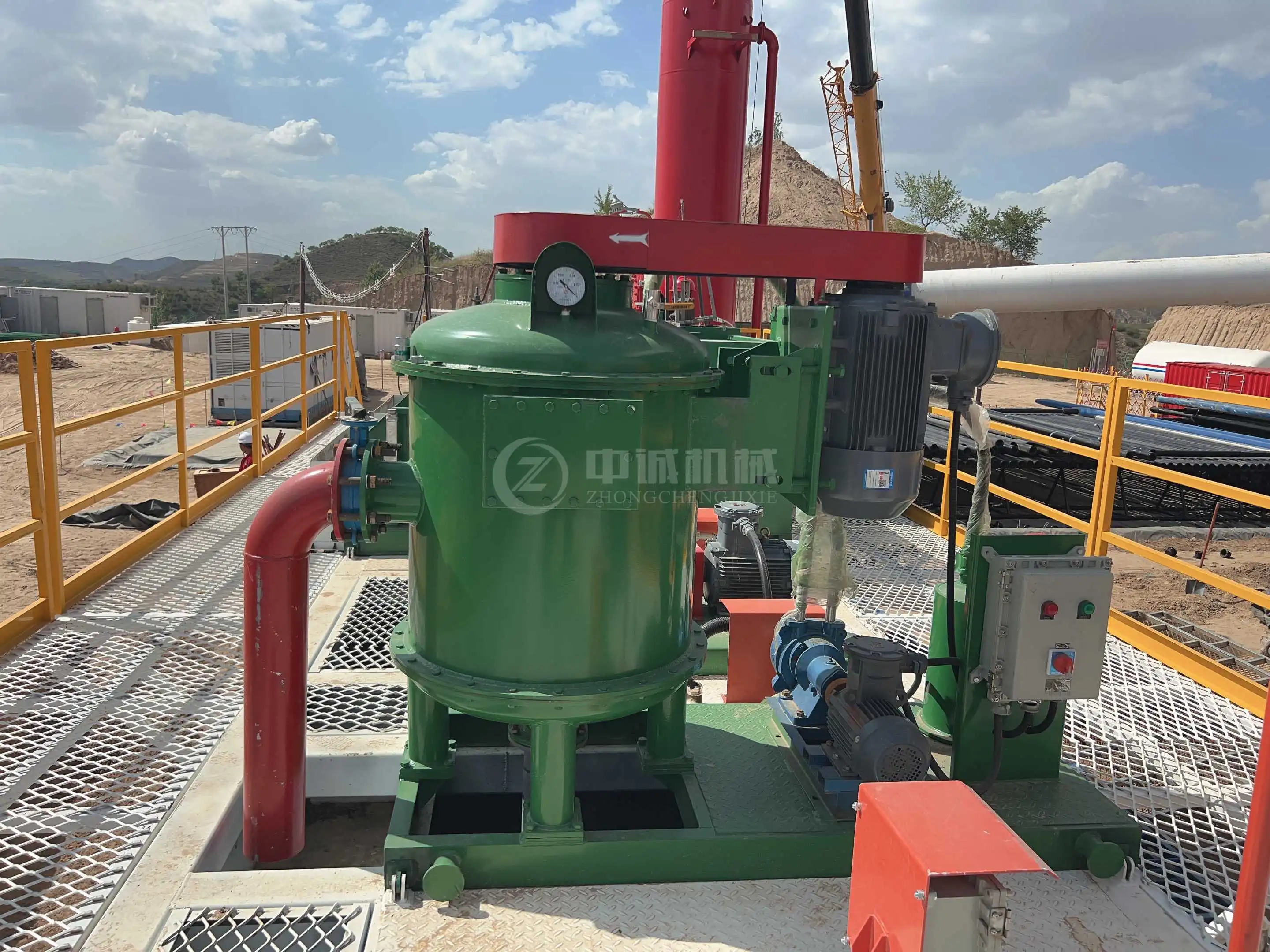
Essential Maintenance Practices to Extend Equipment Lifespan
Routine Inspection Protocol
Regular check schedules are the basis for making sure that equipment works properly. Every day, operators should visually check the vacuum pump seal water supply to make sure that the flow rates are still good and the water is still clean to keep the impeller from rusting. As part of weekly checks, calibrated gauges should be used to check the vacuum level and make sure the unit stays within its designated negative pressure range. At least once a month, structural parts must be inspected. This includes checking the internal coatings for rust, the rotor balance for problems with shaking, and the seals and gaskets for wear. By keeping track of these checks, you can see how things are going and spot problems before they get worse.
Preventive Maintenance Schedules
Unexpected breakdowns happen much less often when structured preventive maintenance is used for a Vacuum Degasser. Technicians should check and clean the inside of the Vacuum Degasser vacuum chamber every 500 hours to remove solids or scale that may build up and reduce separation efficiency. At regular intervals, the vacuum pump of the Vacuum Degasser needs to have its seal water filters changed, its impeller clearances checked, and its electrical connections to the motor inspected. More thorough maintenance of the Vacuum Degasser is needed every 2,000 hours. This includes greasing the bearings, replacing or tightening the drive belt, and testing the pressure relief valves. When combined with detailed maintenance logs, these planned interventions for the Vacuum Degasser support predictive maintenance practices that improve equipment availability, extend service life, and reduce the risk of unexpected downtime.
When these routine tasks are done, operations usually notice a difference in the consistency of the degassing ratio and fewer emergency repairs. Maintenance teams say that structured protocols cut down on unexpected downtime by about 60% compared to reactive repair methods. This has a direct effect on metrics for drilling efficiency.
Common Wear Components and Replacement Cycles
Some parts wear out in expected ways and need to be replaced at regular intervals. Depending on how dirty the fluid is and the quality of the seal water, vacuum pump seals usually need to be replaced every 3,000 to 5,000 hours of use. In centrifugal systems, rotor bearings usually hit their service limits between 8,000 and 10,000 hours. Vibration research can tell you when they are starting to break down early. Check valves and discharge valves should be checked every three months and changed if the seating areas show signs of wear or leakage. Keeping enough spare parts on hand, like replacement seals, bearings, and small electrical parts, cuts down on repair times and helps businesses keep their promises to keep running.
Diagnostic Strategies for Early Problem Detection
Identifying Performance Degradation Symptoms
By spotting early warning signs, you can keep small problems from turning into big failures. When the gauge readings start to creep closer to atmospheric pressure, the vacuum level is dropping. This usually means that air is leaking through the chamber seals or the pump isn't working as well as it should. Strange noise patterns, like grinding sounds from bearings or cavitation noises from the vacuum pump, are signs of mechanical issues that need to be fixed right away. Looking at the discharge fluid visually can help with diagnosis: continuous foaming or bubbles in the treated mud could mean that the pressure levels aren't high enough or that the retention time isn't long enough. When operators keep an eye on these indicators, they can plan maintenance for planned downtime so that they don't have to deal with equipment breakdowns that come up out of the blue.
Root Cause Analysis for Common Failures
When performance problems happen, systematic troubleshooting makes them go away faster. The most common problem is vacuum leaks, which are usually caused by worn-out seals, loose bolts on access panels, or broken weld seams in older units. During testing, parts of the vacuum system are separated, and pressure hold tests are done to find leaks. Priming problems with pumps are usually caused by not enough fluid head at the intake or air getting into the suction lines. These problems can be fixed by changing the tank levels or fixing the connections between the lines. When processing capacity is lower, it's usually because the internal spray system is partially clogged or the rotor is fouled. This can be fixed by using chemical cleaning methods or mechanical descaling.
Modern Diagnostic Technology Integration
Traditional ways of maintaining things are changed by modern tracking systems. Vibration sensors on moving parts give constant information on the state of the bearings and the balance of the rotor, which lets maintenance choices be based on condition. Vacuum pressure transmitters that can log data can see how performance changes over time, showing slow decline before it affects the quality of the mud treatment. Some managers connect these sensors to SCADA systems so they can be monitored from afar and get automatic alerts when factors change too much. These technologies are especially helpful for offshore platforms and remote drilling sites that don't have easy access to technical support right away. They give operations teams early warnings and detailed diagnostic information that helps them decide what maintenance to do first.
Selecting the Right Equipment for Your Operational Needs
Performance Specifications That Matter
To choose the right degassing equipment, you need to match its technical capabilities with its operational needs. The processing capacity, which is usually given in cubic meters per hour, needs to be higher than the maximum mud circulation rate by a sufficient amount to allow for peak conditions. For example, the ZC series Vacuum Degasser can handle up to 360 m³/h, which makes it suitable for rigs ranging in size from ZJ30 to ZJ90. When the degassing efficiency rate is above 95%, it means that the gas is removed effectively, even when the fluid has different amounts of gas content and viscosity. Considering rig placement and transportation logistics based on size and weight is important. This is why compact, integrated designs are useful for operations that don't have a lot of room or move the rig around a lot.
Integration Compatibility Considerations
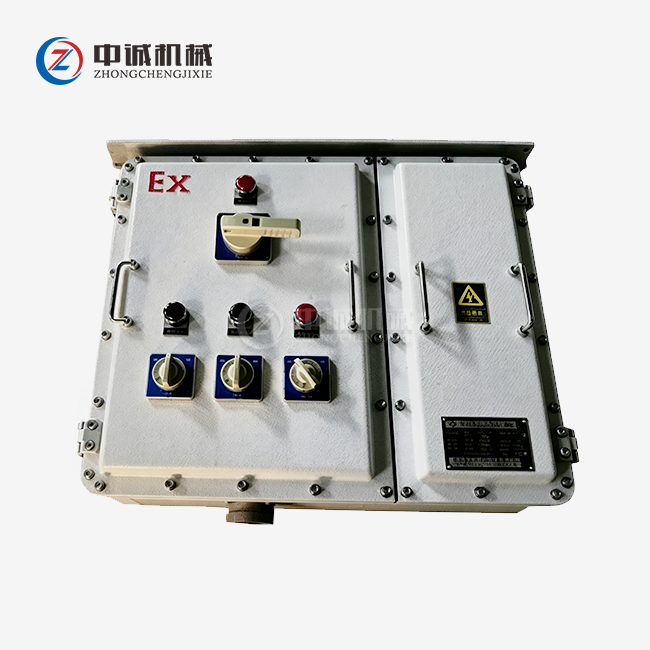
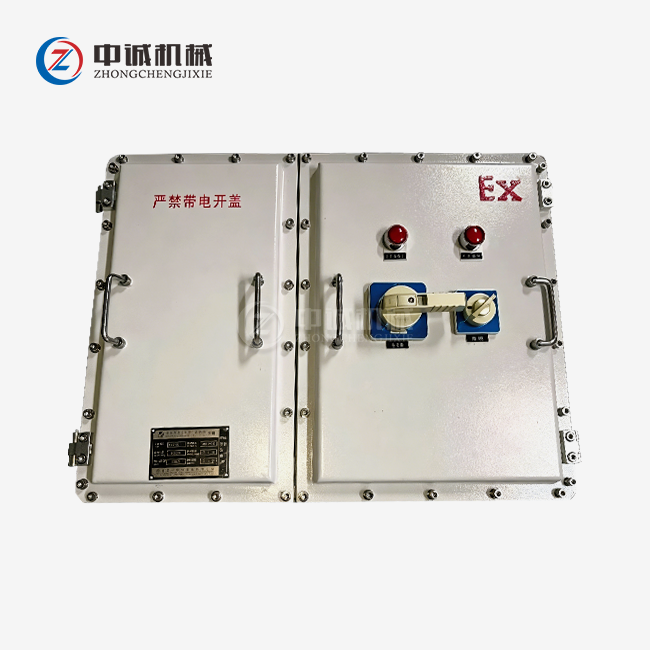
System interaction needs should be taken into account when choosing tools. The unit needs to fit perfectly with existing mud circulation tanks so that the inlet and exit ports are at the right heights to keep the flow going smoothly without the need for extra pumps. Electrical requirements, such as voltage, frequency, and motor housing limits, must match the power systems that are already on the rig, and explosion-proof certifications must meet local safety standards. Upstream and downstream equipment, such as shale shakers, desanders, and desilters, should work well with processing capacity. This will make sure that mud handling is balanced and doesn't cause problems. Compatibility checks done during the purchase phase keep changes that cost a lot of money and installation delays to a minimum.
Optimizing Performance Through Operational Best Practices
Operator Training and Competency Development
Well-trained workers get the most out of tools and help equipment last longer. In-depth training programs for a Vacuum Degasser should cover operating principles, standard startup and shutdown procedures, and parameter optimization for different drilling conditions. Operators need to know how to identify abnormal performance indicators on a Vacuum Degasser and take corrective action before problems become more serious. By understanding the relationship between vacuum level, holding time, and degassing efficiency, operators can adjust Vacuum Degasser settings for different mud weights and gas content levels. Safety procedures should also be included in Vacuum Degasser training, especially when handling hazardous gases such as hydrogen sulfide that may be removed from drilling fluids. Companies that invest in proper Vacuum Degasser operator training can achieve better equipment utilization, more consistent degassing performance, and fewer maintenance problems. Regular training also helps operators use the Vacuum Degasser safely and efficiently under changing field conditions.
Process Parameter Optimization
Fine-tuning practical factors makes both the treatment work better and use less energy. Keeping pressure levels just right—neither too high nor too low—balances the degassing process with the amount of energy used by the pump and the rate of seal wear. By controlling the flow rate, operators can change the fluid retention time to match the actual gas content. This way, they don't have to process fluid that has already been treated more than it needs to be. Keeping an eye on the temperature and flow rate of the seal water keeps it from getting too hot and cuts down on the amount of water used. Calibration of monitoring instruments on a regular basis makes sure that operators make decisions based on correct data. These optimization practices, which are based on what the maker says and are changed to fit the conditions of the field, lower running costs while keeping treatment quality standards high.
Long-Term Efficiency and Reliability Improvements
To keep operational excellence, you need to keep an eye on how system performance is changing over time. Performance reviews that happen every three months and compare current measures to standard readings find signs of gradual decline that need to be fixed. By looking at maintenance records, you can find patterns in the way parts break, which can help you make preventative maintenance schedules or working methods better. Adding new seals, bearings, or control systems to older units makes them more reliable and extends their service life. Some operations can benefit from adding automated controls and remote monitoring to basic units that are already in use. This improves operational oversight without replacing equipment that works. Over time, these efforts to keep things better add up and lead to measured improvements in supply, efficiency, and total cost of ownership.
Conclusion
Effective maintenance and diagnostic practices can transform a Vacuum Degasser from a simple processing unit into a strategic operational asset. Preventive maintenance plans, regular inspections, and advanced diagnostic tools work together to ensure that a Vacuum Degasser operates reliably under tough drilling conditions. The key to long-term success is choosing the right Vacuum Degasser to fit specific business requirements and working with qualified service providers that can deliver reliable technical support. Proper operator training and continuous process improvement can then maximize the value of this investment by ensuring consistent mud treatment quality and supporting safe, efficient drilling operations. As wells become deeper and operating pressures increase, while corrosive conditions become more challenging, reliable Vacuum Degasser systems will become even more important. Strong maintenance programs and advanced diagnostic technologies can help extend Vacuum Degasser service life, reduce unplanned downtime, and make this equipment an important part of overall operational excellence strategies.
FAQ
How often should vacuum pump seals be replaced?
How often vacuum pump seals need to be replaced depends on how they are used and how dirty the fluid is. If the oilfield is working normally and the water is properly filtered through the seals, they usually need to be replaced every 3,000 to 5,000 hours of use. If an operation uses highly dirty fluids or seal water that isn't of good quality, the seals may not last as long and may need to be replaced as often as every 1,500 to 2,000 hours. Keeping an eye on the temperature of the seal's water release and the steadiness of the vacuum level can show you early signs of seal damage.
What causes declining vacuum levels during operation?
Most of the time, air leaks or inefficient pumps are to blame for a vacuum's performance going downhill. Most of the time, air leaks happen at shaft seals, chamber access panels, or welded seams that are getting worn down. Problem areas are found by using soap solutions or sound devices to find leaks in a planned way. Some reasons that have to do with the pump are old impellers, damaged seals, or not enough water getting to the seals. Blocked vent lines can also make it hard for gas to escape, which creates back pressure that lowers the effective vacuum level.
Can degassing equipment handle high-viscosity drilling fluids?
Modern degassing systems can handle high-viscosity fluids well because they are designed in a way that helps thin films spread out. High-speed centrifugal spray systems make droplets and films that cover as much surface area as possible. This lets gas bubbles escape even from fluids that are thick. As viscosity rises, processing capacity may drop, so workers must change flow rates to account for this. When working with thick muds, it's especially important to keep the vacuum levels right because the difference in pressure causes gases to separate against viscosity resistance.
Partner With Trusted Vacuum Degasser Manufacturers for Your Drilling Operations
Shaanxi Xixian New Area Zhongcheng Machinery Manufacturing Co., Ltd. has been making solid control systems for tough drilling conditions for more than 30 years. With degassing ratios of over 95% and processing capacities of 240 to 360 m³/h, our ZC series Vacuum Degasser has been tested and proven to work well in oil and gas, shale gas, CBM, and geothermal applications. We back up every unit with a full set of certifications, such as ISO 9001/14001/45001, HSE standards, and TÜV and BV approvals. This makes sure that they meet all international quality and safety standards.
In addition to making, we offer full project support, including designing a system that is specifically suited to your drilling conditions, helping you with the installation, bringing the system up to speed, and giving you full technical training. Our small, integrated designs make it easier to transport and connect to rigs. Our one-year warranty and helpful technical support team will also protect your operational investment. We know how important it is for drilling operations to be done quickly, so we structure our processes so that stock units ship within three days and custom configurations are delivered within fifteen days.
If you're a drilling contractor looking for reliable equipment for multiple rigs, an EPC company needing integrated solutions, or a procurement manager looking at Vacuum Degasser suppliers for upcoming projects, we invite you to learn more about how our engineering skills and dedication to service can help you reach your operational goals. You can email us at oliver@zcgukong.com or go to zcsolidscontrol.com to talk about your needs and get full technical specs that are made just for your application.
References
1. Smith, J.R., & Thompson, K.L. (2021). Advanced Solid Control Technology for Modern Drilling Operations. Petroleum Engineering Press.
2. Chen, W., Martinez, R., & Singh, A. (2020). "Vacuum Degassing Systems: Performance Optimization in High-Pressure Drilling Environments." Journal of Petroleum Technology, 72(8), 45-58.
3. International Association of Drilling Contractors. (2022). Drilling Fluid Management Best Practices and Equipment Maintenance Guidelines. IADC Technical Publications.
4. Anderson, P.M. (2019). Predictive Maintenance Strategies for Oilfield Equipment: Reducing Downtime Through Diagnostic Technology. Energy Industry Publishers.
5. Wang, H., & O'Brien, T. (2023). "Comparative Analysis of Gas Separation Technologies in Drilling Fluid Systems." SPE Drilling & Completion Journal, 38(2), 112-127.
6. National Petroleum Equipment Manufacturers Association. (2021). Standards and Specifications for Mud Processing Equipment: Design, Testing, and Quality Assurance. NPEMA Standards Committee Publication.