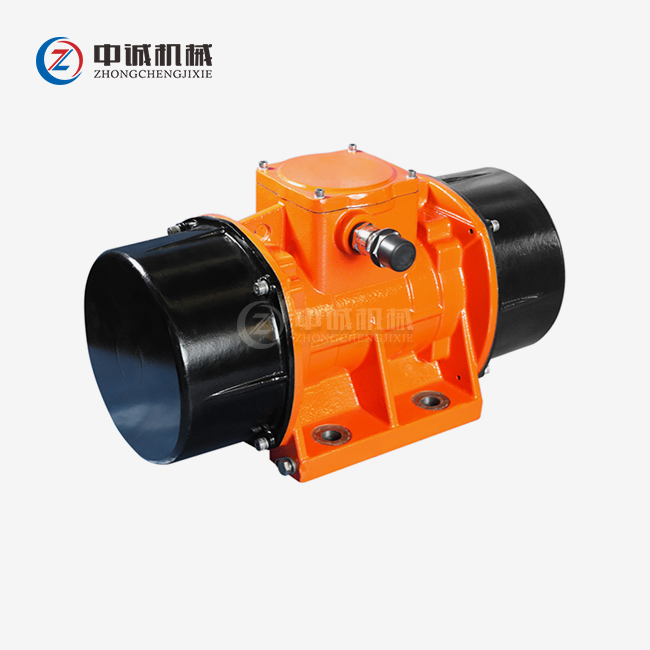
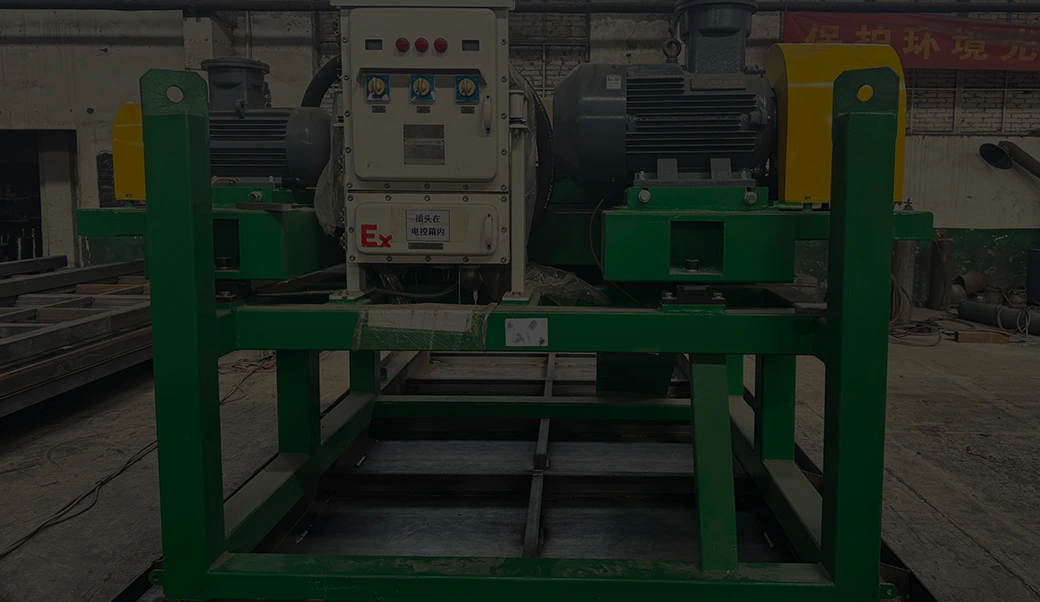
When it comes to optimizing drilling operations, selecting the best solid control equipment can make or break your project outcomes. The ideal shale shaker solution combines advanced vibration technology, robust durability, and operational flexibility to handle harsh oilfield conditions. Our ZC Single Shale Shaker represents cutting-edge engineering designed specifically for onshore and offshore drilling applications, delivering up to 8G vibration intensity and superior solid-liquid separation efficiency. This equipment tackles the core challenge every drilling contractor faces: maintaining optimal mud quality while minimizing downtime and operational costs.
Understanding Shale Shakers and Their Role in Drilling Operations
Managing mud well is an important part of any drilling project, and solid control equipment is the first line of defense in keeping fluid integrity during operations.
The Core Function of Vibrating Screen Technology
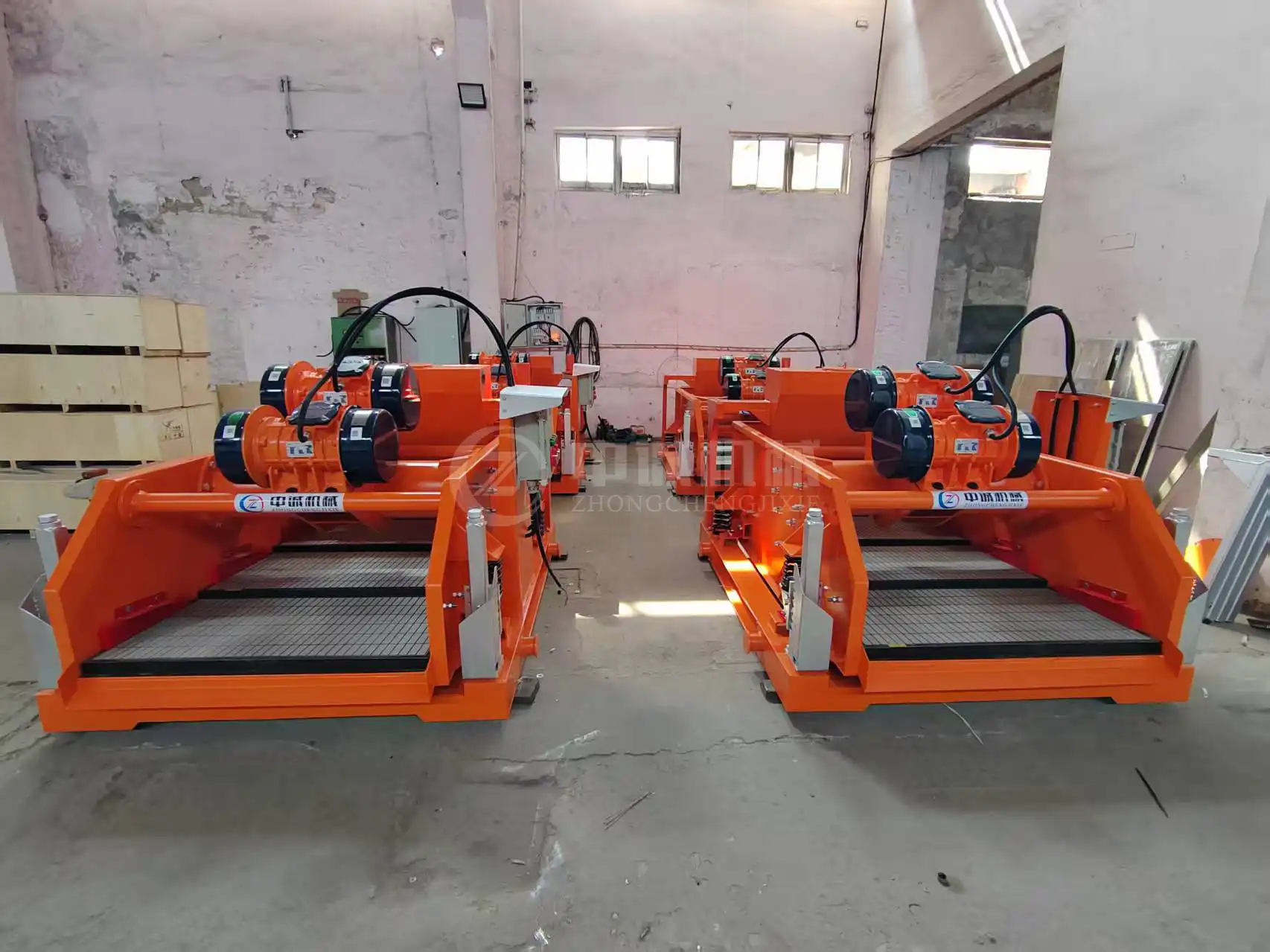
A Shale Shaker is the main defense mechanism in Solids Control Systems. It uses high-frequency vibration motors to move special screen surfaces in a straight line or an elliptical path. The drilling fluid moves quickly over these screens, catching and releasing solid objects like drill bits, sand, and formation debris. The liquid part goes through the mesh and goes back to the mud circulation system. This means that expensive drilling fluids can be used over and over again. This sorting process has a direct effect on the performance of equipment further down the line. It keeps sharp particles from wearing out centrifugal pumps, desanders, and desilters too quickly.
Critical Components Affecting Performance
The mechanical design has several parts that work together to decide how well the split works overall. The configuration of the vibration motor determines how strong it is and how it moves. The screen deck angle, which can be changed from -1° to +5°, affects how long the fluid stays in place and how fast it moves. The structural stability of the shaker basket—often strengthened by heat treatment to get rid of internal stress—ensures stable operation even when heavy loads are applied all the time. The quality of the screen is very important. Screens that are API RP 13C compliant guarantee consistent separation performance and correct D100 cutpoint labeling, which helps users choose the right mesh sizes for the type of mud and formation they are working with.
Operational Benefits for Drilling Efficiency
Putting in place high-performance solid control tools has clear benefits in a number of operational areas. Effective recycling helps drilling companies use less mud, which can cut the cost of buying fluid by 30 to 40 percent on long-term projects. When downstream parts handle properly conditioned mud with controlled solid content, the equipment lasts a lot longer. Environmental compliance is easier to reach when waste is separated properly, which lowers the amount of trash that needs to be thrown away and makes responsible dumping easier. Maintaining the rheology of the mud makes drilling more efficient by avoiding costly problems like pipe getting stuck, holes not being cleaned properly, and slower penetration rates that happen when the fluid properties break down.
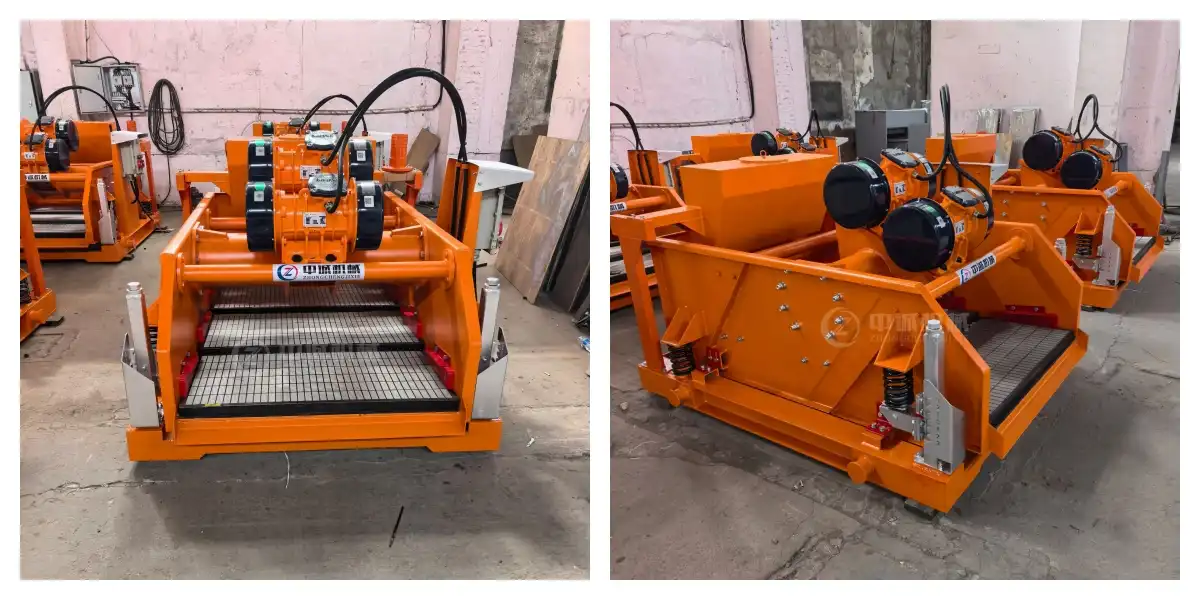
Top Shale Shaker Types and Their Applications in Drilling
Getting to know how equipment is set up helps buying teams match professional skills with the needs of a project and the way it works.
Linear Motion vs. Elliptical Motion Systems
Linear motion shakers make a steady shaking that runs parallel to the screen surface. This makes the movement of solids very rough, which is perfect for quickly removing large amounts of solids. This setup works great when you need to get the most done, like when you're drilling a surface hole or working in a formation that makes a lot of cuttings. Balanced elliptical motion systems handle the discharge end more gently, which extends the life of the screen and makes it easier to get the liquid out of the solids that are being thrown away. The elliptical path keeps particles in suspension for longer, which allows for finer separation and better fluid retention. These are useful qualities when working with expensive synthetic-based muds or in places that are sensitive to the environment and need to reduce waste volume as much as possible.
High G-Force Capabilities and Processing Capacity
The vibration level of older vibrating screens was 4-5G, but newer equipment can handle 7-8G for more demanding tasks. Our ZC Single Shale Shaker can produce vibrations as strong as 8G, which dries out waste cuttings very well and helps get the most fluid back. Higher G-force means that liquids move through screens faster while objects move through them more effectively. This feature is especially useful for large offshore activities that need small equipment that works as efficiently as possible because of limited deck room. The better drying feature lowers the cost of transporting cuttings for disposal and is better for the environment because it returns more usable fluid to the active system.
Specialized Configurations for Diverse Mud Systems
For the best separation performance, different drilling fluid chemistries need different ways of setting up the equipment. Most water-based mud systems use API 60-120 mesh screens to get rid of particles effectively while keeping the bentonite and other treatment ingredients. For oil-based and synthetic mud operations, finer separation is needed to protect the expensive base fluids. API 140-200 mesh configurations with better fluid recovery features are often used. The screen selection process has to find a balance between how well the particles are separated and how much can be processed. Finer meshes get rid of smaller particles, but they slow down flow rates and raise the risk of blinding. Our small, streamlined, single-deck design allows for a lot of customizing options, with different screen types and layouts to meet the needs of different mud chemistries in onshore and offshore uses.
The IP55 rating of the equipment makes sure it works reliably in the dusty and wet conditions that are common at well sites. Its flexible design also makes it easy to set up quickly on skid-mounted systems or drilling platforms with limited room. Because it is flexible, the technology can be used for standard oil and gas drilling, coal bed methane development, horizontal directional drilling, geothermal research, and treating mining slurry.
How to Choose the Best Shale Shaker for Your Drilling Project
To choose the best solid control equipment, you should look at more than just the price at first. You should also think about the technical specs, the needs of the operation, and the overall costs over its lifetime.
Aligning Equipment Capabilities with Project Demands
To choose the right equipment, you must first carefully look at the drilling parameters and the conditions of the site. The necessary working capacity must be met based on the flow rate of the drilling fluid, which is usually given in gallons per minute or cubic meters per hour. The type of mud (water-based, oil-based, or synthetic) affects the choice of screen and the G-force characteristics that are wanted. The expected solids loading depends on the properties of the formation. For example, soft, unconsolidated formations produce more cuttings, which means that they need more throughput capacity than hard rock drilling. Specialized motor rates and protective coats may be needed in places with high or low temperatures, corrosive atmospheres, or a high risk of explosion. Long-term development drilling has different mobility needs than research work that needs to move the rig around a lot.
Evaluating Technical Specifications and Compliance
People who are in charge of buying things should make sure that any equipment they are considering meets industry standards and has the right certifications. The ISO 9001 quality management certification shows that the manufacturing process is controlled in a planned way. The ISO 14001 and ISO 45001 certifications show that the management is committed to protecting the environment and people. Explosion-proof motor approvals like ATEX, IECEx, or UL listings that match the site rating are needed for equipment that will be used in dangerous places. BV and TÜV third-party proof gives independent confirmation of the quality of the design and the production. Pay close attention to the vibration motor specification—good bearings, balanced rotors, and the right lubrication systems will make the machine last longer and need less maintenance. Heavy-duty anti-corrosion coats protect against chemical attack from drilling fluid additives and formation fluids. This is especially important in offshore settings where salt spray is present all the time.
Total Cost of Ownership Considerations
Smart buying goes beyond just comparing the prices of new tools; it also looks at the costs over its whole life. The price of the purchase is only one part of the total cost of ownership. Other factors include the need for upkeep, the availability of repair parts, the amount of energy used, and the expected service life. Service time and labor costs are cut with equipment that is easy to maintain and has logically laid out parts. Fast-change screen systems cut down on unplanned downtime during screen replacement, which is very helpful for expensive offshore drilling where rig rates can reach $50,000 an hour. Logistics for spare parts are very important. Manufacturers who give three-day shipping for in-stock parts and 15-day delivery for special parts keep drilling from stopping, which costs a lot of money. Energy-efficient motor designs use less fuel and leave smaller carbon footprints, which are becoming more and more important in how companies report on their sustainability. Full technical support, including engineering drawings, installation instructions, help with commissioning, and training for operators, makes sure that the project starts quickly and works well from the start.
These buying worries can be put to rest by Shaanxi Xixian New Area Zhongcheng Machinery Manufacturing Co., Ltd., which has been in business for over 30 years and has its own patents, affordable prices, and open customization services. Strategic logistics partnerships and easy access to major Chinese ports help the company deliver goods quickly and easily around the world, supporting drilling operations all over the world.
Maintenance, Troubleshooting, and Optimization Tips for Shale Shakers
For equipment to work well and last as long as possible, it needs to be maintained regularly and have a set way of fixing problems when they happen.
Routine Inspection and Preventive Maintenance
Setting up regular check times keeps small problems from getting worse and turning into expensive failures. Every day, you should walk around and make sure that the screen is securely tensioned, that there are no strange noises or vibrations, that the fluid is being handled properly, and that there are no leaks. Checking the vibration motor mounting bolts every week to make sure they are tight, the bearing housing temps to see if they are getting too hot, and the screen state to see if there are any damage or wear patterns. Maintenance tasks done once a month include lubricating motor bearings according to the manufacturer's instructions, checking electrical connections for corrosion or looseness, and checking structural welds for cracks starting to form. Modern equipment has fast-change screens that make replacement much faster. This means that workers can swap out worn screens during planned links instead of having to take time off for repair. Keeping detailed service records helps find problems that keep happening and choose the best screen based on how much it wears under certain conditions of use.
Common Operational Problems and Solutions
Too much vibration is usually a sign of an unbalanced motor, loose mounting hardware, or poor foundation support. Fixing these mechanical problems quickly keeps the structure from getting damaged and extends the life of the equipment. If you choose the wrong mesh, don't have enough G-force, or have the wrong deck angle, fine particles can block mesh openings and slow down the flow. To fix this, you can switch to coarser screens, change the intensity of the vibrations, or change the deck angle to speed up the flow. Fluid loss at the discharge end, which is sometimes called "running wet," means that the residence time wasn't long enough, the feed rate was too high, or the screens were worn out. To fix this, the flow rate needs to be slowed down, the deck angle needs to be decreased to slow the flow, or damaged screens need to be replaced. Unusual noise often means that a bearing is wearing out or that there are problems with the motor that need to be fixed right away to avoid a catastrophic failure. Screen life depends a lot on the type of abrasive formation, how well it is tensioned, and the operational factors. Keeping track of how often the mesh needs to be replaced helps you choose the best mesh and find ways to make the setup better.
Performance Optimization Strategies
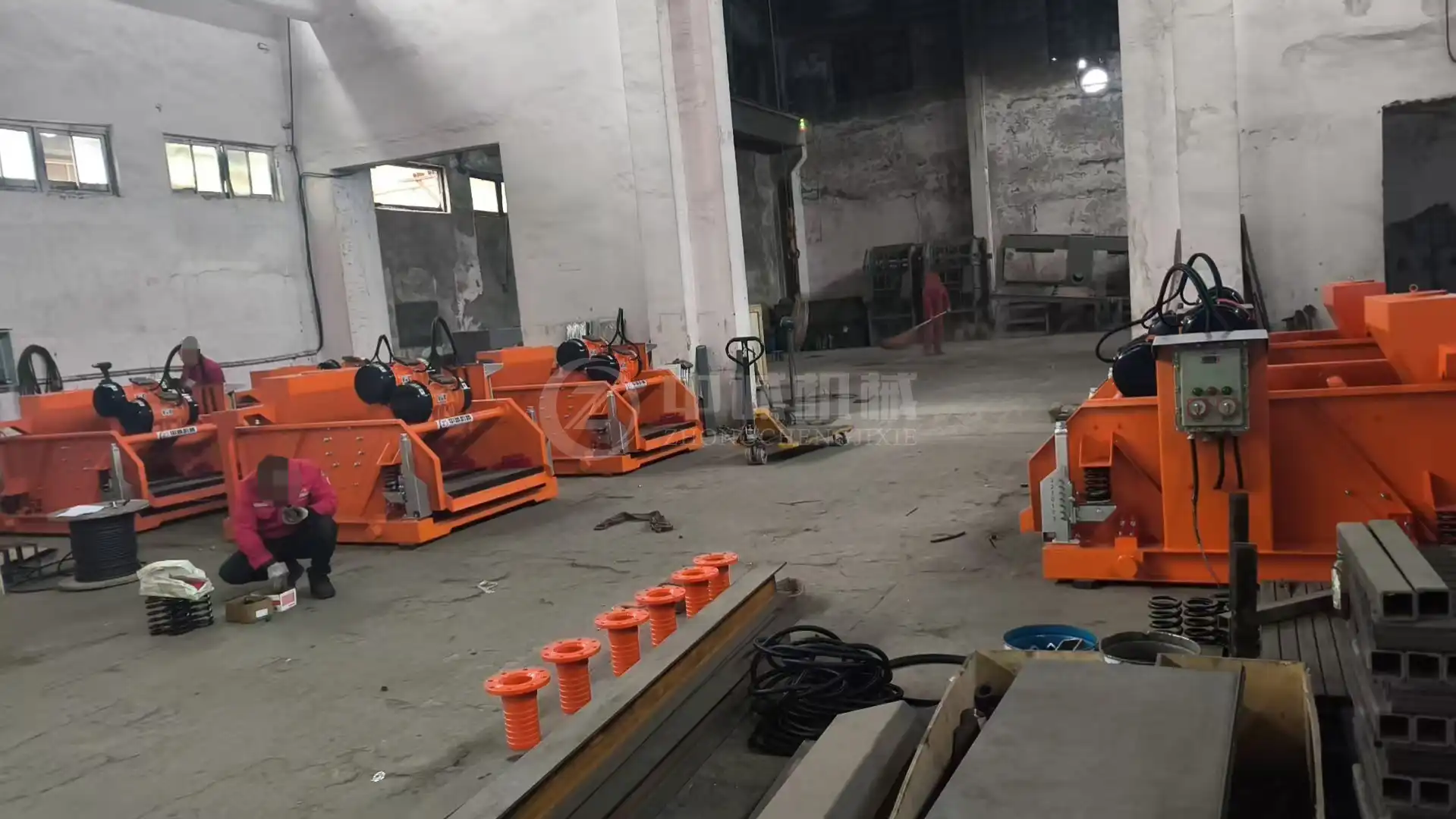
Getting the most out of solid control efforts means fine-tuning operating parameters. Small changes in the deck angle have big effects on both the dryness of the solids and the return of the liquid. Operators should try different settings within the range that is available to find the best ones for the present situation. The design and placement of the feed box affects how the fluid moves across the screen surface. Making sure that the fluid moves evenly across the surface stops areas from being overloaded and prematurely wearing out. In some situations, it's better to have variable frequency drive motor controls that let you change the level of vibration to match changing drilling conditions instead of always using the highest G-force. Regular testing of the solids content of the underflow and overflow provides objective data for judging how well the equipment is working and helping with decisions about what adjustments to make. These efforts to improve things, along with the ZC Single Shale Shaker's naturally adaptable use and easy-to-maintain layout, help drilling operations consistently get better mud quality while keeping costs low.
Case Studies and Industry Insights: Success Stories with High-Performance Shale Shakers
Solid control equipment selection can lead to real-world application experiences that show how practical gains and cost reductions can be made.
Enhanced Drilling Efficiency Through Advanced Technology
A drilling company in North America working in the Permian Basin replaced old 5G equipment with new 8G vibrating screens and reported impressive results. The stronger vibrations made the cuttings 23% drier, which cut their fleet's annual costs for getting rid of oil-contaminated solids by almost $180,000. Better healing of fluids cut down on sales of makeup mud by 35%, saving more than $200,000 a year. The contractor also said that better solids control led to fewer problems with downstream equipment. This cut down on maintenance costs and increased overall rig uptime. These measured benefits made them feel good about their investment choice and led to the standardization of high-performance solids control technology across the whole fleet.
Cost Reduction Through Energy-Efficient Equipment
An offshore drilling platform in Southeast Asia was looking for ways to lower its electricity use without affecting its ability to do its job because the cost of generating electricity was going up. They got rid of older, less effective vibration motors and replaced them with newer ones that had better springs and better rotor balance. Monitoring energy use showed that the motor used 18% less power while still separating things the same way it did before. During the platform's useful life, this increase in efficiency meant big savings on fuel and fewer repair needs for the engine. Lower carbon emissions and noise levels were good for the environment. They also made working conditions better for platform staff and supported the operator's business sustainability goals.
Emerging Technologies and Industry Trends
New monitoring systems make it possible to track machine performance in real time and plan repairs ahead of time. Sensors that pick up vibrations constantly check for G-force, find imbalances, and warn operators of problems before they happen. Automated screen life tracking systems figure out when to replace screens based on how long they've been used and how much they shake. This lets you order replacement parts ahead of time and schedule changes during planned maintenance windows. Environmental laws are getting stricter all over the world, which is increasing the need for tools that can collect more fluids and throw away solids that are drier. The move in the industry toward modular, skid-mounted systems is due to the need for more mobile rigs and a desire for integrated solutions that make installation and setup easier. These changes in technology affect how equipment is designed and how forward-thinking drilling companies decide what to buy.
Conclusion
Choosing the right solid control tools has a huge effect on the costs, efficiency, and environmental influence of drilling. Knowing the basics of vibration technology, how to set up equipment, and what the application needs lets procurement professionals make smart choices that meet the needs of the project. Modern engineering is shown by the ZC Single Shale Shaker, which has up to 8G of vibration intensity, great durability thanks to anti-corrosion protection, a small design that makes installation flexible, and easy maintenance that makes it work reliably all the time. Full technical support, quick availability of spare parts, and full compliance with international standards such as ISO 9001/14001/45001, HSE requirements, and TÜV/BV approvals make it possible to confidently use equipment in tough oilfield situations. Selecting the right equipment, keeping it in good shape, and making sure it works at its best can save you a lot of money in the long run by lowering the cost of mud, making equipment last longer, and improving the results of drilling.
FAQ
What key factors determine shale shaker effectiveness in drilling operations?
The main things that determine how well equipment works are its vibration strength (G-force), the choice of screen that matches the properties of the mud and the rock, the processing capacity that is right for the flow rates of the drilling fluid, and the mechanical stability that lets the equipment run all the time. The quality of the vibration motor, the sturdiness of the structure, and the design of the screen deck all affect how well the fluid is separated, how fast it is recovered, and how long the machine can work in harsh field conditions.
How do I determine the appropriate screen mesh size for my application?
When choosing a screen, you have to balance how well it removes particles with how fast it can do its job. API RP 13C gives defined mesh names and D100 cutpoint standards to help with choice. API 60–120 mesh screens are usually used for water-based muds, while API 140–200 mesh screens are often used for expensive oil-based systems to get more fluid back. When choosing screen setups for drilling projects, you should think about how rough the rock is, how much solids you expect to be present, and how well you want to separate things.
Should I purchase or rent solid control equipment?
When drilling programs last for a long time, and the equipment is still being used a lot, buying it makes economic sense because the cost per day is lower than renting it. Rental is best for short-term projects, exploration drilling that isn't sure how long it will last, or cases that need special setups that aren't in stock. When comparing the economics of buying vs. renting for your unique operating situation, you should look at the total project costs, which should include mobilization, standby charges, and upkeep.
Partner with a Trusted Shale Shaker Manufacturer for Your Drilling Success
Shaanxi Xixian New Area Zhongcheng Machinery Manufacturing Co., Ltd. has been making solid control systems for oil and gas drilling operations around the world for more than 30 years. Our ZC Single Shale Shaker is reliable, performs well, and is flexible enough to handle tough onshore and overseas jobs. Our factory-direct prices are reasonable, and we can adjust a lot of things, like the size and configuration of the motors. We also offer fast shipping—three days for stocked items and fifteen days for customized orders. As part of our full support, we offer engineering plans, help with commissioning, training for operators, and a one-year guarantee with prompt technical service. You can email us at oliver@zcgukong.com to talk about the specifics of your drilling project, get detailed equipment specs, or set up a meeting with our engineering team. Visit zcsolidscontrol.com to see our full line of products and learn how working with a reputable Shale Shaker supplier can help you get better results from your drilling and make more money from your business.
References
1. American Petroleum Institute, "Recommended Practice for Drilling Fluid Processing Systems Evaluation," API RP 13C, Eighth Edition, Washington, DC, 2019.
2. Bourgoyne, A.T., Millheim, K.K., Chenevert, M.E., and Young, F.S., "Applied Drilling Engineering," Society of Petroleum Engineers Textbook Series, Volume 2, Richardson, Texas, 2017.
3. Darley, H.C.H. and Gray, G.R., "Composition and Properties of Drilling and Completion Fluids," Sixth Edition, Gulf Professional Publishing, Houston, Texas, 2018.
4. Mitchell, R.F. and Miska, S.Z., "Fundamentals of Drilling Engineering," SPE Textbook Series, Volume 12, Society of Petroleum Engineers, Richardson, Texas, 2011.
5. Nguyen, T. and Rahman, S.S., "Solid Control System Design for Unconventional Gas Drilling Operations," Journal of Natural Gas Science and Engineering, Volume 34, September 2016, pp. 890-903.
6. Rabia, H., "Well Engineering and Construction," Entrac Consulting Limited, London, United Kingdom, 2015.
.webp)