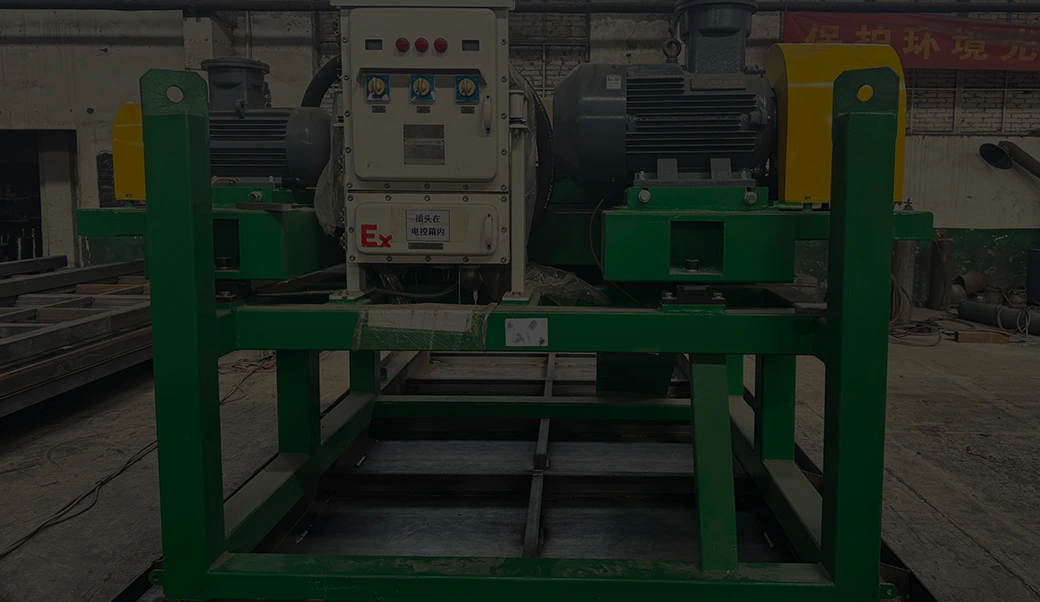
When drilling engineers and procurement managers ask about valve performance, the answer often starts at the tank bottom. The tank bottom valve - handwheel type delivers precise manual control over mud flow, prevents backflow, and supports independent tank switching within suction manifold systems. With nominal diameters ranging from 200 to 400mm, a self-locking screw mechanism, and wear-resistant alloy construction, this valve type produces measurable results: tighter sealing, safer fluid isolation, and more consistent production line performance in demanding field environments.
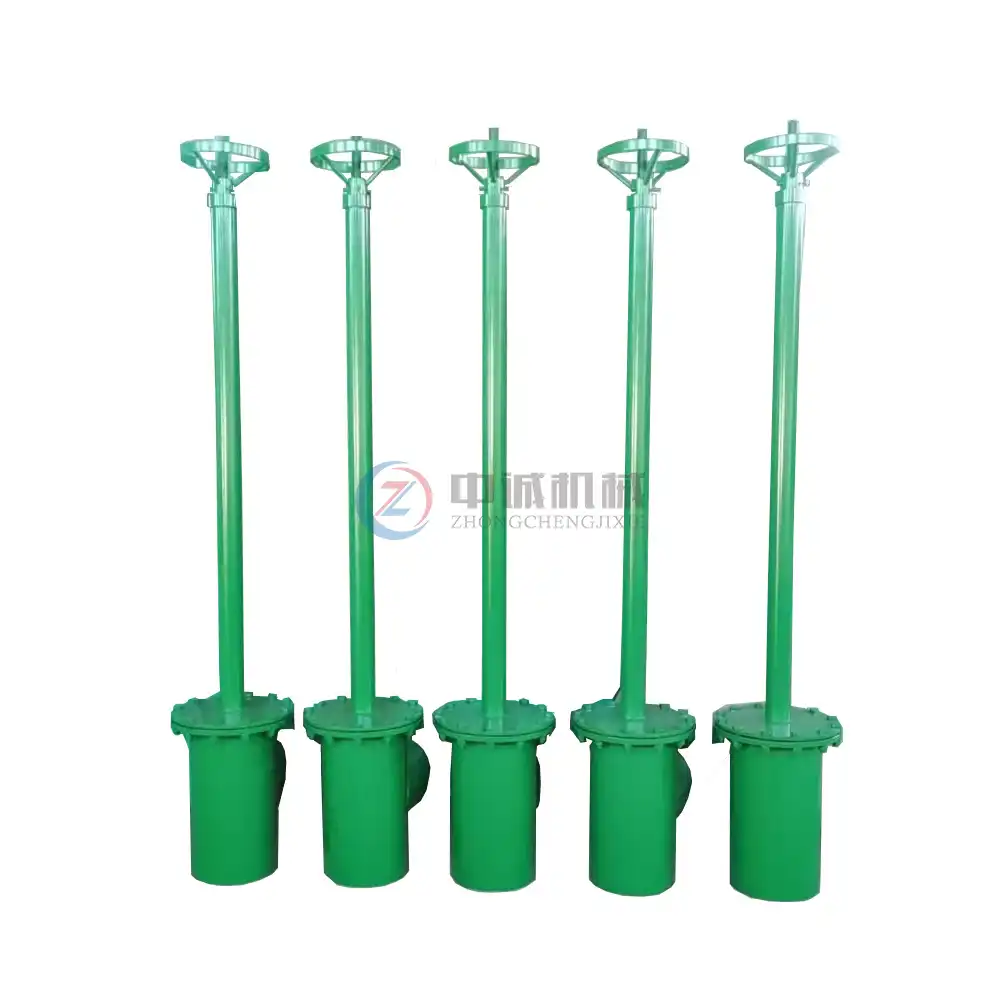
Understanding the Handwheel Type Tank Bottom Valve in Sanitary Production
What This Valve Actually Does
The tank bottom valve is an important control part that is put into mud tank flow pipes. It controls how fluid moves between tanks, stops leaks while circulation is going on, and lets workers shut down just one tank at a time without the whole system. As a result, it is a practical necessity in any drilling fluid control setup and not just an extra.
Handwheel Mechanism and Structural Design
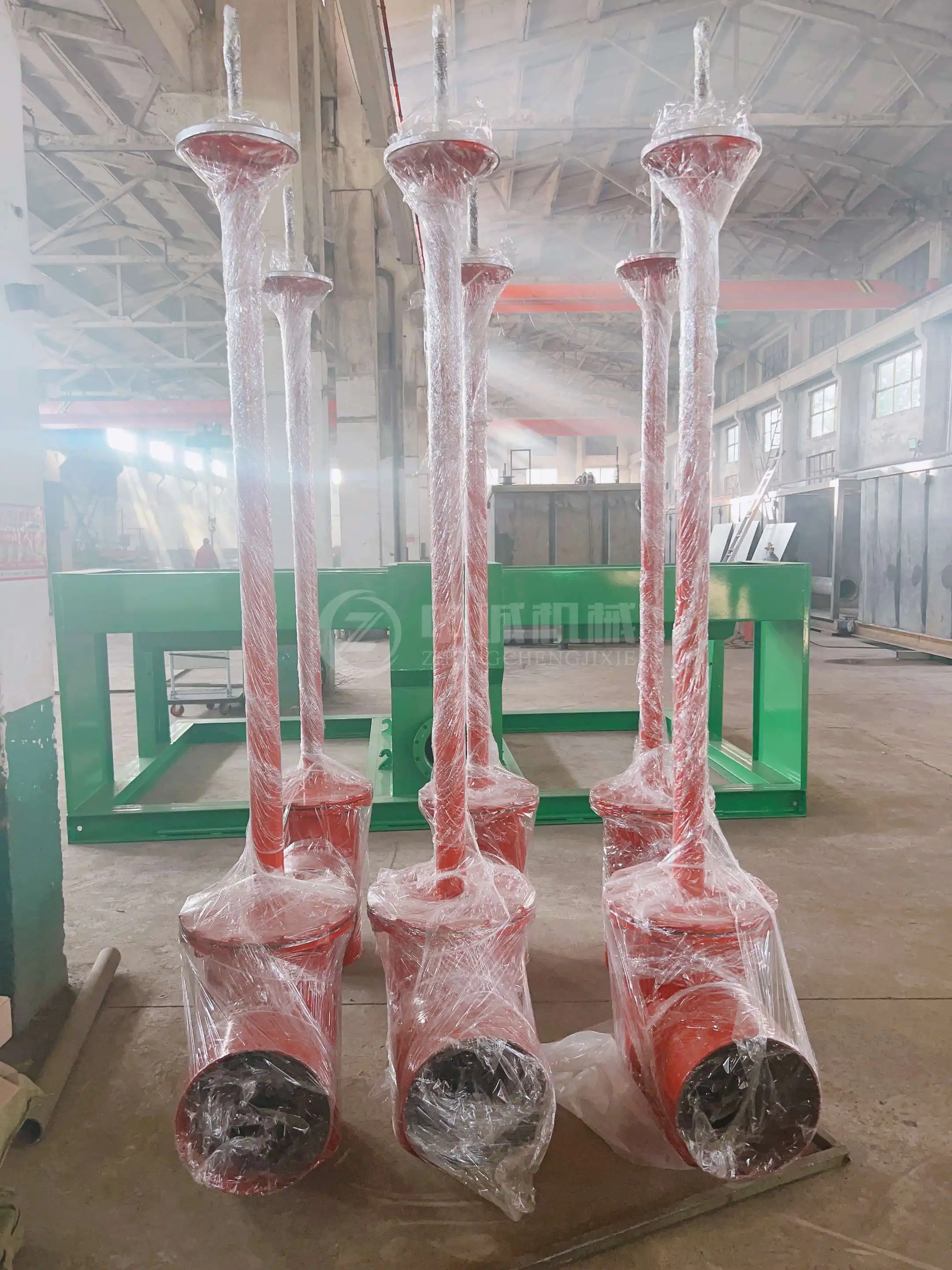
A high mechanical transmission ratio moves the valve core up and down by turning a handwheel that turns a screw device. This means that each rotation requires less physical work, which is important for long shifts. The length of the valve stem can be changed to fit the depth of the mud tank, and the handwheel is on the top platform for direct control at the surface level.
Materials Built for the Job
The valve seat and core of a tank bottom valve - handwheel type are made from wear-resistant metals or synthetic rubber materials designed to withstand drilling fluids containing solids, sand, chemicals, and abrasive particles. For a tank bottom valve - handwheel type, a chrome-plated carbon steel valve head can help improve resistance to corrosion and surface wear. These material choices are based on the demands of continuous field operation, including vibration, pressure fluctuations, and chemical exposure. Selecting a properly constructed tank bottom valve - handwheel type with suitable seat, core, and body materials can help support reliable performance in demanding drilling-fluid applications.
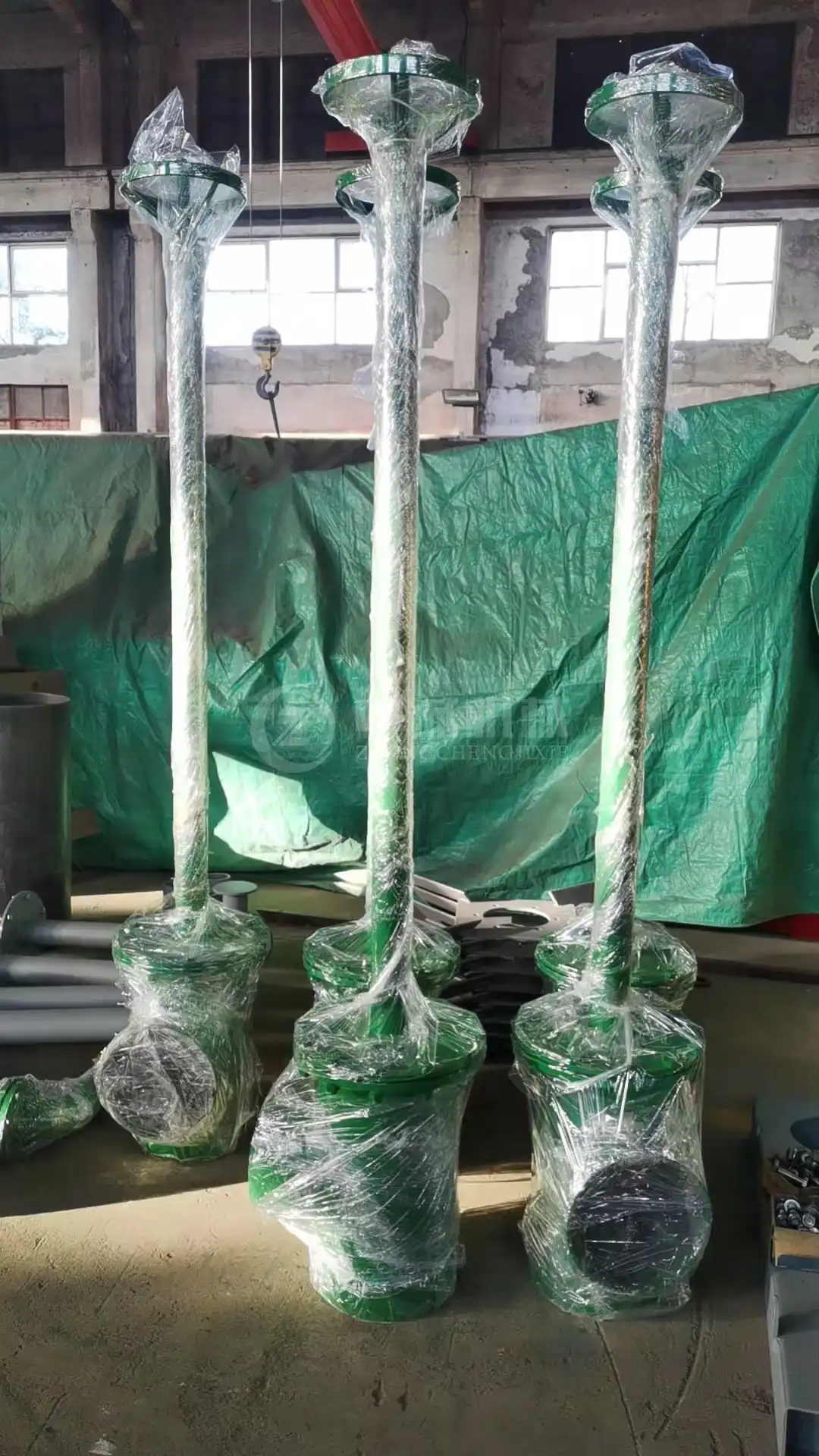
Performance Optimization of Handwheel Tank Bottom Valves in Sanitary Applications
Addressing Common Operational Challenges
Most of the time, drilling teams have trouble with bottom valves when the valves stick or the flow isn't steady. ZHONGCHENGJIXIE's handwheel bottom valves have a self-sealing cylindrical shape that spreads pressure evenly across the sealing surface to keep it from sticking. As the pressure inside the mud rises, the seal gets tighter instead of weaker, which stops leaks when the load is put on it.
Maintenance Practices That Extend Service Life
Checking the thread on the valve stem on a regular basis, lubricating the screw drive, and replacing the rubber closing surface every so often are all normal procedures that keep things from breaking down too soon. The simple opening indicator, which is based on screw height or handwheel rotation count, lets operators check the position of the valve without using any extra tools. This lowers the risk of making mistakes when the valve is only partially open.
Self-Locking Stability Under Vibration
Drilling sites are always shaking because of the rigs, pumps, and shakers that are working. The screw-drive system in the handwheel bottom valve makes it passively self-locking, which means that vibrations in the surroundings can't make the valve open or close on its own. This part of the structure makes process switching stable throughout the whole operating cycle.
These performance features directly lead to less unplanned downtime and more stable fluid management along the production line.
Comparing Handwheel Type Tank Bottom Valves with Alternative Valve Technologies
Manual vs. Pneumatic and Motorized Alternatives
Pneumatic and mechanical actuated valves can move things faster in automatic systems, but they depend on power and are harder to maintain. When drilling in remote areas or at sea, where power may not always be available, the handwheel-operated bottom valve can work without any electrical or compressed air infrastructure.
Why Mechanical Simplicity Matters in the Field
Lever-type valves are faster for single-action switching, but a tank bottom valve - handwheel type provides greater control and self-locking stability through its handwheel screw mechanism. The handwheel design of a tank bottom valve - handwheel type allows more accurate positioning for applications that require precise flow throttling or long-term holding in a partially open position. The number of handwheel turns provides a consistent point of reference, giving operators more repeatable positioning than simple lever settings. For drilling-fluid applications where controlled adjustment is important, a tank bottom valve - handwheel type can provide reliable manual flow control and stable positioning during operation.
Cost and Reliability Comparison
The total cost of ownership for handwheel bottom valves is less than that of actuated valves. You don't have to take care of any solenoids, control boards, or gas lines. The mechanical design is simple, spare parts are standard, and field technicians don't need any special tools to fix the valve. This operational economy adds up over the service life of a rig in a real way for drilling companies who are trying to keep costs down per well.
Before choosing valve technology for any mud tank system design, you should carefully think about these trade-offs.
Guidelines for Selecting and Installing Handwheel Type Tank Bottom Valves
Key Selection Criteria
The nominal width should be the first thing you look at. ZHONGCHENGJIXIE's handwheel bottom valves cover 200mm to 400mm, which is a wide range that fits most normal mud tank designs on rigs from ZJ30 to ZJ90. The chemical makeup of the drilling fluid determines which seal material to use. The valve also needs to have the right certifications. These include ISO 9001/14001/45001, HSE standards, and TÜV & BV approvals, which show that it meets international purchasing standards.
Installation Best Practices
To keep the stem from binding, the vertical long-stick structure needs to be lined up correctly when it is welded or flanged. The handwheel needs to be at a level that the working base can reach. Misalignment during fitting is the most common reason why the stem-to-seat contact wears out too quickly. Every unit that ZHONGCHENGJIXIE sells comes with installation instructions, help with commissioning, and technical documentation.
Troubleshooting Early Warning Signs
If the handwheel gets hard to turn after some use, it's probably because the stem's threads are corroding or solids are building up around the valve seat. Early detection through regular inspection cycles works well for both conditions. There must be at least an IP55 electrical security grade to keep dust and water out of the valve actuator area during washdown operations.
Procurement Insights: How to Source Handwheel Type Tank Bottom Valves for Your Production Line
Evaluating Supplier Qualifications
Before making a commitment, procurement managers looking for a tank bottom valve - handwheel type manufacturer should check the company's certifications, production capacity, and delivery lead times. ISO, TÜV, and BV approvals are held by ZHONGCHENGJIXIE. The company can make 200 full mud circulation system sets every year and can ship stocked items within three days or deliver custom setups within fifteen days.
Customization and Bulk Procurement Advantages
For each size of rig, the valve stem lengths, seat configurations, and flange standards must be different. When buying teams work with a direct maker, they can set those standards without having to go through a middleman, who would add cost or wait time. ZHONGCHENGJIXIE's bottom valves come in a variety of configurations and OEM options, which makes them a good choice for EPC contractors who are in charge of multi-rig projects.
Packaging, Logistics, and After-Sales Terms
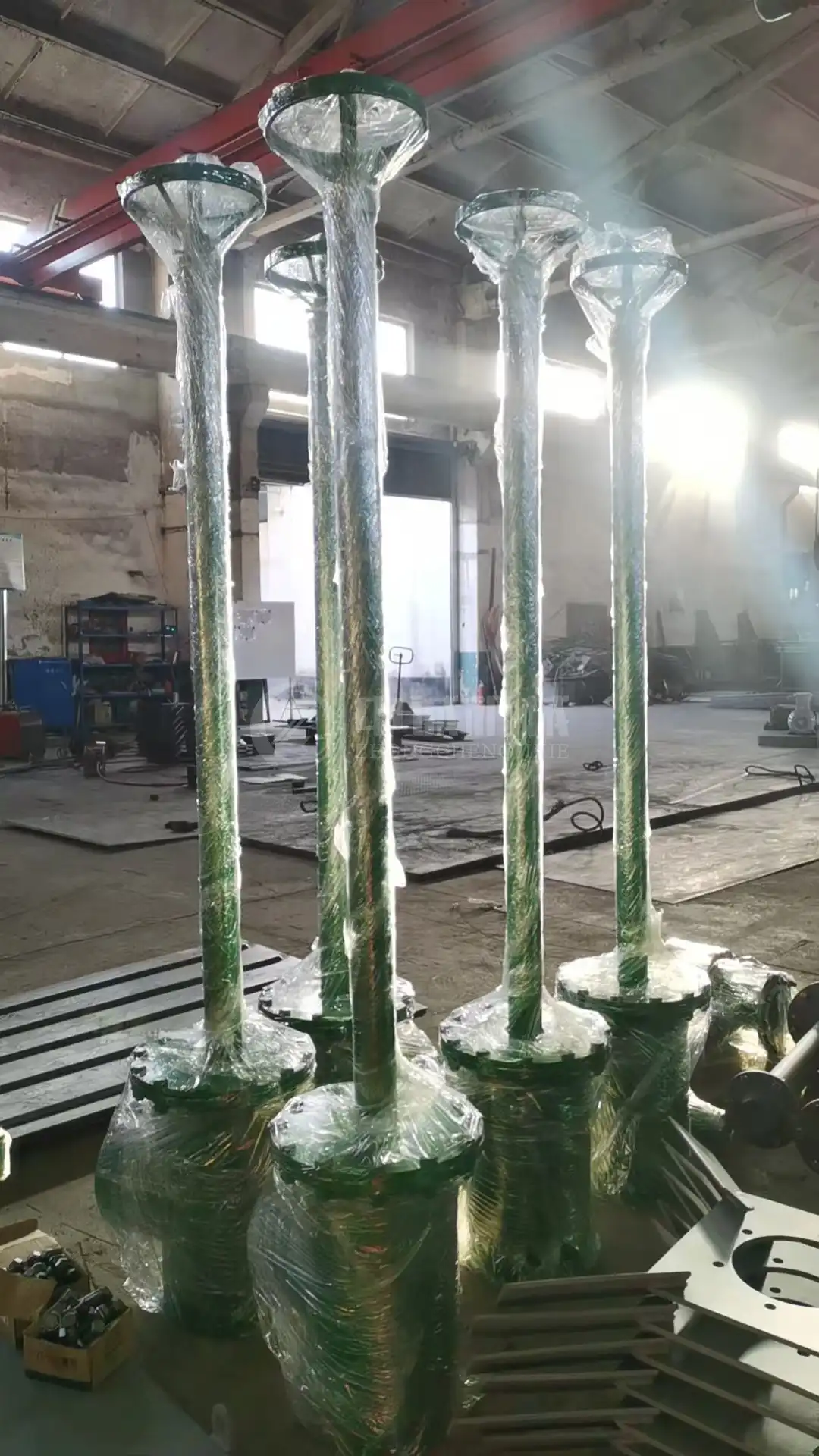
Each valve is shipped in a way that is safe for shipping using plastic film, rainproof tarps, and strapping. If needed, boxes or wooden crates can also be used. The usual warranty after the sale covers full help for 12 months. Strategic logistics partnerships with the ports of Tianjin and Shanghai help distributors and offshore project operators get goods across the world quickly and easily.
Setting up a long-term supply relationship with a qualified direct manufacturer lowers the cost per unit, makes it easier to find spare parts, and keeps delivery dates stable over multiple project cycles.
Conclusion
The tank bottom valve - handwheel type is a reliable and easy-to-understand control part that always works as expected in mud tank suction manifold systems. It can withstand the physical demands of busy drilling settings thanks to its self-sealing design, corrosion-resistant construction, and ability to lock itself in place. Understanding this valve's performance profile and matching it to rig specifications helps procurement managers, drilling engineers, and project teams keep the project running smoothly and save money over its lifetime.
FAQ
What nominal diameters are available for handwheel bottom valves?
The nominal diameters of ZHONGCHENGJIXIE's handwheel type bottom valves range from 200mm to 400mm, which means they can fit a wide range of mud tank configurations for rigs from ZJ30 to ZJ90.
Can the valve stem length be customized?
Yes. The vertical long-stick design lets you choose the stem length based on the depth of the mud tank. This makes sure that the handwheel is at the right height for working on the tank platform.
What certifications does this valve carry?
The valve meets the requirements of ISO 9001, ISO 14001, ISO 45001, and HSE. It also has TÜV and BV approvals. The level of electrical safety is at least IP55.
How often should the sealing surface be inspected?
It is suggested that the machine be inspected every 500 rounds or at the scheduled repair intervals. When to replace the seal depends on the type of fluid and the amount of solids in it, but in normal drilling conditions, it should be done every 6 to 12 months.
Can the handwheel assembly be replaced with an actuator?
In many versions, the handwheel unit can be switched out for an electric or pneumatic actuator while the valve body stays the same. This lets you make upgrades without having to replace the whole valve.
Contact ZHONGCHENGJIXIE for Your Tank Bottom Valve Supply
Every relationship between ZHONGCHENGJIXIE and a tank bottom valve - handwheel type supplier is based on more than 30 years of manufacturing experience. Our valves are approved by ISO, TÜV, and BV, and items that are in stock ship within three days. The engineers on our team are ready to help you whether you need a single replacement or a full mud system package. To get a price right away, email oliver@zcgukong.com or go to zcsolidscontrol.com.
References
1. Journal of Petroleum Technology — SPE Publications, 2021
2. Drilling Engineering: Principles and Practices — Gulf Professional Publishing, 2019
3. Oil & Gas Journal: Drilling Technology Supplement — PennWell Corporation, 2022
4. International Journal of Mechanical Engineering and Technology — IAEME Publication, 2020
5. Valve World Magazine: Industrial Valve Selection and Performance — KCI Publishing, 2023
6. API Recommended Practice 13C: Drilling Fluids Processing Systems Evaluation — American Petroleum Institute, 2020