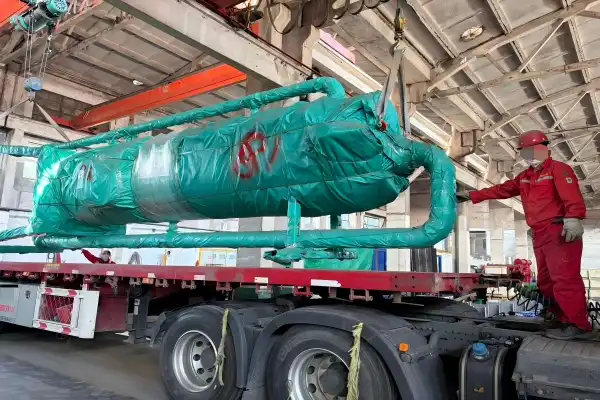
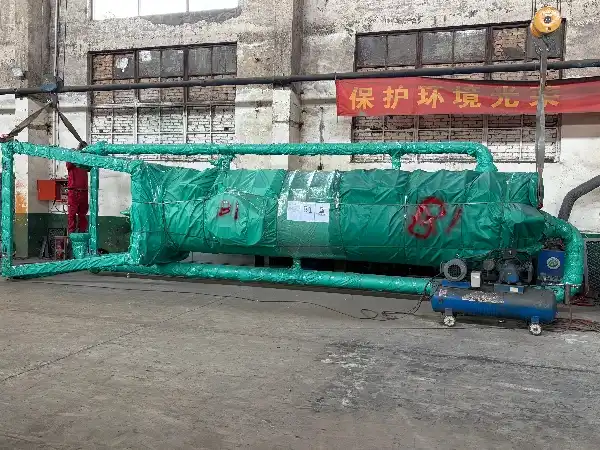
Yes — a mud gas separator (MGS) directly improves safety in gas-prone drilling environments. Also called a Poor Boy Degasser, this well control device sits downstream of the choke manifold and separates large volumes of free gas from returning drilling fluid during a kick or overflow event. Without it, gas-cut mud can migrate into open shaker tanks, creating serious fire, explosion, and blowout risks. Field data consistently shows that properly sized and maintained gas busters reduce rig-floor gas exposure incidents and protect both personnel and downstream solids control equipment.


Understanding Mud Gas Separators and Their Role in Drilling Safety
What Is a Mud Gas Separator?
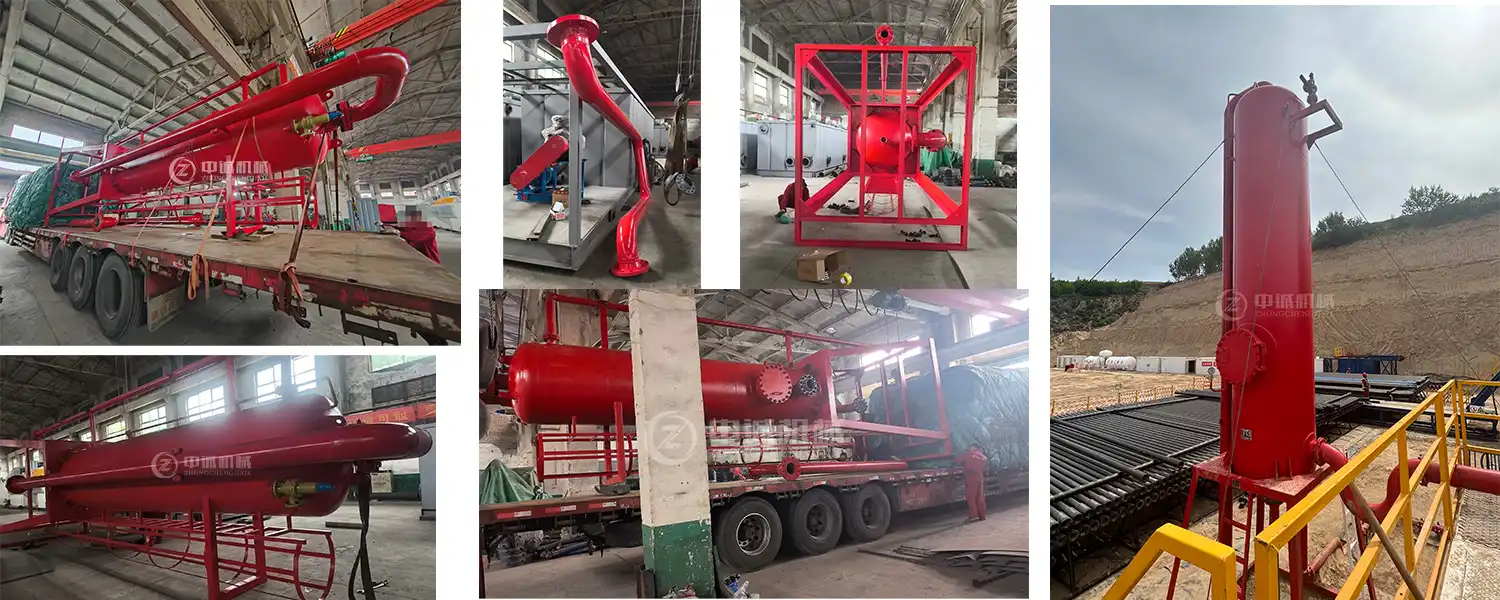
There is a pressure tank that stands vertically between the choke manifold and the mud return line. This is the mud gas separator (MGS). When a kick happens, drilling fluid that is full of gas flows into the vessel. There, impingement plates and gravity push the gas up through a vent line to a flare boom. The treated mud leaves the bottom through a U-shaped liquid seal and safely returns to the active mud system. This passive separation method doesn't need any moving parts, so it can be relied on even during high-stress well control events.
How It Protects Personnel and Equipment
Gases that don't separate properly can flood the mud pits with dangerous or flammable gases, such as hydrogen sulfide (H₂S). Before it gets to the solids control line, the mud gas separator (MGS) takes all the free gas away from the rig floor and mud tanks. This one function greatly lowers the chances of an ignition event and H₂S exposure at the surface. The International Association of Drilling Contractors (IADC) says that poor gas handling at the surface is a major cause of many of the well control events that happen every year.
Operational and Financial Benefits
Besides keeping people safe right away, proper gas separation protects the properties of drilling fluid. When gas bubbles stay in the mud, they lower the density of the fluid and throw off the hydraulic pressure, which can cause more water to come in. Getting rid of gas consistently keeps the weight of the mud fixed, which cuts down on the number of expensive well control reactions. Fewer emergency shutdowns directly lead to lower costs for nonproductive time (NPT), which is very important for drilling companies who are trying to keep project margins tight.
Technical Insights: Design, Operation, and Maintenance of Mud Gas Separators
Key Design Variations and Materials
ZHONGCHENGJIXIE makes mud gas separator (MGS) units with body diameters between 600 mm and 1,200 mm and working pressures between 1.6 MPa and 6.4 MPa. Fluid dynamics simulations are used to improve the internal flap structure, which makes gas release more than 30% more efficient than with basic designs. For sour gas service, vessels are made from carbon or alloy steel that meets NACE MR0175/ISO 15156 standards so they don't crack from H₂ stress corrosion. An epoxy coating on the inside protects against abrasive flow and chemical breakdown, which increases the service life in harsh field conditions.
Installation, Integration, and Monitoring
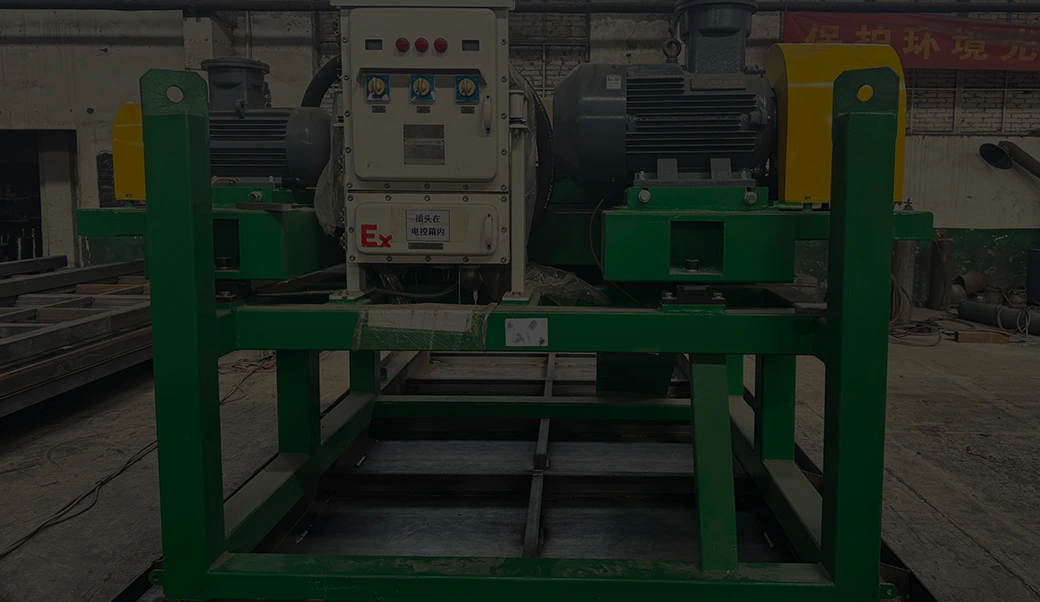
The modular skid-mounted design has heavy-duty supports that can be folded up. This makes it easier to transport by road and speeds up deployment on-site. Built-in flush ports at the bottom of the tank keep mud from building up, and available steam heating coils keep fluid from freezing in cold weather operations. The unit comes with an automatic ignition device that can't explode and has an electrical security grade of IP55 or higher. With every machine, ZHONGCHENGJIXIE provides full installation instructions, help with commissioning, engineering drawings, and operation guides.
Preventive Maintenance Practices
Since the vessel doesn't have any moving parts, regular upkeep is limited to three areas: flushing the bottom of the well of any solids that have built up, checking the internal impingement plates for erosion wear, and making sure that the U-tube liquid seal level meets engineering standards. Checking the vent line valves and the explosion-proof starting device on a regular basis makes sure the system is always ready to go. Every unit from ZHONGCHENGJIXIE comes with a one-year warranty and an easy-to-find spare parts supply to keep downtime to a minimum.
Comparing Mud Gas Separators with Alternative Gas Handling Solutions
MGS vs. Vacuum Degasser
During regular movement, a vacuum degasser takes out small amounts of gas that are dissolved or spread out finely in the mud. It's not made to handle the large amounts of free gas that come with a well kick. On the other hand, the mud gas separator (MGS) handles large amounts of gas and keeps the vacuum degasser from being overloaded. When the solids control system is set up correctly, both devices work in order. The mud gas separator (MGS) deals with kick conditions first, and the vacuum degasser removes any leftover gas during normal operations.
MGS vs. Gas Traps and Mud-Logging Equipment
Both gas traps and mud-logging sensors can find gases but can't separate them. They are not safety devices; they are monitoring tools. Using detection tools that don't have a working mud gas separator (MGS) during a real kick causes dangerous delays in getting rid of gas. When fluid comes in, a mud gas separator (MGS) acts right away to mechanically separate gas before it can reach open surfaces. This is something that no passive detection device can do.
Selecting the Right Configuration for Your Project
For deepwater offshore activities, HPHT onshore wells, and managed pressure drilling (MPD) uses, the expected flow rates and gas-cut ratios must be taken into account when choosing the right vessel size. For lighter work on ZJ30 or ZJ40 rigs, a 600 mm diameter unit might work. But for ZJ70 and ZJ90 drilling programs, vessels with a diameter of 1,000 mm to 1,200 mm and higher pressure values are usually needed. Blow-through events happen when gas pressure is higher than the hydrostatic head of the liquid seal. This can be avoided by matching the vessel's capacity to the expected kick amounts.
Procurement Guide: How to Select and Acquire the Right Mud Gas Separator
Technical Criteria That Matter Most
There are four technical factors that are very important when buying a mud gas separator (MGS). These are the working pressure rating compared to the expected wellbore pressures, the vessel diameter and internal baffle design, the material certification for sour service environments, and quality verification through hydrostatic pressure testing at 1.5 times design pressure. As required quality control proof, buyers should also check Non-Destructive Testing (NDT) records, such as radiographic or ultrasonic weld inspection reports.
Before completing a purchase, procurement teams should make sure of the following core specification checkpoints:
- Pressure rating: Make sure that the working pressure range (1.6–6.4 MPa) matches the needs of your choke pipe and well control system.
- Material certification: For H₂S service applications, ask for NACE MR0175/ISO 15156 mill certificates to avoid stress corrosion cracking failures in sour environments.
- Certification compliance: Check for ISO 9001/14001/45001, HSE, TÜV, and BV approvals. These show that the manufacturer meets standard quality and safety management criteria.
- Delivery timeline: ZHONGCHENGJIXIE ships stock items within three days, and custom setups are usually finished within 15 days, which works well for projects with short deadlines.
These checkpoints keep procurement teams from missing details that could cause problems in the field or not following the rules during well control events.
Cost Considerations and Supplier Reliability
The total cost of ownership is more than just the price of the unit. Think about how long the finish will last, how easy it is to get replacement parts, and how long it takes for customer service to respond after the sale. The hidden costs of fixing problems and finding replacements are cut down by a manufacturer that does its own production, provides engineering paperwork, and offers direct expert help. ZHONGCHENGJIXIE was established in 2015 and has 6,300 square meters of production space in Xingping City, Shaanxi Province. Each year, the company sends up to 200 full mud circulation systems to oilfield projects around the world.
Enhancing Drilling Safety and Efficiency with MGS: Real-World Applications
Onshore HPHT Well Performance
In high-pressure coastal wells, gas influx events can get worse in just a few minutes. Drilling teams working in China's Sichuan Basin gas fields say that properly sized mud gas separators (MGS) cut the time needed to stabilize well control conditions by a measurable margin. This means that rig-floor workers are exposed to less gas for less of the time that they are at high risk. When fluid comes in, the passive impingement separation mechanism acts right away, without any help from the operator.
Managed Pressure Drilling Integration
The mud gas separator (MGS) is used as a second stage of separation in MPD processes where there is a small pressure window between the pore pressure and the fracture gradient. It makes sure that any gas that gets in is safely sent to the flare boom while the cleaned mud goes back into circulation, even when the pressure is being changed. This combination allows drilling to go on without stopping and meets HSE standards for handling gas at the surface.
Emerging Monitoring and Design Trends
Real-time pressure and flow monitors are being built into gas separator skids by manufacturers. This lets gas volume and liquid seal levels be monitored from afar. This move toward digital instruments helps with early warning before blow-through situations happen. This need is already met by ZHONGCHENGJIXIE's remote safe control feature, which lets operators control the ignition and vent functions while the gas is being separated.
Conclusion
In gas-prone drilling, a mud gas separator (MGS) is not an extra piece of gear; it is an essential well control device that saves workers, keeps drilling fluids pure, and cuts down on the time lost due to gas-related problems. A mud gas separator (MGS) works consistently in kick situations, MPD operations, and sour gas environments as long as it is the right size, made of certified materials, and maintained regularly. For drilling companies and buying teams looking at suppliers, the best way to ensure long-term operating safety is to combine checked technical specs with strong support after the sale.
FAQ
What is the difference between a mud gas separator and a vacuum degasser?
A mud gas separator (MGS) handles a lot of free gas when there is a kick or overflow. During normal circulation, a vacuum degasser takes out small amounts of dissolved gas that are still in the mud. Both are used for different parts of gas management and should work together in a full solids control system.
How is blow-through pressure calculated for a gas separator?
The blow-through pressure is determined by the hydraulic head made by the height of the liquid seal and the mass of the drilling fluid in the U-tube. If the pressure of the gas coming in is higher than this, it will leave through the mud release line instead of the vent. For every well program, the U-tube depth plan must be done right.
Can an MGS handle H₂S environments?
Yes, as long as the tank is made of steel that meets NACE MR0175/ISO 15156 standards and has been properly heated after being welded. These requirements are met by ZHONGCHENGJIXIE units, which are also tested to make sure they work in sour service.
How often should internal components be inspected?
After each well is finished, flush any solids that have built up from the bottom of the tank and check the internal impact plates for damage. Before each new well starts, make sure the air line links and U-tube valves are in good shape.
What body diameter is right for my drilling rig?
A 600–800 mm vessel is usually enough for lighter rigs (ZJ30–ZJ40). Larger rigs (ZJ70–ZJ90) usually need 1,000–1,200 mm units that can handle more pressure. Talk to a technical engineer to make sure the right size is chosen based on the well design and expected flow rates.
Get a Customized MGS Quote from ZHONGCHENGJIXIE
ZHONGCHENGJIXIE offers certified mud gas separator (MGS) solutions that are made to work in real fields. We are a direct manufacturer of mud gas separators and have ISO 9001/14001/45001, TÜV, and BV certifications. Our prices are reasonable, and we offer a one-year guarantee. It takes three days to ship stock pieces. You can talk to our expert team about your project needs by emailing oliver@zcgukong.com or going to zcsolidscontrol.com.
References
1. International Association of Drilling Contractors (IADC). Well Control Manual. IADC, 2019.
2. American Petroleum Institute. API Specification 16ST: Subsea Well Control Systems. API, 2015.
3. Bourgoyne, A.T., Millheim, K.K., Chenevert, M.E., & Young, F.S. Applied Drilling Engineering. Society of Petroleum Engineers, 1986.
4. National Association of Corrosion Engineers. NACE MR0175/ISO 15156: Petroleum and Natural Gas Industries — Materials for Use in H₂S-Containing Environments in Oil and Gas Production. NACE International, 2015.
5. American Society of Mechanical Engineers. ASME Boiler and Pressure Vessel Code, Section VIII, Division 1. ASME, 2021.
6. Skalle, P. Pressure Control During Oil Well Drilling. Bookboon Engineering & Technology, 2012.