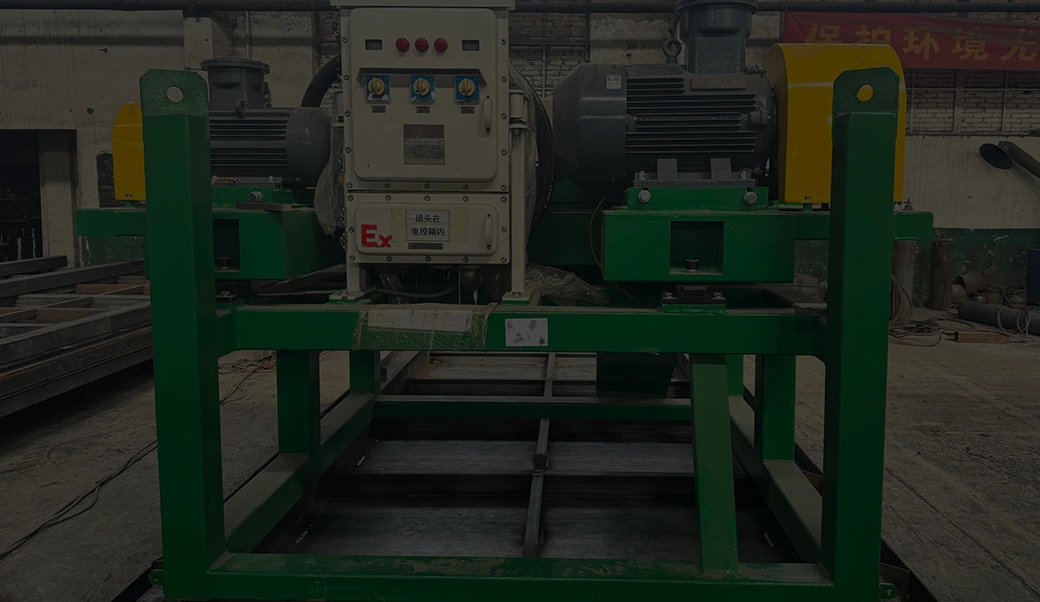
When drilling operations depend on continuous mud circulation, the pump doing the transfer work carries enormous responsibility. A submerged slurry pump is a heavy-duty centrifugal pump placed directly inside the slurry pit or mud tank, purpose-built for moving dense, abrasive drilling fluids without the suction-lift limitations that burden surface-mounted units. Because the pump sits submerged in the fluid, cavitation risk drops sharply, flow stays consistent, and the sealed motor housing protects critical components from the grit and chemicals present in active drilling mud. For oilfield contractors and drilling engineers who cannot afford unplanned downtime, this design delivers measurable operational advantages.
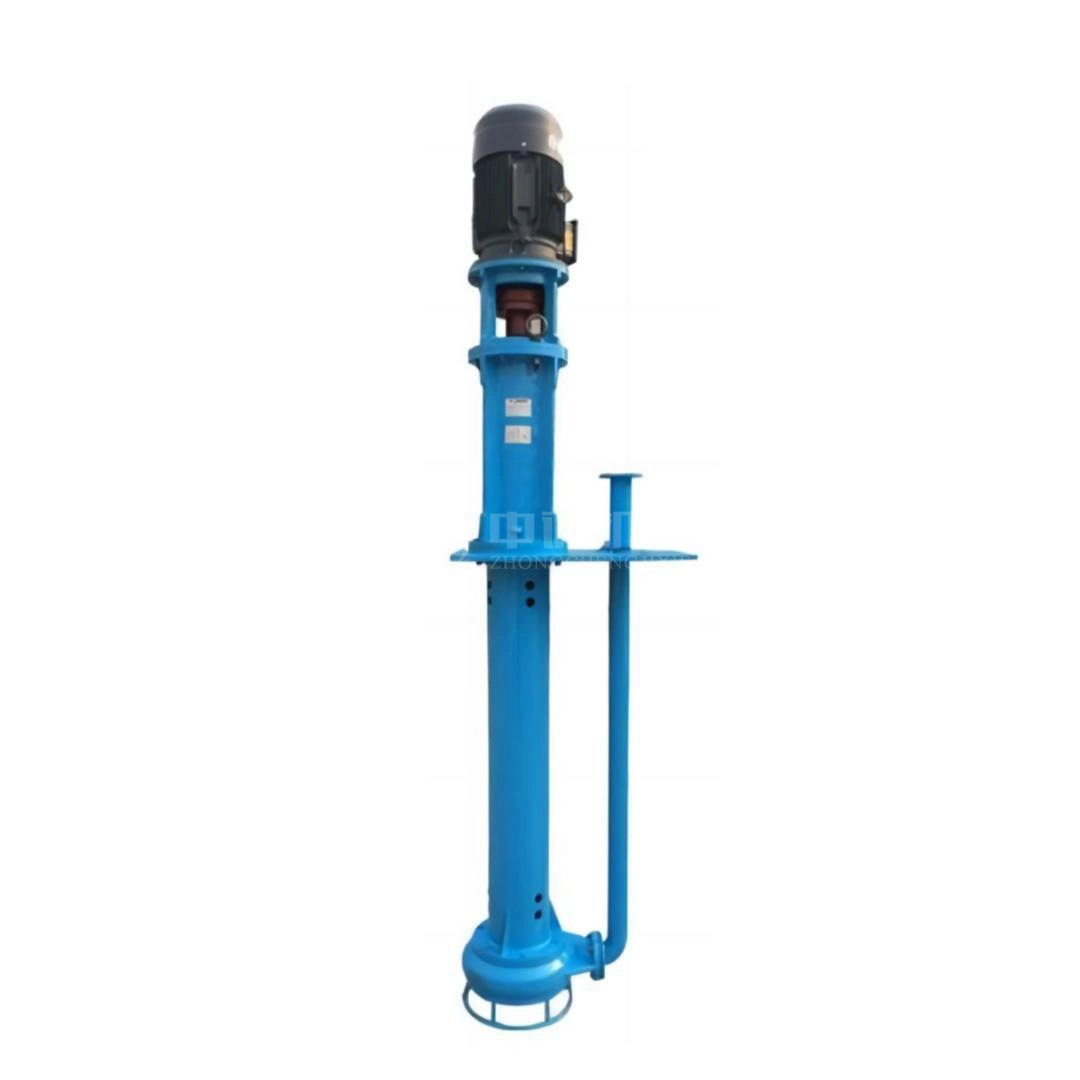
Understanding SubmergedSlurry Pumps and Their Role in Drilling Mud Transfer
Drilling mud isn't like other fluids. It moves heavy things like drill bits, weighted barite, and chemical additives at densities that would destroy a normal centrifugal pump in hours. A special kind of pump for moving slurry must be able to handle solids buildup, wear, and changing flow rates without stopping.
How the Submerged Design Solves Suction Problems
For surface-mounted pumps to pull fluid up, they need a positive suction head. This causes cavitation in deep pits or low-level mud tanks, which wears down impellers and slows down flow. This problem is completely solved by a submersible pump, which works at the source of the stream and always has pressure there.
Sealed Motor Technology
The motor is inside a housing that is fully sealed and waterproof up to IP68. There are two moisture sensors and thermal protection in the windings to make sure the seal doesn't fail. When compared to open-shaft options, this design keeps motor parts away from harmful drilling fluid, which greatly increases the time between service visits.
Comparison with Vertical Cantilever Pumps
A long drive shaft is hung above the pit in vertical cantilever pumps. When used on ZJ50 and ZJ70 rigs, shaft length can cause problems with vibration and alignment in deep sumps or confined mud tanks. A submerged slurry pump eliminates the need for a long drive shaft extension because the pump operates directly within the slurry. This design makes the motor and drive components simpler while making maintenance easier. For deep sumps and confined mud tanks, a submersible slurry pump can provide a more compact installation with fewer alignment concerns. In demanding drilling applications, selecting a reliable submersible slurry pump can also simplify routine inspection and upkeep.
Advantages of Using a Submersible Slurry Pump for Drilling Mud
During the lifecycle of a project, procurement managers and drilling operations teams look at how well equipment works, how long it lasts, and how much it costs altogether. Here are the main benefits this type of equipment has to offer in the drilling mud service.
- High flow with lower energy draw: With a capacity range of 20 to 280 m³/h and motor power from 3 to 45 kW, the pump delivers substantial throughput without oversized power consumption. The hydraulic efficiency of a submerged unit running at its design point typically outperforms a surface pump pulling against a long suction line.
- Wear-resistant construction for abrasive mud: The impeller, volute casing, and wetted components are manufactured from high-chromium alloy (27% Cr) with hardness exceeding 60 HRC. In standard sand-slurry service, a high-chrome impeller reaches 3,000 to 5,000 operating hours before replacement is necessary. This directly reduces spare parts consumption and unplanned maintenance stops.
- Integral agitator for settled solids: Many models include a bottom-mounted agitator that resuspends settled drill solids before they reach the impeller. This keeps the pump from clogging when mud weight increases or circulation is temporarily halted, a condition common during connections on active wells.
- Space-saving installation: The unit lowers directly into the pit or tank without support frames, gearboxes, or extended drive shafts. On a busy drill site where equipment density is high, this compact footprint matters.
These benefits directly lead to fewer machine breakdowns, less fluid loss, and a better work area with fewer places where fluid can leak. The total effect on operating costs is big for a drilling contractor who is in charge of several rigs at the same time.
Key Design Features and Types of Submersible Slurry Pumps for Drilling Mud
To choose the right configuration, the pump's design has to be matched to the unique properties of the slurry and the shape of the pit at each drilling site.
Impeller Geometry and Clog Resistance
Solids up to 60–75 mm in diameter can pass through the impeller's wide openings without getting stuck. This is especially important when digging for foundations or dredging and rough pieces get into the mud system. To keep the required head range of 6 to 26 meters, the hydraulic design aims for low internal velocity. This will cut down on erosion.
Material Selection: High-Chrome Alloy vs. Elastomer Lining
Because it is hard, high-chrome alloy construction works well with drilling mud that has a lot of quartz or barite in it. Models made with elastomer work better in fluids that are acidic or have a low pH. Matching the material to the chemistry of the slurry makes the parts last longer and makes upkeep more reliable. Before production starts, our engineering team at ZHONGCHENGJIXIE chooses the material types based on the mud weight report and solid particle analysis from the customer.
Customized Configurations for Different Rig Classes
A ZJ30 rig and a ZJ90 rig work with very different amounts of mud, so the circulation requirements of each system must be carefully considered. The pump's flow rate, discharge size, and motor power all need to match the specific mud-handling requirements. ZHONGCHENGJIXIE provides customized submerged slurry pump configurations to fit the operating plans and circulation systems of different rigs. For applications requiring a submersible slurry pump, the appropriate capacity and discharge configuration can be selected according to the rig's mud volume and operating conditions. Standard stock units ship within three days, while custom submersible slurry pump orders can be delivered within fifteen days after the order is placed.
Comparing Submersible Slurry Pumps with Other Pumping Solutions
To figure out where this type of pump works best, you need to take an honest look at the other options that drilling teams usually think about.
Submersible vs. Horizontal Centrifugal Slurry Pumps
A lot of above-ground mud systems come with horizontal rotary pumps as standard. They work well when the level of the fluid stays the same, and the suction is stable. When pit levels change, or installation space is limited, a buried unit works better and is less likely to let air in.
Submersible vs. Vertical Long-Shaft Pumps
Vertical long-shaft pumps can work with deep sumps, but they need to be carefully aligned and have their bearings maintained at several places along the shaft. This makes it hard to be reliable in the field, where there is shaking and temperature changes. Since the shaft of a submerged pump is not visible, that way of failing is not an option.
Total Cost of Ownership Perspective
One thing that can change is the price of a submerged slurry pump. Wear part replacement schedules, energy use, installation labor, and the cost of downtime are all things that affect how much a project really costs over its lifetime. When used with high-abrasion drilling mud, units that are properly specified and made of high-chrome steel usually have lower total costs than surface pumps.
Procurement Considerations for B2B Clients: Buying Guide and Best Practices
When buying drilling fluid transfer tools, it's not enough to just compare pump rates.
Supplier Qualification and Certifications
Check to see if the maker has ISO 9001, ISO 14001, and ISO 45001 certifications, as well as HSE compliance and third-party approvals from groups like TÜV and BV. These certifications show that the company follows safety rules, manages quality, and protects the environment to standards that are known around the world. ZHONGCHENGJIXIE has all of these things and can show you all the proof you need if you ask.
Warranty, Spare Parts, and After-Sales Coverage
A full guarantee that lasts for one year is the norm for serious drilling equipment sellers. Check to see if spare parts are available and how long it will take to get them. The parts that wear out the fastest are the impellers and mechanical seals. On a live drilling project, an operating risk exists if the seller can't guarantee parts within two weeks.
Technical Documentation and Installation Support
Before approving equipment, EPC contractors and project managers need to see engineering drawings, hydraulic performance curves, and operation manuals. ZHONGCHENGJIXIE offers complete technical documentation packages that include diagrams of all the parts, instructions for commissioning, and support for installation on-site.
Conclusion
To move drilling mud, you need specialized equipment designed to handle rough, dense fluids repeatedly and reliably. Installing a submergede slurry pump directly in the mud pit can help address suction limitations, reduce cavitation risks, and maintain steady flow during extended operating periods. A properly selected submersible slurry pump can use wear-resistant components made from high-chrome alloy to improve service life in abrasive drilling environments, while a sealed motor helps protect internal components from the dirt and water commonly found on active drill sites. For drilling mud service, the submerged design of a submersible slurry pump can simplify fluid transfer and reduce the need for complex suction arrangements. Procurement managers, drilling engineers, and project teams evaluating fluid-transfer options can therefore consider a submersible slurry pump based on flow requirements, slurry characteristics, wear resistance, and operating conditions.
FAQ
Why does a slurry pump need a bottom agitator?
The agitator creates a vortex that pulls settled solids back into suspension before the impeller picks them up. Without this, heavy particles compact at the pit floor and the pump loses prime or passes insufficient solids concentration to the downstream mud system.
What solid particle size can this pump handle?
Depending on impeller design, heavy-duty models pass solids up to 60–75 mm in diameter. This covers coarse drill cuttings and gravel encountered in foundation drilling and dredging work.
Can the pump run in low-water conditions?
Many models include a motor cooling jacket that allows operation during low-water or "snoring" conditions without overheating the motor windings.
How often do wear parts need replacement?
In standard drilling mud service with moderate abrasiveness, a high-chrome impeller typically lasts 3,000 to 5,000 hours. Highly abrasive or acidic slurries shorten this interval; material selection at the specification stage is the most effective way to manage wear life.
What certifications should I check before purchasing?
Confirm ISO 9001 quality management, ISO 14001 environmental management, ISO 45001 occupational safety, HSE compliance, and third-party certifications from TÜV or BV. These verify both product quality and the manufacturer's operational standards.
Get a Customized Submersible Slurry Pump Quote from ZHONGCHENGJIXIE
ZHONGCHENGJIXIE makes direct underwater slurry pumps. They have been in business for more than 30 years, have their own patents, and can make 200 mud system sets every year. If you need a standard unit sent to you within three days or a pump built just the way your rig needs it, our engineering team is ready to help. To get technical advice and a reasonable quote, email us at oliver@zcgukong.com or go to zcsolidscontrol.com.
References
1. Hydraulic Institute. Pump Standards and Engineering Data Reference. 2022.
2. Society of Petroleum Engineers. Drilling Engineering Handbook. 2020.
3. World Pumps Magazine. Wear Mechanisms in Slurry Pumping Applications. 2021.
4. American Petroleum Institute. API RP 13C: Drilling Fluids Processing Equipment. 2019.
5. Mining Engineering Journal. High-Chrome Alloy Performance in Abrasive Slurry Service. 2021.
6. International Journal of Fluid Machinery and Systems. Hydraulic Performance of Submersible Centrifugal Pumps in High-Density Slurry Conditions. 2022.