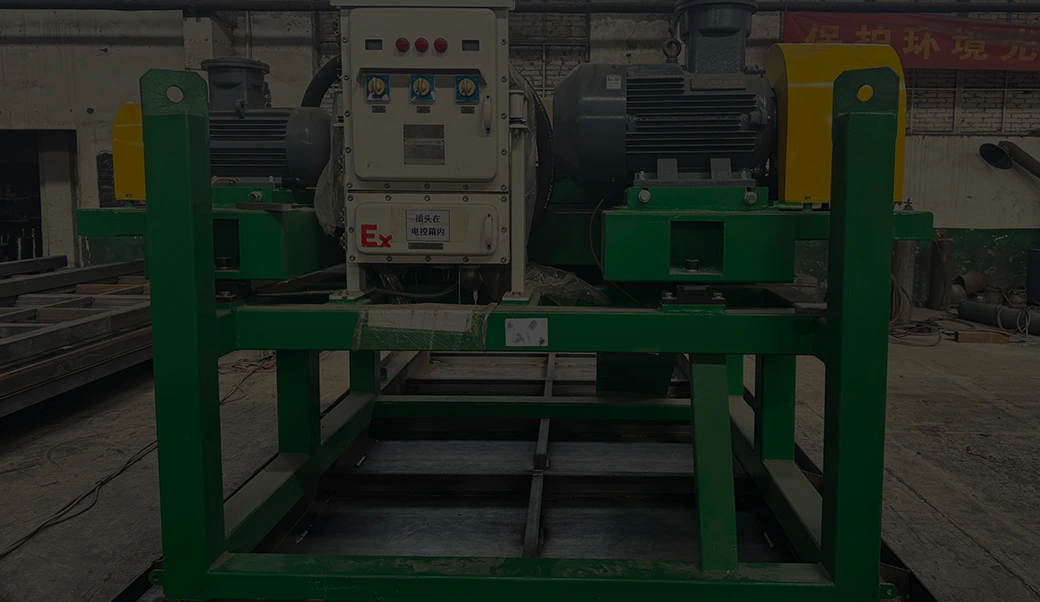
Solids Control Systems play a defining role in maintaining drilling fluid quality across oilfield and mining operations. By removing drilled solids—rock cuttings, sand particles, and fine silt—from the mud circulation loop, these systems stabilize fluid viscosity and density, protect downstream equipment, and reduce waste disposal costs. Research confirms that every 1% reduction in solids content increases drilling speed by approximately 10%. This blog walks through how these systems work, what to look for during procurement, and how ZHONGCHENGJIXIE's ZC series delivers measurable field results.
Understanding Solids Control Systems and Their Impact on Drilling Fluids
A mud management system is only useful if it can keep the qualities of the drilling fluid within the desired range. When dangerous solids build up in the circulation loop, the density of the fluid rises in unpredictable ways; it becomes hard to control the viscosity, and the pump wears out faster. The effects can be mild, like slower entry rates, or severe, like a pipe getting stuck or the wellbore becoming unstable.
How Multi-Stage Separation Works?
A normal four- or five-stage device works by processing fluid one step at a time. Shale shakers separate things at a 74-micron level, hydrocyclone desanders do the same at 45–74 microns, desilters use 4-inch cones to separate things at 15–44 microns, and decanter centrifuges pick up ultrafine liquid solids as small as 2–5 microns. Each stage focuses on a different range of particle sizes, making the fluid that goes back to the active pit cleaner and cleaner.
Fluid Quality and Equipment Lifespan
Cutting tools like mud pumps, bit tips, and surface lines last longer when they are cleaned. Inside pump liners and valve seats, abrasive solids sand down like fine paper. By keeping the solids content low, operators say they can measurably lower the number of times they have to replace liners and the costs of pump maintenance. These savings add up over a multi-well program and are very substantial.
Environmental and Waste Reduction Benefits
When compared to traditional open-pit methods, a closed-loop mud recycling system cuts the amount of trash slurry that is released from each well by about 200 to 400 m³. Fluid recycling rates of more than 90% cut the cost of making new mud by a large amount and reduce the amount of hazardous trash that needs to be disposed of in a controlled way. This directly supports green drilling standards that are being required by more and more drilling areas in the U.S.
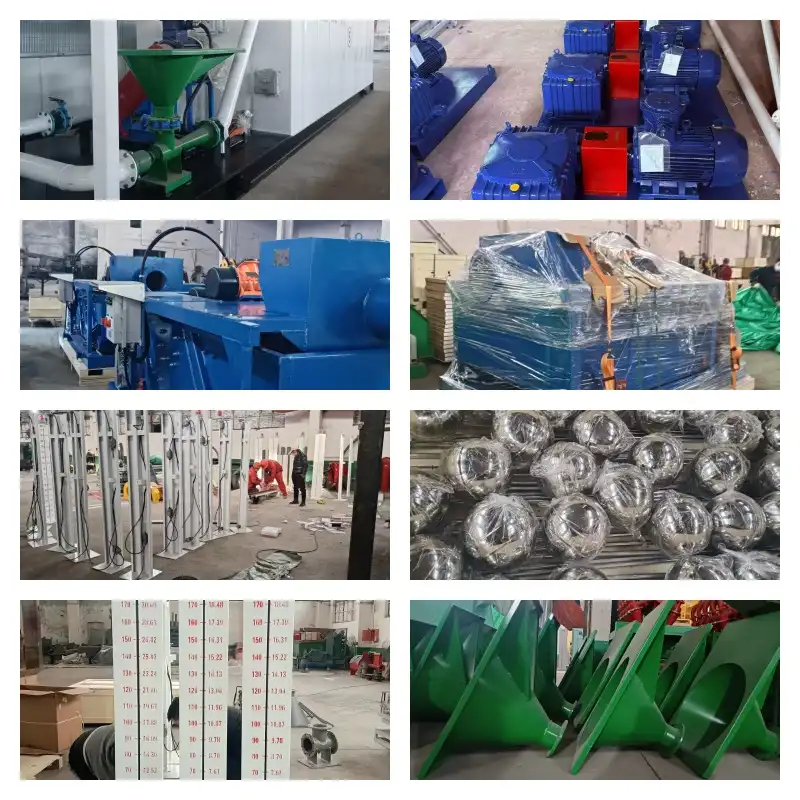
Key Components and Design Principles of Solids Control Systems
The choice of equipment and the structure of the system decide whether a mud treatment setup works consistently in a continuous field setting or causes problems with operations.
Primary Separation: Shale Shakers
The first line of defense in Solids Control Systems is shale shakers. High-performance units work at G-forces of up to 8G, processing large amounts of fluid while removing large pieces from the screen surface. Screen classification is based on API RP 13C, and it's important to match the screen mesh to the flow rate and weight of the mud in order to balance the removal of solids with the loss of fluid.
Hydrocyclones: Desanders and Desilters
When desanders go after medium-sized particles, they use 8–12-inch cones, and when desilters go after smaller particles, they use 4-inch cones. All of these steps work together to get the fluid ready for the final cleaning by the centrifuge. When you match the cone's size to the flow rate correctly, you can stop bypass and keep the cut point's performance constant even when the mud density changes.
Decanter Centrifuges and Automation
Decanter centrifuges use more than 3,000G of separation force to get rid of liquid and small solids that hydrocyclones can't get rid of. Modern units have tungsten carbide wear tiles on the screw conveyor, which greatly increases the time between service visits. PLC-based controls let you see the bowl speed, differential speed, and torque in real time. This means that you don't have to make as many adjustments by hand and can find problems sooner.
Comparison and Selection: Choosing the Right Mud Treatment Setup for Your Operation
There's more to buying drilling fluid control tools than just looking at price lists. The configuration of the system needs to match the type of rig, the formation, the fluid program, and the logistics of the site.
Matching System Scale to Rig Class
ZHONGCHENGJIXIE's ZC series includes rigs from the ZJ10 to the ZJ90 classes and can be set up in a variety of ways to fit both small exploration rigs and heavy-duty land rigs. A ZJ30 rig working in tight-gas shale needs a different amount of processing power than a ZJ70 rig drilling a profile that is the same in deep water. If you choose the wrong processing rate—either one that is too small or too large—you will either have problems with carry-over materials or have to spend money on capital that isn't necessary.
Modular Design vs. Fixed Configuration
Modular skid-mounted systems let workers add or take away steps based on the project phase and the conditions of the formation. The ZC series has skid-mounted links that make it easy to move quickly. This is helpful for contract drilling companies that move equipment between different places, like deserts, the Arctic, and offshore platforms, where setup time has a direct effect on the project's cost.
Custom vs. Standard Solutions
Standardized packages save money up front and cut down on shipping times. Custom-engineered configurations are made to fit specific needs, like H2S service, high-density OBM programs, or installation limitations in a small space. ZHONGCHENGJIXIE gives you both choices. In-stock items can be sent out within three days, and custom orders are usually finished in fifteen days.
Procurement and Global Supplier Landscape for Solids Control Equipment
When choosing a Solids Control Systems provider, you need to look at their technical skills, certifications, shipping history, and level of after-sales support.
Certification and Quality Standards
Procurement teams always check that a supplier meets the requirements for ISO 9001 quality management, ISO 14001 environmental management, and health, safety, and environment (HSE). Along with TÜV and BV approvals, the ZC line is certified by ISO 9001, 14001, and 45001. Electrical parts have to have a minimum security grade of IP55, which meets OSHA noise and safety standards for dangerous drilling settings.
Factory Acceptance Testing and Quality Control
When professionals buy mud control equipment, they check the dynamic balance of centrifuge bowls, the G-force of shakers using digital accelerometers, and the hydrostatic pressure of hydrocyclone manifolds at 1.5 times the operating pressure. Coating tests show that the surface was prepared with Sa 2.5 sandblasting and that it has NACE-compliant corrosion protection for H2S or saltwater exposure. Before they are shipped, all of the parts are put through 24–48 hours of continuous factory acceptance testing.
Total Cost of Ownership
The purchase price is only a small part of what it really costs. Operators who look at how often the liner needs to be replaced, how much the screen is used, how often the centrifuge wear parts need to be replaced, and unplanned downtime always find that a higher-specification system with solid after-sales assistance costs less in the long run. Every ZC series unit comes with a one-year guarantee from ZHONGCHENGJIXIE, and extra parts are always available for all of their products.
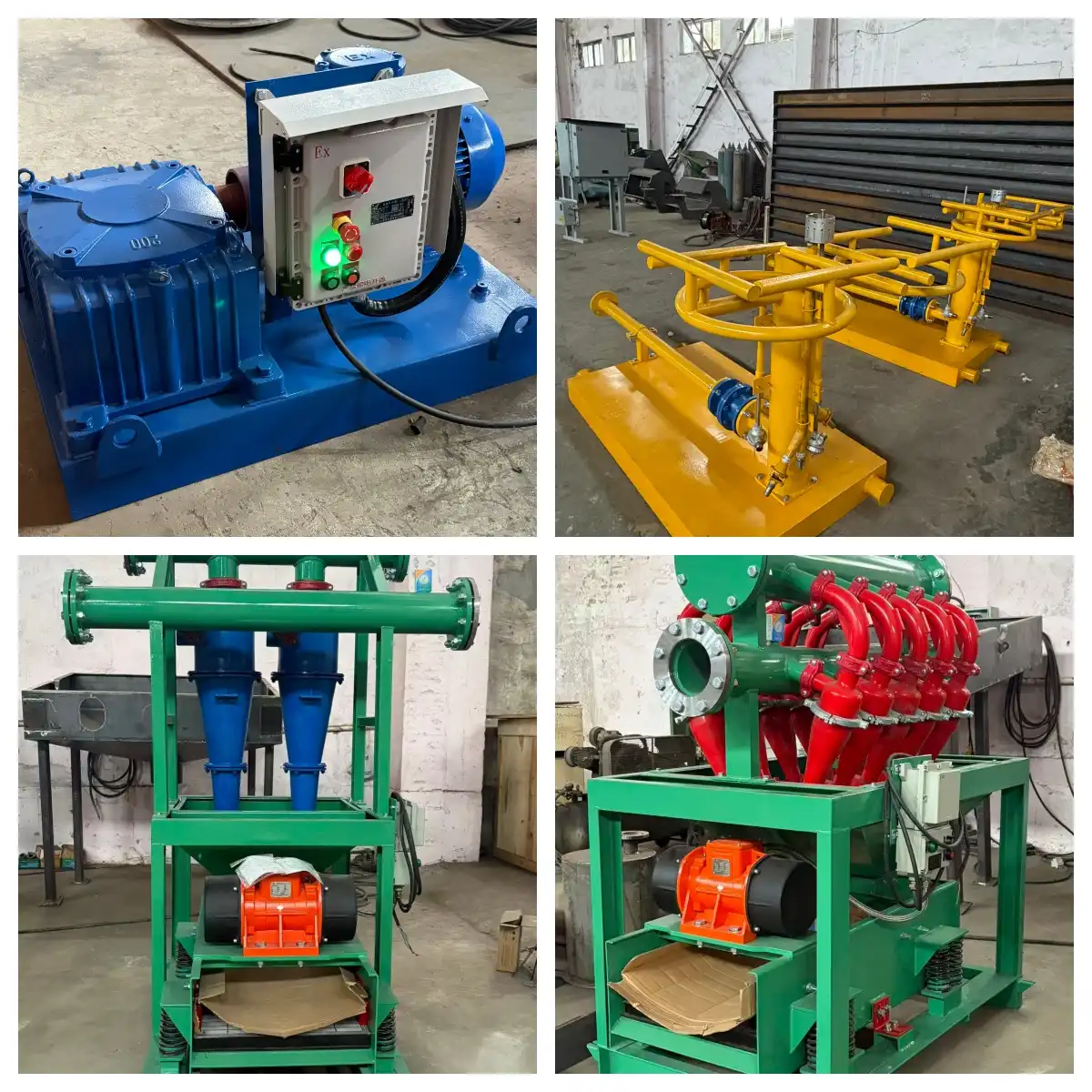
Environmental and Operational Impact
There is a lot more regulatory pressure on how to handle drilling waste at the federal and state levels in the United States. EPA rules and state environmental laws say that drilling operations on both public and private places must have written plans for reducing waste.
Closed-Loop Systems and Compliance
The ZC series closed-loop design builds mud recovery right into the circulation system. This makes it legal to get rid of dangerous waste parts and greatly cuts down on the amount of slurry that needs to be sent to pits or haul-away trucks. Operators who have to follow EPA 40 CFR Part 435 rules directly benefit from the recorded volume decrease these systems offer.
Safety and Downhole Risk Reduction
Getting rid of harmful solids in active mud lowers the chances of events like pipe getting stuck, circulation stopping, and wellbore collapsing. Field data from multi-well programs using structured solids control protocols show that operating costs for a single well are 15–25% lower than when operations only use minimal mechanical separation.
Application Across Industries
For example, the ZC series can be used for trenchless HDD projects, oil and gas research, shield tunneling and diaphragm wall building, geothermal drilling, and water wells. When HDD work is done in cities, small skid-mounted units recycle expensive bentonite slurry on job sites with limited room. This cuts down on both transportation costs and environmental damage.
Conclusion
One of the most direct ways for workers to improve penetration rates, lower machine wear, and keep well costs down is to keep the drilling fluid clean. If you choose the right Solids Control Systems for your rig class, formation type, and environmental needs, it will pay for itself in less fluid use, fewer problems downhole, and lower waste disposal costs. ZHONGCHENGJIXIE's ZC series meets these needs with rig classes ranging from ZJ10 to ZJ90. It has flexible designs, approved production, and full after-sales support after the sale.
FAQ
What maintenance practices keep a solids control system performing reliably?
The most important maintenance jobs are checking and replacing screens on shale shakers on a regular basis, checking bearings on centrifuge bowls on a regular basis, and checking hydrocyclone cones for erosion wear. On centrifuge conveyors, tungsten carbide tiles need to be checked from time to time to make sure they are the right thickness.
How do mud treatment systems differ between oil drilling and mining applications?
The basic ideas behind separation don't change, but the properties of fluids and solids do. Weighted mud systems with tight density limits are usually used for oil drilling. On the other hand, unweighted bentonite or polymer fluids are often used for mining and engineering work. The choice of screen mesh, the speed of the centrifuge bowl, and the size of the hydrocyclone cone all need to be changed to fit the fluid program and formation solids that are being processed.
What questions should I ask a solids control system manufacturer before purchasing?
Ask for proof of factory acceptance test results, confirmation of IP rating for electrical parts, wait times for spare parts, and examples from drilling projects that are similar to yours. Check to see if the maker offers on-site commissioning help and if engineering drawings and operation instructions are delivered as normal. When asked, certification papers like ISO, TÜV, and BV should be given right away.
Partner with ZHONGCHENGJIXIE for Proven Solids Control Systems
The ZC series solids control system is made by ZHONGCHENGJIXIE, which has more than 30 years of engineering experience, its own patents, and full ISO/TÜV/BV certification. We are a direct producer of Solids Control Systems and serve customers in the oilfield, mining, and building industries all over the world. We offer reasonable factory prices, 3-day shipping on stocked units, and full technical documentation. Get in touch with our engineering team right away to talk about your rig class, fluid program, and project schedule. To get a product list or a unique quote, email us at oliver@zcgukong.com or go to zcsolidscontrol.com.
References
1. American Petroleum Institute. API RP 13C: Recommended Practice on Drilling Fluids Processing Systems Evaluation. API Publishing Services, 2010.
2. Bourgoyne, A.T., Millheim, K.K., Chenevert, M.E., and Young, F.S. Applied Drilling Engineering. Society of Petroleum Engineers, 1986.
3. Drilling Engineering Association. DEA-13 Final Report: Solids Control and Waste Minimization in Drilling Operations. DEA, 1993.
4. Environmental Protection Agency. EPA 40 CFR Part 435: Oil and Gas Extraction Point Source Category Effluent Limitations. U.S. Government Publishing Office, 2016.
5. Caenn, R., Darley, H.C.H., and Gray, G.R. Composition and Properties of Drilling and Completion Fluids, 6th ed. Gulf Professional Publishing, 2011.
6. Society of Petroleum Engineers. SPE 128912: Advances in Solids Control Technology for High-Performance Drilling Fluid Management. SPE International, 2010.