Yes — a tank bottom valve - handwheel type can directly improve drainage efficiency in high-value process tanks. By providing precise manual flow control at the lowest point of a mud tank or process vessel, a tank bottom valve - handwheel type helps eliminate stagnant pockets, reduce residue buildup, and support complete fluid discharge. In drilling operations, where mud quality directly affects well performance, installing a properly positioned tank bottom valve - handwheel type can help maintain clean tank interiors, prevent cross-contamination between batches, and keep the mud circulation system operating without unnecessary interruption. For process and drilling applications, selecting the appropriate tank bottom valve - handwheel type can therefore support reliable drainage and easier routine maintenance.
Understanding Handwheel Type Tank Bottom Valves: Operation and Advantages
What Makes the Handwheel Mechanism Work
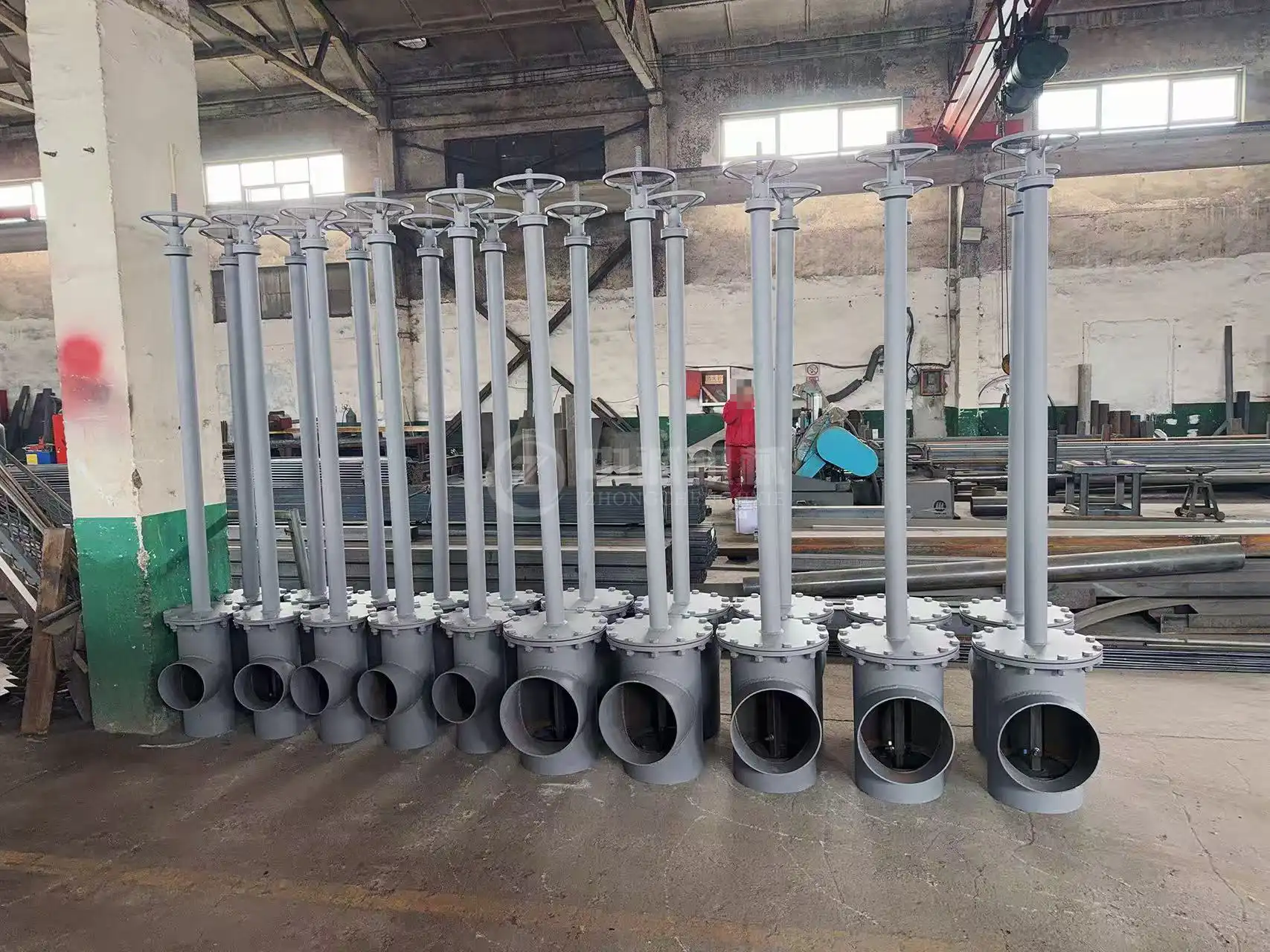
A threaded screw stem is pushed down by the handwheel, which presses a cylindrical valve core or rubber closing surface against the valve seat. It's easy for workers working on the tank top platform to open or close the valve because the mechanical transmission ratio is so high. The self-sealing design makes the contact tighter as the internal mud pressure rises. This means that the valve works better under load, not worse.
Vertical Long-Stem Configuration for Deep Tanks
The length of the valve stem can be changed to fit the mud tank's depth. The handwheel is on the operating platform above the tank, so during routine switching, people never have to go down into a small space. This vertical long-stick shape is standard on drilling rig mud tanks, which is one reason why it has been the best choice for decades for ZJ30 through ZJ90 series rig systems in the field.
Core Material Selection and Durability
Drilling mud contains rough solids like sand, cuttings, and chemical additives that quickly wear down normal valve parts. To stand up to this constant wear and tear, the valve seat and core are made of metals that don't wear down easily or a special kind of synthetic rubber. The stem is usually made of chrome-plated carbon steel, which makes it resistant to corrosion without costing too much. This mix of materials gives the valve a useful life measured in years instead of months, even when it is used all the time.
These structural benefits directly lead to less frequent repair, fewer unexpected shutdowns, and more predictable operating costs. These are all important factors that procurement managers and rig leaders think about when they choose mud tank equipment.
Comparing Handwheel Type Valve with Other Tank Bottom Valve Types
Manual vs. Pneumatic Actuated Valves
Pneumatic valves can open and close quickly, which is useful for automated systems but can be problematic when the compressed air supply is unstable or when precise throttling is required. A tank bottom valve - handwheel type gives the operator direct physical feedback and accurate positional control that may not be available with a pneumatic cylinder. In applications where reliable manual control is essential, a tank bottom valve - handwheel type provides a practical alternative that does not depend on compressed air. Manual operation is therefore not necessarily a compromise; it can serve as a dependable backup at remote drilling sites where air compressors may experience downtime. For these environments, a tank bottom valve - handwheel type can help maintain basic flow-control capability even when pneumatic equipment is unavailable.
Manual vs. Electric Actuated Valves
Electric actuators are more expensive, need electrical infrastructure that is rated for hazardous areas, and use electronic parts that can break down in dusty or shaking places. The handwheel bottom valve has a minimum electrical protection grade of IP55, but the way it works doesn't need any energy at all. Such sites that value uptime over automation will benefit greatly from this.
Self-Locking Safety in High-Vibration Environments
The screw-drive structure of the manual auger has a built-in self-locking feature. Vibrations from drilling equipment can't open or close the valve by mistake. Pneumatic and electric motors need extra parts to make this safety feature work. Field engineers who work on active drilling rigs consistently say that this self-locking feature is one of the most useful parts of the handwheel configuration.
Optimizing Drainage Efficiency Using Handwheel Type Valves
Proper Sizing and Nominal Diameter Selection
This type of valve has a nominal diameter range of 200 mm to 400 mm. The flow rate and drainage time are directly related to the bore size of the tank's suction manifold. When valves are too small, they cause jams, and when they are too big, they waste material and may not close properly. A simple engineering step that many procurement teams forget is to match the valve width to the tank's estimated flow demand. This is done when drainage performance falls short of expectations.
Installation Position and Flange Compatibility
The valve fits into the suction pipe in the mud tank at the bottom of the tank. When you choose the right flange for the pipeline's pressure class and material standard, you can keep the joint from leaking and rusting too soon. Every unit that ZHONGCHENGJIXIE ships comes with full technical documentation, installation instructions, and help with commissioning. This makes the installation process clearer and lowers the chance of making mistakes.
Minimizing Residue Retention During Tank Cleaning
When tanks need to be cleaned, or fluids need to be switched between drilling programs, incomplete drainage is always a problem. A tank bottom valve - handwheel type with a flush-seat design allows the valve disk to sit closely against the inside of the tank wall, minimizing the amount of fluid that remains trapped below the valve seat. For drilling applications, this design of tank bottom valve - handwheel type can support more complete drainage and simplify tank cleaning between different fluids or drilling programs. This feature is important not only for maintaining process cleanliness but also for helping preserve consistent mud properties, which drilling engineers may consider when reviewing equipment specifications. By minimizing residual fluid, a tank bottom valve - handwheel type can contribute to easier maintenance and more controlled fluid management.
When installed and sized properly, these steps make it possible for the suction valve system to support both regular circulation and quick tank isolation without having to be done by hand.
Maintenance and Troubleshooting of Handwheel Type Tank Bottom Valves
Routine Inspection and Lubrication
The thread on the valve stem and the sealing surfaces need to be oiled every so often to keep them from galling and make sure the valve turns smoothly. The job cycle determines how often to check, but at the very least, the stem packing and seat seal should be checked during every planned repair window. To keep chrome-plated stem surfaces from pitting corrosion caused by chemical residues, they should be wiped clean of mud after every tank cleaning.
Diagnosing Valve Sticking and Leakage
When a valve sits still for a long time, dried mud solids tend to pack around the stem thread and cause the valve to stick. The problem is easy to fix: run water over the stem, put lubrication on it, and slowly turn the handwheel to break up the deposit. Leakage at the seat is usually caused by old rubber binding material. This is a part that can be replaced in the field without taking the valve body out of the pipeline.
When to Source Replacement Parts
ZHONGCHENGJIXIE backs up all of its bottom valve goods with a one-year guarantee and keeps spare parts on hand for long-term supply. For OEM seal kits, stem assemblies, or full valve replacements, procurement managers and maintenance supervisors can get in touch with the technical team directly. When you buy spare parts from the original manufacturer instead of a generic alternative, the dimensions and material certifications that were checked by the original quality control process are maintained.
Procurement Guide: Choosing and Buying Handwheel Type Tank Bottom Valves
Matching Specifications to Rig Configuration
Valve setups need to be different for each type of rig. The tank level, flow rate, and structure of a ZJ50 rig mud system are different from those of a ZJ90 system, so selecting the right tank bottom valve - handwheel type is essential for proper installation and operation. To avoid making changes after the product has been delivered, buyers should clearly specify the nominal diameter, stem length, flange standard, and sealing material when requesting a tank bottom valve - handwheel type. ZHONGCHENGJIXIE can provide customized tank bottom valve - handwheel type orders according to specific mud-system requirements, with a normal arrival time of 15 days for configured orders and 3 days for standard measurements already in stock. For buyers with specific installation requirements, confirming the specifications of the tank bottom valve - handwheel type in advance can help ensure compatibility with the existing tank and valve system.
Certification and Compliance Requirements
This item has been approved by ISO 9001, ISO 14001, ISO 45001, HSE Standards, and TÜV & BV. These certifications meet most international qualification requirements for export projects and hiring EPC contractors without the need for extra third-party checks. As part of the normal order package, buyers can ask for full quality documentation, which includes records of material test results and pressure test records.
Evaluating Total Cost of Ownership
The price you pay is one variable. Other variables are the service life, the cost of spare parts, and the risk of downtime. A valve with better seals and parts that can be replaced in the field will always have a lower total running cost than a cheaper unit that needs to be replaced after one season of abrasive mud service. When making purchases, it's important to think about the total cost over time, not just the price per unit. This way, you can be sure that the materials and building grades you choose are supported by operational data from the drilling industry.
Conclusion
A tank bottom valve - handwheel type is a simple piece of equipment, but it can have a clear effect on how effectively mud tanks drain, how safely the process is managed, and how much routine maintenance may cost. The self-sealing design, wear-resistant materials, and self-locking screw structure of a tank bottom valve - handwheel type can make it well suited to drilling fluid service, particularly in remote or high-vibration environments where dependable manual operation is important. For buyers selecting a tank bottom valve - handwheel type, matching the valve specifications to the rig configuration, operating conditions, and fluid requirements can help ensure proper performance. Purchasing from qualified manufacturers and verifying key specifications before installation can further support reliable operation and long-term maintenance.
FAQ
Can the handwheel assembly be converted to an actuator later?
Yes. Many modular designs allow the handwheel mechanism to be replaced with a pneumatic or electric actuator while the valve body remains in the pipeline. This gives procurement teams flexibility to automate specific tank positions during future system upgrades without replacing the entire valve installation.
How often should seals be replaced?
Under normal drilling mud circulation duty, seat seals typically remain serviceable for 6 to 12 months. Inspection is recommended after every 500 operating cycles or following periods of prolonged valve inactivity when mud deposits may have hardened against the sealing surface.
Does the handwheel lock in position?
Yes. The screw-drive mechanism has a natural self-locking property. Most professional-grade units also include a locking nut to prevent unintentional adjustment during high-vibration drilling operations.
What is the standard nominal diameter range?
The product covers 200 mm to 400 mm nominal diameters. Custom stem lengths are available to match specific mud tank depths.
What certifications does this product carry?
ISO 9001, ISO 14001, ISO 45001, HSE, TÜV, and BV. The electrical protection grade is no less than IP55.
Partner with ZHONGCHENGJIXIE for Your Next Tank Bottom Valve Order
ZHONGCHENGJIXIE makes approved tank bottom valve handwheel units that meet ISO, HSE, TÜV, and BV standards. These units have custom stem lengths, a choice of flanges, and full technical paperwork. We help drilling contractors, oilfield service companies, and EPC procurement teams all over the world. Our stocked units ship in three days, and we offer a warranty that lasts for one year. Get in touch with our team right away to talk about how you want your mud tank to be set up and get a price straight from the maker.
Oliver@zcgukong.com is his email address, and zcsolidscontrol.com is his website.
Email: oliver@zcgukong.com | Website: zcsolidscontrol.com
References
1. Society of Petroleum Engineers. Drilling Engineering. SPE Textbook Series, 2018.
2. American Petroleum Institute. API Specification 6D: Specification for Pipeline and Piping Valves. API Publishing Services, 2021.
3. Bourgoyne, A.T. et al. Applied Drilling Engineering. SPE Textbook Series Vol. 2, 1986.
4. International Organization for Standardization. ISO 9001:2015 Quality Management Systems — Requirements. ISO, 2015.
5. Valve Manufacturers Association of America. Valve Industry Report: Industrial Valve Market Trends and Applications. VMA, 2022.
6. Skalle, P. Drilling Fluid Engineering. Bookboon Engineering, 2nd Edition, 2014.