When oilfield operators face tighter site layouts and stricter safety requirements, the electronic flare ignition device - vertical stands out as a practical answer. Paired directly with a mud gas separator, this device safely handles waste gas discharged during drilling operations. Its upward vertical layout takes up minimal ground space, making it well-suited for offshore platforms, compact land rigs, and sites near mountainous or forested edges where room is genuinely limited. This article walks through how the device works, why it outperforms alternatives, and what to look for when sourcing one.
Understanding Vertical Electronic Flare Ignition Devices
Core Operating Principles
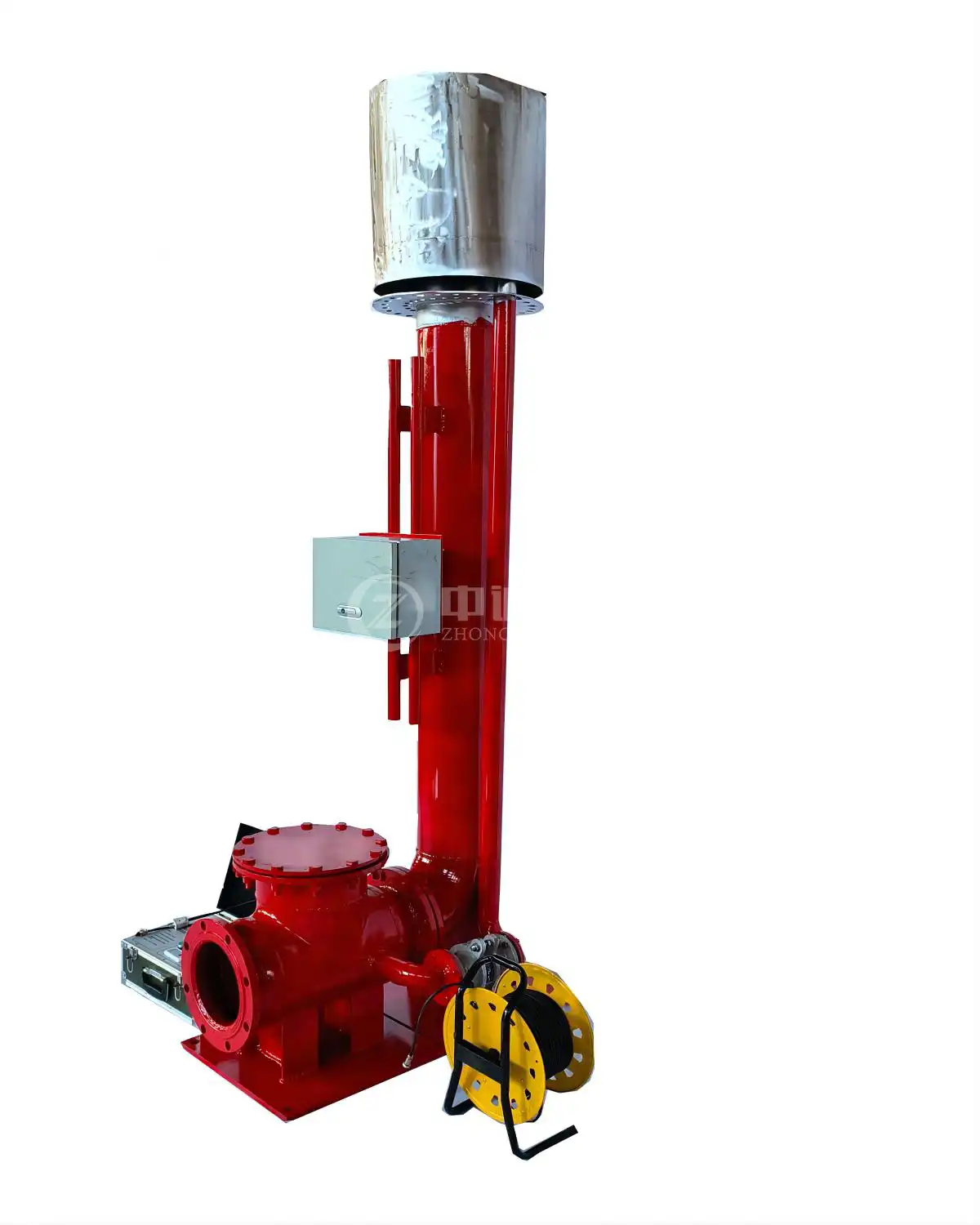
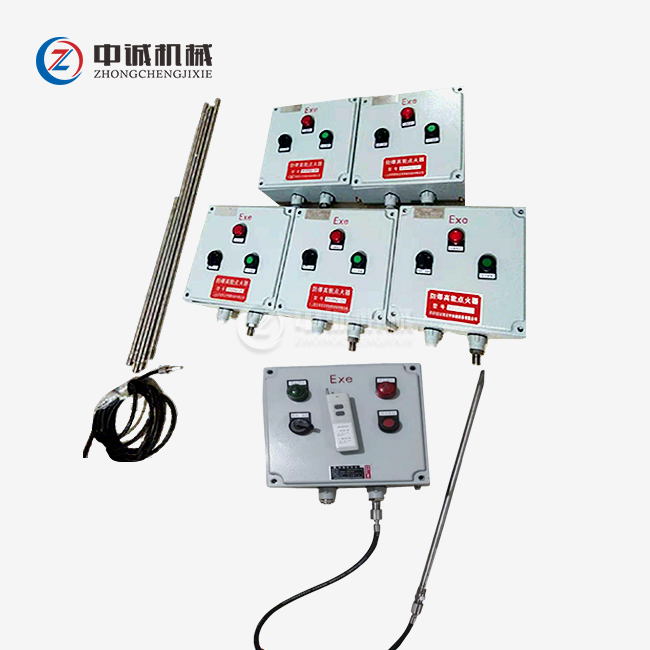
The vertical flare ignition device uses high-energy electronic spark technology to light streams of flammable gasses as soon as they come out of the mud gas separator. The electronic control unit sends a timed ignition pulse to the electrode, which makes a reliable arc within one second. This is different from lighting a torch by hand. This design's instant response keeps unburned hydrocarbons from building up near the rig floor, keeping people and equipment safe.
Essential Components and Their Roles
There are three main parts that make the system work. The high-voltage spark pulse is made by the ignite generator. At temperatures that can go over 1,000°C, the ceramic-insulated electrode rod, which is usually made of SUS316L stainless steel, sends the arc straight into the gas stream. The controller is placed at a comfortable height on the lower bracket, so operators can check the voltage and signal strength without having to climb the tower. This is helpful for nite jobs or when the weather is bad.
Space-Saving Design and Site-Fit Advantages
The electronic flare ignition device - vertical has a vertical configuration that directs the torch head straight upward, giving the unit a compact footprint. Torch sizes of 150 mm and 200 mm are available, while tower heights of 2.5 m and 3 m suit most rig setups. At the top, a stainless-steel cover helps keep the flame stable and protects the electrode from rain and snow, maintaining stable airflow around the ignition point. Because of its compact vertical design, the electronic flare ignition device - vertical does not require the additional side clearance needed by horizontal units, making the electronic flare ignition device - vertical suitable for drilling sites where available space is limited.
Benefits and Advantages of Vertical Electronic Flare Ignition Devices
It's one thing to understand the concept; it's another thing to know why it matters on a working rig. Here are the main benefits this tool brings to work in the oilfield.
- Wind and Shock Resistance: The tower is secured with anchor bolts or a weighted base, which resists lateral wind forces and vibrations from drilling blowouts. This structural stability prevents equipment collapse during high-airflow events.
- Elevated Ignition Head for Ground Safety: Raising the ignition source 2–5 m above ground keeps the active flame away from surface-level cables, manifolds, and inspection personnel, reducing ground fire risk considerably.
- Thermal Convection for Efficient Combustion: The vertical structure uses natural hot-air-rising physics to mix combustible gas and combustion air near the ignition head, improving deflagration efficiency at the ignition moment.
- Dual Ignition Modes: Both remote and manual ignition modes are integrated, giving control room operators and on-site technicians flexibility during startup, shutdown, or emergency situations.
- IP55 Protection Grade Minimum: The electrical enclosure rating of no less than IP55 guards internal components against dust ingress and water jets, extending service life on exposed sites.
Because of these benefits, two of the most common problems on busy drilling sites are sudden failures of the ignition during blowouts and damage to tools from harsh weather. All of these things add up to measured drops in unexpected downtime and maintenance costs.
Comparing Vertical Electronic Flare Ignition Devices with Other Solutions
Vertical vs. Horizontal Electronic Units
The parts of horizontal flare ignition units are spread out along a flat line, which means they need more ground clearance and are harder to place on ocean platform decks or on the edge of mountains. The vertical plan leaves room on the sides for other important tools. Also, ground mud and other debris build up around the electrode heads of horizontal units faster, which leads to more failures caused by contamination. The vertical position keeps the electrodes high, which cuts down on that failure mode by a large amount.
Vertical Electronic vs. Pilot Ignition Systems
Pilot lighting systems need a pilot spark that is always burning and is fed by fuel gas. This increases the cost of fuel over time and increases the chance that the pilot light will go out in strong winds. In most configurations, the electronic version gets rid of the need for a continuous pilot. This saves fuel gas and makes the system easier to use. This difference has real budget effects for places that are far away and have trouble getting fuel.
What the Market Recognizes
When purchasing an electronic flare ignition device - vertical, procurement professionals typically focus on three key technical factors: electrode lifespan, ignition response time, and enclosure security. Under normal operating conditions, high-quality ceramic-insulated wires should last between 2 and 5 years. Field-proven electronic flare ignition device - vertical units designed for emergency opening situations can achieve spark rates of up to 20 sparks per second and response times of less than one second. Evaluating these specifications carefully can help buyers select an electronic flare ignition device - vertical that provides reliable ignition performance and stable operation in demanding field environments.
Procurement Guide for Vertical Electronic Flare Ignition Devices
Key Selection Criteria
Three things you should check to make sure you get the right unit for your project: the torch diameter (150 mm or 200 mm), the tower height (2.5 m or 3 m), and the size of the outlet on your mud gas separator. Check the device's ISO 9001, ISO 14001, ISO 45001, HSE, TÜV, and BV certifications, as well as its measurements. These show that the maker meets international quality and safety standards, which is important during vendor qualification reviews.
Purchasing Workflow and Lead Times
In-stock standard pieces can be sent out in 3 days. Customized designs, like specific bracket sizes, power supply choices (AC 220V/110V or DC 24V for remote solar-powered sets), or changed torch heights, usually need 15 days to make. Before you decide to buy something, ask for engineering drawings, wiring diagrams, and an operation and maintenance manual. This paperwork is needed to keep records for the EPC job and get approvals for completion.
Warranty, After-Sales Support, and Total Cost
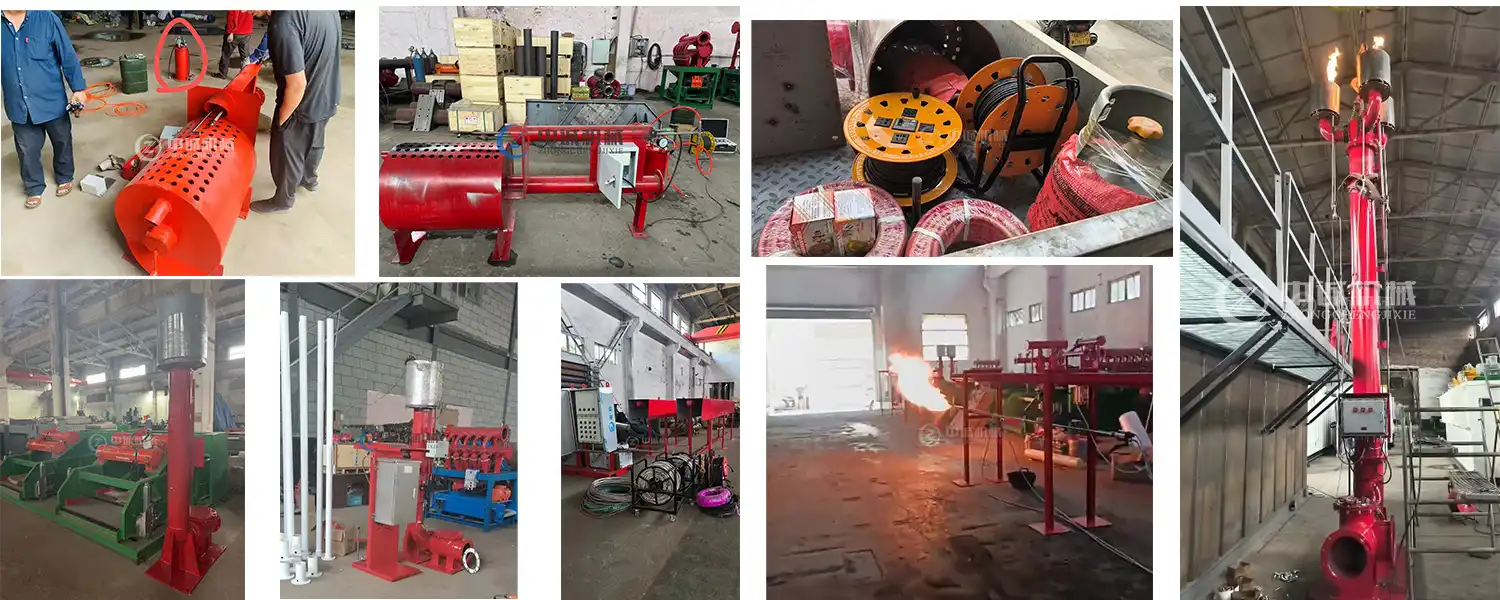
A full one-year guarantee is standard for an electronic flare ignition device - vertical. When evaluating an electronic flare ignition device - vertical, consider how often the spare electrode needs to be replaced, typically every 2 to 5 years depending on gas corrosiveness, as well as how easy it is to service the control panel and access expert support locally. Transport-safe packaging for the electronic flare ignition device - vertical, including plastic film, rainproof tarps, strapping, and, if desired, boxes or wooden crates, helps protect the unit during international freight. Proper packaging can reduce the risk of shipping damage, claims, and project delays, supporting more reliable delivery of the electronic flare ignition device - vertical to the jobsite.
Leading Vertical Electronic Flare Ignition Device Suppliers
There are both well-known instrumentation companies and specific oilfield equipment makers in the global market. Honeywell and Emerson both have large selections of industrial ignitions that work well with process automation. Siemens and ABB are both well-known names in electrical engineering, especially for use in offshore environments. Yokogawa and General Electric stress that their control systems should work with each other through their energy services divisions. Schlumberger (SLB) and Baker Hughes talk about wellsite options that are all rolled into one, which includes flare control.
Shaanxi Xixian New District Zhongcheng Machinery Manufacturing Co., Ltd. (ZHONGCHENGJIXIE) makes vertical flare ignition devices that are perfectly matched to mud gas separators across ZJ30–ZJ90 rig classes. They are perfect for procurement managers who want to work with a dedicated oilfield equipment manufacturer that can do direct production and offer full customization options. With more than 30 years of experience in the field, its own patents, and the ability to produce 200 mud circulation system sets every year, ZHONGCHENGJIXIE guaranties performance backed by BV and TÜV approvals.
Conclusion
The electronic flare ignition device - vertical is more than just a safety feature; it is a space-saving, technically sound piece of equipment that supports well control and environmental compliance on busy drilling sites. Because the electronic flare ignition device - vertical has a small footprint, two ignition modes, an elevated electrode design, and weatherproof construction, it can be used on offshore platforms, land rigs, and sites with limited access. The vertical configuration of the electronic flare ignition device - vertical can consistently meet project requirements without adding unnecessary practical complexity. This makes the electronic flare ignition device - vertical a practical option for procurement teams that value certified equipment, fast delivery, and easy access to technical documentation.
FAQ
What is the electrical protection grade for this device?
The electrical protection grade is no less than IP55, meaning the enclosure resists dust ingress and low-pressure water jets from any direction. This makes it suitable for open-air drilling sites exposed to rain, dust, and mud splash.
Can it operate in remote locations without mains power?
Yes. The device supports AC 220V/110V mains input. DC 24V configurations with solar power and battery backup are also available, making it practical for remote land drilling or pipeline locations where grid power is unavailable.
How does the vertical design handle strong winds during a blowout?
The tower is secured with anchor bolts or a weighted base. The stainless steel windproof cover at the top creates a stable airflow zone around the electrode, preventing arc dispersion in high-wind conditions and ensuring consistent ignition.
What is the standard torch size range?
Torch diameters are 150 mm and 200 mm. Tower heights are 2.5 m and 3 m. These dimensions cover most rig classes from ZJ30 to ZJ90 and can be customized for specific site requirements.
How long do the ignition electrodes typically last?
Under normal operating conditions, high-quality ceramic-insulated electrodes last between 2 and 5 years, depending on the corrosivity and temperature of the gas stream being handled.
Partner with ZHONGCHENGJIXIE for Your Next Oilfield Flare Project
Since it is a certified electronic flare ignition device - vertical manufacturer, ZHONGCHENGJIXIE can offer you direct factory prices, shipping within three days, and full technical documentation support. It has been approved by ISO 9001/14001/45001, TÜV, BV, and HSE. Our engineering team is ready to help you whether you need basic models or configurations that are made just for your rig class. To get a quote, email us at oliver@zcgukong.com or go to zcsolidscontrol.com right now.
References
1. Journal of Petroleum Technology — SPE Publications, 2021
2. Oil & Gas Journal: Flare Management and Combustion Control in Drilling Operations — PennWell Corporation, 2020
3. International Oil and Gas Standards — ISO 9001/14001/45001 Certification Requirements for Oilfield Equipment — ISO, 2018
4. Drilling Engineering: Well Control Equipment and Mud Gas Separation Systems — Gulf Publishing Company, 2019
5. Hazardous Area Classification and Electrical Equipment Selection in Oilfield Operations — IEC/ATEX Standards Review, IEC, 2022
6. Flare System Design and Safety Guidelines for Onshore and Offshore Facilities — American Petroleum Institute (API Standard 537), 2017
.webp)