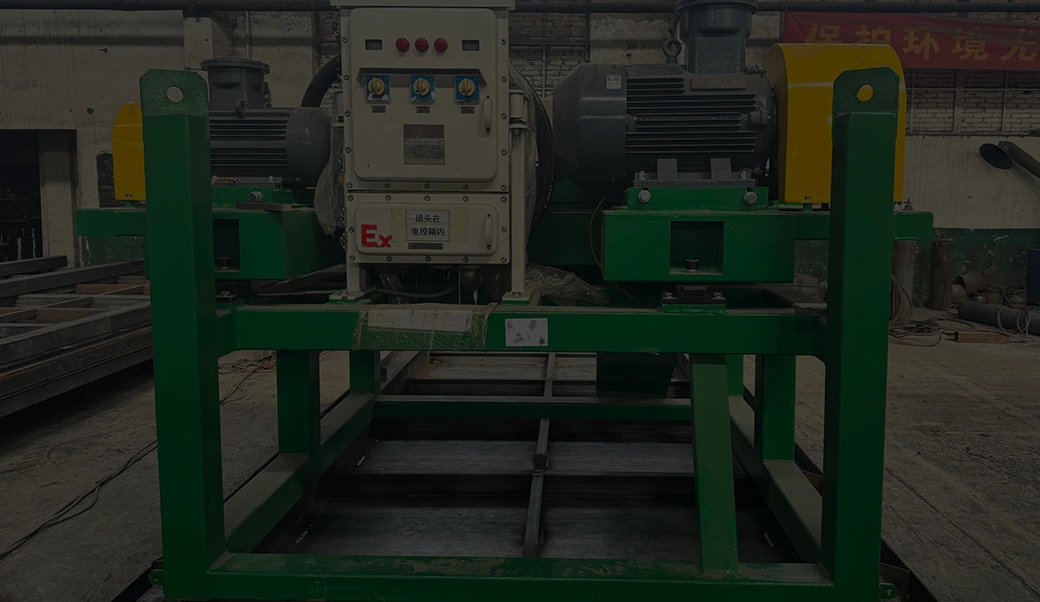
A Vertical Cutting Dryer recovers drilling fluid from oil-based and synthetic-based mud cuttings by spinning them at high speed inside a screen basket. Centrifugal force pushes the liquid through the screen and back toward the mud system, while drier solids leave through a separate outlet. This cuts the oil that travels to disposal, lowers hauling volume, and returns costly base fluid to the rig. Results depend on mud type, cuttings size, feed rate, and system design. In this guide, I explain how the equipment works, how to choose it, how to maintain it, and how to request a quotation.
Understanding the Vertical Cutting Dryer
Why Efficient Drill Cuttings Treatment Matters?
It costs a lot of money for the shale shakers to get wet with oil-based mud (OBM) or synthetic-based mud (SBM). It costs more money because every truck, skip, and barge that moves trash has to carry more weight. Also, the government keeps an eye on the oil that stays on the bits. There are limits on how much cuttings can be kept after they are released by a rule from the U.S. Environmental Protection Agency in 2001 for synthetic-based drilling fluids. In the case of C16–C18 internal olefin base fluids, 6.9 percent is too much. Each state and business deal has its own set of onshore rules. It is better to dry drilling waste in a closed loop, which means that fluid goes back into the active system instead of leaving the site. The main problem that crews on land and at sea have is the same, and a good drying step fixes it right away.
What Is a Vertical Cutting Dryer?
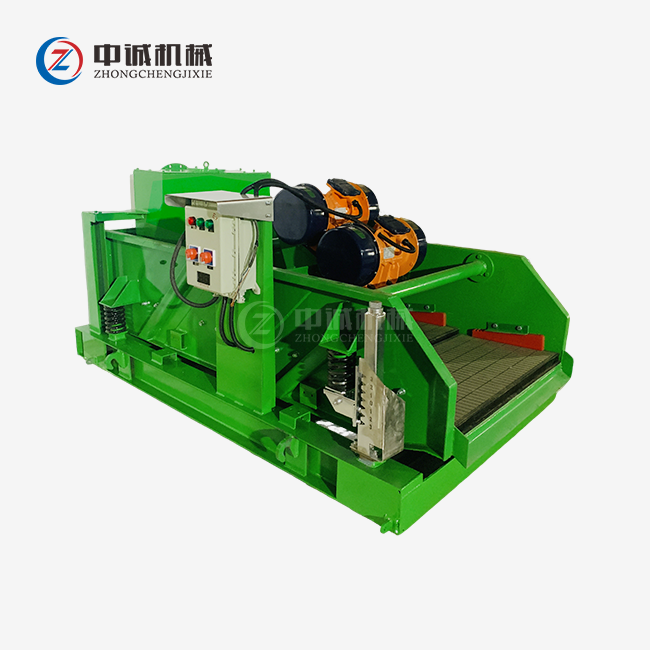
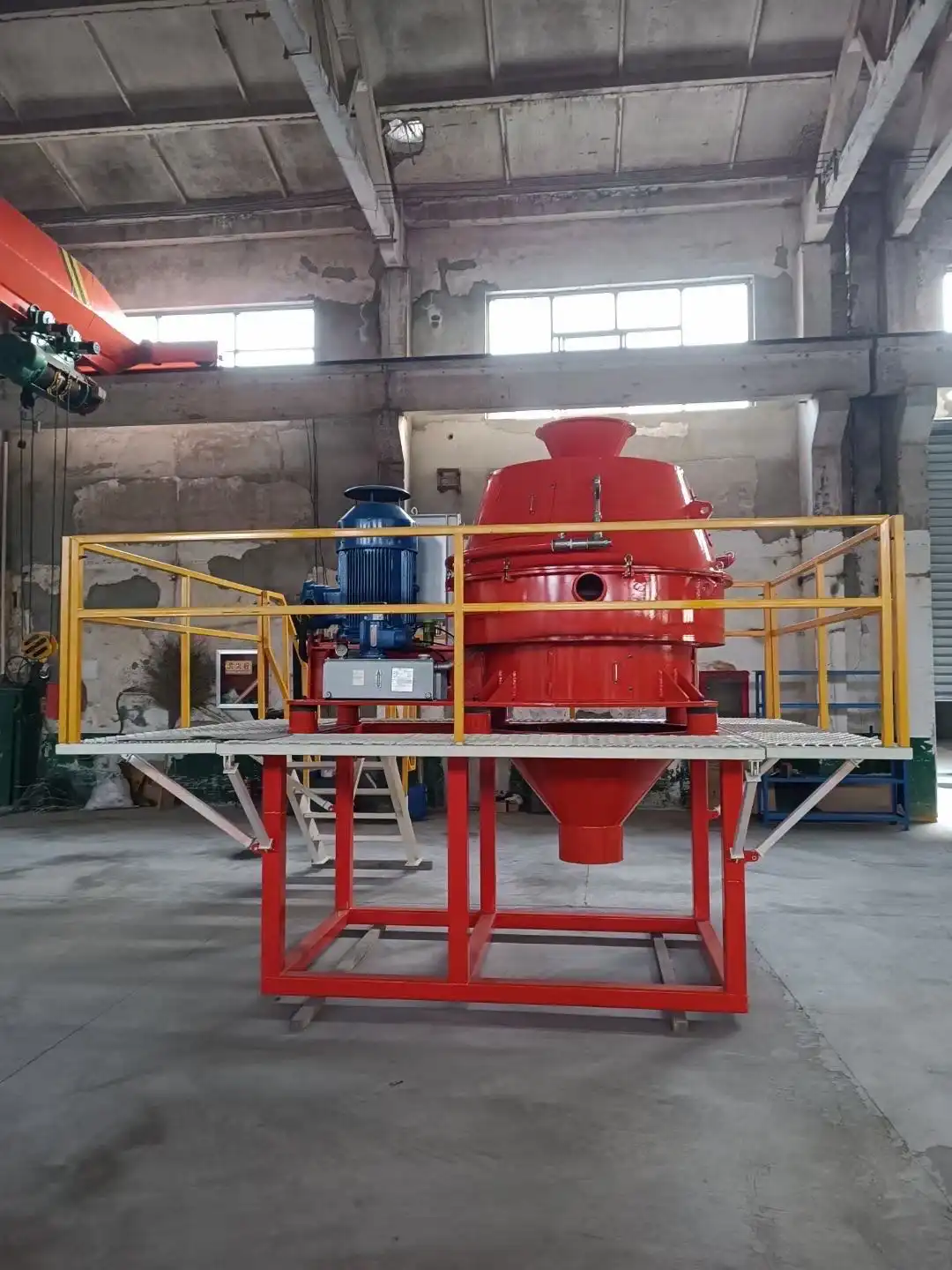
For wet drill cuttings, a vertical cuttings dryer is a spinning filter for solids and liquids. Usually, it is put in place after the shale shakers or other tools that are used to keep solids in check. It spins the grains that have been dumped out and the liquid that is still stuck to them. The ZC Vertical Cutting Dryer from our ZCVCD line is a core dryer that is used to clean up waste and get oil back. It uses a decanter centrifuge to separate the drilling fluid from the small solids. This machine isn't like the others. Also, it's not the same as a thermal unit, which uses heat. The goals stay the same: less liquid on the solids, more fluid that can be used in the mud system, less waste, and things that are easier to work with.
Vertical Cutting Dryer Working Principle
Cuts that are still wet go into the feed opening to begin the process. A basket with a screen on top of it spins them very quickly. Center-of-mass force makes the liquid flow through the screen's holes. For the solids, they stay behind and move toward a different exit. Some of the things that can change the result are the rotor speed, the size of the holes in the screen, the stay time, the feed rate, the viscosity of the mud, and the size of the particles. Back it goes to be cleaned up or treated further, and the solids that have been dried might need to be tested again before they can be thrown away. The unit gets rid of the liquid without burning it because it is not thermal evaporation but mechanical separation. There are changes in how much energy is used, how much pollution is made, and what is done with the oil that is taken out.
Vertical Cutting Dryer Performance and Mud Compatibility
Vertical Cuttings Dryer Performance in Oilfield Applications
Some of the things that are used to rate a dryer are how well it handles wet cuts, how well it divides fluids, how much fluid is retrieved, how good the solids are, how much energy it uses, and how much it costs to run. The ZCVCD series can handle 30 to 50 t/h, and the waste cuttings oil content is 5 percent or less at the end. Just having a score doesn't tell the whole story. It should always be read next to the feed conditions, mud qualities, particle size, and duty cycle. As providers, you should give us the exact conditions for measurement, test data that is typical, and the minimum and guarantyd capacity. Check out not only the price or power of the motor, but also how much it costs to own it all together. Payback time changes because of lower costs for disposal and hauling, as well as base fluid that is recovered.
Vertical Cutting Dryer for Oil-Based and Synthetic-Based Mud
A lot of OBM and SBM pieces are dried in a Vertical Cutting Dryer, which are good places to gather base fluid. How much fluid is recovered, how well it flows, and how much solids are discharged depend on the cuts' make-up, viscosity, rheology, and properties. Some say that water-based mud cuts with a lot of clay can make a screen blind. Before you buy them, you should try them out. In the fields, our unit is made to work with Solids Control Systems. Upstream of the dryer, there should be shakers, mud cleaners, centrifuges, tanks, and pumps that connect to it. As it moves downstream, it should meet up with treatment. It's never been its own machine to me; I always see it as a link in a chain. Because it often still has small solids in it, the recovered fluid may be cleaned in a decanter centrifuge before it is sent back to the main system.
Vertical Cutting Dryer vs. Other Drilling Waste Treatment Technologies
Each tool is made to do a certain job. The water that is still in the drill bits is taken out by a vertical dryer. In a screw dryer, the job is done by a moving screw. The little solids are separated from the drilling fluid by a decanter centrifuge. The cuttings are then heated to get rid of the hydrocarbons through thermal desorption. When you heat something, you waste fluid that can be used again, but when you dry something mechanically, the solids still have some oil on them. Thermodesorption can lower the amount of residual hydrocarbons, but fuel and emissions need to be managed. Sticky or very small solids can stop any mechanical unit in its tracks. When there is a strict hydrocarbon limit, a dryer, a decanter for the recovered fluid, and heat treatment are all technologies that are often used together.
ZC Vertical Cutting Dryer ZCVCD Series Features
Core Parameters and Operating Advantages
The ZCVCD series machines never need to be fed in groups because they work on their own. About 30 to 50 t/h can go through it, and the finished cuts have no more than 5 percent oil. Once the separation is done, the fluid that is taken out is put back into the mud system so it can be used again. That keeps water costs down and gets rid of waste. Costs for trash removal are also kept low by running in a stable, quiet, low-power way that gets a lot done. We adapt the motors' sizes, shapes, and types to each drilling program and material control line because rigs aren't all the same. You can get these motors from well-known brands in the US and other places. Operators on land and at sea can use it to safely handle drilling waste and lower its size.
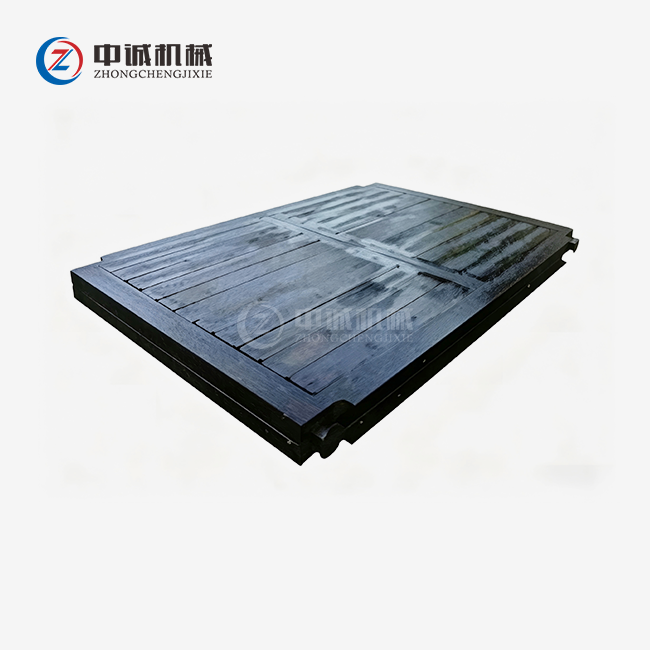
Wear and Corrosion Resistance
Stuff that is rough, shaking, dust, changes in temperature, and acidic media are all bad for the tools that are used on drilling sites. Some of the parts that go into making the ZC Vertical Cutting Dryer are very resistant to wear and rust. This stuff won't be worn down by cuttings or acidic media, so it can be used for a long time in rough drilling conditions. More planned stops will happen, and the person in charge of maintenance will have longer breaks between part changes. For the person in charge of the rig, it means that the dryer moves at the same speed as the fans above it. It also has an ISO 9001 quality management system that is used in our factory. When you compare bids, ask each one to tell you what grade of material the contact surfaces are made of. This little thing is very important and has a big effect on how long the service lasts.
Certifications and System Compatibility
When you look at a supplier, certification is a big deal. ZC Vertical Cutting Dryer is approved by ISO 9001, ISO 14001, and ISO 45001. It is also approved by HSE, TÜV, and BV. It works with material control tools in the oilfield, which makes it easier to treat cuttings properly and get resources back. There are other things we sell as well, like mud cleaners, centrifuges, agitators, pumps, and shale shakers. So, one company can build the whole mud drainage line. This means that tools from different companies don't have to work together. An engineer can look at a single set of drawings and flowcharts instead of putting together papers from different sources. In project-based procurement, the step that takes the most time is usually the expert review. This makes it easy to do.
Selecting, Maintaining, and Sourcing a Vertical Cutting Dryer
How to Choose the Best Vertical Cutting Dryer?
First, choose where and when you want to do the operation with a Vertical Cutting Dryer. There are different options such as onshore, offshore, fixed, and mobile. You should also think about how many cuts you expect to see and how much space and power you have. Next, check how much power they use, how much solids they can move, how much fluid they can get back, and how well they can work with mud. Check to see what you need for automation, working in dangerous places, building materials, safety gear, and getting in to do maintenance. With a weighted rating, it's still the same to compare suppliers. You should rate each bid, give each factor a number, and then add up the points. Lifecycle value, integration needs, documentation, spare parts, references, and support after the sale are all things that you should list along with technical performance. Different people in charge of buying, drilling, and EPC projects see different risks, so it's best to score as a group.
Vertical Cuttings Dryer Maintenance Requirements
Maintenance checks protect the performance and uptime of separation. Every day, you should check the screen for damage, any blockages, noises, the temperature of the bearings, the motor current, the seals, the bolts, the lubrication points, and the feed and output ports. Keep track of how many hours the machine is used, when old parts are replaced, when bearings are serviced, any strange events that happen, and any unplanned breaks. Wear plates, bearings, seals, joints, screens, and control parts are some of the parts that are changed out a lot. Stable feed control and getting rid of big trash upstream keep the screen safe. To cut down on downtime, make sure that workers are well-trained and that key extra parts are close by. You will get operation and maintenance guides along with training in the field when you work on one of our projects.
Vertical Cuttings Dryer Equipment Package and Project Services
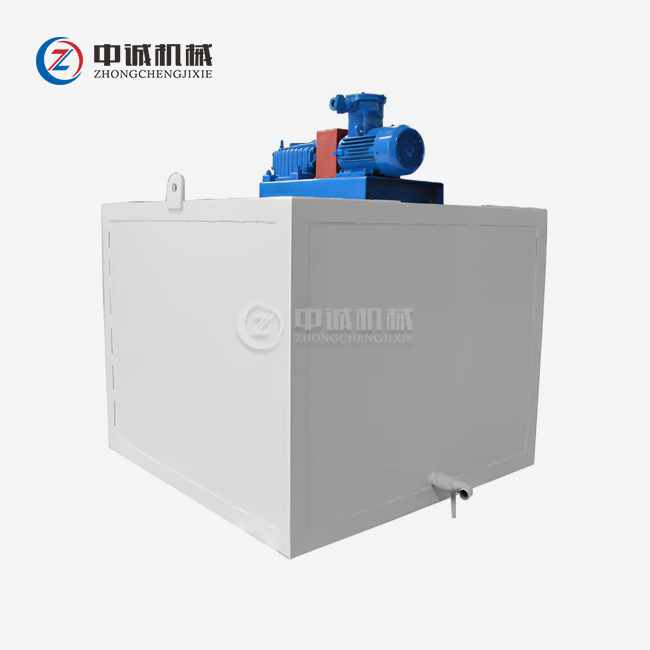
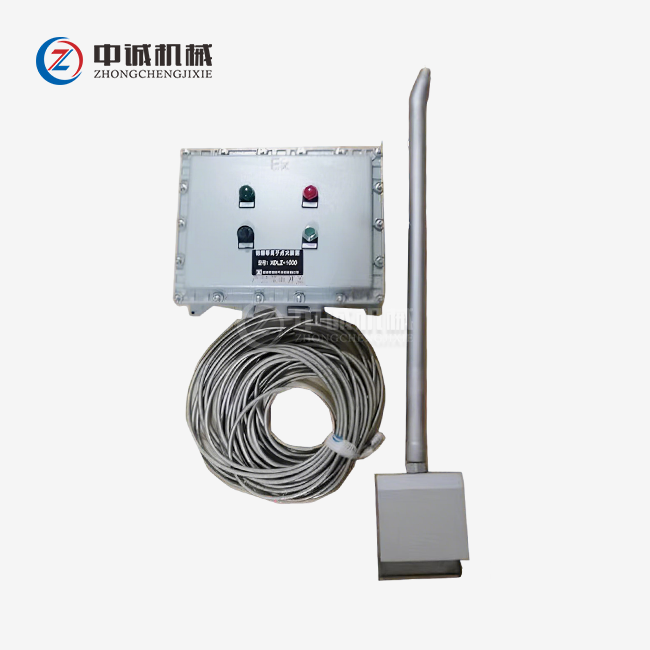
One machine is not the same as a whole set. It usually comes with the dryer, the motor, the drive, the feed inlet, the solids release arrangement, the collection of recovered fluid, the control panel, the safety guards, the skid, the instructions, and any parts that are suggested. There are many choices, such as pumps, tanks, conveyors, tools for conditioning fluids, remote tracking, housing in containers, and electricity systems that won't blow up. Support for ZHONGCHENGJIXIE projects includes operation and maintenance guides, standard export packing, professional setup, long-term technical support, and a guarantee that lasts for one year. Support also includes drawings, flowcharts, and pictures of parts and how they work. When you buy something made to order, it normally takes fifteen days to ship, and three days for items that are already in stock. Having access to the ports of Tianjin and Shanghai lets you deliver goods all over the world.
Procurement Steps and Final Decision
How to Request a Vertical Cuttings Dryer Quotation?
With a full request for quote (RFQ), you can get a good deal more quickly. Tell us about the mud type, the flow rate of the wet cuttings, the amount of liquid in them, the particle size, the abrasiveness, the solids quality goal, the desired fluid recovery rate, the working hours, the site conditions, the power that is available, the certifications that are needed, where the delivery will happen, and what the installation requirements are. As the bids come in, you should think about how much the tools, parts, shipping, insurance, taxes, setup, training, warranty, and running the business will cost. After that, you need to ask each maker four things. Is the test data that it gives correct? Will it say there's enough room? Can it be changed so that it can work at sea or in dangerous places? Can it send a single package? You should know the difference between a catalog price and a clear deal.
Why Work with an Experienced Vertical Cuttings Dryer Supplier?
The skills of the supplier are just as important as the datasheet. A skilled maker knows how the type of mud, the quality of the cuttings, the feed conditions, the speed of the rotor, the amount of wear, and the rate of recovery all affect each other. This is why the manufacturer doesn't just pick equipment based on what it says it can do in the catalog. Things are made by the company ZHONGCHENGJIXIE. There are more than 12 titles that belong to our team. We have worked in this field for more than 30 years. Our plant is 6,300 square meters big and can make 200 sets of mud circulation systems and oil machines every year. It is in Xingping, Shaanxi. Any size, shape, or motor can be changed to suit your needs. People who work as distributors or in EPC also get export paperwork, packaging, directions, and transport plans.
Final Decision: Is a Vertical Cutting Dryer Right for Your Operation?
Businesses that want to collect fluids, lower the amount of liquid in their waste, process it continuously, haul less waste, and save money on dumping fees should get a dryer. More care should be taken with solids that are sticky or very small, waste that is too big, corrosive conditions, tight limits on leftover hydrocarbons, and any other case where hydrocarbons need to be completely destroyed. Take things one step at a time. Define the waste stream, get representative samples, ask for similar proposals, test as needed, look over the lifecycle costs, and make sure there will be support after the sale and during commissioning before you buy. If the amount of OBM or SBM you make stays the same but the cost of getting rid of it goes up, you should add a dryer to your solids control line.
Conclusion
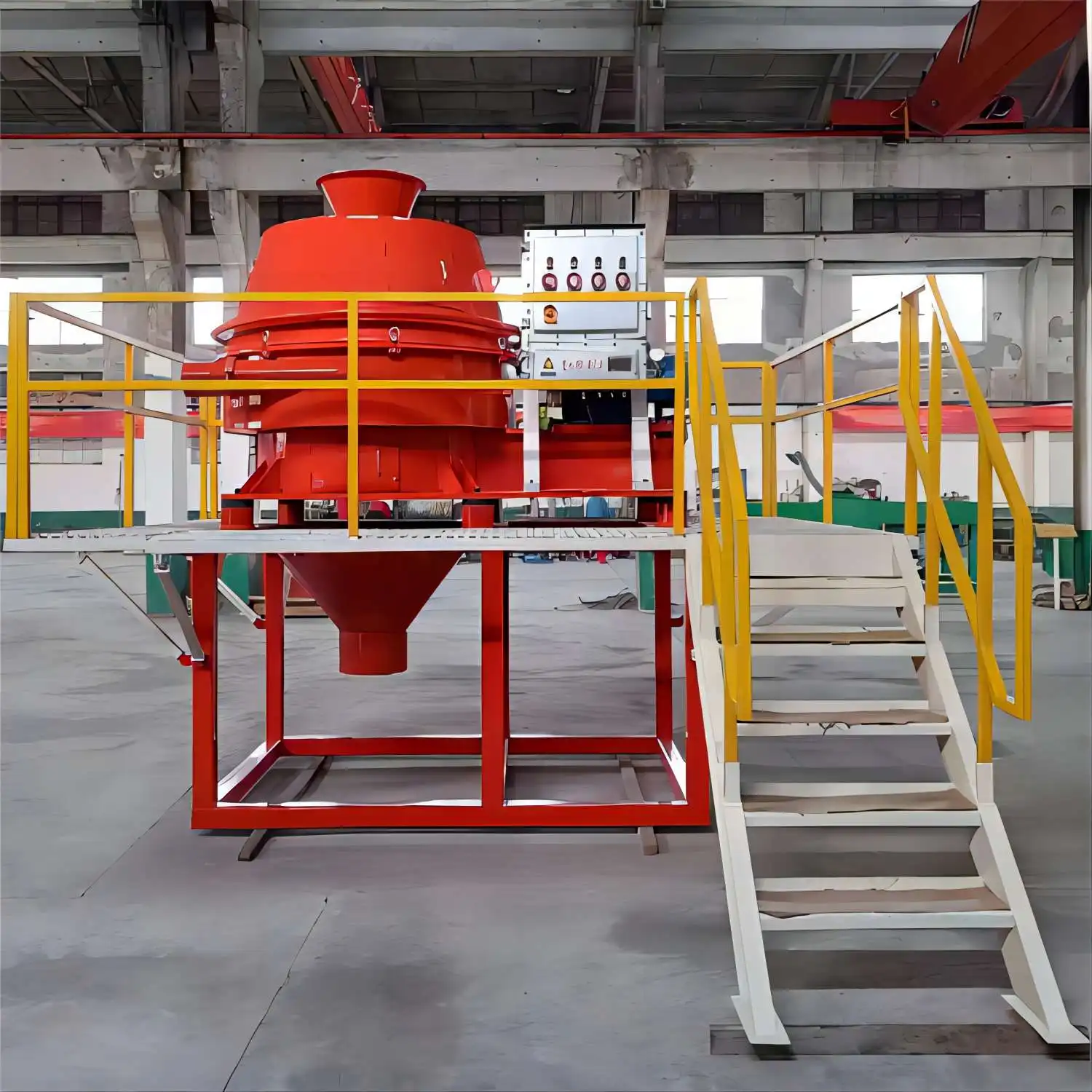
Vertical Cutting Dryer technology uses centrifugal separation to get drilling fluid back from OBM and SBM cuttings. This cuts down on the amount of leftover liquid, the volume that needs to be hauled, and the cost of getting rid of it. People who want to buy a system should look at the capacity numbers next to the test data and measurement conditions. This is because performance relies on the type of mud, the cuttings' size, the feed rate, and how the system is built. Screw dryers, decanter centrifuges, and thermal desorption all come in different types that are used for different jobs and often work together. With a capacity of 30–50 t/h, the ZCVCD line can make cuttings with no more than 5 percent oil. It also runs all the time on its own and is made to last. To make the right choice, you need a weighted evaluation, a full RFQ, planned maintenance, and a provider with a lot of specialized Knowledge and good customer service. First, tests need to be done on solids that are sticky or very small, limits on hydrocarbons that are very low, and mud cases that are mostly water.
FAQ
What does a Vertical Cutting Dryer do?
It turns a screen box that has wet drill bits inside of it. Water flows through the screen because of centrifugal force, and it can be used again. The solids, on the other hand, go through a different opening.
Does it work with oil-based and synthetic-based mud?
Yes. This is the main reason why these muds are used. Reusable base fluid is kept in them. If you use water-based mud cuts with a lot of clay, screens might not stand out as much. Try some out before you buy them.
What capacity does the ZCVCD series offer?
The ZCVCD series can handle 30–50 t/h, and the oil level in the finished cuttings must be around 5%. The effects depend on how the machine is set up, the materials that are fed into it, and how they behave.
How is it different from a decanter centrifuge?
Drill bits are dried to get rid of the water. A decanter centrifuge takes out the stronger solids from drilling fluid. In many systems, they are used together.
What should I send for a quotation?
Send the type of mud, the rate at which the cuttings flow, the target oil content, where the site is, how much power it has, and when the delivery is due. Our professionals will give you one choice.
Request a Vertical Cutting Dryer Recommendation or Quotation from ZHONGCHENGJIXIE
The company ZHONGCHENGJIXIE has been making direct Vertical Cutting Dryers for more than 30 years. Tell them what kind of mud you have, how many cuttings you make, where your site is, and how the power is. We will get back to you with a quote, professional plans, and an idea that is just right for your job. When you buy something made to order, it normally takes fifteen days to ship, and three days for items that are already in stock. Send your question to oliver@zcgukong.com or go to zcsolidscontrol.com to begin them.
References
1. U.S. Environmental Protection Agency, Effluent Limitations Guidelines and New Source Performance Standards for Synthetic-Based and Other Non-Aqueous Drilling Fluids in the Oil and Gas Extraction Point Source Category, Federal Register, 2001
2. OSPAR Commission, OSPAR Decision 2000/3 on the Use of Organic-Phase Drilling Fluids and the Discharge of OPF-Contaminated Cuttings, 2000
3. International Association of Oil & Gas Producers (OGP), Environmental Aspects of the Use and Disposal of Non Aqueous Drilling Fluids Associated with Offshore Oil & Gas Operations, Report 342, 2003
4. ASME Shale Shaker Committee, Drilling Fluids Processing Handbook, Gulf Professional Publishing, 2005
5. Caenn, R., Darley, H.C.H., and Gray, G.R., Composition and Properties of Drilling and Completion Fluids, Gulf Professional Publishing, 2017
6. International Organization for Standardization, ISO 13501: Petroleum and Natural Gas Industries — Drilling Fluids — Processing Equipment Evaluation, 2011