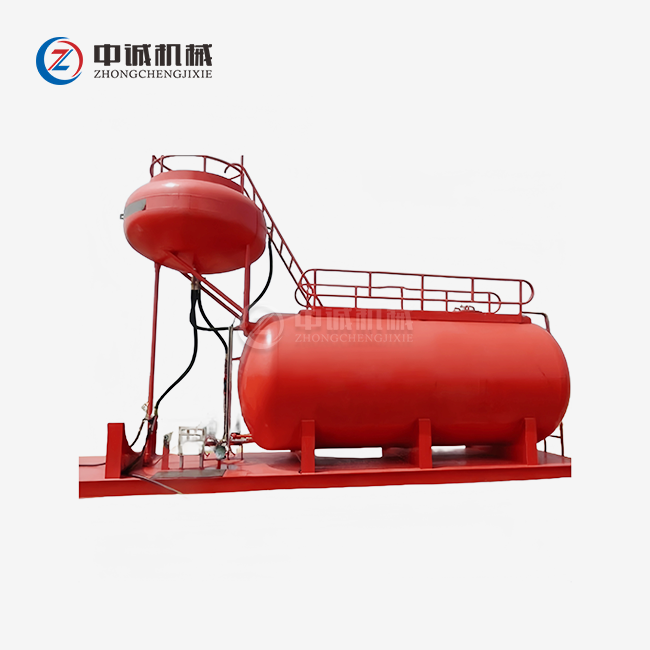
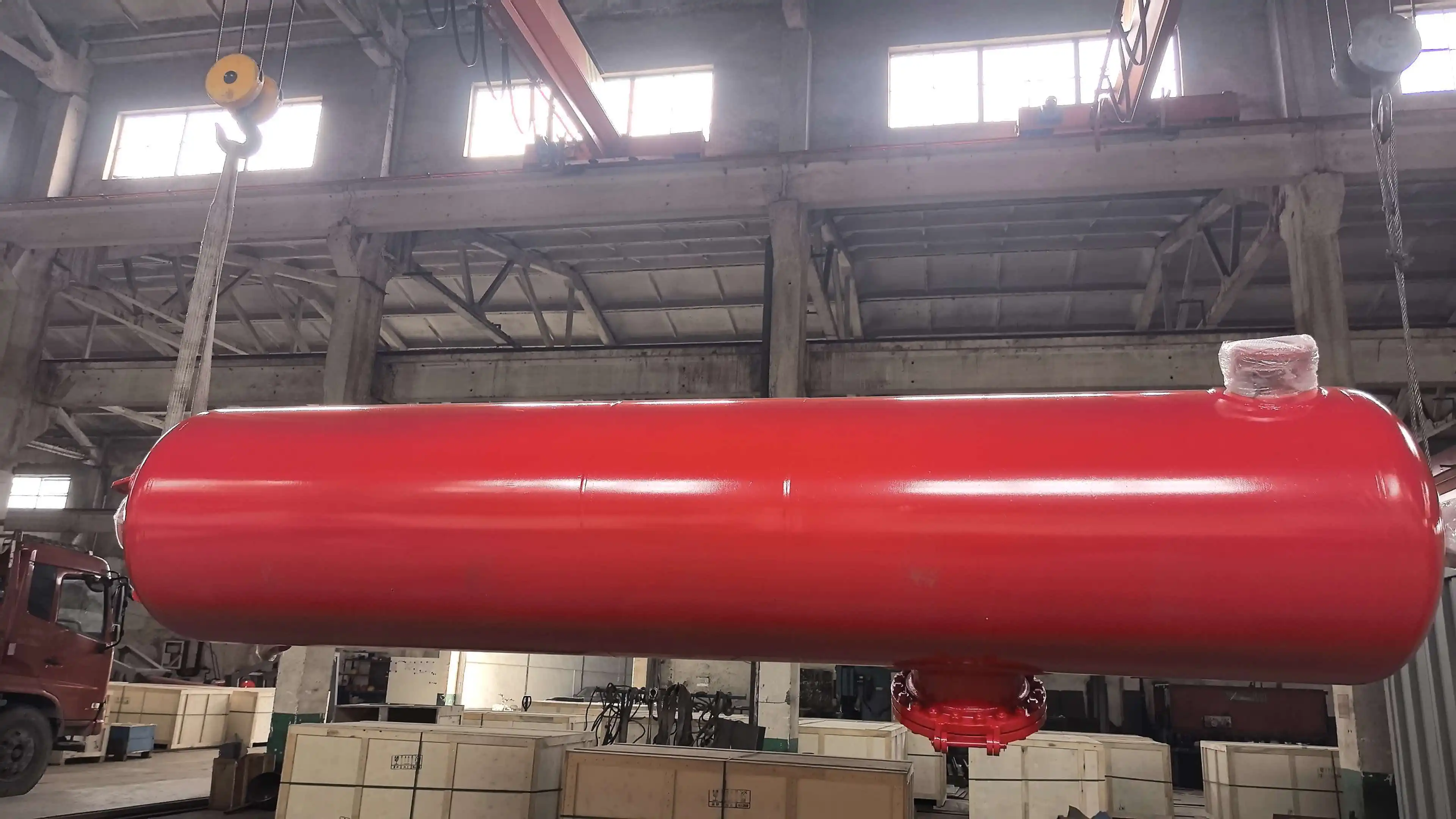
A Mud Gas Separator (MGS), widely known in the field as a Poor Boy Degasser or gas buster, delivers one defining benefit to modern well control systems: it safely removes large volumes of free gas from gas-cut drilling fluid before that fluid ever reaches the shaker tanks or mud pits. By doing so, it protects personnel, preserves mud properties, prevents blowout conditions, and keeps drilling operations running without costly interruptions. For any drilling contractor or oilfield service company working under pressure, this device is not optional — it is the first line of defense.
Understanding
What the Device Actually Does?
The MGS is located after the choke manifold and receives gas-cut mud that comes back from the wellbore during a kick or overflow event. Its job is to separate the gas and mud and send the gas safely to a vent line or flare boom. The clean mud is then sent back to the operating system. Without this split, dangerous gases like H2S could move into open mud tanks and make the rig floor a dangerous place to explode or suffocate.
How Separation Occurs?
Three physical factors work together to separate the gases inside the vessel: impingement, gravity settling, and controlled release. When fluid comes in, it hits the internal baffle plates very quickly. The impact separates the gas bubbles inside, and the difference in density between gas and liquid makes them rise on their own. The released gas goes up and out through the top vent line, while the mud that has been cleaned of gas leaves through the bottom outlet. A well-thought-out U-tube design at the base keeps a hydrostatic liquid seal that stops gas from leaving through the mud exit. This is called "blow-through."
Equipment Design and Type Selection
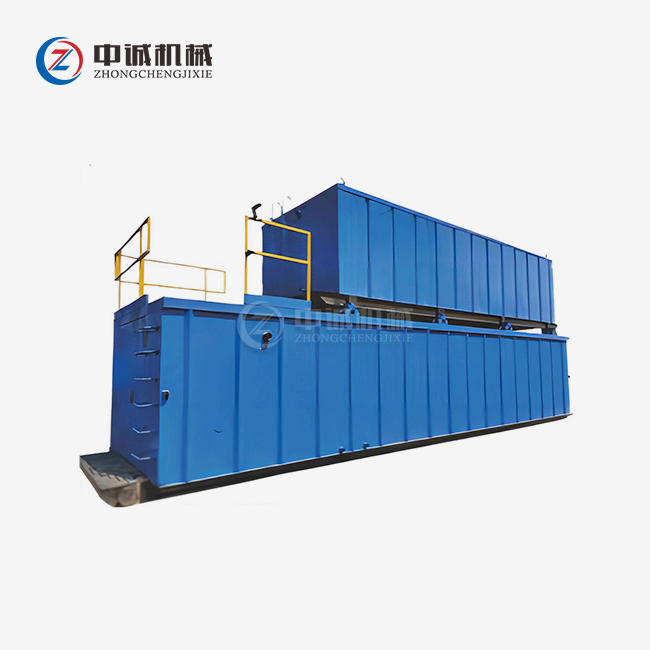
Most modern separators have a body diameter of between 600 mm and 1,200 mm and a working pressure of between 1.6 MPa and 6.4 MPa. There are manual, automatic, and skid-mounted versions of the units. The choice is based on the expected gas volume, the weight of the mud, the input pressure, and whether the well will be servicing sour gas (H2S). For sour environments, the vessel needs to be made of carbon or alloy steel that meets the standards set by NACE MR0175 and ISO 15156. Units that have been properly certified come with an explosion-proof electronic ignition device as standard.
Key Benefits of Mud Gas Separator in Well Control Systems
Personnel and Rig Safety
Safety is the most direct gain. The separator keeps gas from getting into the suction system and causing a surface blowout by collecting and letting out large amounts of gas through a controlled path. Workers don't have to be on the ship during high-gas events because they can operate it from afar. HSE standards are met by units with an electrical protection rating of IP55 and explosion-proof lighting systems. These systems also lower the risk of starting a fire in dangerous areas.
Continuous Mud Circulation
Gas kicks don't have to stop the well. As long as the gas-liquid filter is the right size, the drilling crew can use a Mud Gas Separator (MGS) to handle a kick without having to turn off the mud system. The separator deals with sudden increases in gas in real time, so the solids control equipment further down the line, like shale shakers and centrifuges, can keep processing mud at normal flow rates. This cuts down on non-productive time (NPT), which, according to data from the industry, can cost workers on difficult wells between $100,000 and $500,000 per day.
Environmental Compliance
Most places make it illegal for gas to leak out of the rig floor without being managed. A gas buster sends all the separated gas to a controlled flare or vapor recovery system. This keeps the amount of pollution below the limits that are allowed. The internal epoxy covering is resistant to chemical attack. This means that over the course of its service life, the tank itself does not become a source of contamination. This backs up the ESG reporting requirements that investors and lawmakers are putting more and more pressure on oilfield owners.
Every time someone buys well control gas separation equipment, they base their choice on these three benefits: safety, operating continuity, and environmental compliance.
Comparing Mud Gas Separator With Other Well Control Equipment
MGS vs. Vacuum Degasser
There are small amounts of dissolved or entrained gas that stay in the mud after normal circulation. A vacuum degasser removes this gas. It only works with small amounts of gas and can't handle the volume of a kick. The Mud Gas Separator, on the other hand, is designed to handle large amounts of free gas. Both machines work together: the MGS handles the first surge, and the vacuum degasser smooths out the mud before it goes back into the well.
MGS vs. Shale Shaker
The shale shaker screens the mud mechanically to get rid of drill solids like cuttings and sand. It doesn't help get rid of gas. If you send high-gas-cut mud to the shale shaker without first putting it through a gas splitter, it could start a fire and damage the screen panels. The divider should be put upstream of the shakers for the system to work right.
Selecting the Right Equipment Based on Well Conditions
An easy-to-use skid-mounted machine with a 600 mm body width might be enough for a normal onshore well with low gas potential. Larger vessels (up to 1,200 mm in diameter) with automatic controls, sour service material certification, and steam heating coils are needed for high-pressure, high-temperature (HPHT) wells or managed pressure drilling (MPD) operations that take place in cold weather. Before comparing prices, procurement teams should look at how well the split works, the range of working pressures, and how resistant the product is to corrosion.
Procurement Considerations: Choosing the Right Gas Buster for Your Operation
Technical Specifications That Matter
Three things should be checked by procurement managers and drilling engineers before a purchase order is made for a Mud Gas Separator (MGS): the vessel's rated working pressure should match the highest expected wellhead pressure; the body diameter and internal baffle configuration should be able to handle the highest mud flow rate; and the material certificate should confirm NACE compliance if H2S is possible. It is necessary for classified rig areas to have electrical protection of at least IP55.
Supplier Evaluation Criteria
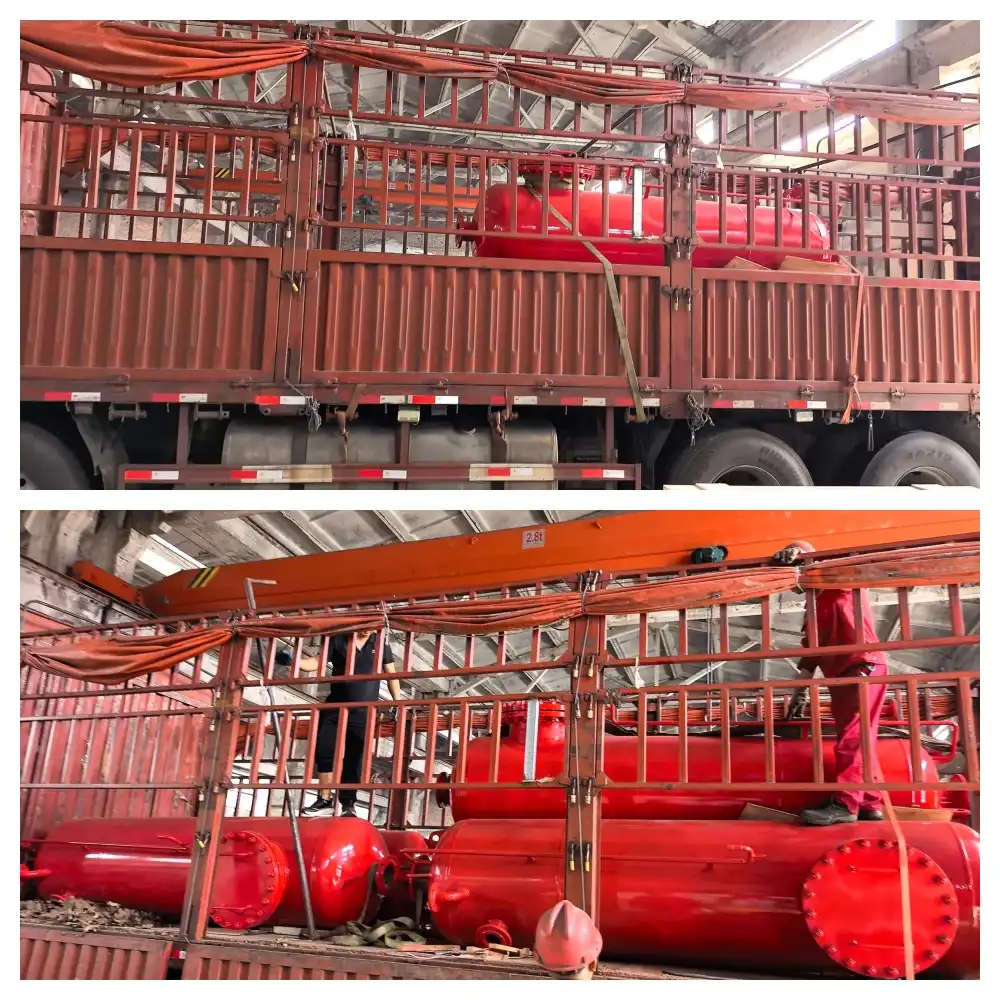
An honest company should have ISO 9001, ISO 14001, and ISO 45001 certifications, as well as approvals from outside groups like TÜV and BV. On request, you should be able to get factory inspection records, hydrostatic test certificates, and NDT results (for example, a radiographic or ultrasound weld test). Ask the seller directly if they offer fitting help, help with commissioning, and a structured one-year guarantee with easy-to-find replacement parts. The time it takes to deliver is important. Standard units that are in stock should be sent out within three to five business days.
Total Cost of Ownership
The price isn't the only thing that matters. When there is rough flow, a vessel with a high-performance epoxy covering lasts a lot longer than one that isn't covered. Since the separator doesn't have any moving parts, it doesn't need much maintenance and doesn't break down often, even when it's used 24 hours a day, seven days a week. When you think about how much it costs to have a unit that doesn't work or is the wrong size, it's easy to see why you should buy a well-designed separation.
Installation, Operation, and Maintenance Best Practices
Pre-Installation Checks
Check that the choke manifold outlet on the rig is properly connected to the separator inlet tip. Also, make sure that the vent line can easily reach the flare boom or gas vent stack. The vessel needs to be put on a stable, level surface. Before the first use, make sure that all of the flange connections and gaskets are in good shape. Also, make sure that the U-tube liquid seal depth matches the engineering specification to make sure that the designed blow-through pressure threshold is met.
Operational Monitoring
Check the inlet pressure and mud level inside the tank often during a kick cycle. If the differential pressure drops quickly, it could mean that the liquid seal is being broken. At the base of the vessel, flush ports let operators get rid of solids that have built up without having to shut down the whole unit. Optional steam heating coils keep mud from hardening inside the vessel and stopping flow paths when working in cold climates.
Scheduled Maintenance
After each well or at least every 500 hours of operation, flush the inside of the tank to get rid of any sand and drill bits that have built up. Check the filter plates for damage that could be caused by rough solids moving quickly through the flow. Make sure the epoxy covering inside is still strong, and fix any damage right away to stop rust. Check that all of the vent and drainage valves work properly, and compare the new hydrostatic seal depth to the original design specification.
Conclusion
If you choose the right Mud Gas Separator (MGS) and keep it in good shape, it will safely handle gas kicks during digging operations. It keeps people safe, keeps the mud moving, and meets environmental and legal standards. The equipment is one of the most reliable in the well control equipment line because it has no moving parts, a stable liquid seal, and a design that lets gravity do the work. If you work in a place where gas could come in, buying a good divider from a reputable company is both a good technical and business move.
FAQ
What is the main difference between an MGS and a vacuum degasser?
During a kick event, a Mud Gas Separator deals with a lot of free gas. A vacuum degasser takes out small amounts of gas that has dissolved or become entrained in mud while it is flowing normally. Both are useful in their own ways, but they are usually used together in a full solid control system.
How do I size a mud gas separator correctly?
The size is determined by the highest gas flow rate that is expected, the mud weight and flow rate that is expected, and the working pressure at the separator's entrance. Based on the factors of your well program, a manufacturer who can do engineering can give you a size estimate.
Can an MGS be used in H2S service?
Yes, as long as the tank is made from material that meets NACE MR0175/ISO 15156 standards and has been heated after being welded. To make sure agreement, welds must be tested for hardness. Before buying something, you should always ask for the material test result and inspection proof.
What maintenance does an MGS need after a well is completed?
Flush the inside to get rid of any solids that have built up, look for wear on the baffle plates and damage to the coating inside, and make sure that all the valves and the U-tube seal level stay within the specs.
Can the equipment be customized for specific rig configurations?
Yes, the skid size, body diameter, inlet/outlet nozzle position, and add-ons like steam heating coils or flush ports can all be changed to fit different rig plans and working conditions.
Get a Tailored Mud Gas Separator Quote from ZHONGCHENGJIXIE
ZHONGCHENGJIXIE is a straight maker of Mud Gas Separators(MGS) that has been in business for more than 30 years and has ISO 9001/14001/45001 certification as well as TÜV & BV approval. Our gas-liquid separators are fully backed by installation and commissioning support and ship within 3 days for units that are in stock. They also come with a 1-year warranty. You can email our engineering team at oliver@zcgukong.com or go to zcsolidscontrol.com to look at the specifications and ask for a quote.
References
1. American Petroleum Institute. API Recommended Practice 53: Blowout Prevention Equipment Systems for Drilling Wells. 2012.
2. SPE International. SPE-143987: Well Control Procedures and Gas Separation in Managed Pressure Drilling Operations. 2011.
3. NACE International. NACE MR0175 / ISO 15156: Materials for Use in H2S-Containing Environments in Oil and Gas Production. 2015.
4. Bourgoyne, A.T., Millheim, K.K., Chenevert, M.E., & Young, F.S. Applied Drilling Engineering. Society of Petroleum Engineers. 1986.
5. Grace, R.D. Blowout and Well Control Handbook. Gulf Professional Publishing. 2003.
6. Oil & Gas Journal. "Well Control Equipment Selection and Field Performance Standards". 2019.
.webp)