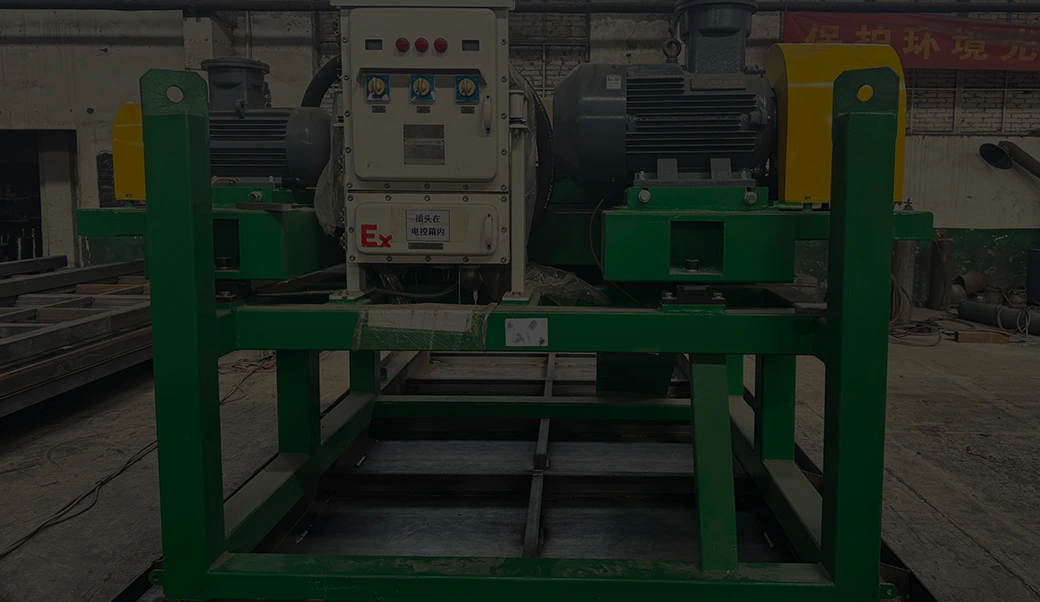
When drilling fluid management demands precision and zero tolerance for leakage, the tank bottom valve delivers reliable manual flow control. This tank bottom valve - handwheel type is a core flow control component installed at the base of mud tanks within suction manifold systems. It governs fluid intake, helps prevent backflow, and allows independent operation of individual tanks. With a nominal diameter range of 200–400 mm, a self-sealing conical valve core, and a chrome-plated stem built to handle abrasive slurry, the tank bottom valve - handwheel type is an essential part of any solids control circuit on active drilling sites. Proper selection of the tank bottom valve - handwheel type can also support stable fluid handling and reduce leakage risks during drilling operations.
Understanding the Tank Bottom Valve
What This Valve Actually Does on a Drilling Site
In a system for moving mud around, the tank bottom valve is placed at the point where each mud tank section is sucked in. Its job is to decide which tank sends water to the pump and to stop all flow when changing tanks or doing repairs. Without it, it would be impossible for tanks to work on their own, and there would always be a chance that different batches of fluid would get contaminated.
How the Handwheel Mechanism Works
The handwheel turns a screw stem, which moves the valve cone up and down, toward or away from the seat. As the mud pressure inside the tank rises, it strengthens the seal instead of weakening it. This self-sealing feature makes the tank work better when it's under load. Operators on the platform above the tank can tell where the valve is by counting the turns of the handwheel or looking at the height of the stem.
Materials Built for Mud Environments
The valve seat and cone are made of metals or synthetic rubber materials that don't wear down easily and are rated for drilling fluid that is rough. The stem is made of chrome-plated carbon steel, which is strong against both chemical and mechanical wear. The body of the valve doesn't rust, and it has a general electrical security grade of at least IP55, so it can be used in wet, dusty, and vibration-heavy fields.
Advantages and Performance of Handwheel Type Tank Bottom Valves
It is well known that the tank bottom valve works reliably on busy drilling rigs. Because the tank bottom valve - handwheel type has a mechanically simple design, it has fewer potential failure points, while its self-locking screw mechanism helps prevent vibration from unintentionally moving the valve. This makes the tank bottom valve - handwheel type an important safety component on an operating rig floor, where stable and controlled fluid flow is essential.
These are the main benefits of this type of valve that make it stand out in tough field conditions:
- Self-locking under vibration: The screw drive mechanism cannot be disturbed by rig vibration, ensuring process switching remains under operator control at all times. This prevents unintended valve movement during high-frequency drilling operations, protecting both fluid quality and rig crew safety.
- Pressure-assisted sealing: As internal mud pressure rises, the conical valve core seats more firmly against its rubber or alloy sealing surface. This means the valve actually performs better under load than at rest, which is the opposite of many standard gate valve designs used in similar applications.
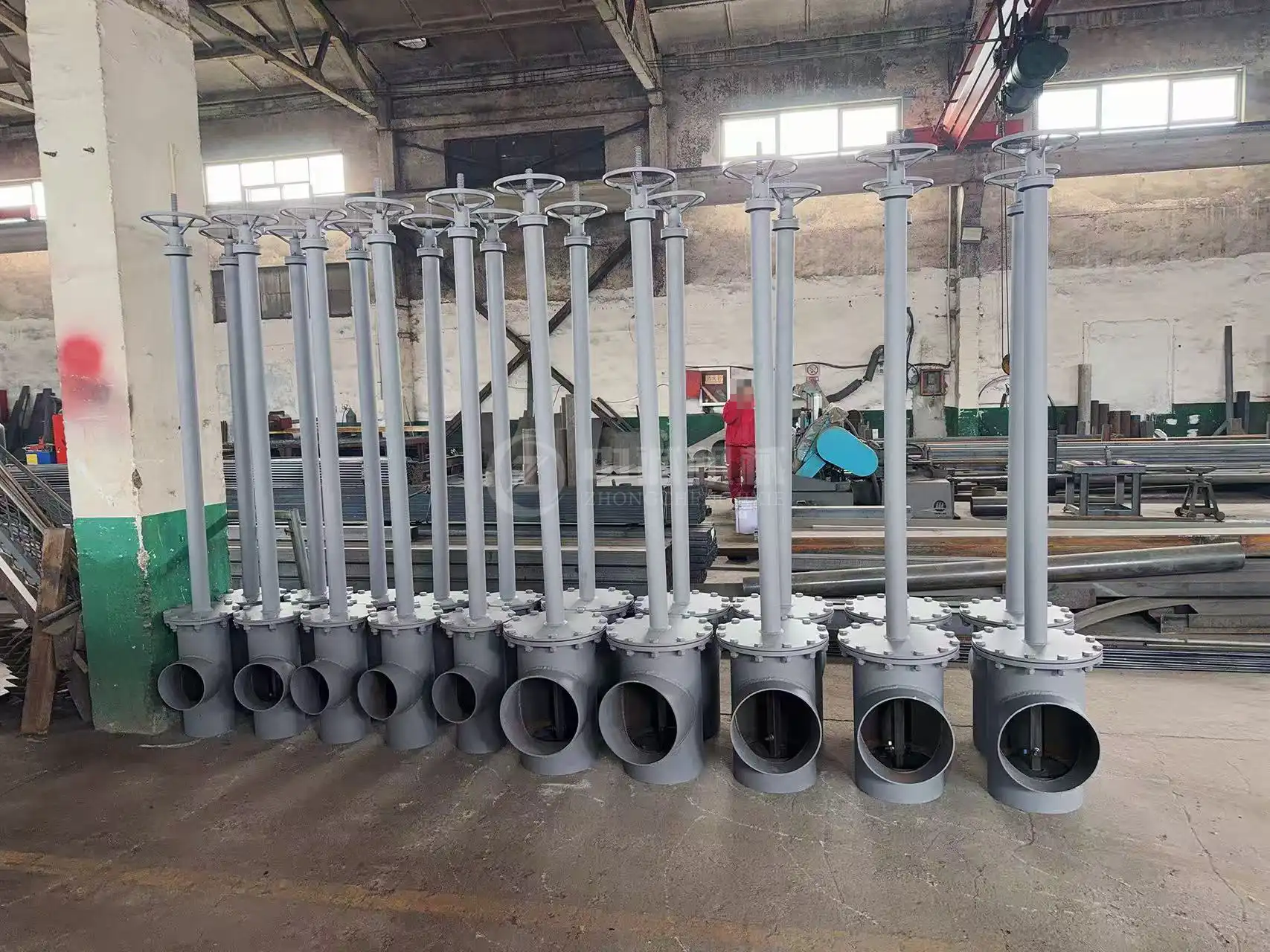
- Customizable stem length: The vertical long-stem design can be specified to match the depth of any mud tank. The handwheel mounts at platform level, so operators never need to reach down into the tank — improving both ergonomics and response time during critical fluid switching operations.
These benefits directly deal with the most common problems that happen in mud tank manifold systems, such as flow reversing by mistake, leaks under pressure, and slow response times during emergency shutoffs. If drilling contractors are in charge of more than one active tank at the same time, they have to have this level of control.
Maintenance Is Straightforward
As part of regular maintenance, the sealing surface is checked for wear, the stem thread is oiled, and the seat seal is checked after long use. Since it's mechanical instead of gas or electronic, field workers can fix it with regular tools and without having to learn any special skills.
Comparing Handwheel Type Tank Bottom Valve with Alternative Valve Types
Handwheel vs. Lever-Operated Valves
It is easy for high-cycle, low-precision applications to use lever valves because they open and close quickly. In contrast, the tank bottom valve - handwheel type allows operators to fine-tune the valve position and provides a self-locking hold that lever designs cannot match. For mud tank manifolds where precise flow adjustment and secure valve positioning are important, the tank bottom valve - handwheel type provides controlled operation and stable locking performance. Choosing the tank bottom valve - handwheel type can therefore help operators maintain consistent flow rates and reduce the risk of unintended valve movement during drilling operations.
Handwheel vs. Pneumatic Actuated Valves
Pneumatic valves can be controlled from a distance, but they need an air source and control system that work. Instrument air can be unreliable in remote or offshore drilling sites, but a manual handwheel valve doesn't depend on an outside utility. It opens when you turn it and stays open until you turn it back. There is no need for a warning.
Stainless Steel vs. Cast Iron Construction
Chemicals in water- and oil-based drilling fluids don't react with bodies made of stainless metal. Cast iron is heavier and more likely to get pits when fluids are acidic. For long-term use in corrosive mud systems, metal building lowers the number of times the equipment needs to be replaced and its overall cost over its lifetime.
How to Choose the Right Handwheel Type Tank Bottom Valve for Your Application
Match Nominal Diameter to Flow Demand
The diameter range of 200–400mm is wide enough to fit most standard mud tank suction manifold configurations for drilling rigs from ZJ30 to ZJ90. Choosing the right hole size for the pump's suction capacity keeps the flow from being slowed down and keeps the valve from becoming a circulation circuit bottleneck.
Verify Sealing Material Compatibility
Different rubber sealing compounds can handle different amounts of oil-based fluids, high temperatures, and chemical additives. Before you buy, make sure that the seat material meets the requirements of your drilling fluid program. In mud service, valves that fail too soon are most often caused by seal materials that don't match.
Confirm Supplier Certification and Support Capability
A tank bottom valve - handwheel type installed in a pressurized mud system must come from a supplier that can demonstrate consistent manufacturing quality. When sourcing a tank bottom valve - handwheel type, check whether the company meets ISO 9001, ISO 14001, ISO 45001, and HSE requirements, and verify any third-party approvals from organizations such as TÜV and BV. It is also important that the supplier of the tank bottom valve - handwheel type can provide installation drawings, commissioning support, and a clear warranty covering at least one full year of operation. These requirements help ensure that the tank bottom valve - handwheel type is suitable for reliable use in demanding drilling environments.
Procurement and Installation Guide for Handwheel Type Tank Bottom Valves
What to Confirm Before Placing an Order
Check the theoretical diameter, stem length in relation to tank depth, sealing material grade, body material specification, and connection clamp standard before making a final purchase. Ask for material test results and documentation of pressure tests as normal deliverables, not as extras that you can choose not to get.
Packaging and Logistics for Field Delivery
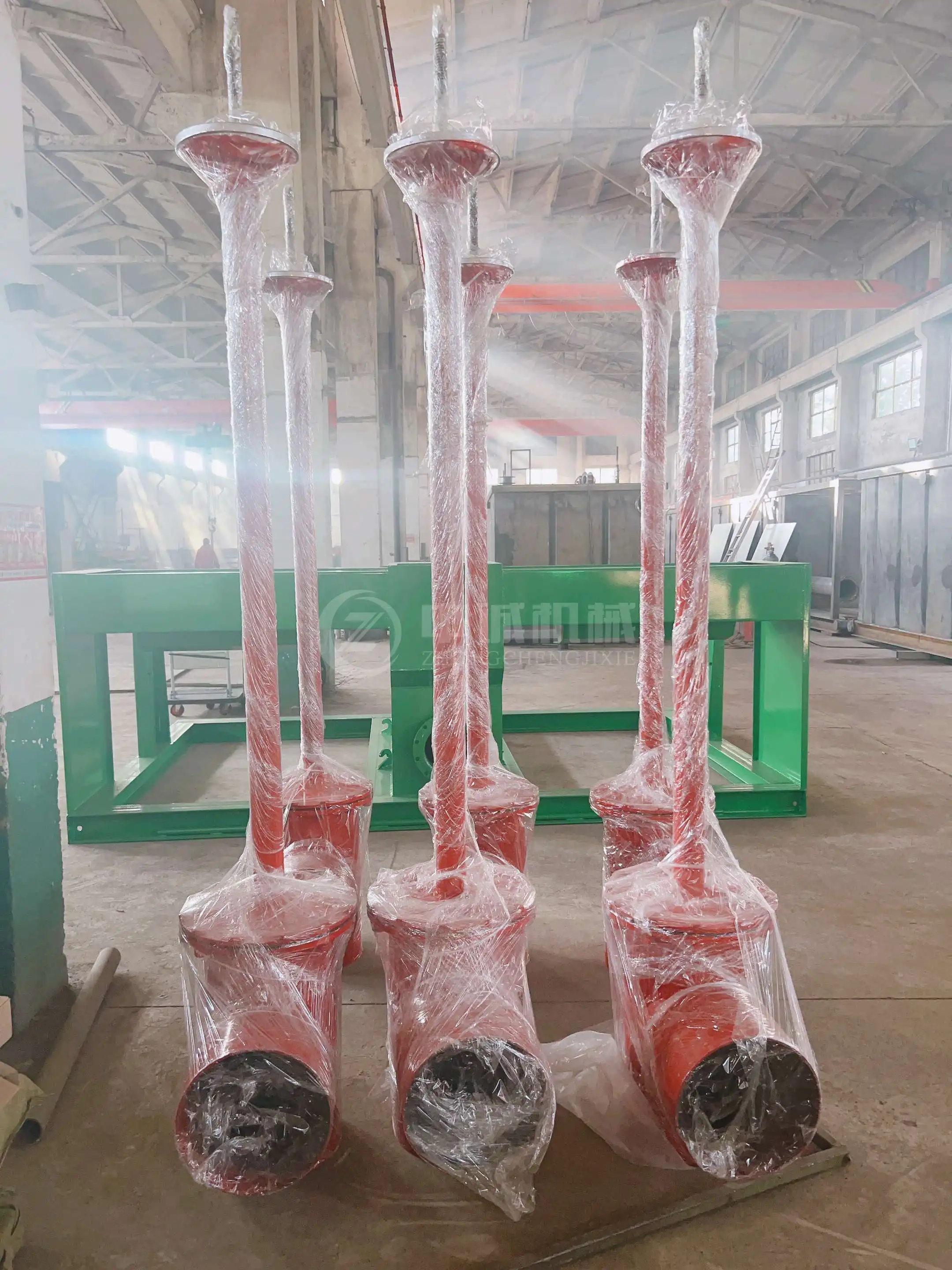
ZHONGCHENGJIXIE ships tank bottom valves in safe packaging that includes strapping, plastic film wrapping, and rainproof tarps. Depending on the size of the tools and the needs of the location, pallets or wooden crates can be used. This packaging meets the normal handling requirements for freight forwarders for international shipments and keeps the valve sealing surfaces safe while in transit.
Installation Protocol and Post-Commissioning Checks
To install, attach the valve body to the tank base flange, line up the stem vertically, and connect the operating platform bracket. After installing the system physically, you should do a full-stroke open-and-close cycle test to make sure there are no leaks at the seat under working pressure and to make sure the stem thread is properly oiled before putting the system to use. As part of the normal product package, ZHONGCHENGJIXIE offers assembly help and commissioning support.
Conclusion
The tank bottom valve - handwheel type has a specific role in mud tank suction manifold systems. Its job is to control which tank is active, prevent backflow, and maintain its position even under pressure and vibration. The self-sealing design, corrosion-resistant construction, and adjustable stem length of the tank bottom valve - handwheel type make it a practical choice for drilling contractors handling demanding fluid programs. To maximize the service life of the tank bottom valve - handwheel type, procurement teams should prioritize certified materials, compatible seal specifications, and verified supplier support. ZHONGCHENGJIXIE can provide a stable supply of the tank bottom valve - handwheel type together with technical assistance and professional support.
FAQ
Can the handwheel valve handle abrasive drilling fluid without rapid wear?
Yes. The valve seat and cone are made of metals that don't wear down easily or high-grade synthetic rubber that is rated for use in slurry with sand, cuts, and chemicals. The chrome-plated stem makes it last even longer in rough conditions.
What nominal diameters are available for mud tank applications?
The range of products has nominal diameters from 200mm to 400mm, so they can fit the needs of most standard drilling rig configurations from ZJ30 to ZJ90.
How do I verify the valve's sealing performance after installation?
Do a hydrostatic test at working pressure after installation and watch the seat for any leaks during a hold period. If you ask, ZHONGCHENGJIXIE can give you scientific documents, such as pressure test results.
Is the stem length adjustable for different tank depths?
You can choose the length of the stem when you place your order. When you send in your requirements, include the tank depth measurement. The valve will then be set up to place the handwheel at the right operating platform height.
What warranty coverage applies to these valves?
ZHONGCHENGJIXIE provides a one-year guarantee that covers all production flaws and sealing performance under normal working conditions. They also provide ongoing technical help after the sale.
Partner with ZHONGCHENGJIXIE for Dependable Tank Bottom Valve Supply
ZHONGCHENGJIXIE sells certified tank bottom valves that are made to meet ISO 9001/14001/45001, TÜV, and BV standards. These goods come with a one-year guarantee and all the technical information you need. We have been making direct tank bottom valves for more than 30 years, and we can ship things that are in stock within 3 days and custom designs within 15 days. To get a quote or talk about your application, email our technical team at oliver@zcgukong.com or go to zcsolidscontrol.com.
References
1. Journal of Petroleum Technology — SPE Publications, 2021
2. Drilling Engineering: Principles and Practices — Rabia, H., 2002
3. API Recommended Practice 13C: Drilling Fluids Processing Equipment — American Petroleum Institute, 2010
4. Industrial Valves: Selection, Maintenance, and Operation — Skousen, P.L., 2011
5. Mud Engineering: Current Solid Control Fundamentals — IADC Drilling Manual, 2015
6. ISO 9001:2015 Quality Management Systems — Requirements — International Organization for Standardization, 2015