When industrial plants need to move bulk materials continuously without spillage or dust contamination, a well-engineered screw conveyor is often the most practical answer. At ZHONGCHENGJIXIE, we manufacture the ZC Screw Conveyor — a fully sealed, dust-free helical conveying device built for demanding environments, including oil and gas drilling sites, mining operations, chemical processing lines, and construction foundation projects. With a maximum single-drive length of 15m, modular combinations reaching 30m, and a processing capacity of 15–45 m³/h, our equipment is engineered to perform where conditions are toughest.


Understanding Screw Conveyors and Their Industrial Applications
A Screw Conveyor moves large amounts of stuff by turning a flight, which is a helical blade inside a tube or shaft that is sealed. The motor and reducer turn the screw, which moves the material from the input point to the output point along a horizontal path. This idea is easy to understand, has been tested, and works well for many business jobs.
Key Components and How They Work Together?
The main part of the system is the screw shaft, the helical flights, the U-trough or tube case, the end bearings, the hanger bearings (for spans over 6–9 meters), and the drive unit. Each part does a certain job to keep the flow of material steady and the structure's strength when it's under load.
Common Conveyor Types and Their Best-Fit Applications
- Tubular (enclosed pipe): fully sealed, can handle slopes of 20° to 45°; best for dry powders, barite, and cement where pollution from air is a worry.
- U-Trough: has an open top and a cover that can be taken off. It is easy to clean and works best for wet drill cuttings, high-moisture mud, and sludge in solids control systems.
- Shaftless: No center pipe; keeps fibers or sticky materials from wrapping; commonly used for moving wastewater sludge and screens.
- Vertical: High-speed centrifugal design; raises material at a 90° angle; good for plant plans with limited room.
A helical flight conveyor has a much smaller size than a belt conveyor, works in a completely sealed space, and needs fewer working parts. It can handle fine, wet, or sticky materials without bridging, unlike bucket elevators. The sealed form is clearly better for drilling sites that have to follow strict rules about dust control and environmental protection.
How to Choose the Right Screw Conveyor: Key Decision-Making Criteria
When choosing a Screw Conveyor, procurement managers often want to know what factors are the most important. The answer starts with knowing what you're working with, then moves on to the needs for size, structure, and drive.
Evaluate Material Characteristics First
The abrasiveness, moisture content, bulk density, and particle size of a material all have an effect on the shape of the flight, the material of the housing, and the speed of rotation of a Screw Conveyor. For wet, sticky drill cuttings, you need a U-trough with wide-pitch flights. For dry, rough minerals, you need flights made of AR steel or tungsten carbide that are hardened to resist wear.
Match Conveyor Type to Operational Constraints
The right model is chosen based on the amount of throughput needed, the amount of floor space available, and the placement angle. The ZC conveyor can be set up horizontally, inclined, or with more than one level. Modular parts can be combined to make lengths ranging from a few meters to 30 meters, so they can be used on a variety of sites without having to be made from scratch at each stage.
Assess the Manufacturer's Credibility and Support Capability
The track record of the provider is just as important as the equipment specifications. Make sure the company has ISO certifications, that their explosion-proof motors (like Exd II BT4/CT4 for industrial use) are up to code, and that they have extra parts available. ZHONGCHENGJIXIE is certified by ISO 9001, ISO 14001, and ISO 45001, and its goods are also approved by HSE, TÜV, and BV. This gives procurement teams all the proof they need to qualify the seller.
Designing and Procuring Customized Screw Conveyors for Industrial Plants
Conveying equipment that is sold in stores doesn't always meet the exact needs of a chemical processing line or a system for managing drilling waste. Long-term maintenance costs are lower, and throughput consistency is better when customization is done during the design stage for a Screw Conveyor.
Core Design Variables That Affect Performance
The volumetric capacity and force loads are determined by the screw width, pitch type (standard, short, or variable), flight thickness, and trough cross-section. Our engineering team determines these factors using CEMA (Conveyor Equipment Manufacturers Association) standards. This makes sure that the screw-to-trough clearance is exact, which lowers material fallback and energy loss.
Material Selection for Abrasive and Corrosive Environments
Based on the application, these are the material choices we usually make:
- Wear-resistant manganese steel or AR400 flights that don't wear down easily are used for drill cuttings, mine ore, and hot clinker. Tungsten carbide hard-facing makes normal carbon steel last 3–5 times longer.
- SS304 or SS316L stainless steel with polished surfaces for chemical, food-grade, or pharmaceutical uses where there is a risk of contamination and CIP (Clean-In-Place) cleaning is needed.
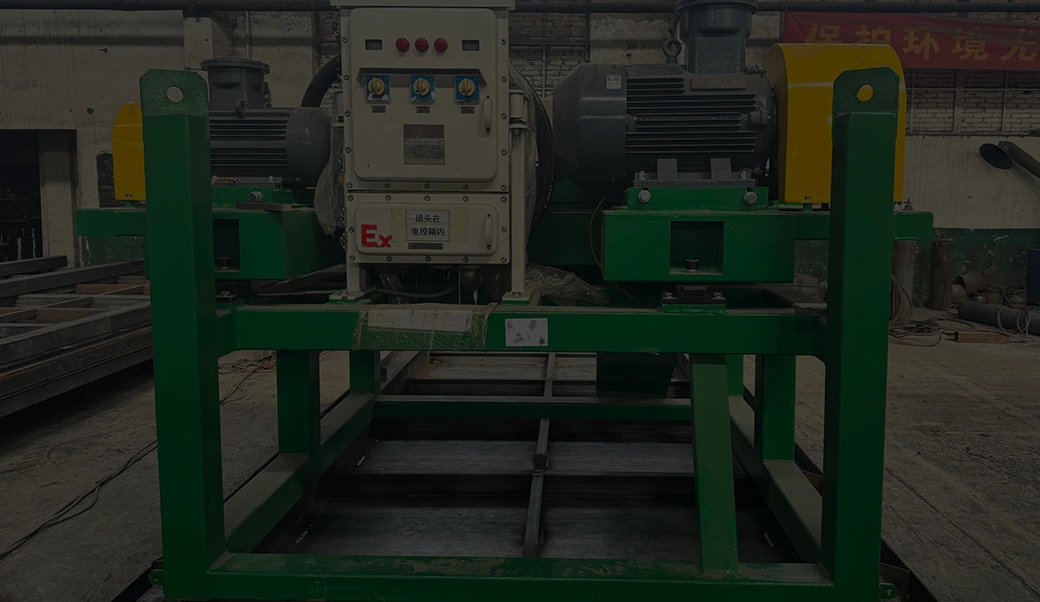
- Explosion-proof drive systems (Ex d II BT4/CT4) for oil and gas sites where flammable gas exposure is known to be dangerous.
Using the right material for the Screw Conveyor keeps the equipment from wearing out too quickly, stops it from shutting down without warning, and lowers the cost of replacement over its lifetime.
The Procurement Process: From Inquiry to Delivery
Our engineers can make a configuration drawing quickly if you send them your site layout, material data sheet, needed capacity, and power supply specifications. Standard types in stock usually ship within three days, while special orders are usually finished in fifteen days. All units leave the building in standard export packing and come with full technical paperwork, such as an operation and maintenance guidebook, assembly drawings, and diagrams of the parts that make up the unit.
Maintenance, Troubleshooting, and Longevity of Screw Conveyors
A Screw Conveyor that is well taken care of can work effectively for years, even when it is used all the time. The important thing is to stick to a structured check schedule and pay attention to early danger signs before they get worse.
Routine Maintenance Schedule
Every day, you should check the bearings for temperature, unusual vibration, and seal integrity. As part of the weekly checks, the drive couplings are lined up, and the hanger bearings are oiled. Every year, maintenance checks the state of the reducer oil, measures flight wear, and makes sure the overload safety circuit works properly. When the run length is more than 6–9 meters, intermediate hanger bearings with wear-resistant alloy bushings make the shaft much less likely to bend.
Common Faults and How to Address Them
- Blockage: If there is a blockage, the feed rate must be slowed down right away, and the trough inlet must be cleared. A variable-speed drive choice helps match the input volume to the downstream capacity.
- Abnormal noise: If you hear strange noises, check the hanger bearings, reducer gear mesh, and flight-to-trough clearance for signs of wear or contact.
- Material spillage: If material spills, check the cover seal strips and end-plate gaskets. Even small gaps can let fine powder or wet sludge escape when the machine shakes.
- Low conveying efficiency: If the conveying efficiency is low, compare the actual RPM to the design speed. Worn flights lower the effective pitch, which means the throughput falls below the rated capacity.
Manufacturer Support That Reduces Downtime Risk
ZHONGCHENGJIXIE offers a one-year warranty, a supply line for Screw Conveyor spare parts, and help with installation and on-site testing for projects around the world. Operators who need maintenance funds and response times that they know they can count on can sign long-term service agreements.
Cost Considerations and ROI for Industrial Screw Conveyors
The total cost of ownership for a Screw Conveyor is much higher than the price of the machine itself. It's easier for procurement teams to explain capital expenditures and choose the setup that will give them the best return over the life of the equipment if they have a clear breakdown of costs.
Pricing Factors to Account For
The unit cost is affected by the length of the conveyor, the type of material (carbon steel vs. stainless steel), the flight treatment (standard vs. tungsten carbide), the motor power, and the explosion-proof compliance. More hanger bearings and intermediate joints are needed for longer runs, which raises the cost of both the materials and the assembly.
New Versus Used Equipment: A Practical Comparison
For projects that may be subject to HSE audits, it is important to get new tools from a qualified manufacturer that comes with full paperwork, a guarantee, and the ability to track down the materials used. Used conveyors may save you money up front, but you don't know how much wear they have, how accurate the flight geometry is, or how long they will last, which can make your maintenance costs go up in the first year of use.
Long-Term Savings From Quality-Grade Design
Energy use is a cost that keeps coming up and gets worse over time. A drive system that is the right size for the load and flights that don't wear out and keep the same pitch shape keep the motor draw at the design standard. Plants that buy equipment that is properly defined always have lower operating costs per ton and fewer unplanned shutdowns than plants that buy equipment based only on price.
Conclusion
When built to the right specifications, a Screw Conveyor is an easy-to-maintain, space-saving, and eco-friendly way to move bulk materials continuously. The ZC Screw Conveyor from ZHONGCHENGJIXIE can handle a lot of different industrial materials, from drilling cuttings to chemical powders and building sludge. Its fully sealed design, wear-resistant flights, and modular flexibility make it useful in many situations. Our equipment meets the standards that current buying teams look for. It has ISO 9001/14001/45001 certifications as well as HSE, TÜV, and BV approvals.
FAQ
What materials can a screw conveyor handle effectively?
Dry powders, grains, wet sludge, abrasive drill bits, cement, barite, and chemical compounds can all be moved by Screw Conveyors. The choice of material for the housing and flights is based on how rough, wet, corrosive, or contaminated they need to be.
How do I calculate the required conveying capacity?
The screw width, pitch, rotational speed, and trough loading percentage are used to figure out the capacity. The trough loading percentage is usually 15%, 30%, or 45%, based on how rough the material is according to CEMA guidelines. Our engineers can make sure they have the right model if you send them your bulk density and hourly output goal.
What is the difference between a tube and a shaftless screw conveyor?
A tubular model has a center shaft that surrounds the whole thing and seals very well at angles up to 45°. A shaftless type doesn't have a center shaft at all, so it doesn't wrap around fibrous or sticky materials. This makes it the best choice for wastewater screenings and high-viscosity sludge.
Can a screw conveyor operate on an incline?
Yes. Tubular models can handle slopes of up to 45°, and vertical models use high-speed rotational action to handle slopes of up to 90°. At each section joint, the ZC flexible design lets you change the angle.
How long does delivery take for a customized unit?
We ship standard units that are in stock within 3 days. Custom orders, like ones with non-standard lengths, explosion-proof drives, or construction from stainless steel, are usually finished 15 days after the order is confirmed.
Request a Quote From ZHONGCHENGJIXIE — Trusted Screw Conveyor Supplier
Industrial-grade Screw Conveyors are made by ZHONGCHENGJIXIE for use in mining, chemical processing, construction, oil and gas drilling, and more. Our ZC Screw Conveyor line offers fully enclosed, dust-free material handling with flights that don't wear out, explosion-proof drive options, and the ability to add modules in a variety of ways. Visit zcsolidscontrol.com or email our tech team at oliver@zcgukong.com to talk about your project needs and get a full quote.

References
1. Conveyor Equipment Manufacturers Association (CEMA). Belt Conveyors for Bulk Materials, 7th Edition. CEMA, 2014.
2. Colijn, Hendrik. Mechanical Conveyors: Selection and Operation. Noyes Publications, 1985.
3. Roberts, Alan W. "Bulk Solids Handling — Equipment Selection and Operation." Bulk Solids Handling Journal, 2010.
4. International Organization for Standardization. ISO 9001:2015 Quality Management Systems — Requirements. ISO, 2015.
5. American Petroleum Institute. API RP 13C: Drilling Fluids Processing Systems Evaluation. API, 2010.
6. Engineering Equipment and Materials Users Association (EEMUA). Screw Conveyors for Bulk Materials: Design and Application Guide. EEMUA Publication, 2008.