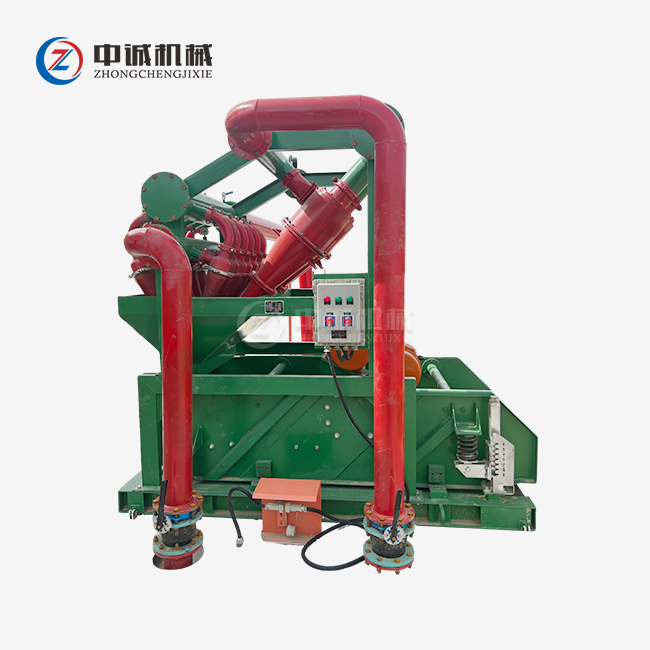
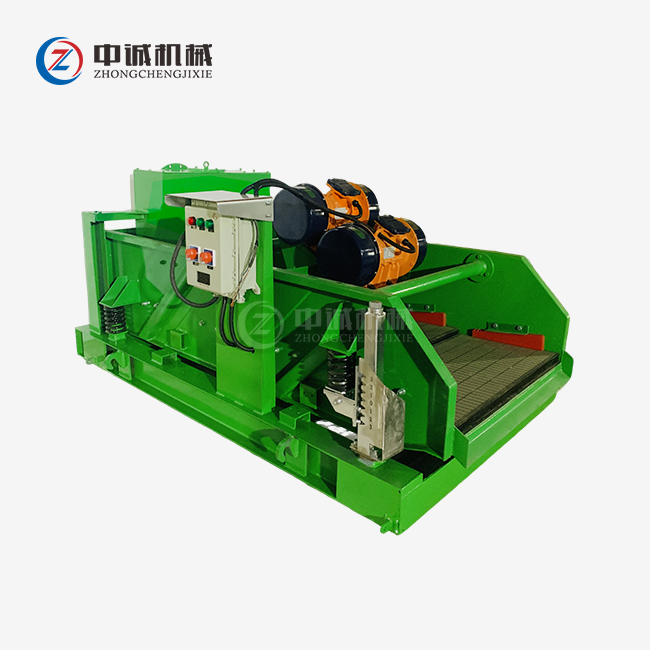
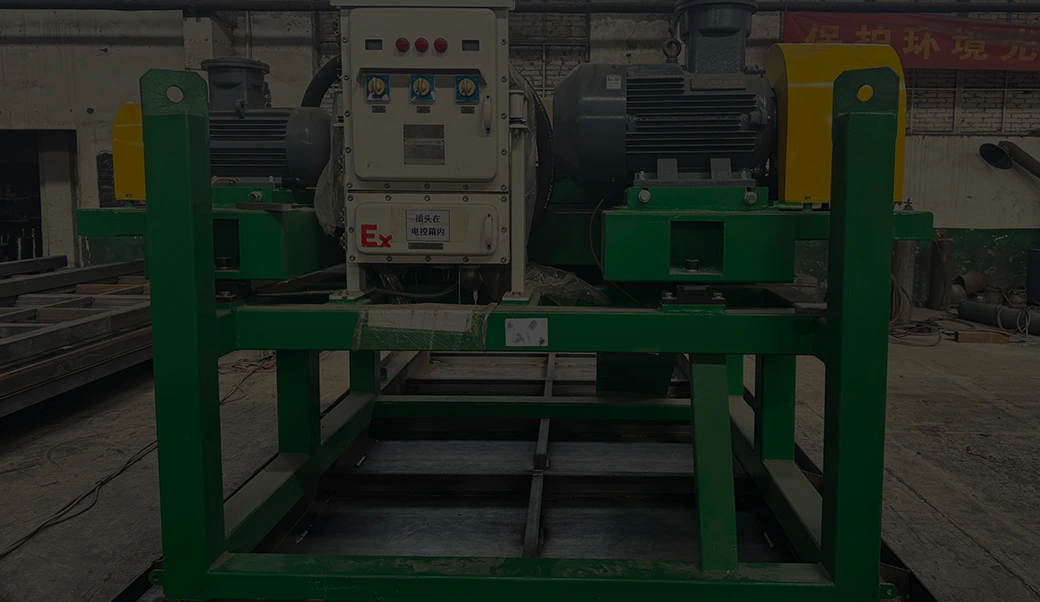
Modern drilling operations face mounting pressure to reduce environmental impact while controlling operational costs. A Mud Cleaner addresses both challenges by efficiently removing harmful solids from drilling fluids, enabling operators to reuse expensive mud systems multiple times. This integrated equipment combines desander, desilter, and underflow shaker technologies into a single compact unit, delivering separation precision between 15 and 74 microns. By recovering valuable liquid phase and discharging drier cuttings, these systems significantly cut waste disposal volumes and extend the lifecycle of synthetic-based muds and oil-based muds that can cost thousands of dollars per barrel.
Understanding How Solids Control Equipment Transforms Drilling Fluid Management
The quality of the drilling fluid has a direct effect on everything, from how deep the holes go to how long the equipment lasts. When small pieces build up in moving mud, they wear out pumps faster, make drill strings more prone to torque and drag, and raise the risk of getting a pipe stuck, which can stop work for days.
The Critical Role of Secondary and Tertiary Separation
Primary shale shakers get rid of big pieces of rock but can't catch things smaller than 100 microns. By focusing on the 15–74 micron range, where gritty silts tend to accumulate, a Mud Cleaner fills this void. The desander stage gets rid of medium-sized particles with 10-inch hydrocyclones that work at 25–40 psi. The desilter stage, on the other hand, uses several 4-inch cones to catch ultra-fine solids. When something comes out of the cyclones, it hits a high-frequency underflow shaker. This shaker collects clean liquid and sends it back to the active system.
Why Integrated Design Outperforms Standalone Units
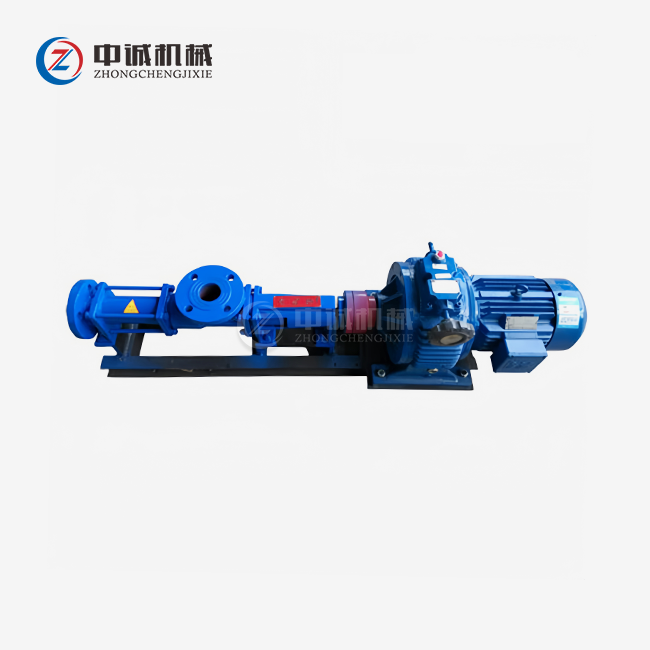
Separate desanders, desilters, and catch tanks are needed in traditional setups, which takes up valuable rig floor space and adds more places where things can go wrong. Integrated units don't need transfer pumps between steps, so they use about 15 to 20 percent less energy than independent units. The single frame makes installation easier on both land rigs and offshore platforms that don't have a lot of room. The centralized design is liked by maintenance teams because it lets techs repair all parts from a single point of entry instead of having to move between pieces of equipment that are spread out.
Comparing Performance Metrics Across Drilling Environments
Contractors who do oil and gas drilling in shale say that good solids control cuts dilution rates by 30 to 40 percent, which saves a lot of money on barite and other specialty additives. Closed-loop systems that recycle bentonite slurries help horizontal directional drilling projects. This cuts the cost of hauling liquid waste by up to 60%. When geothermal drilling, which moves large amounts of gritty volcanic rock with water-based fluids, removes fine silts from the wellbore before reentering it, the downhole motor lasts longer.
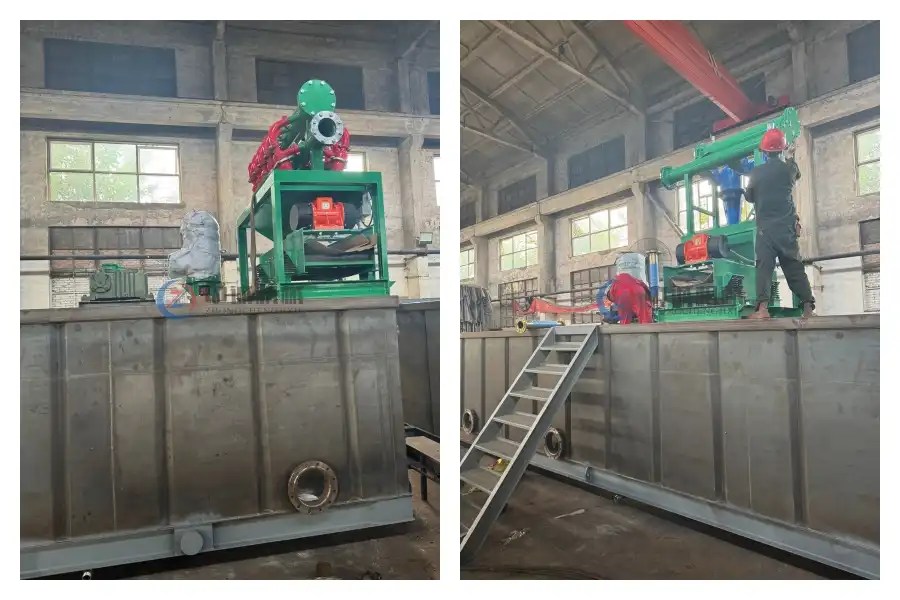
Key Design Parameters That Determine Separation Efficiency
By choosing tools that fit your needs, you can avoid both underperformance and spending money on things that aren't needed. To keep the system from getting stuck, processing capacity (in gallons per minute or cubic meters per hour) must match mud pump output.
Processing Capacity and Cone Configuration
Shaanxi Xixian New Area Zhongcheng Machinery Manufacturing's ZC line comes in a range of settings, from 120 to 320 m³/h (530 to 1,410 GPM). Two 10-inch desander cones and twelve 4-inch desilter cones make up a standard 2-12 setup. This gives enough flow area to handle medium- to deep-well circulation rates without overloading. When the overall flow is higher than what a single unit can handle, workers set up multiple units in parallel to keep the inlet pressure at the best level for all cyclones.
Material Selection for Extended Service Life
How long a cyclone lasts depends a lot on the materials used to build it. Polyurethane cones last three to five times longer than metal cones in rough conditions. They have Shore A hardness ratings between 85 and 95, which is the best range for wear resistance and flexibility. When you buy good equipment, the partial clamp design lets you quickly replace old apex sections without taking apart whole cone assemblies. This cuts down on downtime from hours to minutes during important drilling phases.
Vibration Characteristics and Screen Selection
Underflow shakers make G-forces between 6.5 and 8.0 to move solids quickly while still letting liquids flow through API-standard screens. Operators can fine-tune performance by manually or hydraulically adjusting the deck angles based on the viscosity of the mud and how dry they want the cuts to be when they are released. The screen's conductance, which shows how much fluid it can hold, must be higher than the highest underflow rate to keep it from distracting and to make sure it keeps working even when there is a lot of fluid moving through it.
Daily checks of cyclone discharge patterns, pressure gauge readings, and screen condition are all part of regular inspection protocols for a Mud Cleaner. When the desander cones in a Mud Cleaner are working properly, they produce a "spray" pattern at the apex. On the other hand, a "rope" discharge from a Mud Cleaner indicates that the apex may be worn or blocked and requires prompt attention. We recommend establishing a preventive maintenance plan for each Mud Cleaner that includes lubricating the vibrator bearings once a week, checking the integrity of the polyurethane cones once a month, and replacing high-wear components such as screen panels and feed manifold gaskets every three months. Regular maintenance of a Mud Cleaner helps maintain stable separation performance, reduce unexpected downtime, and extend the service life of key components.
Tailored Solutions for Diverse Industrial Applications
Different types of drilling have different problems that need different ways to control solids. When procurement managers understand these differences, they can choose technology that works best in their particular working setting.
Oil and Gas Onshore and Offshore Drilling
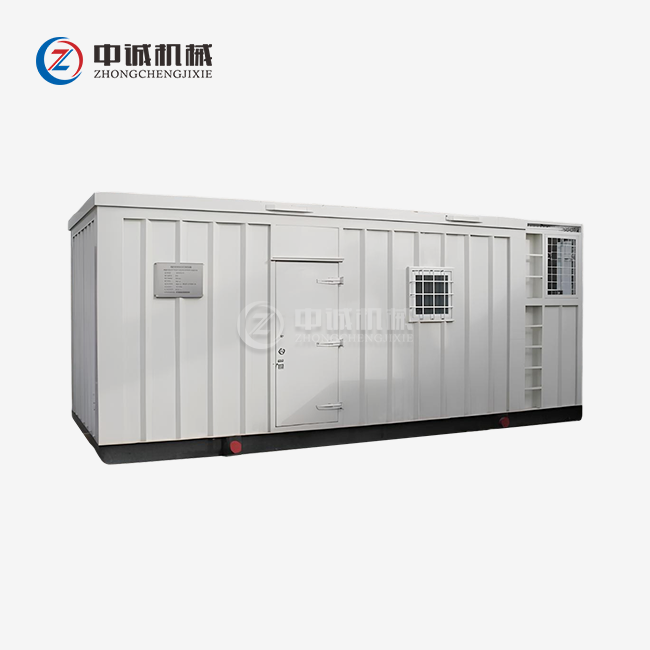
When used in deep wells, weighted mud systems need to be carefully managed so that barite and other unwanted solids don't get removed. For these uses, the equipment needs to have cyclone configurations that can be changed so that cut points can be changed by changing the cone shapes. Offshore platforms need small areas and buildings that don't rust so they can handle being in saltwater and having short repair windows between crew rounds.
Horizontal Directional Drilling and Trenchless Technology
Drilling fluids can't be dumped during urban pipeline installation jobs because of strict environmental rules. Closed-loop methods with mud recovery tools let contractors recycle bentonite constantly during bores that last more than one day. Being able to cut down on waste volume by 70–80% gets rid of the need for expensive fluid disposal and leaves less of an impact on the environment in sensitive areas close to neighborhoods or protected waterways.
Piling and Foundation Engineering
When large-diameter drilling rigs are used for building bridge foundations or tall buildings, they create large amounts of slurry that is full of sand. For these uses, special equipment has bigger sand removal systems and drying features that make trash that can be stacked and thrown away in the usual way. The cleaned water that is recovered goes back into the mixing system. This lowers the amount of freshwater that is needed in places where city water is scarce or expensive.
Mining Exploration and Geothermal Development
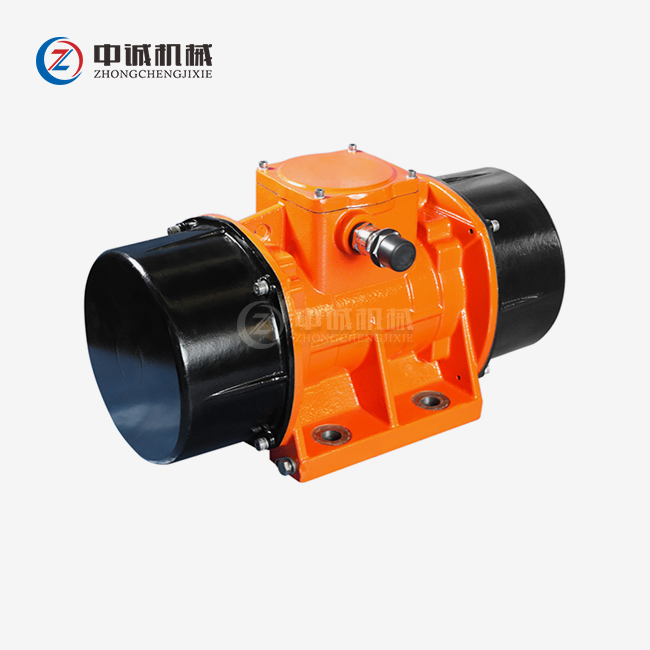
When digging for minerals in hard rock formations, it causes very rough conditions that speed up the wear and tear on tools. We make units with frames that are reinforced, heavy-duty vibrator motors, and wear surfaces that can be replaced at key contact points. High-temperature-rated parts help geothermal projects because they keep working even when the fluids inside hit 150–200°F, which is hot enough to break down regular elastomers and oils.
Shaanxi Xixian New Area Zhongcheng Machinery Manufacturing offers a wide range of customization options to meet the needs of specific fields. Our engineering team works directly with drilling engineers to choose the best motor configurations from top domestic and foreign brands, change frame sizes for installations on tank tops that are limited, and make the best use of cyclone quantities. These custom solutions make sure that they work well with existing circulation systems, whether they are being used to fix up older rigs or to equip brand-new drilling packages.
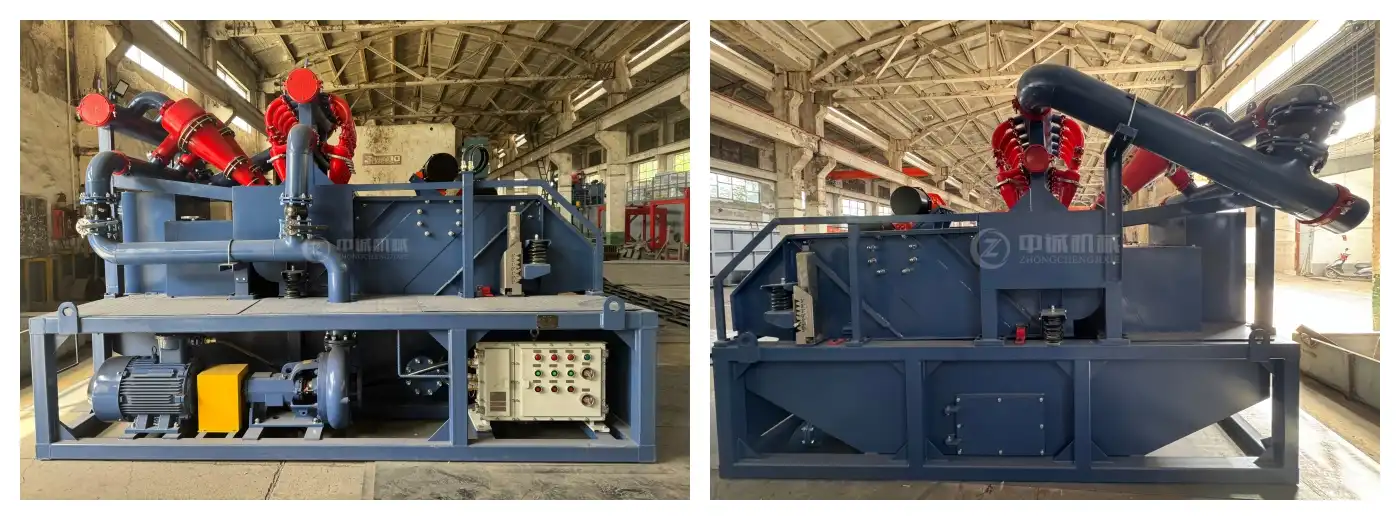
Procurement Considerations for B2B Buyers
When buying dust control equipment, you have to weigh the initial investment against the total cost of ownership over the equipment's useful life. Informed procurement strategies look at more than just the price of the item being bought.
Evaluating Manufacturer Credentials and Certifications
Manufacturers with a good reputation have certificates that show their Mud Cleaner equipment meets international standards for quality and safety. ISO 9001 certification helps ensure that production processes for Mud Cleaner systems are consistent and controlled. ISO 14001 and ISO 45001 certifications demonstrate that a manufacturer is committed to environmental protection and worker health and safety. Explosion-proof motors and electrical systems used with Mud Cleaner equipment must be appropriately certified by ATEX or IECEx before they can be deployed in hazardous drilling environments. Third-party verification from organizations such as BV, TÜV, or DNV can provide independent evidence supporting the design quality and performance claims of a Mud Cleaner. Choosing a properly certified Mud Cleaner can help procurement teams reduce compliance risks and improve confidence in equipment reliability.
Comparing New Equipment Versus Used Options
When you buy new equipment with a warranty from the maker, you don't have to worry about how well it was maintained or how long it will last. When you buy directly from the manufacturer, you can be sure that you will always be able to get genuine replacement parts and technical support for your equipment. While used equipment may be cheaper at first, it comes with risks such as hidden wear, old designs that don't make it more efficient, and a lack of parts for models that have been taken off the market. When limited funds force you to look at previously owned units, they need to be carefully inspected by trained techs and have service records that are kept.
Delivery Timelines and Global Logistics
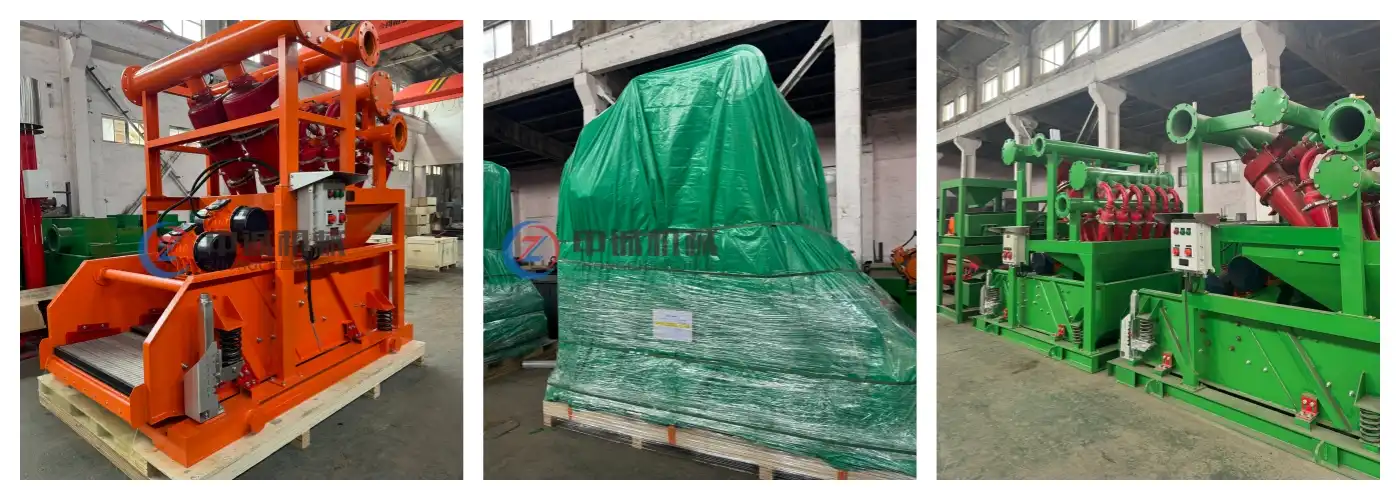
Standard configurations that are in stock can be shipped within three to five days, which is very important when rig mobilization schedules don't allow for equipment delays. Customized orders usually take between 15 and 20 days to make, test, and make sure the quality is good. When a manufacturer is close to important ports like Tianjin or Shanghai and has established logistics relationships, the time it takes to get to foreign destinations is cut down. Shipping damage that could delay commissioning at the rig site can be avoided by using protective films, rainproof tarpaulins, strengthened boxes, and, if desired, wooden crates.
After-Sales Support and Technical Assistance
Engineering drawings, hydraulic flowcharts, component diagrams, and operation instructions that are translated into the customer's working language should all be part of complete support packages. Proper setup and initial calibration are guaranteed by installation guidance, which can come in the form of on-site commissioning or remote video support. Training programs that teach rig crews how to operate the equipment every day, fix common problems, and do regular maintenance work increase the equipment's uptime. Warranty coverage, which usually lasts for one year for structural parts and six months for wearing parts, gives you a way to get your money back if problems with the way it was made show up during the first use.
Advancing Environmental Compliance and Operational Sustainability
Regulatory systems around the world are making it harder to get rid of drilling waste and require steps to stop pollution. Operators can meet these standards and improve their environmental performance measures by using equipment that cuts down on waste production at the source.
Quantifying Waste Reduction and Fluid Recovery
When compared to activities that only use main shakers, Solids Control Systems that work reduce the total amount of waste that needs to be thrown away by 50 to 75%. For every barrel of drilling fluid that is recovered, costs for new mud components and disposal fees are avoided. Depending on the type of waste and local rules, these fees can range from fifty to several hundred dollars per barrel. Over the course of 30 to 60 days needed to drill a deep well, these savings add up to tens of thousands of dollars per well, which immediately improves the economics of the project.
Meeting Zero-Discharge and Green Drilling Standards
In places that are important for the environment, it is often against the law to dump drilling fluids or pieces into the water. Closed-loop systems based on high-efficiency solids removal equipment let operators keep all circulating fluids contained, treat them, and use them again. When underflow shakers work properly, they release drier pieces that can be processed further through thermal desorption units or solidification systems. This makes trash that can be dumped on land. Companies that want to get ISO 14001 certification or join voluntary sustainability programs find that investing in advanced solids control helps them reach their environmental management goals.
Energy Efficiency and Carbon Footprint Considerations
Integrated designs use less electricity than equivalent arrays of stand-alone equipment, which means that generator fuel use at remote drilling sites is lower. Lower mud dilution rates lower the amount of materials that need to be transported to different locations. This means that fewer supply trucks are needed, which means less carbon emissions from fuel use. As more people put pressure on drilling contractors to leave less of an impact on the environment, equipment specs that prioritize energy efficiency and resource conservation become competitive differentiators when bidding for jobs with operators who care about the environment.
Conclusion
Proper solids control in drilling fluid management leads to measured improvements in operating efficiency, cost control, and environmental responsibility. A Mud Cleaner combines tried-and-true separation technologies into a small, space-saving unit that gets rid of dangerous bits and recovers valuable liquid phase. The ZC series has polyurethane cyclones, high-frequency vibration, and different design choices so it can be used for many things, from deep oil wells to urban trenchless projects. When drilling companies make choices about what to buy based on processing needs, maker credentials, and total cost, they are better able to meet changing regulatory standards and improve performance. As the drilling industry focuses more on environmentally friendly methods and high-quality operations, solids control equipment stops being just an extra part of the rig and starts being a long-term business tool that helps the company succeed.
FAQ
What makes an integrated unit more cost-effective than separate desanders and desilters?
With integrated equipment, you don't need separate structure supports, transfer pumps, or extra pipes between steps. The uniform design cuts the time and money needed for installation in half and lowers the initial capital costs by 20 to 30 percent. Savings in operations come from using less energy and making upkeep easier, which means keeping fewer extra parts on hand. The underflow shaker right below the cyclones collects liquid that would need catch tanks and more pumping power otherwise.
How do I determine the correct processing capacity for my drilling operation?
Match the size of your tools to the output of your mud pump. For example, the solids control should be able to handle 110 to 120% of the highest circulation rate. A rig with a circulation rate of 1000 GPM needs equipment with a rating of at least 1100–1200 GPM to keep things moving smoothly when the flow rate is at its highest. When digging in formations that produce high solids loading, larger safety gaps are useful to keep the system working without having to be cleaned out often.
Can polyurethane cyclones handle weighted muds without removing barite?
By carefully controlling the cyclone's inlet pressure and apex size, systems that are set up correctly keep barite moving while getting rid of unwanted silts. By staying within the recommended 25–40 psi range and choosing the right cone geometries, cut points can be made that tell the difference between useful weighting material and harmful low-gravity solids. As well, as conditions change, the best separation is maintained by keeping an eye on the mud's properties and making changes to the working settings on a regular basis.
Partner with a Trusted Mud Cleaner Manufacturer
Shaanxi Xixian New Area Zhongcheng Machinery Manufacturing Co., Ltd. has been making drilling equipment for over 30 years and has customers in the mining, construction, and oil and gas industries around the world. Our ZC series equipment is fully certified by ISO 9001/14001/45001, as well as HSE, TÜV, and BV. This means it meets the high standards of foreign drilling companies. We keep basic configurations in stock so that they can be shipped quickly (3 days), and our 15-day customized production can meet the unique needs of a project for size, capacity, and motor specs. Each unit comes with a full one-year warranty, all the technical information you need, and help with installation and commissioning from our experienced service team. Please email our procurement specialists at oliver@zcgukong.com to talk about how our custom solids control solutions can help you cut down on drilling waste, make mud last longer, and make your operations more environmentally friendly. You can see all of our drilling fluid management systems, which are made to handle the challenges of modern drilling operations, at zcsolidscontrol.com.
References
1. American Petroleum Institute. (2021). Recommended Practice for Drilling Fluids Processing Systems Evaluation (RP 13C). API Publishing Services, Washington, D.C.
2. Bourgoyne, A.T., Millheim, K.K., Chenevert, M.E., and Young, F.S. (2022). Applied Drilling Engineering, Volume 2: Drilling Fluid Engineering and Well Control. Society of Petroleum Engineers, Richardson, Texas.
3. Darley, H.C.H. and Gray, G.R. (2020). Composition and Properties of Drilling and Completion Fluids, Seventh Edition. Gulf Professional Publishing, Houston, Texas.
4. International Association of Drilling Contractors. (2023). Health, Safety and Environment Guidelines for Drilling Operations. IADC Press, Houston, Texas.
5. Mitchell, R.F. and Miska, S.Z. (2021). Fundamentals of Drilling Engineering, Second Edition. Society of Petroleum Engineers, Richardson, Texas.
6. Ryen, C.L. and Sørbø, J.H. (2019). Solid Control Equipment Performance in Offshore Drilling Operations: A Technical Assessment. Journal of Petroleum Technology, Volume 71, Issue 8, pages 45-58.