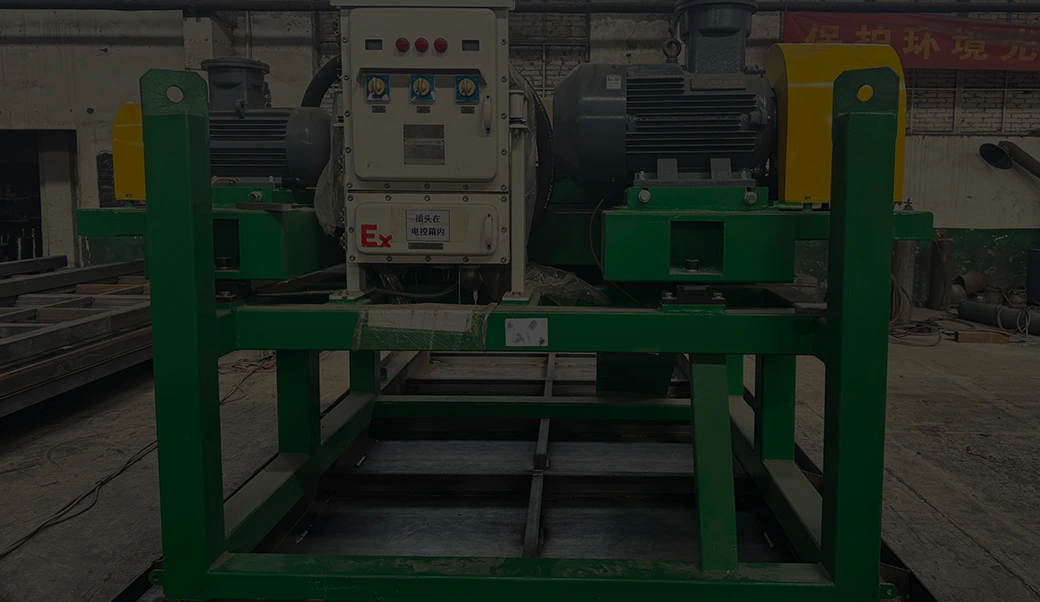
When drilling operations release hazardous gases from a mud gas separator, the consequences of a failed ignition can range from regulatory violations to catastrophic site accidents. An electronic flare ignition device - vertical addresses this risk directly by delivering reliable, high-energy spark ignition at an elevated position, keeping the combustion point clear of ground-level personnel and equipment. Designed to work as matched supporting equipment alongside mud degassers, the electronic flare ignition device - vertical has become an important safety component for both offshore platforms and compact land rig sites across the oil and gas industry. For drilling contractors, selecting a properly configured electronic flare ignition device - vertical can support safer flare operation and more consistent ignition performance. Regular inspection and maintenance of the electronic flare ignition device - vertical can further help maintain reliable operation in demanding field conditions.
Understanding the Electronic Flare Ignition Device - Vertical
Purchasing teams can make better choices about what to buy when they know what this gadget does and how it's put together. This part breaks down the main design, features that make it stand out, and certifications.
What It Is and How It Works
If you put the ignition head above ground level, usually 2 to 5 meters high, a vertical flare ignition unit will make a high-energy electrical arc. This arc lights up the waste gas that comes out of the mud gas separator before it can build up on the ground. The spark can be set off by hand or from a distance, based on the needs of the operation.
Vertical vs. Horizontal Orientation
The vertical layout puts the ignition source above structures, cables, and manifolds that are in the ground. Thermal convection causes hot combustion gases to rise naturally. This pulls fresh combustion air up and helps mix the gases and air thoroughly near the spark head. Designs that are laid out horizontally don't benefit from this natural draft, and crosswinds are more likely to move the flame.
Core Components and Certifications
The electronic flare ignition device - vertical features a high-quality stainless steel torch body available in 150 mm or 200 mm circle sizes, with a height of 2.5 m or 3 m. Its waterproof cover helps maintain stable flame conditions, while the ceramic-insulated electrode provides reliable ignition performance. The built-in control module further simplifies operation and system integration. Manufactured by ZHONGCHENGJIXIE, this electronic flare ignition device - vertical is supported by ISO 9001/14001/45001, HSE, TÜV, and BV certifications, with an electrical protection rating of IP55 or higher. These features make the electronic flare ignition device - vertical suitable for demanding environments such as offshore platforms and mountainous terrain. For oil and gas operators, selecting the appropriate electronic flare ignition device - vertical can provide reliable ignition support under challenging field conditions.


Benefits of Using Vertical Electronic Flare Ignition Devices in Well Operations
Vertical electrical lighting always works better than older mechanical or pilot-flame methods, as shown by field performance data and engineering principles. Here are some of the best things about this device:
- Wind and shock resistance: The vertical tower is anchored with bolts or a weighted base, resisting strong airflow during well blowouts and preventing structural collapse under lateral wind loads.
- Safety distance maintenance: Elevating the ignition head keeps the active flame away from ground-level cables, inspection personnel, and manifold connections, which substantially lowers the probability of secondary ground fires.
- Stainless steel windproof cover: A cylindrical or conical cover at the top creates a stable airflow zone around the electrode, ensuring the arc stays consistent even at wind speeds that would extinguish a conventional pilot flame—a condition field engineers describe as "instant ignition."
- Reduced maintenance exposure: The controller is mounted at an ergonomic height on the lower bracket, so operators can read instrument readings without climbing. The elevated electrode position also reduces contamination from ground mud and drilling debris.
All of these benefits work together to solve one of the most annoying problems on drilling sites: failure to light during high-pressure gas release events. Operators lower the risk of safety accidents and regulatory exposure by keeping the flame steady and the burning zone high. These are two cost drivers that procurement managers put high on the list when they figure out the total cost of ownership.
Installation, Maintenance, and Troubleshooting Guide
Installation that is done right and regular maintenance will extend the life of the device and make sure the ignition system works when it's needed most.
Site Preparation and System Integration
Before installing the electronic flare ignition device - vertical, make sure the base anchor bolts are correctly positioned to match the vertical tower footprint. After securing the unit, connect the ignition cable from the control box to the electrode head, ensuring that all cable runs are properly protected against mechanical damage. The electronic flare ignition device - vertical can operate with AC 220 V or 110 V power, while DC 24 V solar configurations are also available for remote sites without reliable grid access. For safe and dependable field operation, the electronic flare ignition device - vertical should be installed according to the specified foundation, wiring, and power requirements. Proper installation of the electronic flare ignition device - vertical can help maintain stable ignition performance in demanding oil and gas environments.
Scheduled Maintenance Checklist
Every three months, check the electrode clay insulators for tiny cracks or carbon buildup. On every site repair visit, check the protective cover for rust. Make sure the spark trigger circuit gives off the voltage that it's supposed to. Most good ceramic-insulated electrodes last between two and five years in normal gas corrosion settings.
Common Faults and How to Address Them
If the arc doesn't light, check to see if water got into the cable junction. The IP55 rating protects normally, but damage to the cable can let water in. Most of the time, a weak spark output means that the ignition transformer is broken, not the electrode itself. When replacing parts inside the circuit, you need to get in touch with ZHONGCHENGJIXIE's technical support team because the control housing needs to stay explosion-proof after the repair.
Comparing Vertical Electronic Flare Ignition Devices with Other Solutions
Figuring out how a vertical firing system fits in with other choices helps engineering teams explain to stakeholders why they made the choices they did.
Vertical vs. Horizontal Electronic Igniters
Horizontal igniters work on the same electrical principle, but they are set at a low angle, which means that gas can pool near the base. Vertical units, on the other hand, use upward thermal convection to move flammable gas toward the ignition arc. This makes the deflagration more consistent at the point of explosion. The small footprint of the vertical design is useful for places with limited horizontal space, like mountain edges or pads next to forests.
Electronic Ignition vs. Mechanical Pilot Flame Systems
When evaluating suppliers of an electronic flare ignition device - vertical, give more weight to units supported by ISO 9001 quality management certification, design documentation that meets HSE requirements, and third-party approvals from TÜV or BV. For procurement teams, these certifications provide useful evidence that the electronic flare ignition device - vertical has undergone documented quality controls and relevant testing for material performance, thermal cycling, and safety requirements. They are not simply statements made by the factory. Instead, verified certification and third-party documentation can give buyers greater confidence when selecting an electronic flare ignition device - vertical for demanding oil and gas applications. Before placing an order, purchasers should also review the scope and validity of the certifications associated with the electronic flare ignition device - vertical to ensure they match the intended operating environment.
Key Certifications to Verify When Sourcing
When looking at suppliers, give more weight to units that have ISO 9001 quality management certification, design documentation that meets HSE standards, and third-party approvals from TÜV or BV. These certifications show that the product has been tested for material quality, has been validated by thermal cycling, and has been checked for explosion-proof integrity. They are not just the factory's word.
Procurement and Partnership Guidance for B2B Clients
Teams that buy things from other businesses in the oil and gas industry use structured review processes. This part tells you what to look for and how ZHONGCHENGJIXIE can help with the process.
Selecting the Right Specification
The torch's width (150 mm or 200 mm) and height (2.5 m or 3 m) should be matched to the amount of gas coming out of your mud gas separation. Torches with a bigger diameter can handle higher gas discharge rates without any problems with back pressure. Before you place an order, make sure that the power source voltage fits the site's infrastructure.
OEM, Bulk Ordering, and Logistics
Within 3 days, ZHONGCHENGJIXIE ships items that are in stock. Within 15 days, customized configurations are sent out, such as different motor options or different torch heights. Plastic film wrap, rainproof tarps, and secure strapping are used for packaging. Depending on the shipping route, pallets or wooden crates may also be used. Through its logistics relationships, the business makes it easy for foreign freight to get to the ports of Tianjin and Shanghai.
Warranty and Long-Term Support
Every unit comes with a full guarantee that lasts for one year. As usual, installation help, commissioning help, operation guides, and expert training are all included. For long-term project support, spare parts are kept on hand, which lowers the risk of long periods of downtime caused by a single component failing.
Conclusion
An electronic flare ignition device - vertical is not a common item; it is a safety-critical component that can affect combustion performance, site worker safety, and environmental protection during well operations. The vertical orientation of an electronic flare ignition device - vertical can provide engineering benefits such as natural thermal convection, improved wind resistance, a higher ignition position, and convenient modular maintenance. When integrated with a mud gas separator in a properly configured solids control system, the electronic flare ignition device - vertical helps ensure that hazardous gas discharged during drilling operations is consistently ignited rather than released directly into the atmosphere. As health and safety requirements for drilling contractors and oilfield service companies become increasingly stringent, selecting an approved and field-proven electronic flare ignition device - vertical can support safer operations, more reliable gas combustion, and reduced unplanned downtime. For procurement teams, evaluating the design, certifications, installation requirements, and service support of an electronic flare ignition device - vertical is therefore an important part of selecting a suitable ignition solution.
FAQ
What temperature range does the vertical ignition device support?
The stainless steel electrode and windproof cover are designed to withstand repeated exposure to flame temperatures exceeding 1,000°C. The control housing maintains rated performance across typical field ambient temperature ranges encountered in onshore and offshore drilling environments.
How often should the electrode be inspected?
Inspect the ceramic insulator and electrode tip every three months. Under normal gas corrosivity conditions, quality ceramic-insulated electrodes last between two and five years before replacement is required.
Is the device compatible with existing mud gas separator systems?
Yes. The vertical flare ignition unit is designed as matched supporting equipment for standard mud gas separators (degassers). Confirm the discharge gas flow rate and the connection interface specifications when configuring the system for a specific drilling rig model.
What power supply options are available?
Standard units support AC 220 V or 110 V mains power. DC 24 V solar-powered configurations with battery backup are available for remote site installations where grid power is not accessible.
Can the device be operated remotely?
Yes. The device integrates both remote and manual ignition modes, allowing operators to trigger ignition from a safe control station distance without approaching the flare stack during active gas discharge.
Get a Quote from ZHONGCHENGJIXIE — Trusted Electronic Flare Ignition Device Vertical Supplier
ZHONGCHENGJIXIE makes certified vertical flare ignition systems. Each one is backed by more than 30 years of experience making drilling equipment. Our products are approved by ISO 9001/14001/45001, TÜV, BV, and HSE, so they can be used on offshore platforms and land rig sites all over the world. Get in touch with our team right away to get technical specs, help with configuration, and a competitive quote that is made just for your project. To start your question right away, email us at oliver@zcgukong.com or go to zcsolidscontrol.com.

References
1. Journal of Petroleum Technology — Society of Petroleum Engineers, 2021
2. Oil & Gas Facilities Magazine — SPE Media, 2020
3. HSE Offshore Technology Report: Flare and Vent Systems — Health and Safety Executive (UK), 2019
4. API Standard 537: Flare Details for General Refinery and Petrochemical Service — American Petroleum Institute, 2022
5. Industrial Fire Protection Engineering — Robert G. Zalosh, Society of Fire Protection Engineers, 2020
6. Environmental Science & Technology: Flare Combustion Efficiency Measurement — American Chemical Society Publications, 2021