When large-scale industrial operations face water supply disruptions, the consequences reach far beyond inconvenience. From oilfield drilling sites to mining camps and chemical processing facilities, a steady, protected water source is not optional — it is a baseline operational requirement. Industrial water tanks serve as the backbone of that supply, providing on-site storage that keeps processes running regardless of grid conditions or remote location challenges. This article walks through what matters most when choosing, sourcing, and maintaining these systems for demanding project environments.
Understanding Industrial Water Tanks: Types, Materials, and Designs
Above-Ground vs. Underground Storage Systems
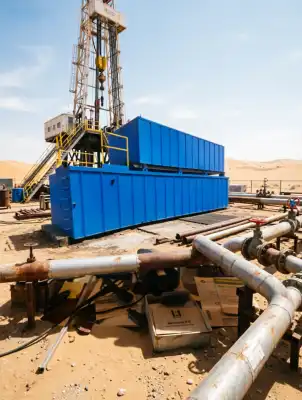
Above-ground tanks are clearly the best choice for industrial areas that need to be moved or set up quickly. They are faster to install, easier to check, and easier to connect to mud circulation or process water systems that are already in place.
Common Materials and Their Performance Characteristics
The choice of material directly affects how well a tank works over years of field exposure. Underground tanks, on the other hand, work well when space is limited or surface temperatures are very high or very low. However, installation costs and access for inspections are real trade-offs that procurement teams must carefully weigh. Because it is strong and can handle high pressures, carbon steel with an epoxy coating is used a lot in the field. Stainless steel (Grade 304 or 316L) works well in places that handle food or chemicals. GRP (Glass Reinforced Plastic) tanks don't rust in harsh process water and, with the right care, can last more than 25 years. For lower-pressure uses in construction or geotechnical work, polyethylene tanks are cheap, light, and easy to move.
Design Parameters and Compliance Standards
A properly designed water storage tank needs to take into account the weight of the fluid, the hydraulic load, and the requirements for earthquake zones. Industry standards like AWWA D103-09 (for bolted steel tanks), EN 13280 (for GRP tanks), and ISO 9001 manufacturing compliance set the engineering standards that buyers should make sure of before they buy. With customization options like insulation panels, level monitoring systems, and anti-freeze coatings, these tanks can be made to fit the needs of the site without being overly complicated.
Key Factors in Selecting Water Storage Tanks for Large-Scale Projects
Matching Capacity to Operational Demand
The first question is easy to answer: how much water does the site use per shift, and what is the project's highest cushion level? For drilling jobs using a ZJ50 or ZJ70 rig, a 50–80 m³ tank is usually enough as a backup supply until the main supply can be restored. Undersizing increases operating risk, while oversizing adds to the weight and size of the site without correspondingly reducing benefits.
Material Longevity and Maintenance Burden
Industrial Water Tanks that work in oil fields or mines are constantly exposed to chemicals, vibrations, dust, and UV rays. Good anti-corrosion coatings and sealed joint designs directly lower the number of times that upkeep needs to be done. Industry maintenance data shows that tanks with hot-dip galvanized or epoxy-lined interiors need to be inspected on the inside about every three to five years. In the same environments, tanks made of uncoated carbon steel only need to be inspected once a year. The total cost of ownership changes a lot over the life of a five- to ten-year project because of this difference in upkeep burden.
Environmental and Regulatory Considerations
Environmental compliance is no longer a secondary worry in procurement. Leaks in sealed tanks don't pollute the ground, which is something that is being required more and more in U.S. oilfields and mines by EPA and state-level HSE rules. Tanks that are approved by the ISO 14001 environmental management standards show that the maker is committed to responsible design and production, which is important during supplier qualification reviews.
Comparing Water Tank Solutions: Making Informed Decisions
When procurement workers look at tank choices, they often have to make three trade-off decisions. In real life, these are how they break down:
- Steel vs. plastic tanks: Carbon steel tanks handle higher internal pressures and perform better under mechanical stress from rig vibration or heavy equipment proximity. Polyethylene tanks cost less upfront and resist rust without coatings, but they carry lower structural ratings and are not suited for applications above 60°C. For oilfield and mining procurement, steel tanks with corrosion-resistant linings are the standard choice.
- Above-ground vs. underground installation: Above-ground units ship faster, install within hours using standard forklifts, and are fully relocatable — a major advantage for drilling contractors who move rigs frequently. Underground tanks offer better freeze protection in cold climates but require civil works and longer installation timelines.
- Insulated vs. non-insulated designs: For drilling operations in northern U.S. states, Canadian basins, or high-altitude geothermal sites, insulated tanks with polyurethane (PU) foam panels maintain water temperature above freezing without electrical heating, reducing energy costs and operational risk simultaneously.
> Installation above or below ground: Above-ground units are easier to move, ship faster, and can be set up in hours using normal forklifts. This is especially helpful for drilling companies who have to move rigs around a lot. In cold places, underground tanks are better at keeping water from freezing, but they need more work to be done on the ground and take longer to build.
Procurement Guide: How to Source Industrial Water Tanks Effectively
Evaluating Supplier Qualifications
A reliable company that makes Industrial Water Tanks should have certificates that can be checked, like ISO 9001 for quality management and ISO 14001 for environmental compliance. Oilfield suppliers should also have approvals from HSE, BV (Bureau Veritas), or TÜV. These approvals show that the design and production methods meet international safety standards. As part of responsible buying, it is normal to look at real certification papers instead of just claims on a supplier's website.
Managing Lead Times and Delivery Planning
For big digging jobs, the Industrial Water Tanks water supply system has to be set up before the rig can work at full speed. Standard-stocked tanks from well-known companies usually ship in three to five business days. Custom-built units that need to meet specific volume, insulation, monitoring integration, or size requirements usually have a production lead time of 15 to 20 days. When this is planned into the project schedule, supply chain gaps that slow down rig startup are avoided.
The ZC Industrial Water Tank from ZHONGCHENGJIXIE
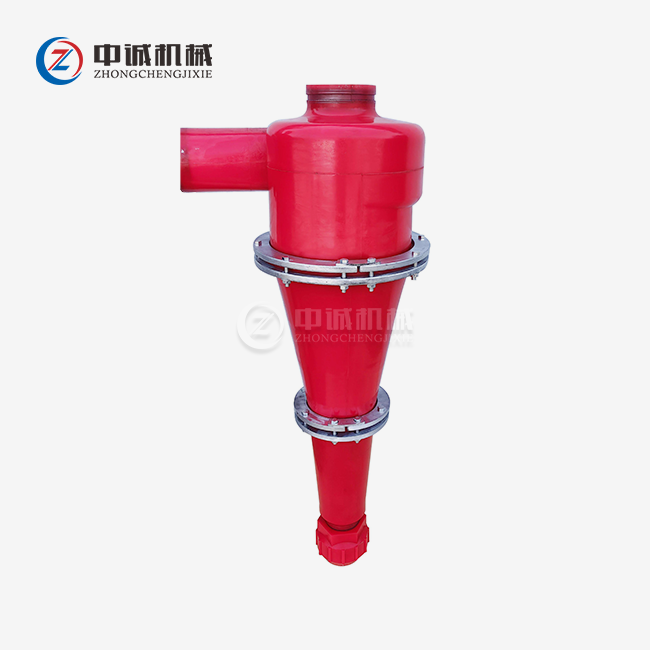
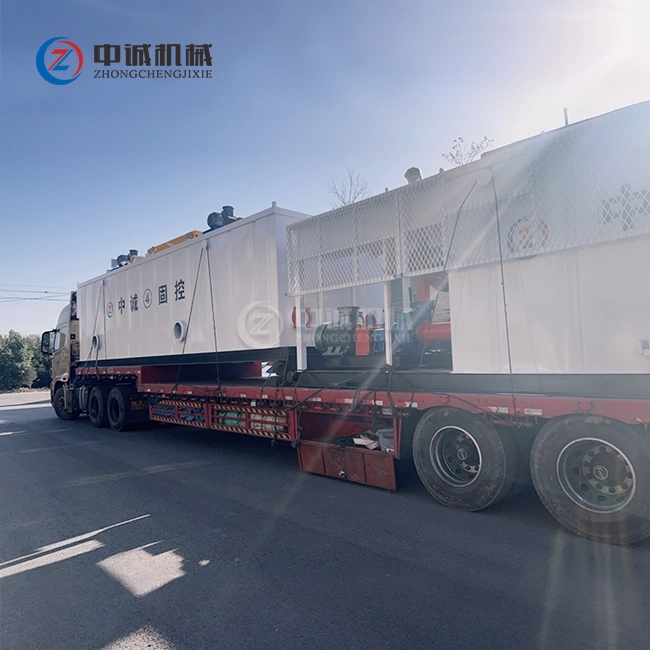
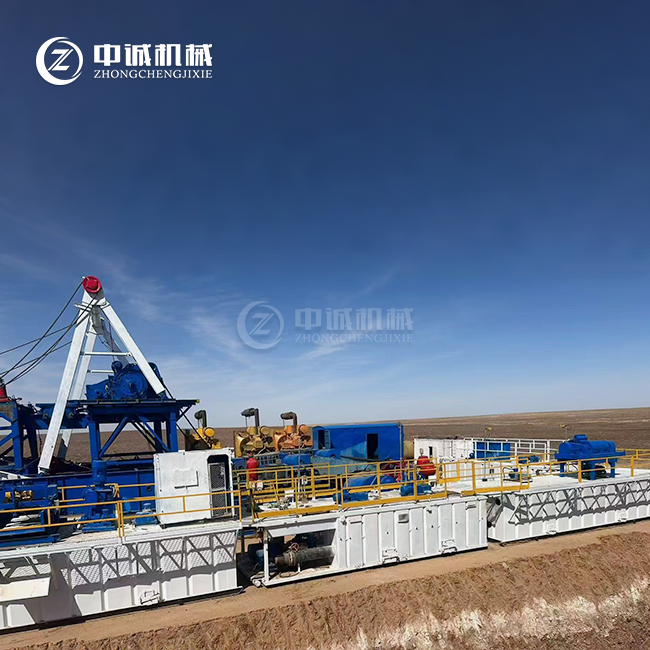
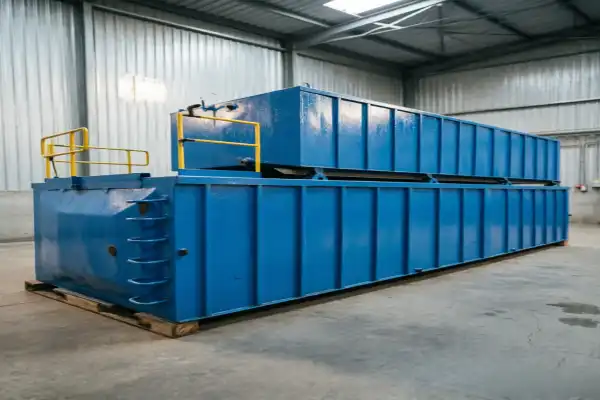
ZHONGCHENGJIXIE makes the ZC Industrial Water Tank as a custom solution for oilfield and industrial water supply. You can get the tank in sizes ranging from 20 to 100 m³, and it can be fully customized with features like heat insulation, level tracking systems, and anti-freeze protection. It is made of corrosion-resistant steel and has openings that are tightly sealed to stop water from leaking in and causing more contamination. The small, portable form works with stable control systems and mud circulation tools in the oilfield. The ZC tank comes with full technical documentation and full after-sales support. It is certified by ISO 9001, ISO 14001, ISO 45001, HSE, TÜV, and BV.
Maintenance and Optimization for Long-Term Reliability
Routine Inspection and Cleaning Protocols
Both the water quality and the structure's strength are protected by a regular review plan. Every 12 months, you should look at the surface for corrosion, the state of the seals, and the stability of the connection fittings. Internal silt buildup needs to be flushed on a regular basis to stop microbes from growing and keep water quality standards high, especially in tanks that circulate process water or drilling fluid.
Corrosion Prevention and Leak Detection
Ultrasonic thickness gauging lets repair teams check the soundness of shell plates without having to empty the tank. Using high-voltage spark tests (per ASTM G62) to find coating holidays lets you find tiny holes in protective linings before they turn into leaks. These methods, along with Dye Penetrant Inspection (DPI) weld checks that happen on a regular basis, let operations teams know about problems early on, before small problems turn into expensive failures.
IoT Monitoring and Predictive Maintenance
Real-time level sensors and remote monitoring dashboards are becoming more and more important in modern water storage management. IoT-connected systems constantly check the amount of fill, the temperature, and the pressure. This lets site managers spot problems before they affect operations. Drilling workers who are in charge of multiple rig sites at the same time can use remote tracking to cut down on the time needed for actual inspections and speed up the response time to problems with equipment.
Conclusion
Choosing and taking care of the right Industrial Water Tanks storage system can affect how well drilling works, how well you do with the government, and how much it costs to run in the long run. In oilfield, mining, geothermal, and building uses, the most important things are the same: material longevity, capacity alignment, corrosion resistance, sealed construction, and supplier approval. Preventative upkeep and current monitoring tools make tanks last longer and cut down on unplanned downtime. When procurement pros look at these factors, they can make decisions that will last throughout the whole project lifecycle.
FAQ
How long do industrial water tanks typically last?
Lifespan depends on material and maintenance. Epoxy-coated carbon steel tanks last 15–25 years under regular maintenance. GRP tanks typically exceed 25 years. Stainless steel units can surpass 30 years in controlled environments. Corrosion-resistant designs with sealed joints perform the longest in harsh field conditions.
Can these tanks be relocated after installation?
Yes. Modular and skid-mounted designs are built for disassembly and reconstruction at new sites. The ZC Industrial Water Tank from ZHONGCHENGJIXIE uses a compact, relocatable structure specifically designed for drilling contractors who move between project sites.
What volume range is available for oilfield applications?
Tanks are available from 20 m³ to 100 m³ in standard configurations, with custom volumes available depending on rig size and water demand. Volume selection should account for shift consumption rate and emergency buffer requirements.
What certifications should a water tank supplier carry?
Suppliers serving industrial and oilfield markets should hold ISO 9001, ISO 14001, and ISO 45001 certifications, along with HSE, BV, or TÜV approvals. These confirm manufacturing quality, environmental compliance, and safety management standards.
How often should internal inspections be conducted?
Industry best practices recommend a visual inspection every 12 months and a structural audit every three to five years. Sites with aggressive water chemistry or high-sediment content may require more frequent cleaning and inspection intervals.
Partner with ZHONGCHENGJIXIE for Proven Industrial Water Tank Solutions
ZHONGCHENGJIXIE makes custom water holding tanks for building, mining, and oilfield projects in the U.S. and other countries. We are a direct manufacturer of Industrial Water Tanks with ISO, HSE, TÜV, and BV certifications. We offer units that can be customized from 20 to 100 m³ and offer fast delivery and full technical support. To get a product setup and project price, email our team at oliver@zcgukong.com or go to zcsolidscontrol.com.
References
1. American Water Works Association (AWWA). AWWA D103-09: Factory-Coated Bolted Carbon Steel Tanks for Water Storage. AWWA, 2009.
2. British Standards Institution. EN 13280: Specification for Glass-Reinforced Plastics (GRP) Tanks for the Above Ground Storage of Water. BSI, 2001.
3. International Organization for Standardization. ISO 9001:2015 Quality Management Systems — Requirements. ISO, 2015.
4. ASTM International. ASTM G62: Standard Test Methods for Holiday Detection in Pipeline Coatings. ASTM, 2016.
5. U.S. Environmental Protection Agency. SPCC Guidance for Regional Inspectors: Aboveground Storage Tanks. EPA, 2013.
6. National Fire Protection Association. NFPA 22: Standard for Water Tanks for Private Fire Protection. NFPA, 2018.