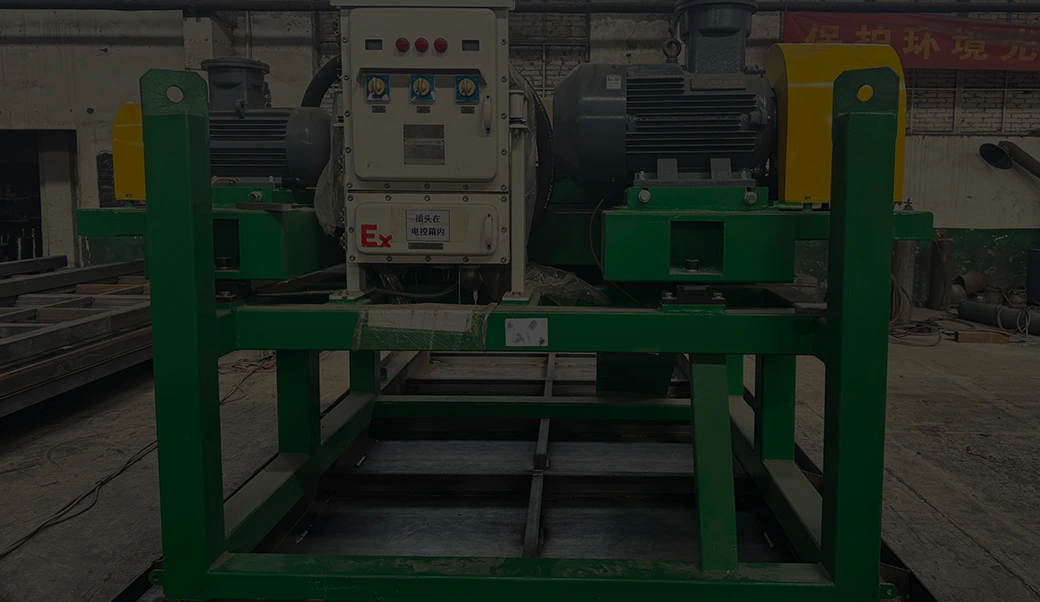
When drilling operations demand consistent fluid properties and efficient solid suspension, achieving uniform mud mixing becomes non-negotiable. A shear pump serves as the core equipment in drilling fluid preparation, utilizing high-speed impellers to mechanically disperse polymers, bentonite, and additives throughout the mud system. This technology eliminates the persistent "fish-eye" problem—undissolved polymer clumps that compromise mud quality—by generating intense shear forces that break down agglomerates at the molecular level. The result is a homogeneous fluid with predictable rheological behavior, improved cuttings transport capacity, and enhanced borehole stability.
Understanding Shear Pumps and Their Role in Drilling Mud Processing
Working Principles of Shear Technology
For high-shear mixing, mechanical contact is used instead of simple movement. A special impeller inside the pump case spins at speeds between 1,450 and 2,900 RPM, making flow patterns that are rough. This impeller often has sawtooth edges or punctured designs. As the drilling fluid moves through the small space between the turbine and the stator, the particles are put under a lot of mechanical stress. This breaks up clumps and speeds up the chemical hydration process. Using this method, raw additives can be turned into fully activated parts in minutes instead of hours like other mixing methods do.
Critical Design Features for Harsh Environments
At drilling sites, equipment is exposed to rocks that are rough, acids that break down metal, and constant vibration. Our shear mixing equipment has high-quality mechanical seals, which usually have tungsten carbide-to-tungsten carbide configurations and stay in place even when there are a lot of solids in the mixture. Wear-resistant wet parts made of high-chrome alloys or nodular iron with special coatings last longer in slurries that are rough on metal. The strong design makes sure that it works reliably in a wide range of difficult situations, from regular wells on land to high-pressure, high-temperature operations at sea. These technical choices directly address worries raised by buyers about how long equipment will last and how often it needs to be maintained.
Impact on Mud Rheology and Particle Distribution
Even spreading keeps emulsions stable and keeps weighing materials from dropping down when circulation stops. When the polymers fully hydrate, the mud reaches the right texture profile without using too many chemicals. The range of particle sizes gets narrower, which makes filtering work better in solid control equipment further down the line, such as shale crushers and centrifuges. The mechanical action also breaks up clay platelets, which gives chemicals more places to interact and makes it easier for the mud to control formation pressures and keep fluid from leaking out of open zones.
Comparing Shear Pumps with Other Pump Types in Drilling Operations
Performance Against Centrifugal and Positive Displacement Pumps
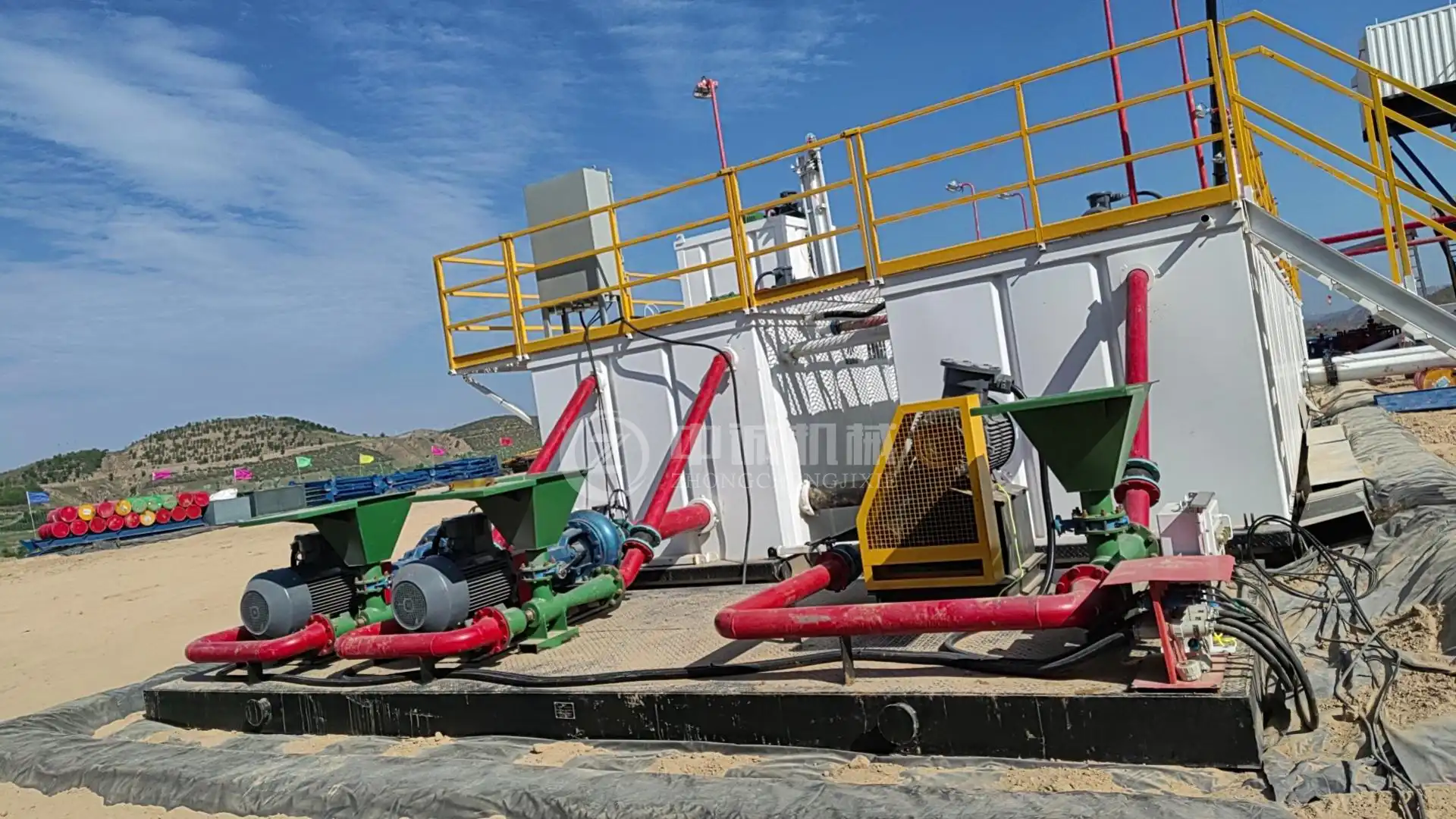
Standard centrifugal pumps are great at moving large amounts of fluid, but they don't have the shear intensity needed to spread additives evenly. Positive displacement pumps, such as gear, lobe, and progressive cavity types, are good at moving viscous fluids, but they don't mix them very well. This problem can be solved with shear mixing technology, and a properly designed shear pump combines the required flow rate, ranging from 28–320 m³/h in our product range, with the kinetic energy needed to modify fluid texture. Because a shear pump can perform both pumping and high-shear mixing functions, it can eliminate the need for separate mixing tanks and circulation loops. Using a shear pump in this way can save capital costs and valuable space on crowded drilling pads. For demanding fluid-processing applications, a reliable shear pump provides an efficient combination of fluid transfer and mixing performance.
Energy Efficiency and Maintenance Requirements
Even though shear equipment usually needs more motor power (5.5 to 75 kW, based on the size), the extra energy use means less chemical use and faster mud preparation cycles. When operations switch from traditional mixing systems to high-shear systems, they save 15 to 20 percent on polymer use. Maintenance times rely on how rough the fluid is, but units with tungsten carbide seals that are properly set up usually work for 500 to 800 hours without needing to be inspected. The steady operation profile, with little noise and shaking, shows that the mechanical system is in good shape and lowers the risk of unexpected downtime.
Case Study: Emulsified Oil-Based Mud Applications
When making oil-based mud with a standard hopper system, a drilling contractor in the Permian Basin had trouble with unstable emulsions. When they added a special shear mixing unit to their mud preparation process, the size of the emulsion droplets shrunk by 40%, and the electrical stability readings went up from 450V to over 650V. The better emulsion quality stopped problems with mixing downhole, cut down on the time that had to be spent making changes to the mud's properties, and made the elastomer parts on downhole tools last longer. This example shows how operational improvements can be measured and have a direct effect on the economics of a project.
How Shear Pumps Enhance Drilling Mud Quality Through Uniform Mixing
Breaking Down Agglomerates for Complete Hydration
When dry polymer powders get wet, they naturally form skins on the top that trap unreacted material inside. These barriers are broken by the high-speed fluid jets and mechanical impacts inside the pump chamber. This lets water molecules reach new polymer surfaces. Complete hydration makes the viscosity and filtration control that each pound of addition gives you even better. This is important when polymer costs $3–5 per pound, and busy rigs use more than a few hundred pounds of it every day.
Maintaining Consistent Rheological Properties
For drilling to go well, the mud must stay within strict limits for weight, viscosity, and gel strength. When mixing isn't done evenly, it causes localized changes that get picked up by automated monitoring systems and cause too much treatment. When mixing equipment creates fluid that is truly homogeneous, rheological measures can accurately predict how the fluid will behave downhole. Drillers can change the drilling settings (bit weight, spinning speed, and pump rates) with confidence because they know the mud will work as planned. This improves the rate of penetration and lowers the problems caused by torque and drag.
Reducing Equipment Wear Through Optimized Solids Suspension
When cuttings or settled barite build up in circulation systems, they speed up the wear on pump parts and block flowlines. When solids are properly dispersed, they stay in suspension even when circulation stops. This keeps dense beds from forming, which can damage equipment when it starts up again. The better particle distribution also improves the efficiency of cuttings transport, making sure that drilled solids get to surface separation equipment before fine particles break down the properties of the mud or cause problems with differential sticking downhole.
Key Factors for Procurement: Selecting and Maintaining Shear Pumps for Drilling Mud
Evaluating Fluid Properties and Operational Requirements
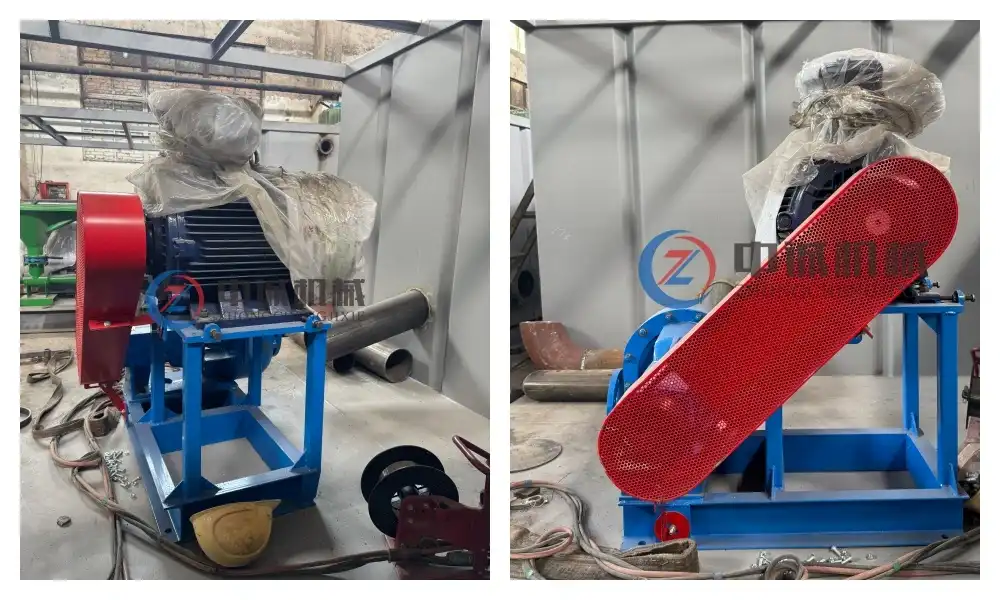
The people in charge of purchasing should make sure that the equipment specifications match the expected mud mixtures and flow requirements. When it comes to shear intensity, water-based bentonite muds require different levels of processing than oil- or polymer-based systems. Our basic shear pump units can handle most types of drilling rigs, from ZJ30 workover units to ZJ90 deep exploration rigs, with head ranges of 21 to 40 meters and capacities of 28 to 320 m³/h. The choice of motor power depends on the density and viscosity of the fluid. A 45–55 kW shear pump configuration is suitable for most tasks, while 75 kW shear pump units are generally used for fluids that are particularly dense or highly viscous. Selecting the right shear pump ensures that flow capacity and mixing performance are properly matched to the drilling application. A properly configured shear pump can also provide consistent processing performance across different mud formulations and operating conditions.
Customization Options for Specific Drilling Environments
Customized solutions are needed for each project. For activities that take place offshore, explosion-proof motor certifications and marine-grade rust protection may be needed. For drilling in the Arctic, you need cold-weather packages with insulated casings and heated seals. We offer flexible customization options, such as different motor names (from domestic or foreign sources), voltage levels (380V, 440V, or others), and material upgrades for harsh pH or temperature conditions. This flexibility makes sure that the equipment works well with current Solids Control Systems and meets the rules in the area.
Maintenance Protocols to Minimize Downtime
Regular checks look at the state of the mechanical seals, the wear on the impeller, and the cleaning of the bearings. Most seal failures are caused by not enough cooling or particles getting in, so keeping an eye on the seal flush system is the best way to avoid most problems. Over time, abrasive wear causes the impeller-to-stator gap to slowly grow, which lowers the shear efficiency. During routine maintenance, precise measurements show when clearance needs to be adjusted, or parts need to be replaced. We help our customers set up effective preventive maintenance programs that protect business budgets and extend the life of their equipment by giving them detailed operation instructions, maintenance schedules, and training support.
Understanding Supplier Capabilities and Support Networks
Several important traits are shown by reliable makers. Check for ISO 9001, ISO 14001, and ISO 45001 certifications, as well as approvals from TÜV and BV that are specific to the industry. A supplier's patent portfolio shows that they are constantly investing in new products instead of making the same old things. When project deadlines are short, production capacity is important—facilities that can make 200 or more units a year can meet fast orders without lowering quality. Whether equipment problems are short-term annoyances or long-term problems depends on the infrastructure for after-sales support. This includes spare parts supplies, expert hotlines, and field service capabilities.
Procurement Considerations: Navigating the Market for Shear Pumps
Balancing Upfront Investment with Total Cost of Ownership
The people in charge of purchasing should make sure that the equipment specifications match the expected mud mixtures and flow requirements. When it comes to shear intensity, water-based bentonite muds require different levels of processing than oil- or polymer-based systems. Our basic shear pump units can handle most types of drilling rigs, from ZJ30 workover units to ZJ90 deep exploration rigs, with head ranges of 21 to 40 meters and capacities of 28 to 320 m³/h. The choice of motor power depends on the density and viscosity of the fluid. A 45–55 kW shear pump configuration is suitable for most tasks, while 75 kW shear pump units are generally used for fluids that are particularly dense or highly viscous. Selecting the right shear pump ensures that flow capacity and mixing performance are properly matched to the drilling application. A properly configured shear pump can also provide consistent processing performance across different mud formulations and operating conditions.
Sourcing Channels and Certification Requirements
Direct connections with manufacturers are better than networks of distributors in a number of ways. When engineering teams talk to each other directly, technical customization moves faster, and lead times are shorter when there are no middlemen slowing down the flow of information. Our location in Xingping City, Shaanxi Province, has easy access to the ports of Tianjin and Shanghai, which makes shipping around the world more efficient. Standard versions that are in stock usually ship within three days, while special orders take about fifteen days to finish. When equipment leaves the plant, it comes with full paperwork like engineering drawings, process flowcharts, assembly diagrams, and operation manuals. This meets the quality assurance needs of the customer and makes it easier to clear customs.
Quality Assurance and Warranty Commitments
Strict quality control keeps customers' money safe. Failures caused by vibration can be avoided by dynamically balancing rotating assemblies to G2.5 standards. Hydrostatic testing at 1.5 times the maximum working pressure makes sure that the structure is solid and that the system works without any leaks. Material analysis checks that the alloy's makeup meets the requirements for wear resistance. During trial runs under load, vibration patterns and noise levels are measured to make sure the units work within acceptable limits before they are shipped. Together, these validation steps and our one-year guarantee show that we care about the stability of our products and the happiness of our customers.
Conclusion
The quality of the drilling fluid has a direct effect on how well the well is built, how long the equipment lasts, and how efficiently operations run. Shear pump technology addresses the main challenge of turning raw additives into fully functional mud systems by mechanically dispersing materials and accelerating the chemical hydration process. When procurement teams evaluate different pieces of equipment, they should consider shear pump systems that can perform reliably across a variety of drilling conditions, with particular attention to shear intensity, material durability, and supplier technical capability. The practical benefits of using a shear pump—including reduced chemical consumption, better rheological control, improved solids suspension, and less equipment wear—can make purpose-built mixing equipment a worthwhile investment compared with traditional circulation methods. Selecting a reliable shear pump helps maintain consistent mud quality while supporting efficient drilling operations. Properly configured shear pump equipment can also provide stable mixing performance and improve overall fluid-processing efficiency.
FAQ
Why should I choose a shear pump over a standard mixing hopper?
Even though hoppers add dry ingredients to moving fluids, they don't have the mechanical power to break down "fish-eyes" and fully hydrate the chemicals. A special shear mixing unit uses controlled mechanical forces to break the skins on polymer particles' surfaces. This lets water molecules reach material that hasn't been reacting yet, cutting the time it takes for the material to become water-soluble from hours to minutes.
How often should the mechanical seal be inspected?
When working with a lot of solids, seals need to be checked every 500 to 800 hours. When the cooling and flush system is properly maintained, tungsten carbide seal lips can make this period longer. Checking for leaks and keeping an eye on the air in the seal chamber during daily walkarounds can help find problems before they become too big to fix.
Does the shear pump affect the viscosity of the fluid?
When compared to traditional mixing methods, complete addition hydration usually raises the effective viscosity because more polymer molecules become fully active. But too much rotational force or long-term recycling can break down some long-chain polymers, which lowers viscosity. The right tool sizes and operating methods keep over-shearing from happening and make the best use of chemicals.
Partner with Shaanxi Xixian New Area Zhongcheng Machinery Manufacturing for Reliable Shear Pump Solutions
We at Shaanxi Xixian New Area Zhongcheng Machinery Manufacturing Co., Ltd. have been making drilling equipment for more than 30 years, and we use that experience in every Shear Pump we make. Our engineering team has a lot of patents for things like impeller designs, seal configurations, and system integration solutions that are made for oil and gas drilling. As a certified manufacturer of Shear Pumps that works to ISO 9001, ISO 14001, and ISO 45001 standards and has TÜV and BV approval, we provide drilling operations around the world with equipment that meets their strict requirements for stability and performance. We can make any changes you need, deliver quickly, and provide full expert support for both polymer and bentonite formulation systems for standard wells and high-performance mud conditioning equipment for HPHT environments. Email our team at oliver@zcgukong.com to talk about how to prepare your drilling fluids and find out how our solids control solutions can help your drilling programs run more smoothly.
References
1. Bourgoyne, A.T., Millheim, K.K., Chenevert, M.E., and Young, F.S. (1991). Applied Drilling Engineering. Society of Petroleum Engineers Textbook Series, Volume 2.
2. Caenn, R., Darley, H.C.H., and Gray, G.R. (2017). Composition and Properties of Drilling and Completion Fluids, 7th Edition. Gulf Professional Publishing.
3. Mitchell, R.F. and Miska, S.Z. (2011). Fundamentals of Drilling Engineering. Society of Petroleum Engineers.
4. Chilingarian, G.V. and Vorabutr, P. (1983). Drilling and Drilling Fluids. Developments in Petroleum Science, Volume 11, Elsevier.
5. API Recommended Practice 13B-1 (2019). Recommended Practice for Field Testing Water-based Drilling Fluids, 5th Edition. American Petroleum Institute.
6. Apaleke, A.S., Al-Majed, A., and Hossain, M.E. (2012). "Drilling Fluid: State of the Art and Future Trend." SPE North Africa Technical Conference and Exhibition, Paper SPE-149555-MS.