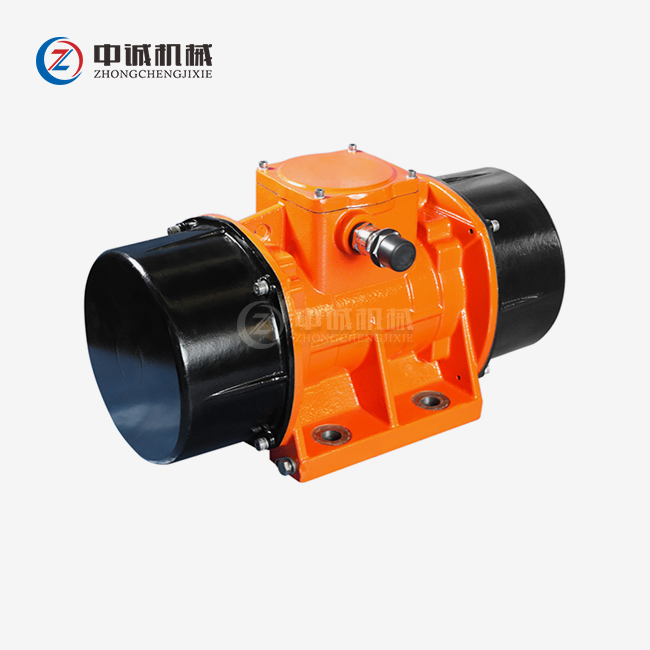
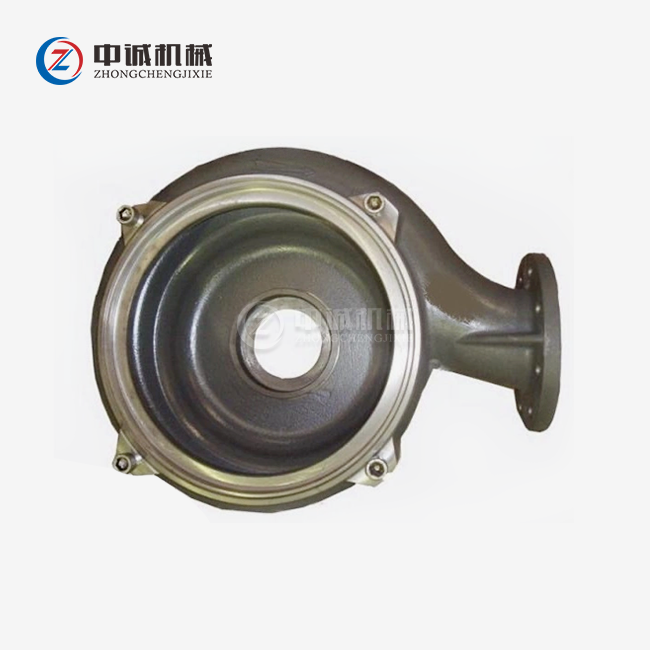
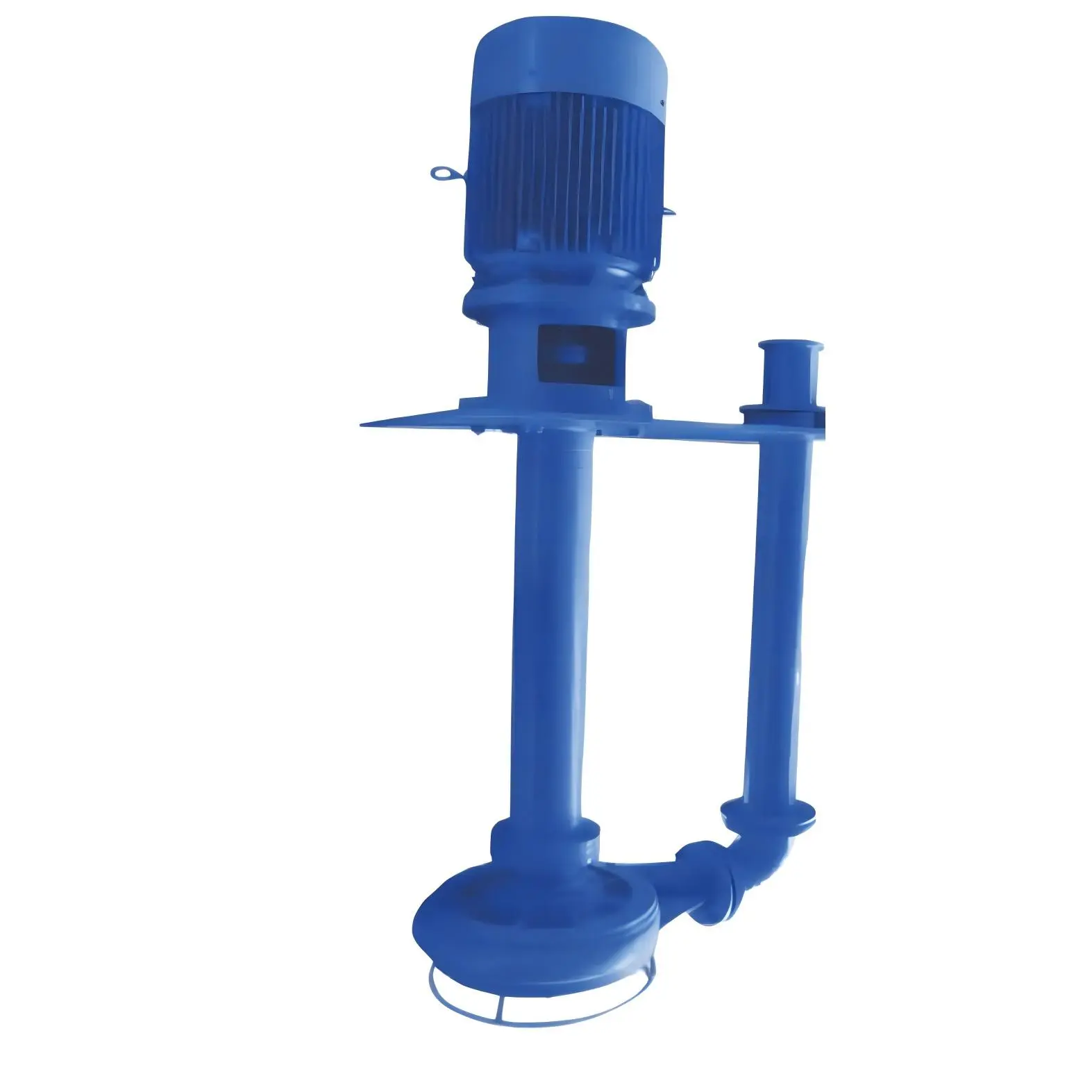
When handling abrasive slurries in drilling operations, mining, or industrial processing, equipment reliability isn't optional—it's essential. A Vertical Slurry Pump is a specialized centrifugal pump designed with a cantilever configuration, engineered specifically for vertical mounting and submersible operation in pits, sumps, or tanks. Unlike horizontal alternatives, this pump design eliminates the need for submerged seals or bearings, drastically reducing maintenance frequency and operational downtime. Its ability to handle high-concentration slurries containing large solid particles makes it indispensable for oilfield sump drainage, mineral processing, and construction foundation work where conventional pumps simply cannot deliver consistent performance.
Understanding Vertical Slurry Pumps: Design and Operating Principles
The engineering behind cantilever slurry pumps solves problems that procurement managers face every day, like seals that fail often, clogging in places with a lot of solids, and not being able to adjust to changing fluid levels. Our vertical cantilever pumps at Shaanxi Xixian New Area Zhongcheng Machinery Manufacturing Co., Ltd. have a single-stage, single-suction design that puts all of the gears and drive parts above the level of the slurry. This design doesn't need a shaft seal or seal water, which gets rid of the most common place where standard slurry handling equipment breaks down.
Cantilever Shaft Configuration and Hydraulic Efficiency
With the cantilever design, the impeller can reach into the slurry without the need for support bearings in the flow path. This keeps abrasive particles from hurting important parts that rotate. The impeller and casing are made from a high-chromium metal that is resistant to wear and meets ASTM A532 Class III standards. It has a hardness value of 58 to 62 on the HRC scale. This choice of material is better at resisting both wear from quartz sand and rust from acidic drilling fluids that are common in oil and gas activities.
Our pumps have wide flow paths that are designed to keep them from getting clogged when they're working with slurries that contain up to 70% by weight of solids. The hydraulic design makes sure that output heads of 10 to 36 meters and flow rates of 20 to 140 cubic meters per hour are balanced. Motors with 2.2 to 45 kilowatts power the system. This range is used for a lot of different things, from high-head transfer in coal washing circuits to shallow pit drains on drilling rigs.
Material Science and Wear Resistance
Choosing the right materials has a direct effect on the total cost of ownership. We only use high-chrome metals for wetted parts in drilling activities in the US, where shale rocks make very rough cuttings. When working with acidic slurries that have a pH below 4 in geothermal drilling, on the other hand, natural rubber liners or duplex stainless steel (2205 grade) are better at resisting chemicals. Dynamic balance of the turbine design to ISO 1940 G2.5 standards keeps vibration levels below levels that would speed up bearing wear.
To within 0.05 millimeters, the throatbush clearance (the space between the propeller and the suction plate) is made. This level of accuracy keeps the hydraulic system working well while letting sometimes large pieces pass through without getting stuck. Managers of drilling operations like this design choice because it cuts down on emergency shutdowns during important parts of well construction.
Vertical Slurry Pump Advantages and Comparisons to Alternative Pumps
To choose between pump types, you have to compare performance data with real-world operating conditions. Horizontal slurry pumps need priming systems and take up a lot of floor space, which means they may not be suitable for offshore platforms or drilling sites with limited space. In these applications, a Vertical Slurry Pump can provide a more practical solution because its vertical configuration helps reduce the required installation footprint. Motors in submersible pumps are submerged in slurry, which exposes electrical components to harsh conditions and makes maintenance more difficult. By comparison, a properly configured Vertical Slurry Pump can keep critical drive components away from direct slurry exposure. In rough service, centrifugal pumps with mechanical seals need a constant supply of water for the seals and may require frequent replacement. Selecting a reliable Vertical Slurry Pump can help reduce these maintenance concerns while providing stable slurry-handling performance. For demanding industrial and drilling applications, a Vertical Slurry Pump offers another option when space, maintenance access, and operating conditions are major considerations.
Operational Advantages in Abrasive Applications
When buying teams are looking for new suppliers, they look at four important benefits that our vertical cantilever pumps offer. The slurry conveying capacity works well with fluids that are full of solids and doesn't get clogged, keeping flow rates steady even when particle concentration changes. During drilling activities in the Permian Basin, workers say that drilling mud with barite and bentonite concentrations of more than 40% by weight works well.
Since these pumps don't have buried seals, they can run dry for a short time without breaking down completely. This is very important when the sump level changes during rig activities. Drilling companies have seen operational uptime increases of 15 to 20 percent compared to horizontal pump setups that needed seal replacements all the time. When equipment is near crew cabins on offshore rigs or in urban drilling sites with noise restrictions, the stable, low-noise operation is important.
How much energy a business uses has a direct effect on its costs. Our vertical pumps use less power because the hydraulics of the impellers have been tuned to reduce swirling losses. Based on industrial rates of $0.08 per kilowatt-hour, a drilling operation that runs three pumps constantly at 30 kilowatts each can save about $12,000 a year on energy costs compared to designs that use less electricity.
Integration with Solid Control Systems
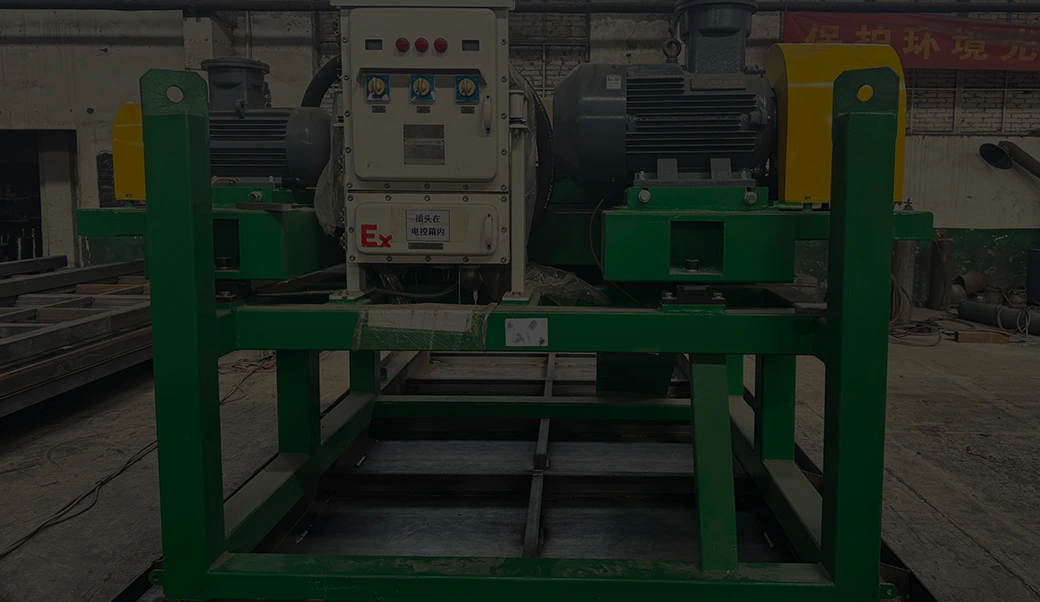
Drilling rigs with capacities from ZJ90 to ZJ30 can easily use the vertical mounting configuration with their mud circulation systems. The pump is mounted directly on sumps that collect the waste from shale shakers and mud cleaners. This means that there is no need for transfer pipes, which would add to the pressure loss. This simplified installation cuts on-site welding and commissioning time by about two days per rig for EPC contractors putting together full solid control packages.
Perfect system integration includes being able to use current VFD drives and control screens. Our pumps can work with power levels ranging from 380V to 480V three-phase, so they can be used with both US-made equipment and equipment from other countries. Drilling engineers like that they can change flow rates with VFD control, which matches pump output to changing mud return amounts without slowing down outlet valves, which speeds up wear.
Maintenance, Troubleshooting, and Longevity Tips for Vertical Slurry Pumps
To make rough pumps last longer, you need to know how they break down and take steps to stop them from happening. When choosing suppliers, procurement managers should look at more than just the original cost. They should also look at the infrastructure for upkeep and support that ensures long-term performance.
Routine Inspection and Preventive Maintenance
We suggest review times based on how hard the operation is. If the impeller is used continuously in drilling mud for more than 12 hours a day, it should be checked for wear every month. The design of the wide flow passage can handle gradual wear, but keeping an eye on the throat clearance stops efficiency losses that make the machine use more energy. Bearings should be oiled according to the manufacturer's instructions for the motor brand being used. For general industrial motors, this is usually done every 2,000 hours of operation, but it can be lowered to 1,000 hours in places with a lot of shaking.
The flexible shaft needs to be checked for balance every so often. Misalignment shows up as too much vibration, which is easy to measure with portable instruments. If the vibration is stronger than 7 millimeters per second, you need to pay attention right away. During planned rig repair times, drilling operations managers can check the alignment of the pump without taking it off its mount.
Troubleshooting Common Operational Issues
Cavitation is the most misunderstood issue with how slurry pumps work. When there is suction, vapor bubbles form on the turbine surface and then burst. This causes shock waves that wear away even hardened materials. Changes in the release pressure and a unique buzzing sound are signs. Solutions include making sure there is enough submersion—we suggest at least 1.2 times the width of the pump barrel—and looking for blockages in the intake that stop flow.
Most of the time, clogging is caused by mistakes in operation rather than problems with the design. A Vertical Slurry Pump with a wide flow path helps prevent material from getting stuck when working with slurries containing fibrous materials or agglomerated clay, although rapid increases in particle size can still exceed the system's handling capacity. Pumpability can be maintained by installing upstream screens or adjusting the properties of the mud. When using a Vertical Slurry Pump for bentonite slurries in foundation drilling, monitoring viscosity and keeping it within the 40–60 second Marsh funnel range can help balance hole stability and pumpability. Proper operation of a Vertical Slurry Pump also helps maintain consistent flow and reduce the risk of clogging during demanding slurry-handling applications. A well-configured Vertical Slurry Pump can therefore provide reliable performance when slurry composition and particle size are carefully controlled.
Upgrades to materials solve certain problems. If you switch from normal high-chrome steel to duplex stainless steel, the casing will last longer, from 18 months to over five years when moving chloride-rich produced water from oil wells. Drilling contractors who work in corrosive environments figure that the 30% higher cost of materials leads to an 18% longer service life, which greatly improves the economics of the lifecycle.
How to Choose and Procure the Best Vertical Slurry Pump for Your Industry Needs
When making choices about procurement, technical requirements and business needs are balanced. Drilling companies that need to buy equipment for projects that will last more than one year need suppliers who can provide more than just pumps.
Matching Pump Specifications to Application Requirements
First, list the qualities of your slurry, such as the concentration of solids, the spread of particle sizes, its specific gravity, pH, and temperature. Typical conditions for oilfield sump draining, handling drilling mud returns are solids that make up 20 to 30 percent of the weight, particles that are smaller than 5 millimeters, a specific gravity of about 1.4, and temps up to 50 degrees Celsius. These factors help choose the blade width, motor power, and material requirements.
Flow rate needs are based on the ability of machines upstream. A drilling rig with two 6-meter shale shakers that process 450 gallons of water per minute needs at least two 140-cubic-meter-per-hour sump pumps to keep the water from overflowing. Adding a 20% safety margin takes into account the fact that mud return rates can change during drilling operations. To figure out the discharge head, you need to add up the vertical lift from the sump to the surface, the friction losses through the pipes, and the pressure that needs to be reached at the destination tank. For most rig configurations, this adds up to 15 to 25 meters.
Evaluating Supplier Capabilities and Support Infrastructure
The project's progress depends on how reliable the suppliers are. We make pumps at Shaanxi Xixian New Area Zhongcheng Machinery Manufacturing Co., Ltd. using quality systems that are ISO 9001, ISO 14001, and ISO 45001 certified. Our products also meet HSE standards and have TÜV and BV approvals. When drilling contractors have to show that their equipment is up to code during operator audits or regulatory inspections, these certifications are important.
Project schedules are affected by the ability to deliver. Standard versions are in stock and can be shipped within three days. Customized pumps with specific motor brands or mounting specs take fifteen days to ship. This responsiveness keeps drilling companies from having to wait for expensive delays to move rigs to new sites. Our connections with freight forwarders and closeness to the ports of Tianjin and Shanghai make foreign shipping to the US Gulf Coast easier.
Technical help is what sets makers apart from suppliers. We give you all the technical paperwork you need, like pump curves, dimensional drawings, base loading estimates, and electrical diagrams. Installation instructions include mounting steps, alignment limits, and checks for starting. For oilfield uses, operations manuals include step-by-step instructions on how to start up, plan upkeep, and fix problems. This paperwork meets the needs of drilling operators for training new employees and making sure safety rules are followed.
Commercial Considerations and Customization Options
Different providers have very different ways of setting prices. Direct makers like us don't add markups for distributors, so the equipment we sell is usually 15-20% cheaper than equipment bought through middlemen. When procurement managers are negotiating contracts, knowing this difference affects how much money is spent on solid control systems as a whole.
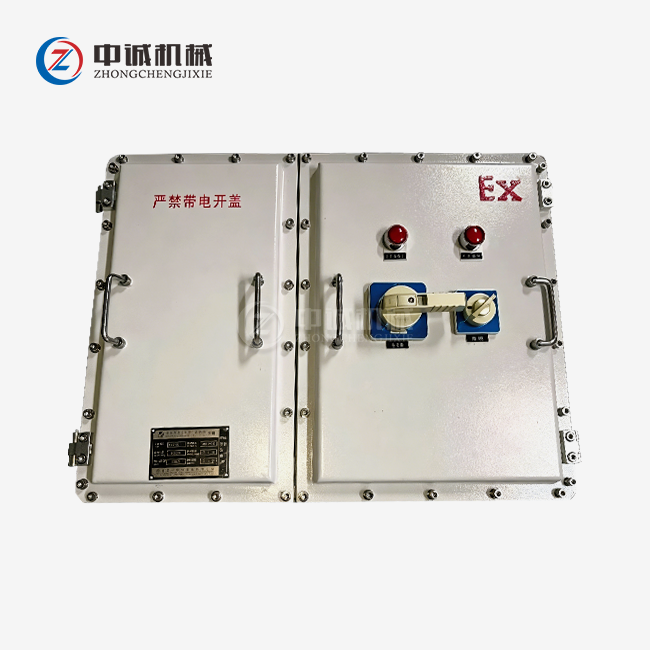
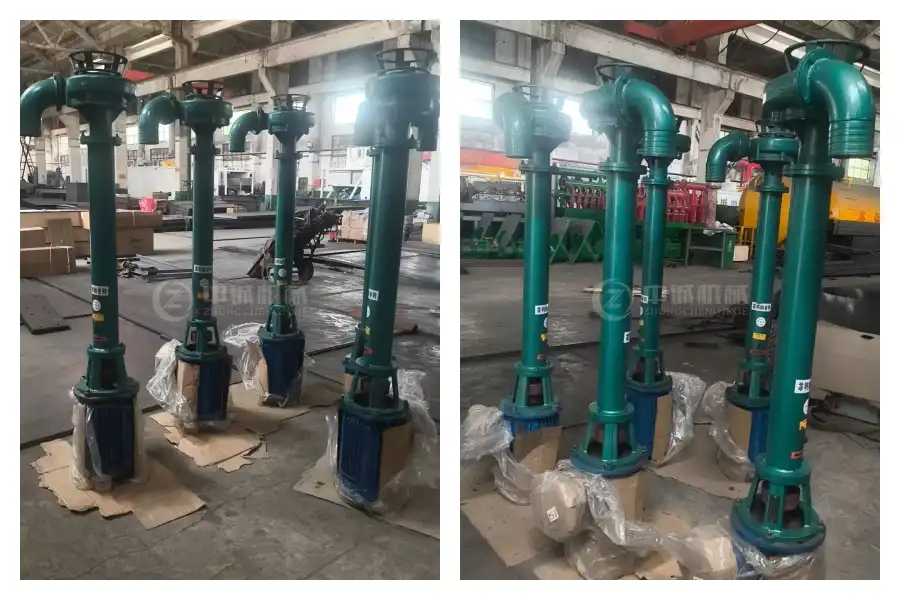
Customization allows a Vertical Slurry Pump to meet the specific requirements of each drilling rig. Customers can choose motor brands such as Siemens, ABB, or WEG to match the spare parts and maintenance systems they already use. The mounting ring size of a Vertical Slurry Pump can also be modified so that existing tank infrastructure can be reused without expensive structural changes. For harsh offshore conditions, the electrical enclosures of a Vertical Slurry Pump can be upgraded to NEMA 4X for improved protection against moisture, corrosion, and environmental exposure. Paint systems can also be customized according to customer requirements. For example, offshore operators may require multi-coat epoxy systems that meet NORSOK M-501 standards. By configuring a Vertical Slurry Pump around the installation environment, operators can improve compatibility, simplify maintenance, and reduce modification costs. A properly customized Vertical Slurry Pump can therefore provide reliable slurry-handling performance across demanding onshore and offshore applications.
The warranty terms show how confident the maker is. Our one-year warranty covers flaws in both the products and the work that was done. If the problem is severe enough, we can arrange for longer coverage.
Case Studies and Industry Applications Demonstrating Reliability
Technical standards are backed up by results in the real world. Drilling in the Bakken formation in North Dakota shows how vertical pumps can be useful in difficult environments.
Oilfield Drilling Application: Bakken Shale Operation
A drilling company with 12 rigs needed reliable sump drainage to deal with the rough cuttings that came from horizontal wells that were 10,000 feet long. In the past, horizontal pumps needed to have their seals replaced every 800 hours of use, which meant that they had to be shut down without warning during important drilling stages. After moving to our vertical cantilever pumps, the user saw that the impellers didn't need to be inspected for 2,400 hours, and there were no problems with the seals.
It had a big effect on the finances. By not having to repair the seals on 12 rigs three times a year, parts and labor costs were cut by about $86,000. More importantly, the increase in reliability cut down on non-productive time by 36 hours per rig per year, which, at current day rates, is worth about $432,000 in avoided downtime. During the five years that the pump was in use, the buying manager found that it cost 40% less to own than the horizontal pumps that it replaced.
Mining Application: Coal Preparation Plant
In Wyoming, a coal cleaning plant works with 400 tons of coal per hour, making heavy media slurries with magnetite particles. The sump pumps in the plant are always working, moving solids that have fallen back into the washing cycle. The original equipment got clogged up a lot and had to be flushed every day, which slowed down the working time.
Problems with clogging were solved by installing vertical pumps with large flow paths. In 18 months of operation, the maintenance supervisor said there were no unplanned stops. Even though they worked with slurries that had up to 8-millimeter particles and 60% solids by weight, the impellers didn't wear out too much. The plant estimated that higher uptime increased yearly throughput by 2,800 tons, which brought in more than $140,000 more.
Foundation Construction: Urban Piling Project
For drilled shaft building in expansive clay soils, a foundation builder in Houston needed to remove water from sludge. The project requirements said that the returns of bentonite slurry had to be managed while quality standards for groundwater had to be met. As the digging went deeper into different layers of earth, vertical pumps kept the transfer rates to the settling tanks steady even though the slurry densities changed.
The contractor liked how the pumps could work in intermittent mode (only during busy drilling shifts) without needing a steady supply of priming or seal water. This operating flexibility made site planning easier and cut water use by about 15,000 gallons per month compared to pumps that needed to have their seals flushed all the time. The project was finished on time, and there were no delays caused by the pumps. This supports the contractor's reputation for doing good work.
Conclusion
To choose the right slurry transfer equipment, you need to weigh the total cost of ownership against technical performance and operational reliability. A Vertical Slurry Pump is well suited to demanding conditions because its cantilever design eliminates submerged seals, uses durable materials, and can be adapted to a variety of applications. When procurement teams evaluate their options, they should give greater consideration to suppliers that offer comprehensive technical support, fast delivery, and a proven record of reliable field performance. Selecting a dependable Vertical Slurry Pump can help reduce maintenance requirements and improve long-term operating efficiency. Case studies show that the initial equipment cost represents only a portion of its total lifetime value. Long-term profitability depends on equipment reliability, ease of maintenance, and compatibility with other systems. As environmental regulations become stricter and the demand for operating efficiency increases, a properly configured Vertical Slurry Pump can provide a reliable solution for slurry transfer in drilling, mining, and construction applications. Investing in a high-quality Vertical Slurry Pump can further support stable operation, lower lifecycle costs, and improved system performance.
FAQ
What slurry conditions favor vertical pump designs over horizontal alternatives?
Vertical pumps are the best way to handle slurries with a lot of solids that are rough in small spaces with limited floor space. The vertical configuration can work in flooded conditions without priming systems, which is helpful for drilling rig sumps, foundation piling excavations, and underground mining. The cantilever design gets rid of the most common failure point when particle concentrations are higher than 40% by weight or when operations have to be stopped often for seal upkeep.
What maintenance intervals optimize pump performance in oilfield applications?
Visual reviews of the outside parts are done once a month, and internal inspections are done every three months to check for impeller wear and throat clearance during ongoing drilling operations. Bearings should be oiled according to the manufacturer's instructions, which is usually every 2,000 hours. In high-vibration offshore settings, the times can be cut to 1,000 hours. Comprehensive overhauls done once a year replace worn-out parts before they break, which increases uptime. Drilling contractors should keep extra impellers on hand so that they can be quickly swapped out during planned repair windows for the rig.
Can pumps be customized for extreme abrasive or corrosive environments?
The choice of material solves certain problems. High-chrome metals can handle silica sand and drilling waste, and duplex stainless steel can handle chloride rust in produced water uses. Oils and slurries with a pH below 4 work well with natural rubber liners. You can change the motor's power, the impeller's diameter, and the shaft's length to fit your specific needs. To make sure the right standard is met, procurement teams should give a full slurry analysis that includes pH, temperature, particle size distribution, and chemical make-up.
Partner with a Trusted Vertical Slurry Pump Manufacturer for Your Next Project
Shaanxi Xixian New Area Zhongcheng Machinery Manufacturing Co., Ltd. has been creating and making reliable pumps for over 30 years. We know how to make them work in the toughest situations. Our vertical cantilever pumps are made from materials that are approved to meet international standards and are backed by ISO 9001, ISO 14001, and ISO 45001 compliance. Our team offers full technical support from the selection process through to rig commissioning, whether you need standard configurations shipped within three days or solutions that are made to fit the needs of your specific rig. Email our engineering team at oliver@zcgukong.com to talk about your slurry handling problems and get specifics. You can look at our whole selection of solid control tools on our website, zcsolidscontrol.com, and download technical information that will help you make smart purchasing choices.
References
1. Wilson, K.C., Addie, G.R., Sellgren, A., and Clift, R. (2006). Slurry Transport Using Centrifugal Pumps. New York: Springer Science.
2. Hydraulic Institute and American National Standards Institute (2015). ANSI/HI 12.1-12.6 Rotodynamic (Centrifugal) Slurry Pumps. Parsippany: Hydraulic Institute.
3. Walker, C.I. and Bodkin, G.C. (2000). Empirical Wear Relationships for Centrifugal Slurry Pumps. Wear, 242(1-2): 1-9.
4. Warman International Ltd. (2008). Warman Slurry Pumping Handbook. Melbourne: Weir Minerals Australia.
5. Addie, G. and Helmly, F. (1989). Recent Developments in Sump Pump Intake Design. Proceedings of the 6th International Pump Users Symposium. Texas A&M University.
6. Gandhi, B.K. and Borse, S.V. (2004). Numerical Simulation and Performance Analysis of Centrifugal Slurry Pump Handling Solid-Liquid Mixtures. International Journal of Engineering Research, 8(4): 377-390.