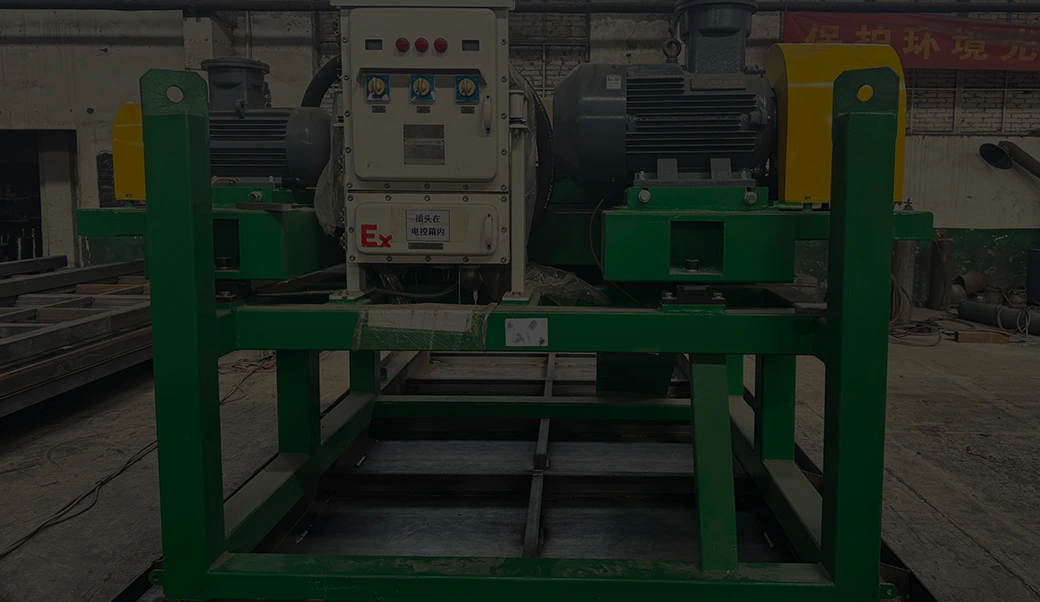
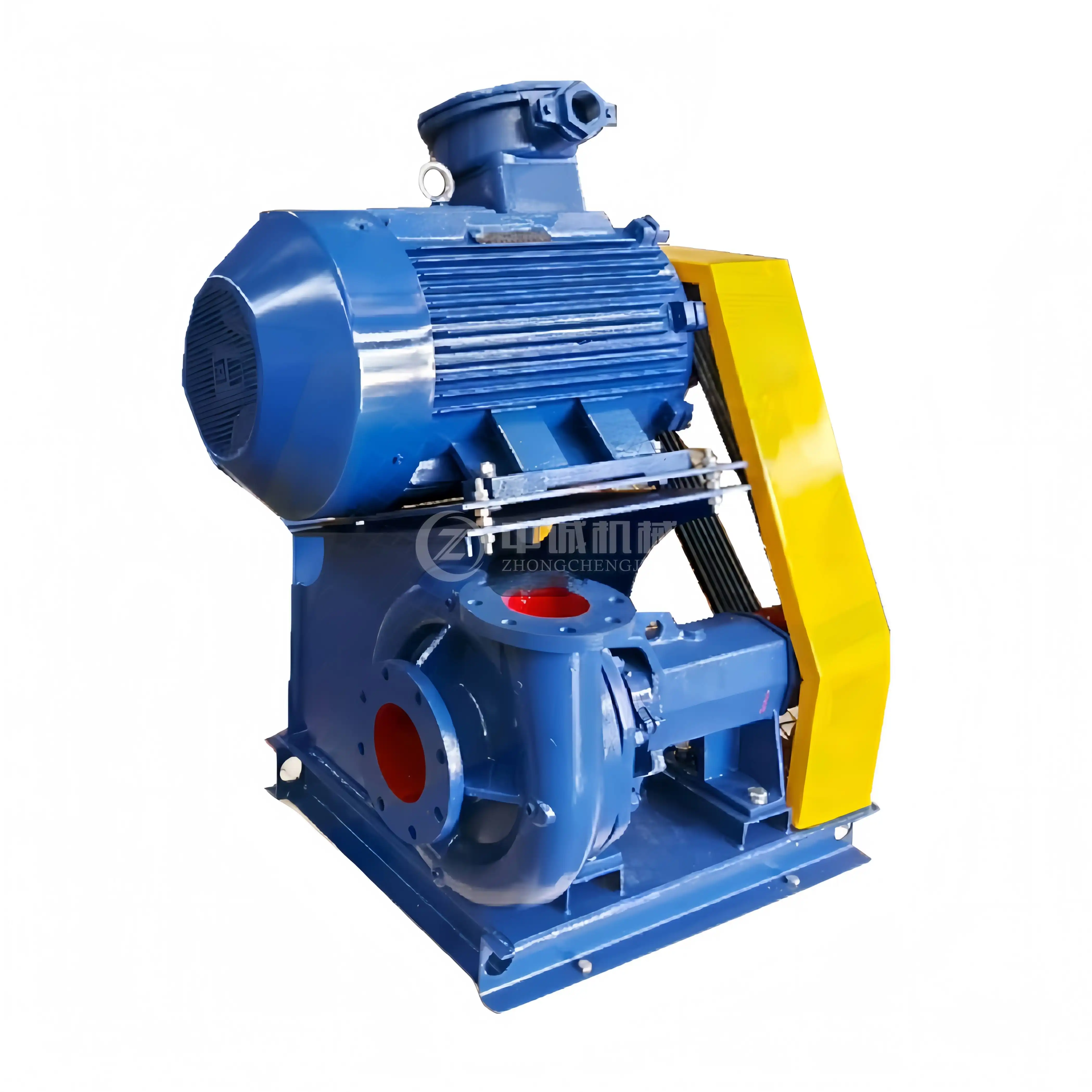
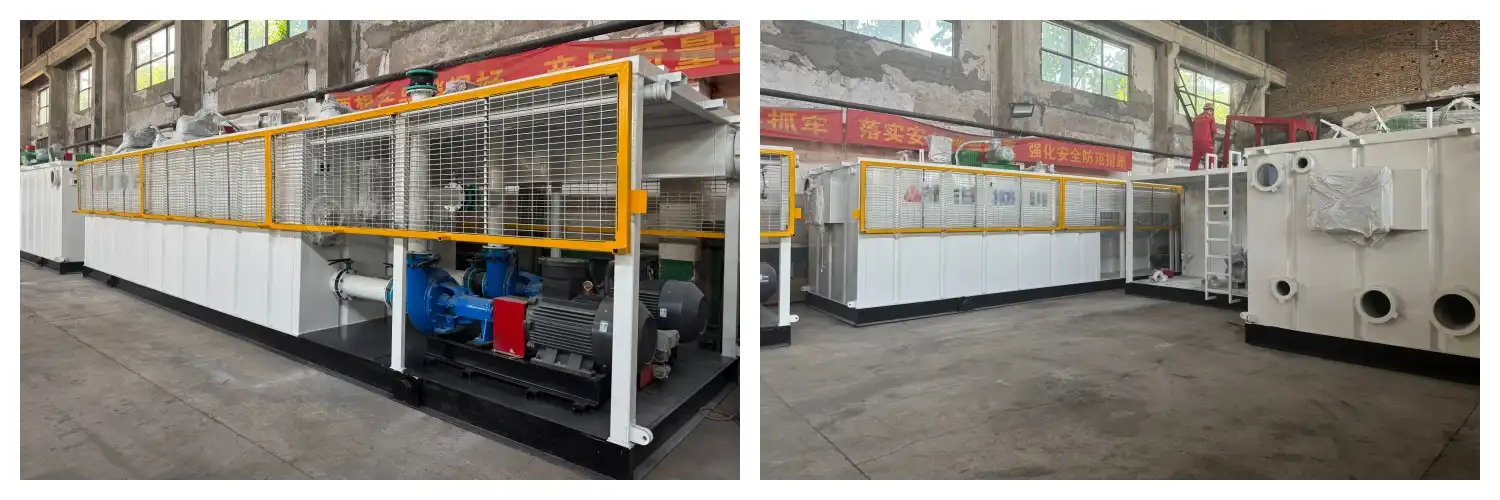
A shear pump improves polymer mixing in drilling fluids by generating intense mechanical shear forces through a high-speed impeller and stator configuration. These forces break down undissolved polymer clumps—commonly called "fish-eyes"—at a molecular level, ensuring complete chemical hydration and uniform dispersion throughout the mud system. Unlike conventional mixing hoppers that simply introduce solids into the fluid stream, a shear pump delivers the controlled mechanical energy required for full additive utilization, reducing chemical waste by up to 15–20% and significantly shortening mixing time. The result is a drilling fluid with stable rheological properties and predictable performance downhole.
Understanding Shear Pumps and Their Role in Polymer Mixing
How Mechanical Shear Forces Transform Polymer Dissolution
Polymers like PAC, PHPA, or xanthan gum tend to clump together instead of dissolving evenly when they are mixed into mud the usual way. The dry middle of each clump doesn't let water in, so the rheological traits are all over the place and hard to predict. This is directly dealt with by a high-shear mixing pump, which moves fluid between a precisely machined impeller and a fixed stator. This creates turbulent zones where particle surfaces are always exposed to new liquid. This method gets true molecular-level hydration instead of surface-level wetting, which is not possible with batch agitators or standard hoppers.
Design Factors That Matter in Harsh Drilling Environments
In drilling environments, equipment is exposed to abrasive solids, corrosive brines, and continuous mechanical vibration. To ensure reliable performance, a Shear Pump used for polymer dispersion should feature wet-end components made from high-chrome cast iron or ductile iron, tungsten carbide mechanical seals, and robust bearing assemblies. These design choices directly affect the ability of a Shear Pump to operate reliably for thousands of hours while reducing the risk of unplanned replacement or downtime. Both shearing efficiency and fluid flow depend on rotational speeds between 1,450 and 2,900 RPM, as well as precise control of the impeller-to-stator clearance. When selecting a Shear Pump, these technical requirements should be carefully evaluated to ensure consistent performance, durability, and effective fluid processing under demanding drilling conditions.
Advantages of Using Shear Pumps in Drilling Fluid Preparation
There are many more operational benefits to adding a polymer shear device to your mud system than just better mixing. They directly lead to lower costs, more service for the rig, and stable wellbores.
Here are the core advantages of this equipment category:
- Superior Shearing Performance: The high-speed stirrer fully mixes the drilling fluid additives, such as bentonite and synthetic polymers. This makes a stable, uniform mud with a consistent gel strength value that protects the wellbore and helps move the cuttings.
- Wear and Corrosion Resistance: Parts made from highly resistant to wear and corrosion materials can handle being exposed to heavy muds, brine-based fluids, and abrasive drill solids for a long time, making them last much longer than standard centrifugal options.
- Stable and Energy-Saving Operation: The unit works with low noise and less energy use compared to its working power. This makes daily upkeep tasks easier and lowers the total electricity load on the rig's power distribution system.
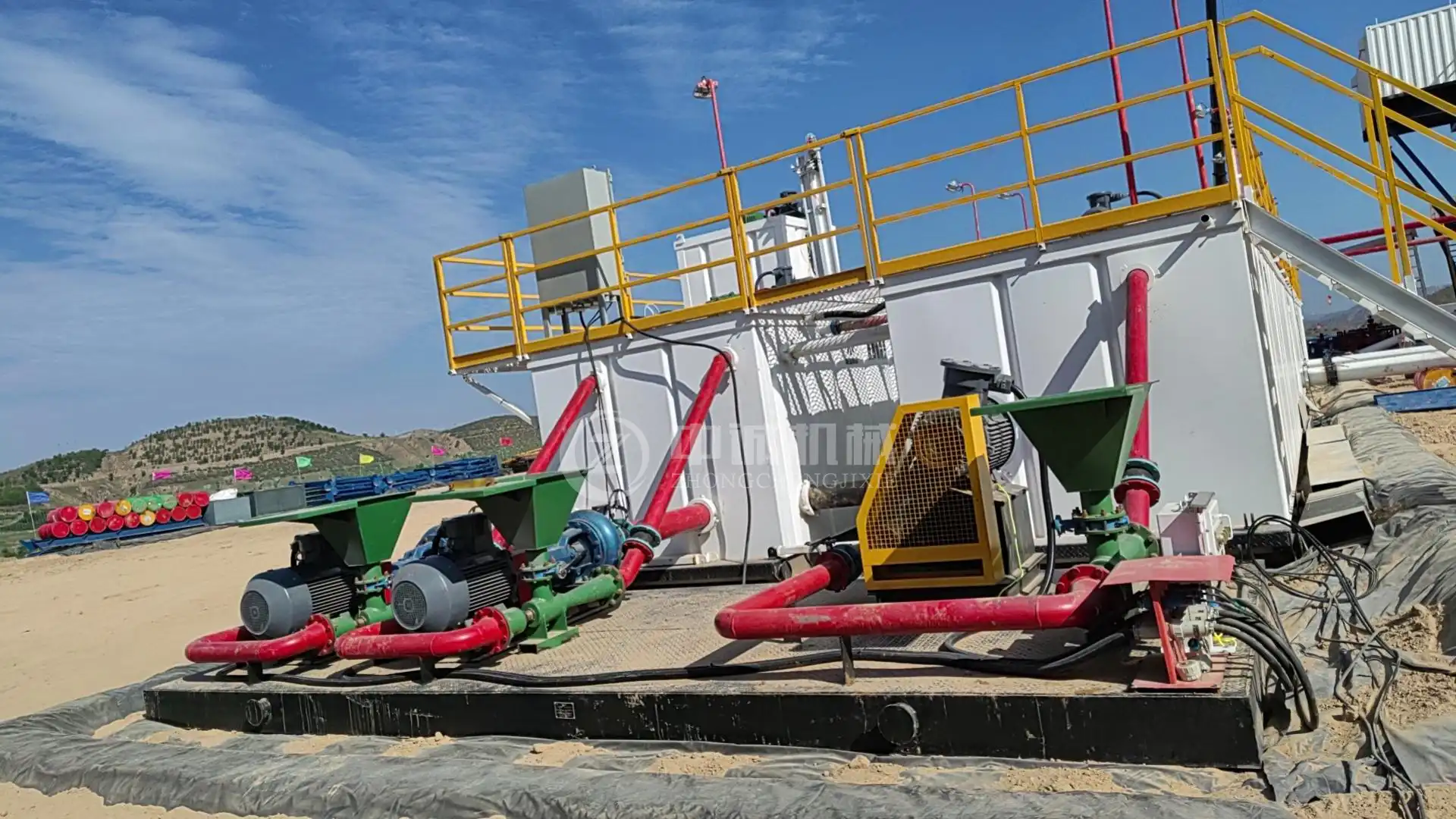
- Perfect System Compatibility: The equipment works perfectly with solid control systems in oil fields. It fits directly between the mixing hopper and the active mud tank, making sure that the whole fluid circulation loop works smoothly and without any problems.
These benefits fix one of the most annoying problems in drilling: mud properties that don't stay the same, which means teams have to add extra chemicals, do conditioning processes more than once, or stop drilling to treat the active system again. It is possible to measure the benefit of getting rid of that waste on any project timeline.
Selecting the Right Shear Pump for Polymer Mixing in Drilling Fluids
Matching Specifications to Your Operational Demands
It is important for procurement managers and drilling engineers to make sure that the pump specifications match the flow rates, fluid densities, and polymer concentrations that are actually in their mud programs. Head range, volumetric capacity, and engine power are some of the most important factors to look at. Zhongcheng's Shear Pump line has a head range of 21–40 m, a capacity range of 28–320 m³/h, and motor power ranges from 5.5 to 75 kW. It can fit drilling rigs with designs from ZJ30 to ZJ90. With so many options, operators running both light exploration wells and high-pressure, high-temperature deepwater projects should be able to find a setup that works for them.
Customization and Supplier Qualification
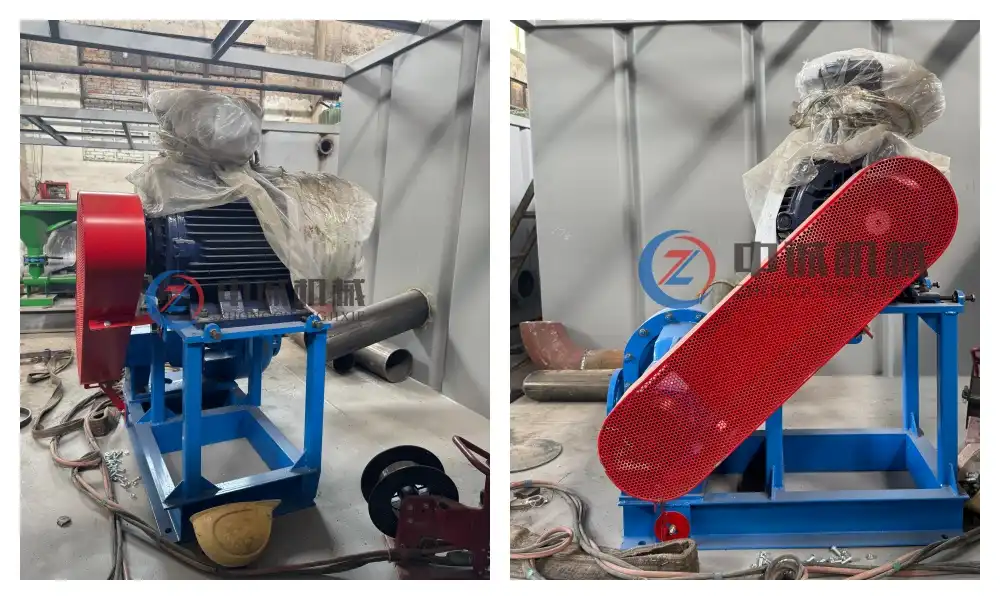
A good Shear Pump maker can modify impeller geometry, motor names, flange standards, and material grades in addition to standard specs. This sets them apart from a generic provider. The Shaanxi Xixian New Area Zhongcheng Machinery Manufacturing Co., Ltd. has ISO 9001, ISO 14001, and ISO 45001 certifications, as well as HSE compliance and TÜV and BV approvals. This means that it meets the requirements that most international oilfield operators and EPC contractors have. In-stock units are shipped within three days, and custom configurations are delivered within fifteen days. They come in transport-safe packing with plastic film, rainproof tarps, strapping, and, if you choose, wooden boxes or pallets.
Maintenance, Troubleshooting, and Longevity of Shear Pumps
The most cost-effective way to protect an investment in a mud shearing machine is to do regular upkeep on it. In high-solids situations, mechanical seals should be checked every 500 to 800 hours of operation. If the cooling flush system is kept up, tungsten carbide seal faces can be used for longer. Checking the lubrication of bearing housings on a regular basis is important, and measuring wear rings against OEM tolerance specs on a regular basis is also important, since too much space directly lowers shearing efficiency and raises energy usage.
Some common field problems affecting a Shear Pump include reduced flow rates caused by worn impellers, seal-face leaks resulting from cooling system failures, and occasional suction-side clogging when large solids bypass upstream screening. Each of these Shear Pump problems can usually be addressed through straightforward maintenance: worn impellers should be replaced, cooling lines should be inspected, and suction strainers should be cleaned regularly. Maintaining a local inventory of spare Shear Pump components, especially mechanical seals, impellers, and bearing sets, can eliminate lead-time risks that might otherwise turn a minor component failure into a drilling shutdown lasting several days. Proactive maintenance and readily available spare parts therefore help keep the Shear Pump operating reliably and reduce costly unplanned downtime.
Future Trends and Innovations in Shear Pump Technology for Drilling Fluids
The business world is moving toward tracking systems for pumps that use the Internet of Things to keep an eye on shaking patterns, bearing temperatures, and flow rates in real time. These platforms send data to predictive maintenance algorithms, which then warn maintenance workers before a failure happens. This cuts unplanned downtime from days to hours. New setups often have variable frequency drives (VFDs), which let workers change the impeller speed and, by extension, the shearing strength without having to change any hardware. This is especially helpful when switching between polymer systems in the middle of a well. In terms of materials, next-generation ceramic-composite wear surfaces offer even fewer component replacements, which will lower the total cost of ownership over the life of the pump.
Conclusion
When properly selected and maintained, a Shear Pump is an essential component of any high-performance mud system and should not be overlooked. A reliable Shear Pump directly supports drilling efficiency, wellbore stability, and environmental compliance by promoting thorough chemical hydration, uniform rheological properties, and stable continuous operation. By providing effective shearing and mixing performance, the Shear Pump helps drilling fluids achieve the consistency required for demanding field conditions. Established manufacturers offer a wide range of specifications, certifications, and customization options, making it easier to select a Shear Pump that matches different rig classes and formation challenges without compromising equipment quality or operational reliability.
FAQ
Why choose a shear pump over a standard mixing hopper?
A hopper adds solids to the flow of fluid, but only a high-shear mixing unit has the mechanical power to break down fish-eyes and fully hydrate the polymer. The difference can be seen in the properties of the mud: it has a consistent viscosity, a stable gel strength, and uses fewer chemicals.
How often should the mechanical seal be inspected?
When drilling for high solids, it's best to check the joint every 500 to 800 hours of operation. When the seal cooling and flush system is kept up to date, tungsten carbide mechanical seals can handle longer periods of time.
Does shearing intensity affect polymer viscosity?
Yes. When compared to normal mixing, complete hydration through mechanical shear usually raises the effective viscosity. But operators should not use too high of shear rates on shear-sensitive polymers, such as some HPAM types, because this can damage molecule chains.
What mud density can a professional-grade unit handle?
Most professional setups can handle mud densities of up to 2.4 g/cm³, as long as the motor is the right size for the specific gravity of the fluid and the materials used in the wet end are as rough as the solids that are being moved.
Can shearing intensity be adjusted in the field?
Yes, the shearing intensity can be changed by changing the VFD speed of the impeller or by recalibrating the clearance between the impeller and the stator when maintenance is due.
Partner with ZHONGCHENGJIXIE for Your Next Shear Pump Requirement
Direct Shear Pump maker ZHONGCHENGJIXIE has been in business for more than 30 years and has its own patents as well as a full line of solid control equipment that has received ISO, TÜV, BV, and HSE approval. Our drilling fluid Shear Pumps have capacities ranging from 28 to 320 m³/h. They come with a full 1-year warranty, help with installation and commissioning, and quick service after the sale. Contact our technical team at oliver@zcgukong.com or visit zcsolidscontrol.com to request specifications, a product catalog, or a project-specific quotation.
References
1. Bourgoyne, A. T., Millheim, K. K., Chenevert, M. E., & Young, F. S. — Applied Drilling Engineering, Society of Petroleum Engineers, 1986.
2. Caenn, R., Darley, H. C. H., & Gray, G. R. — Composition and Properties of Drilling and Completion Fluids, Gulf Professional Publishing, 2011.
3. American Petroleum Institute — API RP 13B-1: Recommended Practice for Field Testing Water-Based Drilling Fluids, API Publishing Services, 2019.
4. Majid, A. A. A., & Lim, K. H. — "Rheological Characterization of Polymer-Enhanced Drilling Fluids Under High Shear Conditions," Journal of Petroleum Science and Engineering, 2018.
5. Growcock, F. B., & Harvey, T. — Drilling Fluids Processing Handbook, Elsevier, 2007.
6. Tehrani, A. — "Polymer Behaviour in Drilling Fluid Applications: Hydration, Shear Degradation, and Stability," SPE Drilling & Completion, Society of Petroleum Engineers, 2020.