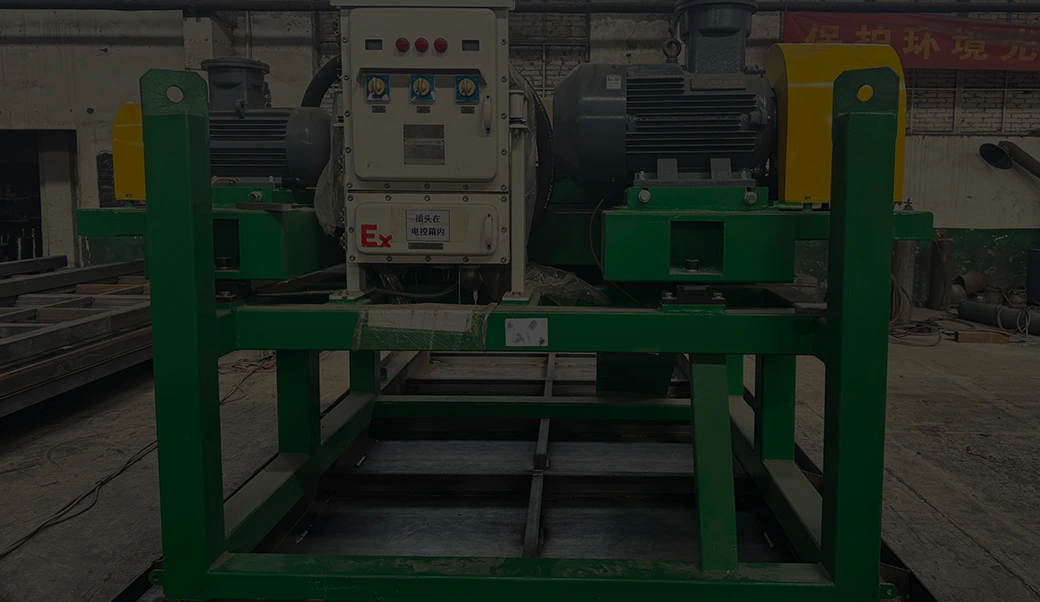
Yes — and the data backs it up. Solids Control Systems directly affect how well a drilling operation performs, especially when formations become unpredictable. When drill cuttings and abrasive particles build up in circulating mud, fluid density shifts, viscosity climbs, and penetration rates drop. A properly configured solids control system removes those harmful particles before they damage pumps, wear down the bit, or cause downhole incidents. Research shows that for every 1% reduction in solids content, drilling speed increases by approximately 10%. In complex geological conditions, that difference is not marginal — it is operational.
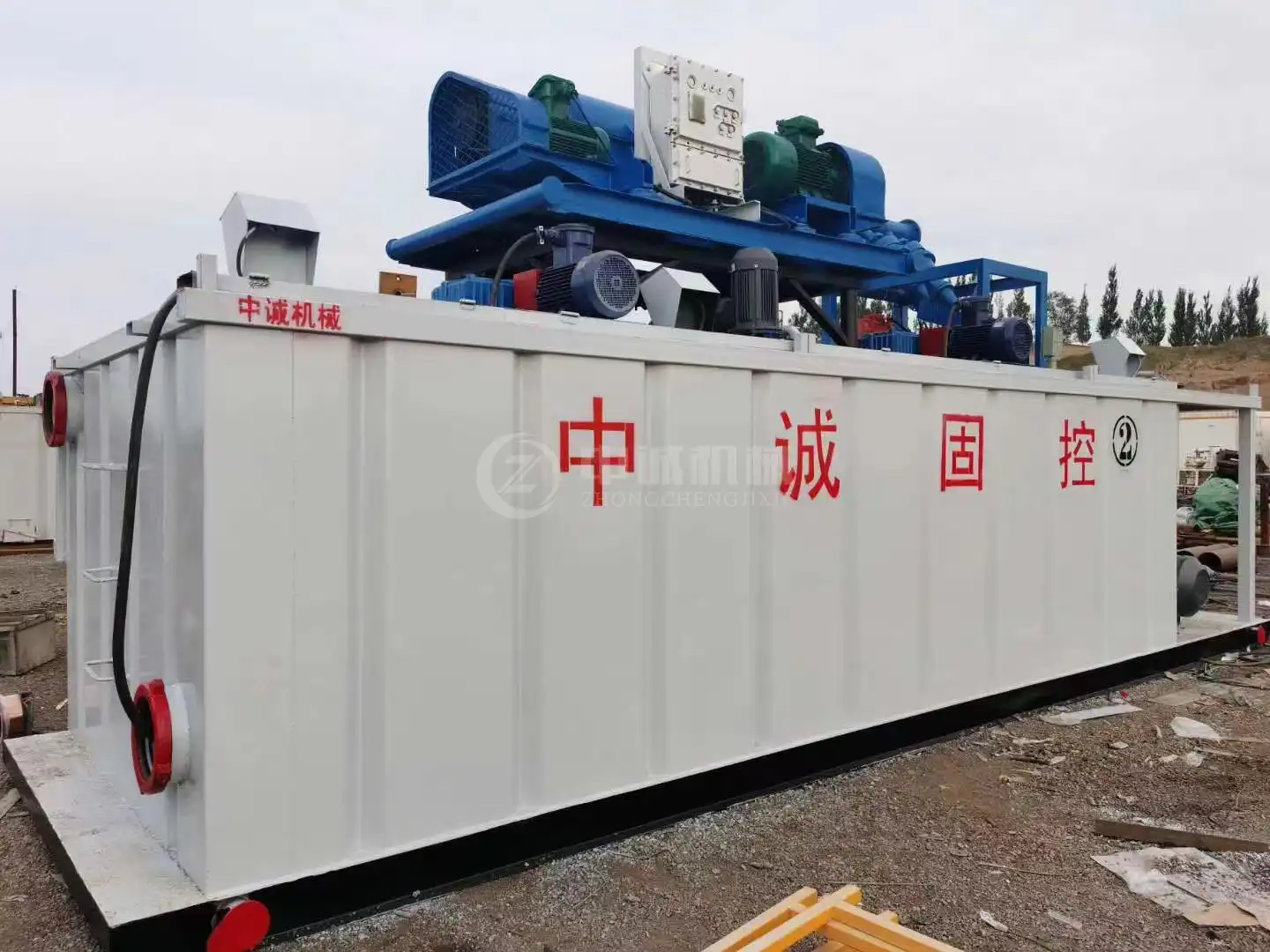
Understanding Solids Control Systems in Drilling
What These Systems Actually Do
A mud solids management system separates solids from drilling fluid by moving it through a series of stages. Each stage aims for a certain range of particle sizes. The goal is to get clean, stable mud back into the wellbore while quickly getting rid of trash solids. Without this process, fluid qualities quickly lose their value, especially in rocks that have a lot of clay, broken rock, or a mix of different types of rock.
Key Equipment in a Multi-Stage Setup
Shale shakers, vacuum degassers, desanders, desilters, and decanter centrifuges are all common parts of a four- or five-stage system. The shale shaker starts by breaking up large solids, which are usually bigger than 74 microns. Then, desanders go after particles between 45 and 74 microns, and desilters use 4-inch cones to sort particles as small as 15 microns. The decanter centrifuge picks up the tiniest colloidal solids, which are particles between 2 and 5 microns in size. These are the particles that hurt pump seals and bit bearings the most.
Why Fluid Property Maintenance Matters
For drilling engineers, stable mud weight, controlled viscosity, and uniform rheology are not just nice-to-haves; they are necessary for maintaining predictable drilling performance. In high-pressure, high-temperature (HPHT) wells, even a change of 0.1 lb/gal in mud density can affect wellbore stability. Properly configured solids control systems help manage unwanted solids and support consistent drilling-fluid properties throughout the separation process. When solids control systems are operating correctly, the separation train can help keep mud density, viscosity, and rheological properties within the specified design limits during drilling operations. For demanding wells, reliable solids control systems are therefore an important part of maintaining controlled drilling-fluid performance.
Challenges of Drilling in Complex Geological Conditions and How Solids Control Systems Help
The Problem With High-Solids Formations
In shale plays, deep carbonate rocks, and salt sequences, the amount of fine drill solids that are made every hour can be too much for equipment that isn't designed for the job. Sticky cuts, especially those from gumbo shale, can block shaker screens, slow down flow, and make mud dilute. That dilution raises the cost of chemicals and the amount of waste at the same time.
Customization Addresses Site-Specific Demands
Geological conditions don't always call for the same set of tools. A small two- or three-stage system might be enough for coalbed methane wells with shallow, broken-up formations. When drilling offshore wells or deep directional wells, you need a full five-stage train with high-G shakers and variable-speed centrifuges. The most important part of engineering judgment is matching the system configuration to the type of formation.
Field Evidence From Shale and Offshore Applications
Data from operations in North America's largest shale basins shows that removing solids in the right order cuts total mud costs by 15% to 25% per well. When used offshore, closed-loop methods cut the amount of trash slurry that comes out of each well by 200 to 400 m³ compared to open-loop processes. These numbers aren't just guesses; they show real improvements in performance that have been seen in several drilling programs.
Comparing Solids Control Systems: Choosing the Best Solution for Your Drilling Project
Evaluating Equipment Options
On the market, you can find everything from simple mud cleaners to high-speed decanter centrifuges. Each piece of gear is used for a specific task. A hydrocyclone and a fine-mesh shaker screen are used together in mud cleaners to get barite out of heavy muds. Decanter centrifuges remove very small solids from fluids that are either water-based or oil-based. For most large-scale drilling projects, the group of tools used together is more important than any one piece.
Procurement Factors That Determine Fit
Before choosing a supplier, buying teams should look at three things: the supplier's processing capacity compared to the rig's circulation rate, how well it works with the planned mud system (water-based, oil-based, or synthetic), and how well it can provide site-specific setups. When it comes to multi-well projects or changing workloads, the budget also plays a role in deciding whether to buy directly, lease, or buy in stages.
Where ZC Series Equipment Stands
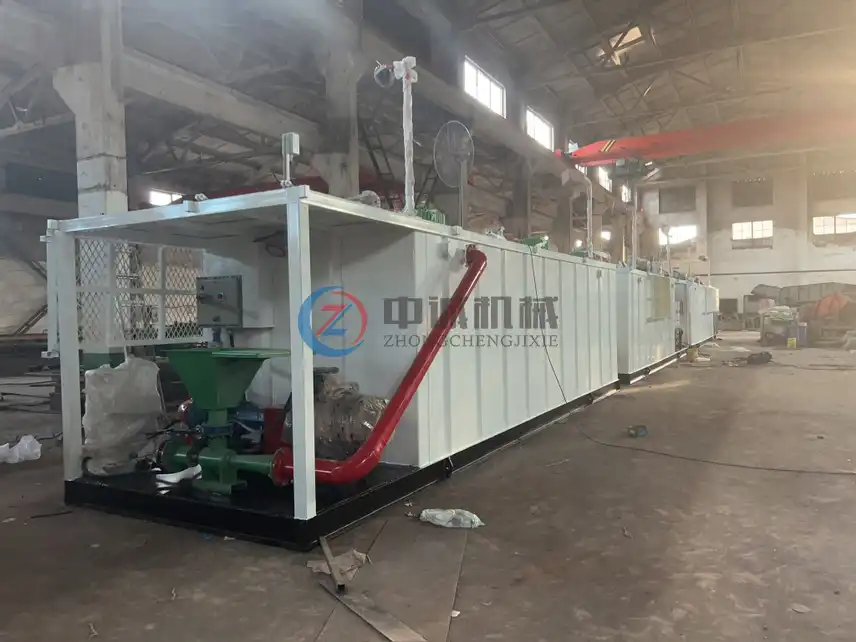
The ZC series stable control system from ZHONGCHENGJIXIE is made to work with drilling rigs in the ZJ10 to ZJ90 series, which includes both onshore and offshore rigs. The modular design lets you mix and match the purification stages in a variety of ways, and the skid-mounted structure cuts down on installation time by a large amount. All electrical parts have a security grade of at least IP55, which is important in places where water, dust, and chemical mist are present.
Maintenance and Technology Trends in Solids Control Systems
Routine Maintenance Priorities
Shaker screen panels, hydrocyclone liners, centrifuge scroll conveyor tiles (usually made of tungsten carbide), and major bearings are among the wear parts that require the most frequent attention in solids control systems. Regular inspections every 250 to 500 hours can help identify wear and deterioration before they result in unplanned downtime. For drilling operations, maintaining solids control systems according to a planned inspection schedule is important because high-pressure field schedules can easily lead to deferred maintenance. Timely replacement of worn components in solids control systems can reduce the risk of unexpected equipment failures and help maintain stable separation performance. For this reason, routine inspection and preventive maintenance should be an essential part of managing solids control systems in demanding drilling environments.
Automation and Real-Time Monitoring
More and more, modern systems use PLC-based controls and sensor sets to keep an eye on the amount of vibration, flow rate, and mud density in real time. IoT-connected devices let you do repairs from afar, which is especially helpful on offshore sites where you can't easily get to the equipment. These tracking tools lower the chance of a catastrophic failure and let operations teams know right away if parameters start to move out of range.
Environmental Compliance Is Now a Requirement, Not an Option
In the US, environmental rules at the federal and state levels have made it harder for drilling trash to be dumped into rivers and streams. Closed-loop systems that meet HSE standards and use manufacturing methods that are in line with ISO 14001 help operators avoid permit violations and the costs that come with fixing problems. ZHONGCHENGJIXIE's systems are certified by ISO 9001, ISO 14001, ISO 45001, TÜV, and BV, which means they can help with compliance paperwork for projects in China and other countries.
Procurement Guide: How to Buy and Implement a Solids Control System
Define Requirements Before Approaching Suppliers
Start by figuring out the type of rig you have, the pattern you want to target, the mud method you want to use, and the daily circulation flow. With these four inputs, you can figure out how much processing power you need and how many separation stages you need. Sending suppliers a clear technical standard early on in the process keeps quotes and setups from not matching up.
Assess Supplier Capability and Support
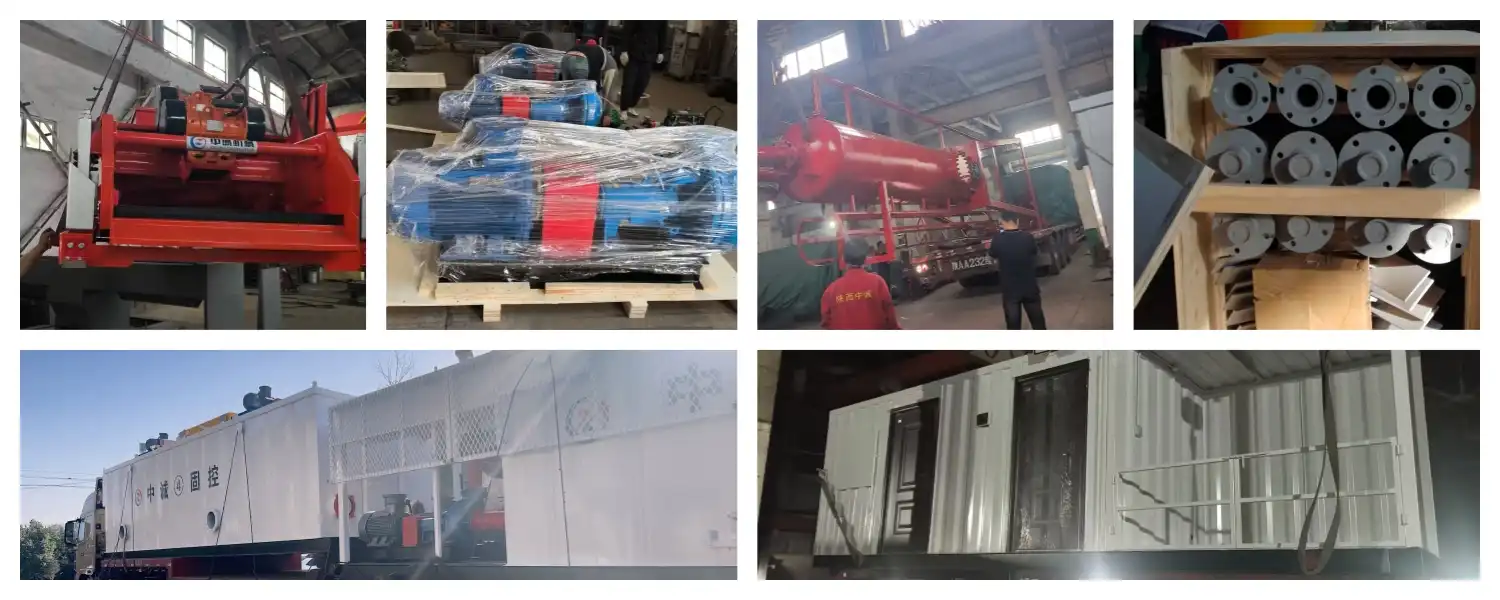
When evaluating solids control systems, check whether the supplier offers engineering drawings, process flowcharts, installation assistance, and operator training in addition to detailed equipment specifications. For long-term dependability, spare parts for solids control systems should be readily available, while responsive technical support can help reduce downtime when maintenance or troubleshooting is required. ZHONGCHENGJIXIE ships in-stock items within three days and completes custom configurations within fifteen days, which can align with the activation schedules of many drilling projects. For buyers sourcing solids control systems, confirming delivery times, technical support, spare-parts availability, and customization capabilities in advance can help ensure smoother project implementation.
Protect Your Investment With Proper Agreements
Any deal to buy tools should include a full warranty for one year, recorded help with commissioning, and a clear price for spare parts. For big projects with many wells, buying in bulk or getting a discount can cut the cost of tools for each well by a lot. Before shipping, you should always ask for factory acceptance test (FAT) paperwork to make sure the equipment works as expected.
Conclusion
As long as they are properly specified, installed, and maintained, solids control systems do improve drilling efficiency in difficult geological conditions. There is strong evidence that lower solids content increases penetration rate, lowers chemical costs, lowers downhole risk, and helps with environmental compliance. This is all taken care of by ZHONGCHENGJIXIE's ZC series, which comes in a variety of sizes to fit light drilling programs and full multistage systems for ZJ90-class rigs. When you pick the right method and supplier, you can keep activities on schedule and lower the total cost of the well.
FAQ
How does a solids control system improve drilling fluid quality?
It removes drill cuttings and fine abrasive particles at each stage of the circulation loop, keeping mud density, viscosity, and filtration properties within the designed specifications. Clean mud protects the drill bit and pump components from premature wear.
What should I prioritize when selecting equipment for shale drilling?
Shale formations generate high volumes of fine, sticky solids. High-G shale shakers with API RP 13C-compliant screen panels, combined with a decanter centrifuge, provide the separation performance needed to manage gumbo shale and colloidal clay particles effectively.
What is the difference between a desander and a desilter?
Desanders use 8–12-inch hydrocyclone cones to separate particles in the 45–74 micron range. Desilters use 4-inch cones to target finer particles between 15 and 44 microns. Both are necessary in a complete separation train.
Can these systems handle oil-based mud?
Yes. Oil-based mud requires high-G drying shakers and, in regulated environments, vertical cuttings dryers to reduce oil-on-cuttings content to compliant levels before disposal.
How do I reduce total operating costs with solids management equipment?
A closed-loop mud recycling system recovers over 90% of drilling fluid, significantly cutting chemical additive costs and waste disposal fees. Single-well operating costs typically decrease by 15%–25% compared to operations without effective solids management.
Get a Custom Solids Control Systems Quote From ZHONGCHENGJIXIE
ZHONGCHENGJIXIE makes direct solids control systems. They have over 30 years of technical experience, their own patents, and are certified to meet ISO, TÜV, BV, and HSE standards. The engineers at our company will size and set up the best solution for your project, whether you need a full ZC series system for a ZJ90 rig or a compact setup for a smaller drilling program. You can email us at oliver@zcgukong.com or go to zcsolidscontrol.com right now to get price information, specs, or technical advice.
References
1. American Petroleum Institute. API RP 13C: Recommended Practice on Drilling Fluids Processing Systems Evaluation. API Publishing Services, 2010.
2. Drilling Engineering Association. Solids Control and Waste Management in Drilling Operations. DEA Technical Report, 2018.
3. Mitchell, R.F., & Miska, S.Z. Fundamentals of Drilling Engineering. Society of Petroleum Engineers, 2011.
4. Environmental Protection Agency (EPA). Effluent Limitations Guidelines and Standards for the Oil and Gas Extraction Point Source Category. EPA Report 821-R-16-003, 2016.
5. Bourgoyne, A.T., Millheim, K.K., Chenevert, M.E., & Young, F.S. Applied Drilling Engineering. Society of Petroleum Engineers Textbook Series, 1986.
6. Caenn, R., Darley, H.C.H., & Gray, G.R. Composition and Properties of Drilling and Completion Fluids, 7th edition. Gulf Professional Publishing, 2017.