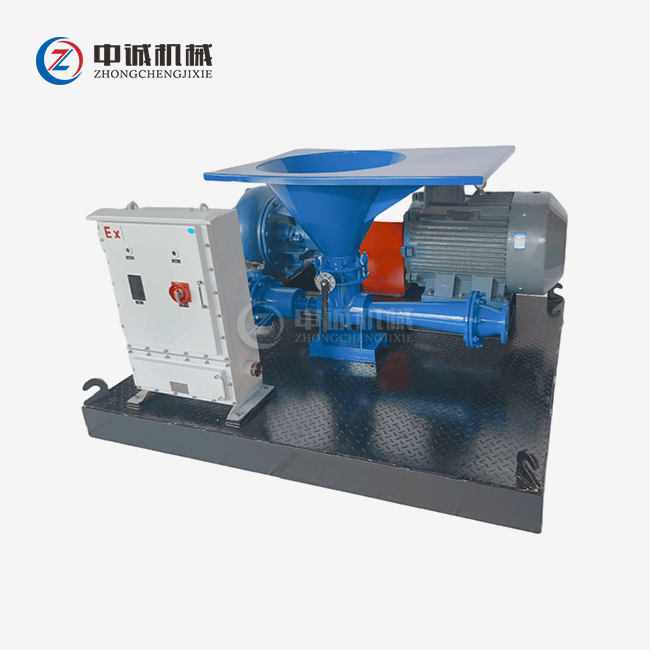
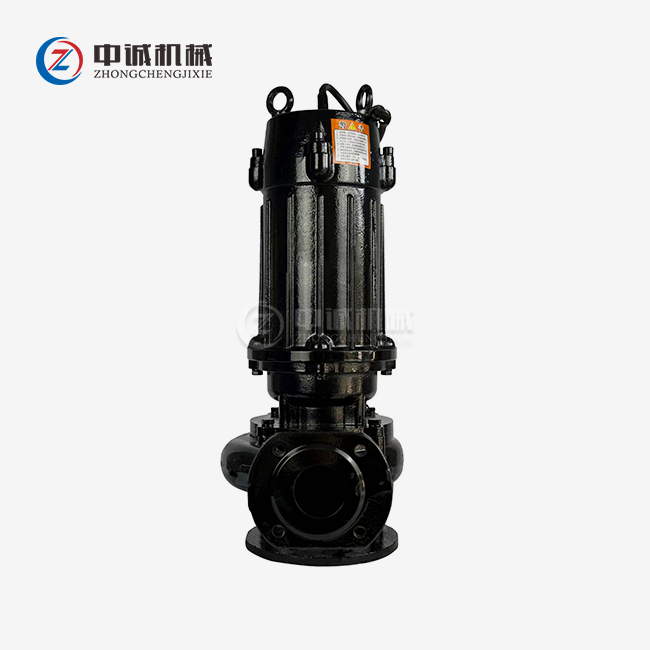
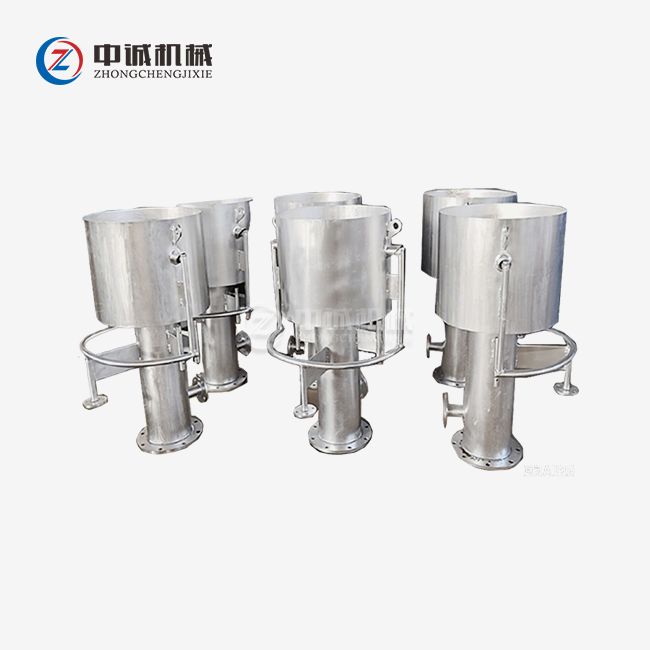
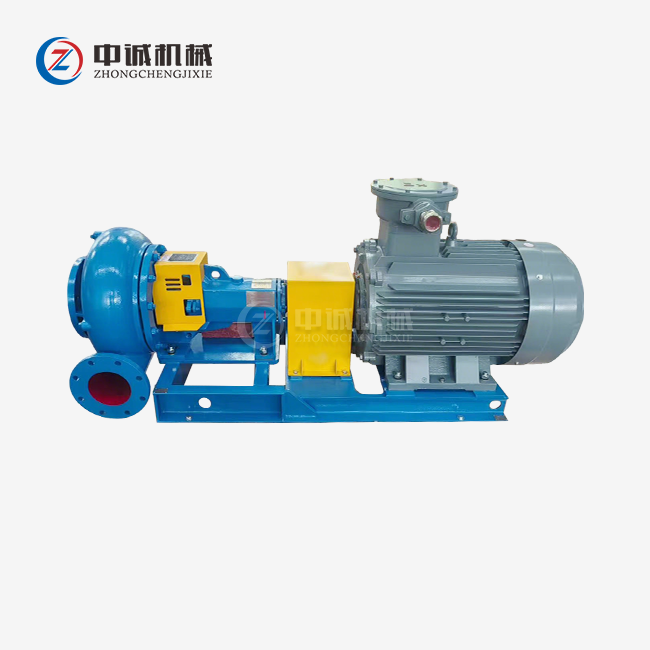
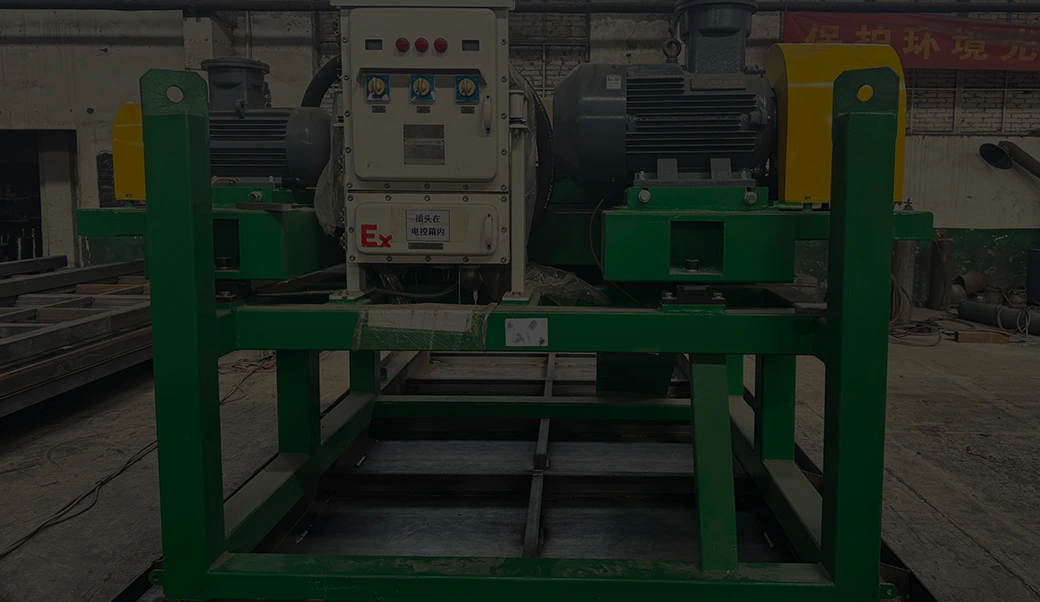
A mud gun is a high-pressure hydraulic agitation device integrated into drilling fluid circulation systems to maintain mud homogeneity inside mud tanks. By jetting fluid through a hardened nozzle at high velocity, it eliminates dead zones where heavy additives like barite would otherwise settle. In active solids control operations, this directly preserves mud density, rheology, and wellbore stability. Whether paired with shale shakers, desanders, or centrifuges, a properly sized mud gun keeps the entire fluid loop performing at specification, reducing costly fluid losses and unplanned downtime on both onshore and offshore drilling projects.

Understanding Mud Guns and Their Role in Drilling Fluid Systems
How Hydraulic Agitation Solves the Settling Problem
Weighting materials, plastics, and drill solids are all mixed together in drilling fluids. Heavy particles move to the corners of the tank faster than most operators think they will when circulation slows down or stops. A Mud gun solves this problem by shooting a focused stream of fluid at fast enough speeds to break up solids that have settled. The 360° swivel joint is a key mechanical feature that lets the user target specific quadrants without having to move hardware. This works especially well in the rectangular mud tanks that are popular on ZJ50 and ZJ70 rigs.
Integration with the Broader Solids Control Circuit
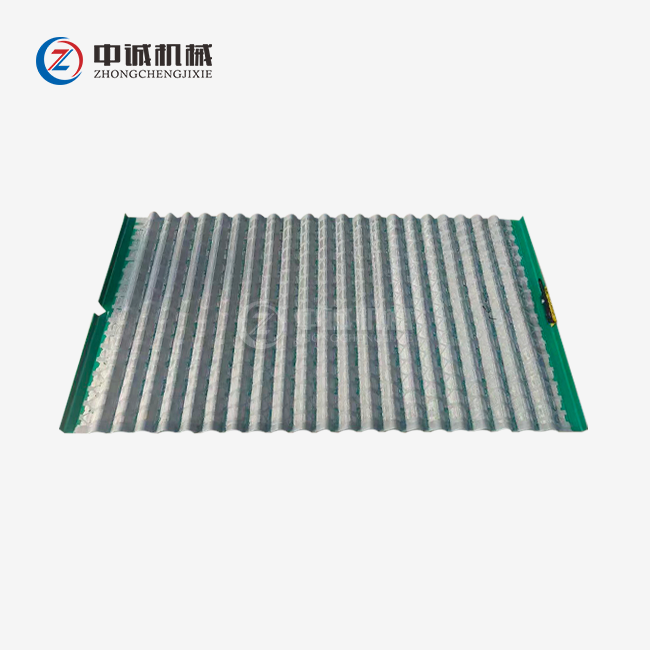
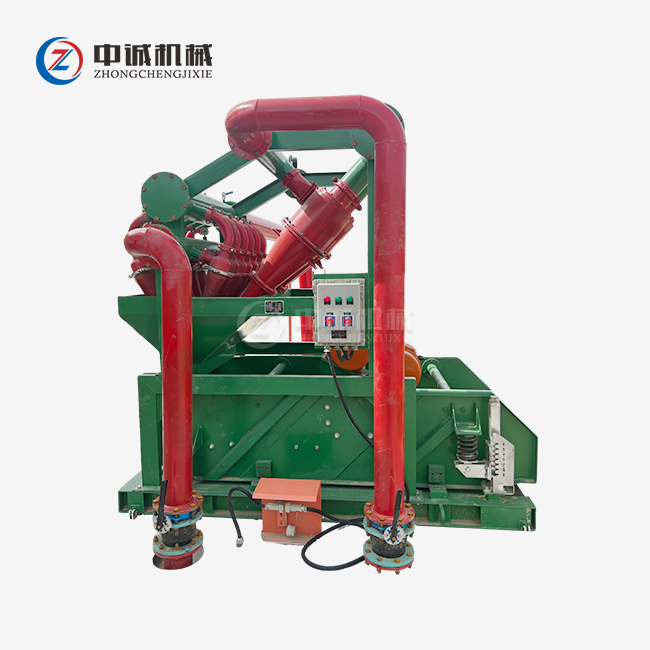
Mud guns don't work by themselves. Along with shale mixers, vacuum degassers, and mud cleaners, they keep the properties of the fluids in the right range between processing rounds. A Mud gun keeps the conditioned fluid uniform before it gets to the centrifuge or desander after a shale shaker screens out the big pieces of rock upstream. Because it works in a certain order, drilling engineers see hydraulic agitation as an important part of a full solids control system and not as a fix in and of itself.
Types and Design Features of Mud Guns
Fixed, Portable, and Submersible Variants
Each of the three main designs has a different operating purpose. Fixed units are permanently attached to the tank wall and keep large active pits moving all the time. Portable types give you options for using them with different tanks or in tight spaces. Submersible types work below the surface of the fluid, which cuts down on spray loss in places that are small or that need to protect the environment.
Choosing the right materials is an important part of the planning process. Here are the main types of construction that can be used for Mud gun bodies and nozzles:
- Carbon steel with abrasion-resistant lining — A carbon steel lining that doesn't wear down easily is cost-effective for normal water-based mud uses and works with most onshore ZJ30–ZJ70 rig setups where chloride exposure is minimal.
- Stainless steel (316L) — Stainless steel (316L) is often used in marine and sour gas settings because it doesn't break down as quickly as carbon steel does in salty or H₂S-containing formations.
- Tungsten carbide nozzle inserts — extend the service life of the nozzle by a lot in heavy muds that contain barite or calcium carbonate; can be replaced without having to change the whole body.
These mixtures of materials make it easy for procurement managers to match equipment specs to site chemistry, which has a direct effect on the total cost of ownership over the drilling life of a project.
Key Technical Parameters
From 0.1 MPa to 6.4 MPa, the pressure levels cover low-pressure circulation duty to high-pressure violent mixing. All designs that meet API Q1 must have nominal diameters of 2 or 3 inches. The swivel joint has to be able to handle full rated pressure while rotating freely. Before shipping, manufacturers test it hydrostatically at 1.5 times rated pressure to make sure it can do this.

Mud Gun vs. Alternative Drilling Fluid Mixing Equipment
A Mud gun can replace a mechanical agitator, but does a jet mud mixer make the mechanical agitator unnecessary? This is a question that procurement professionals frequently ask. The honest answer is that each device has its own role to play in managing fluids, and the best systems use more than one method.
Mechanical agitators mix the whole amount of the tank in a broad, continuous way. Jet mud mixers are great at adding powdered additions to the stream of mud at the hopper. Centrifugal pumps are good at moving a lot of fluid, but they don't make a specific jetting motion. In contrast, a Mud gun can get to corners and dead spots that rotating impellers can't. Field data from horizontal wells with a long reach regularly shows that tanks with only agitators create stratification at the ends, while tanks with extra hydraulic jetting keep the density constant within ±0.02 g/cm³ throughout the active volume.
A joint method is also more cost-effective. While a Mud gun uses the pressure from the mud pump's output and adds little to the cost of operation, a mechanical agitator requires more upfront investment and regular upkeep. The right balance depends on the shape of the tank, the weight of the mud, and the size of the pump. All of these factors should be looked at by an experienced technical expert when the system is being designed.
Operating, Maintenance, and Safety Guidelines for Mud Guns
Daily Operation and Nozzle Care
Before you start, make sure that the supply pressure matches the nozzle's rated inlet requirement. This can be found by looking at the pump's discharge capacity and the distance between the tank's farthest corners. Too little pressure slows down the pumping, and too much pressure speeds up tip wear. The standard in the industry says that the nozzle should be inspected every 500 hours of use and should be replaced when the flow rate increases while the pressure stays the same. This is a good sign that the hole is getting bigger due to wear.
Swivel Joint and Seal Maintenance
Most of the time, service problems in the field involve swivel joints that leak. Abrasive particles or chemical incompatibilities that break down the seal are almost always the cause. Viton seals work well in muds that are oil-based or very hot, while Nitrile seals work well in normal water-based systems. Leaks that happen during important drilling windows can be avoided by keeping a written seal replacement log that is linked to changes in the Mud gun's chemistry.
Safety Protocols
High-pressure fluid blasting puts people in great danger. Before working on the tip or turn, operators must make sure that there is no pressure. When working near live Mud gun lines, you must wear PPE like hard hats, face shields, and gloves that can handle chemicals. On rigs that have to follow HSE or OSHA rules, the feed valve must have a written lockout/tagout process.
Procurement Insights: Selecting and Buying Mud Guns for Global Drilling Projects
It takes more than just comparing catalog prices to find reliable Mud gun equipment for international projects. Manufacturer certificates (ISO 9001, API Q1), material tracking paperwork, hydrostatic test records, and NDT reports on the stability of the swivel weld should all be part of the evaluation. Suppliers with BV or TÜV approval add an extra level of quality guarantee that meets the needs of most foreign operators.
Delivery dates are very important. When working on rig-based projects, standard units that are in stock and can be shipped within three days can avoid expensive rig standby. Custom designs, such as changing the number of nozzles, lengthening the pipes, or making the joints explosion-proof, usually need 15 days to be made. Setting up a spares agreement at the time of purchase makes sure that nozzle kits and seal packs are available in the area and don't have to be sourced in an emergency.
When choosing a Mud gun supplier, it's helpful if they can provide engineering drawings, installation flowcharts, and bilingual operation manuals. This makes commissioning easier on projects that involve people from different countries. Before signing a supply agreement, it's important to make sure that the OEM can customize the mounting and pressure ratings to fit each rig.

Conclusion
When it comes to managing drilling fluid, Mud guns play a crucial and indispensable part. They are necessary on rigs from ZJ30 to ZJ90 and in a wide range of situations, from deepwater offshore to geothermal well building, because they can target dead zones, keep barite in suspension, and support constant solids control performance. A Mud gun provides dependable service with little upkeep if it is chosen with the right pressure rating, nozzle material, and seal specification. Drilling engineers can get the most uniform fluid qualities in the field by using a full solids control circuit, hydraulic agitation, and mechanical agitators together.
FAQ
What distinguishes high-pressure from low-pressure mud gun models?
High-pressure units can work at up to 1,000 PSI and can mix aggressively, even breaking up solids that have clumped together. Low-pressure models take care of regular circulation and less intense agitation. The right type is chosen based on the weight of the mud, the shape of the tank, and the pump's output.
How often should nozzles be inspected?
As a general rule, inspections should be done every 500 working hours. If the flow rate goes up while the source pressure stays the same, it means that the bore has gotten bigger due to wear and needs to be replaced.
Can hydraulic jetting replace a mechanical agitator entirely?
A rotating impeller can't cover as much ground as a Mud gun, which is great for cleaning up corners and dead spots. The best way to agitate a tank is to use both devices together.
What causes swivel joint leaks?
Most leaks happen because the seal breaks down because of chemical mismatch or abrasive particle escape. This failure mode is greatly reduced by matching the seal material (Viton for oil-based muds and Nitrile for water-based systems) to the chemistry of the mud being used.
How do I determine the correct nozzle size?
The size of the nozzle depends on how much water the mud pump can move and how fast the water needs to go to reach the farthest corner of the tank. During system planning, a drilling expert should figure this out.
Partner with Zhongcheng Machinery for Your Next Solids Control Project
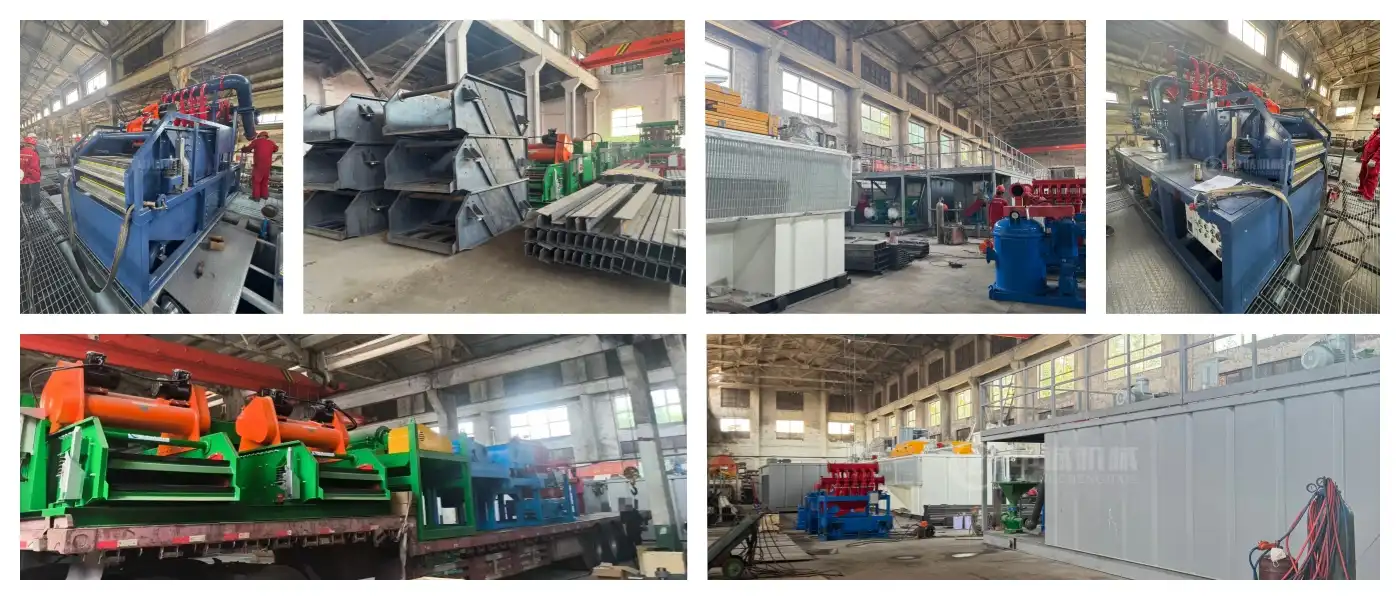
Mud gun tools and full Solids Control Systems are supplied to drilling firms and oilfield service companies all over the world by ZHONGCHENGJIXIE. We offer reasonable prices, 3-day in-stock shipping, and full technical paperwork as a straight Mud gun maker with ISO 9001 certification and over 30 patents. To get a quote for a custom configuration, email our team at oliver@zcgukong.com or go to zcsolidscontrol.com.
References
1. Bourgoyne, A. T., Millheim, K. K., Chenevert, M. E., & Young, F. S. — Applied Drilling Engineering, SPE Textbook Series, 1986.
2. American Petroleum Institute — API RP 13C: Drilling Fluids Processing Equipment, 2010.
3. Caenn, R., Darley, H. C. H., & Gray, G. R. — Composition and Properties of Drilling and Completion Fluids, Gulf Professional Publishing, 2011.
4. Skalle, P. — Drilling Fluid Engineering, Bookboon, 2010.
5. SPE International — Solids Control and Waste Management, SPE Workshop Proceedings, 2018.
6. Mitchell, R. F., & Miska, S. Z. — Fundamentals of Drilling Engineering, SPE Textbook Series Vol. 12, 2011.