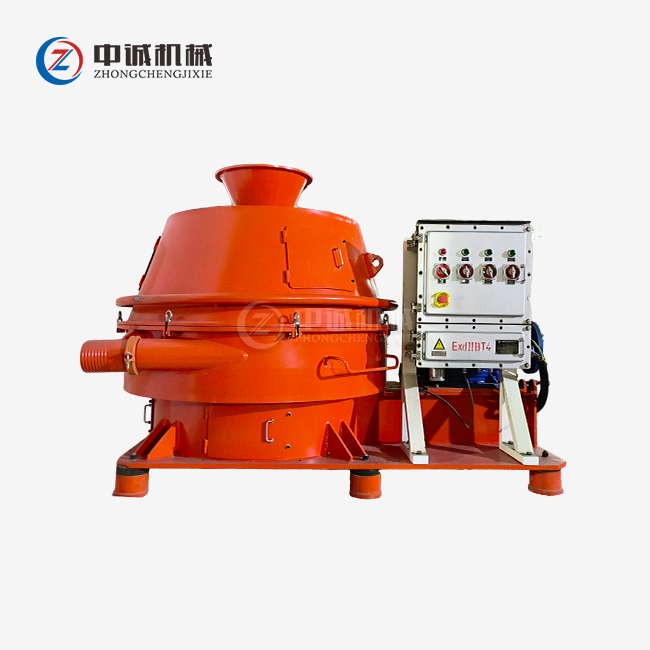
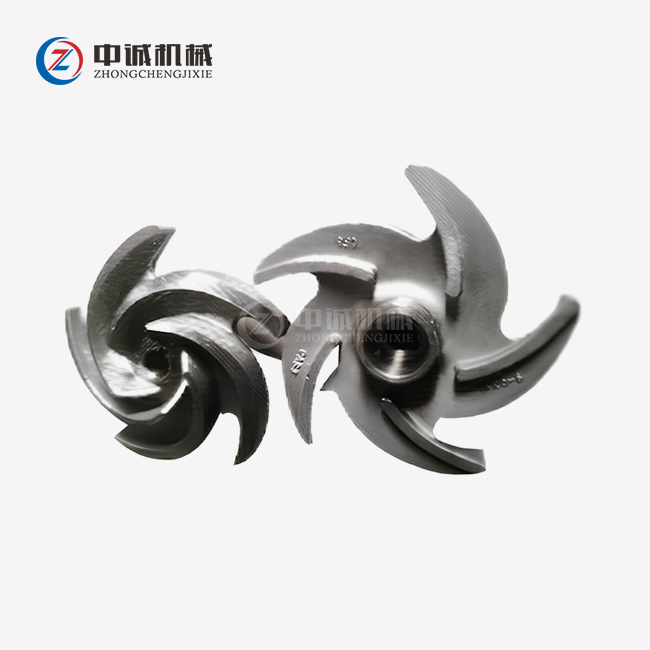
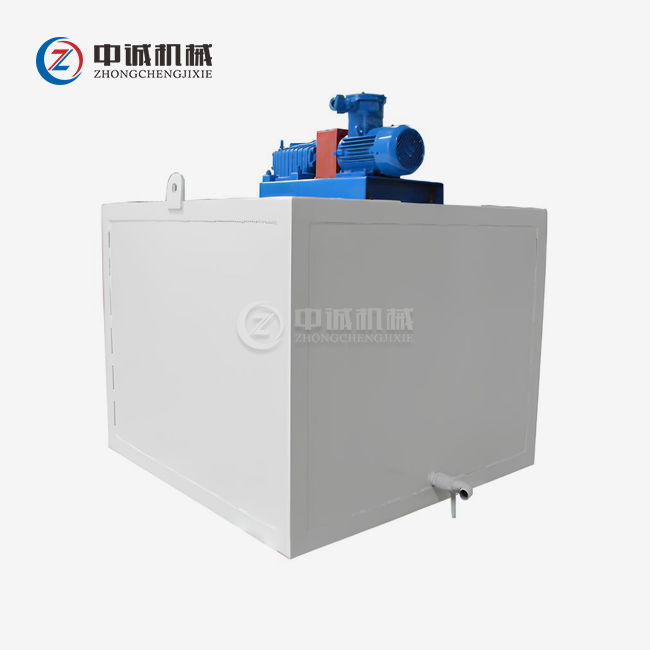
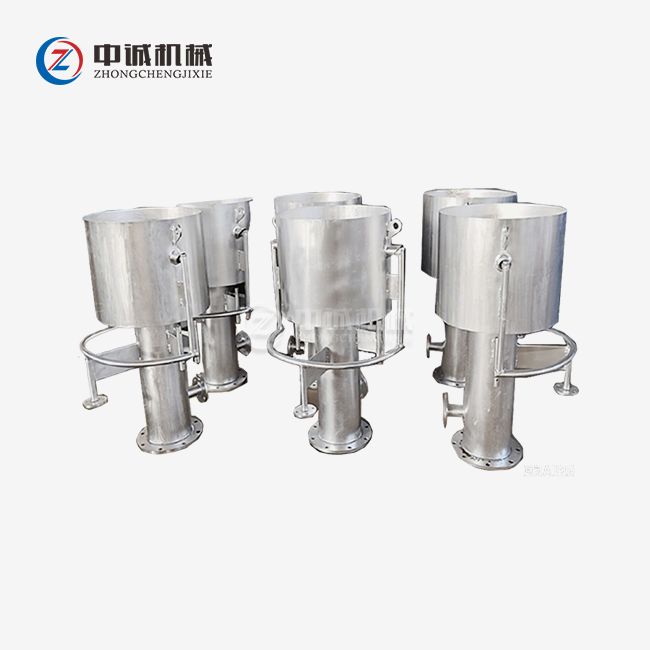
In modern drilling operations, maintaining clean drilling fluids is essential to achieving optimal performance and protecting downstream equipment from premature wear. Among the most critical components of any solids control system are the desander and desilter—hydrocyclone-based separators designed to target different particle size ranges. While desanders capture medium-sized particles typically between 45 and 74 microns, the desilter serves as the third-stage solids control device, removing finer particles ranging from 15 to 44 microns. Understanding these distinctions enables drilling contractors, oilfield service companies, and procurement managers to select the right equipment configuration, reduce drilling fluid costs, and maximize operational efficiency across onshore, offshore, and directional drilling projects.
Why Solids Control Matters in Drilling Operations
The drilling fluid cools the drill bit, moves cuttings to the top, keeps the walls of the wellbore stable, and keeps the hydraulic pressure steady. But as the drilling goes deeper, the mud picks up solids like large cuttings and very fine silt. These solids change the properties of the fluid, make it thicker, and speed up the wear on pumps, pipes, and downhole tools.
A multistage solids control system solves this problem by getting rid of particles of decreasing size one by one. Before centrifuges or chemical processes take over, Desilters remove the smallest solids, desanders handle medium-sized particles, and shale shakers collect the biggest cuttings. This step-by-step method keeps the drilling fluid's chemical makeup, cuts down on the need for expensive makeup fluids, and protects the environment by limiting the amount of waste. When operators buy high-performance hydrocyclone separators, they report a noticeable increase in the rate of entry, less torque and drag, and longer equipment life. These are all important factors in keeping overall drilling costs low.
Overview of Desanders and Desilters in Solids Separation
Centrifugal force produced inside hydrocyclone cones is used by both desanders and Desilters to remove solids from fluids. Drilling mud comes into the cyclone at a high speed from the side, making a spinning vortex. Heavy particles move away from the cone wall and out thru the underflow apex. Cleaner fluid, on the other hand, swirls upward thru the vortex finder and back to the active mud system.
The two devices work in similar ways, but their cone diameter, throughput capacity, and target particle range are very different. Desanders use cones with bigger diameters (10 or 12 inches) to handle higher flow rates and catch particles between 45 and 74 microns. Desilters, on the other hand, use smaller cones (4 or 5 inches) set up in batteries to handle objects that are 15 to 44 microns in size. This difference in sizes isn't just for fun; it's because of the limits of how well hydrocyclones can separate things and the need to find a balance between that and keeping mud in the system. Picking the right unit relies on the properties of the formation, the type of drilling fluid being used, and the balance that you want between solids removal and fluid saving.
Technical Comparison: Desanders vs Desilters
Cone Diameter and Particle Separation Range
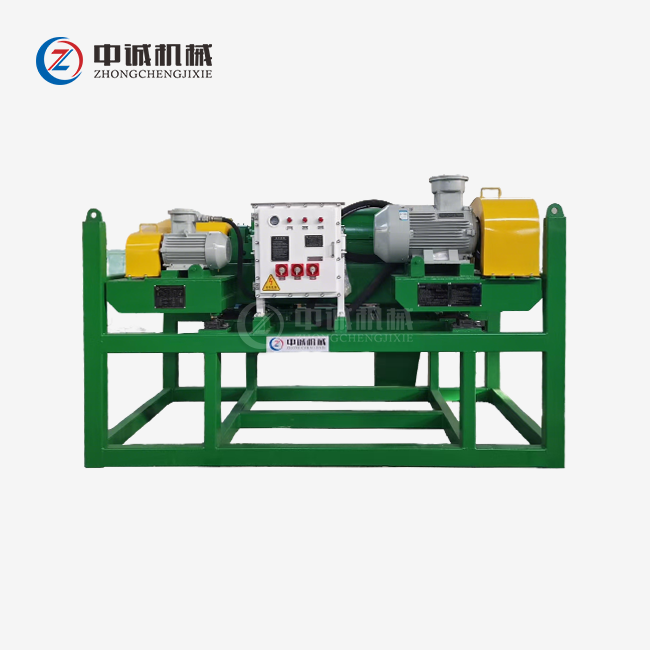
Desanders have bigger hydrocyclone cones that create less centrifugal force, which is good for sorting bigger pieces without too much shear. They can quickly process large amounts of drilling fluid because of how they are built, which makes them perfect for getting rid of solids after the shale shaking step. Desilters with cones that are smaller in diameter produce higher rotational forces that are required to catch extremely fine particles. The ZC series Desilter from Shaanxi Xixian New Area Zhongcheng Machinery Manufacturing Co., Ltd. can separate particles that are 15 to 44 microns in size and can process between 60 and 240 cubic meters of material per hour, depending on how it is set up.
Capacity and Flow Rate Considerations
How many hydrocyclones are needed and how much space they take up are directly related to the flow rate capacity. Desanders can handle 120 to 240 cubic meters per hour per cone, but because their cones are smaller, Desilters need more than one unit working at the same time to get the same throughput. Our ZC series Desilter comes in 8, 12, or 16 cyclone configurations, so the capacity can be changed to fit the size of the rig and the needs for mud flow. The right size makes sure that the equipment doesn't underperform or leak too much fluid, which can happen when procurement teams don't think about practical factors when choosing equipment.
Material Construction and Durability
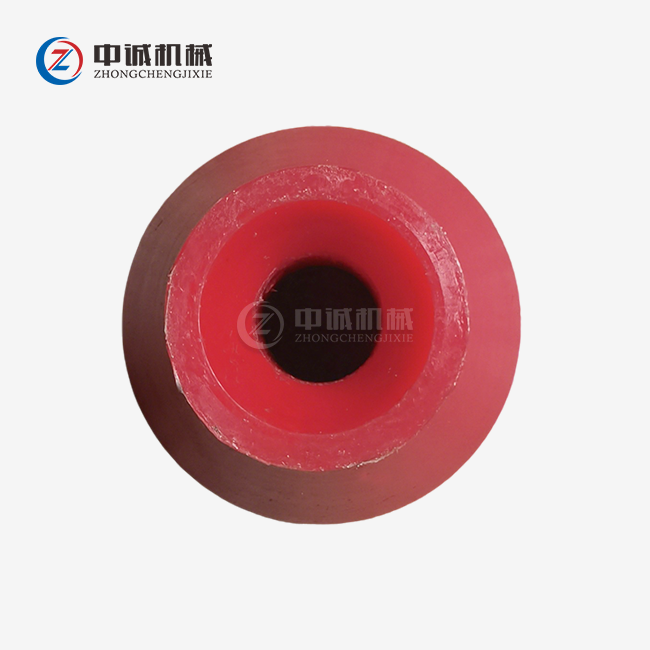
The rough conditions at drilling sites—which include abrasive solids, corrosive chemicals, high temperatures, and constant vibration—require that equipment be built to last. Premium Desilters use polyurethane hydrocyclones that are very hard to wear down and are much better at stopping erosion than standard cast iron or rubber ones. Our Desilter hydrocyclones use carefully made polyurethane that is very resistant to wear and tear. This makes them last longer and avoids having to be replaced as often, which costs a lot. Clamp connection designs make it easy to put things together and take them apart quickly, so there is less downtime during routine maintenance or emergency repairs. Total cost of ownership and operating reliability are two things that drilling engineers and procurement managers look at very carefully when they are choosing sources.
Maintenance Requirements and Operational Efficiency
Because of differences in particle load and wear trends, desanders and Desilters require very different amounts of maintenance. When desanders work with bigger solids, the wear is more predictable and focuses on the cone's top and inside. Desilters, which handle smaller particles, need to pay more attention to underflow and pressure patterns to find blockages early. Well-designed equipment works steadily and quietly. Our ZC series Desilters have small, well-balanced frames that work reliably in rough oilfield conditions with little sound and a low failure rate. Daily maintenance is easier when parts can be put together and taken apart without special tools. This cuts down on labor costs and makes sure that the system works well with other Solids Control Systems.
Choosing Between Desanders and Desilters for Your Drilling Operation
Application Scenarios and Formation Types
The decision to use desanders or Desilters, or whether to use both, is highly dependent on the features of the formation and the drilling goals. Desilters are essential for keeping mud properties and avoiding barite sag in weighted fluids in soft, clay-rich rocks that produce a lot of small cuttings. On the other hand, drilling hard rock that produces large pieces may prioritize desander capacity. The fine separation features of modern Desilter systems are especially useful for deep and ultra-deep well drilling, as well as activities that use water-based mud (WBM) and oil-based mud (OBM) recovery. Our ZC series Desilter is designed to handle these tough jobs, keeping fluids clean and lowering the cost of getting rid of waste in areas that care about the environment.
Evaluating Supplier Quality and Certifications
To find solids control equipment providers you can trust, you need to carefully look at their professional skills, quality standards, and customer service after the sale. Independent checks of quality and safety management systems in manufacturing can be done with ISO 9001, ISO 14001, ISO 45001, HSE compliance, and approvals from TÜV and BV. We have all of these qualifications and have been in the business for more than 30 years, and have always had strict quality control. Our full line of products and patents show that we are constantly investing in research and development. This makes sure that our clients get new, field-tested solutions instead of generic, off-the-shelf equipment.
Cost Considerations and Procurement Strategies
The cost of buying equipment is only one part of the total cost of ownership. Drilling workers also have to think about how much it costs to maintain the equipment, how easy it is to get replacement parts, how much energy it uses, and how delays in equipment can affect project plans. Our low prices reflect the fact that we are straight manufacturers, so there are no markups for distributors. We also keep our high-quality standards. Products that are in stock usually ship within three days, while customized configurations—made to fit a specific rig's size, motor preference, and capacity needs—are usually sent within fifteen days. Strategic relationships with transportation providers and closeness to the ports of Tianjin and Shanghai make global delivery quick and easy, lowering wait times and making just-in-time project execution possible.
Integration and Operation in Solids Control Systems
Multi-Stage System Architecture
For solids control to work well, operations must be organized across several separation steps. Before centrifuges or chemical processes are used on colloidal solutions, shale shakers get rid of the biggest particles, desanders get rid of the medium-sized solids, and Desilters get rid of the fine particles. Our ZC series Desilter works perfectly with this setup; it can take feed from the desander discharge or directly from the mud pit, depending on how the system is set up. The underflow from the Desilter is usually sent to a fine-mesh shaker to remove even more water. This lets the useful drilling fluid return to the active system while the dry solids are taken to trash handling. This combination cuts down on fluid loss, which is very important in rural areas where getting makeup water and chemical additives is hard to do and costs a lot.
Installation Best Practices and Commissioning Support
When installed correctly, it works best and lasts the longest. Our Desilter systems come with a lot of technical information, like engineering drawings, flowcharts, diagrams of the parts, and operation manuals. This information helps installation teams with things like mounting, connecting pipes, and hooking up electricity. We help with installation and testing and make sure that the feed pressure, cyclone alignment, and underflow output all meet the design requirements before handing over the machine. This proactive approach stops common startup problems like using the wrong pressure settings, which can cause the separation to not work well or too much fluid to be lost. Our professional service team has worked on projects all over the world, from shale plays in North America to offshore platforms in the Middle East. They have gained experience in a wide range of drilling environments and legal systems.
Troubleshooting Common Operational Issues
Even equipment that has been well taken care of sometimes has problems. Some common problems with Desilters are roping discharge patterns (which can mean an apex blockage or too many solids in the feed), lower separation efficiency (which is usually due to worn cyclone liners or the wrong operating pressure), and screen blinding on underflow shakers. To fix these issues, you need to carefully figure out what's wrong. You can do this by checking the feed pressure with gauges that have been installed, looking for wear inside the cyclones, and changing the sizes of the underflow apex to match the solids concentration. Our one-year warranty covers all manufacturing defects, and our helpful technical support team is there for clients to help with problems and make the most of their equipment throughout its lifetime. Having access to original spare parts, like replacement cyclones, screens, and wear parts, makes sure that there is little downtime and that the machine works consistently over long drilling campaigns.
Future Trends and Innovations in Solids Separation Equipment
Advanced Materials and Hydrocyclone Design
The solids control business is always changing because people want things to be more efficient, last longer, and leave less of an impact on the world. New developments in polyurethane formulations have made cyclone liners that are more resistant to wear and tear and stable at high temperatures. This means that they don't need to be replaced as often and cost less over their entire lifetime. Computational fluid dynamics (CFD) modeling now guides the shape of hydrocyclones, finding the best swirling patterns to separate fluids as efficiently as possible while reducing pressure drop. We are always putting money into researching new materials and improving our designs. This way, we can be sure that our ZC series Desilters use the newest technology and work better than older machines.
Automation and Remote Monitoring Capabilities
Drilling operations are changing because of digitalization. Modern rigs come with automated control systems and online tracking as standard. New solids control equipment has pressure monitors, flow meters, and condition tracking systems built in. These systems send real-time data to rig control rooms or remote operations centers. These features allow for planned repair, which cuts down on unplanned downtime and makes the best use of tools. Our current ZC series Desilters are built to be mechanically reliable and easy to maintain. However, we see where the industry is going and are now creating sensor-ready platforms that will help our clients with their digital oilfield projects without sacrificing the tough simplicity that drilling contractors value.
Regulatory Compliance and Environmental Sustainability
Environmental rules about how to get rid of drilling trash have become stricter around the world, especially in areas that are underwater or have sensitive ecosystems. High-performance Desilters lower the amount of trash by recovering as much drilling fluid as possible and reducing the amount of shavings that need to be treated and thrown away. Our ZC series equipment is made with high-quality anti-corrosion materials and high-strength metals that don't wear down easily. This keeps complex media from wearing away and lowers the chance of leaks or spills. These design features help clients meet environmental standards and make their businesses more environmentally friendly by giving them proof of their work and information about how well they're doing that meets the needs of regulatory reporting. Lifecycle cost analysis and environmental impact assessments will have a bigger impact on buying decisions in the future. Suppliers who show they are committed to responsible manufacturing and product stewardship will be favored.
Conclusion
Desilters and desanders work in drilling solids control systems in different but similar ways. Each is best for a certain range of particle sizes and set of conditions. Understanding the technical differences between them, such as cone diameter, separation range, capacity, and maintenance needs, helps drilling contractors, oilfield service companies, and procurement professionals choose equipment that improves drilling efficiency, lowers costs, and has less of an impact on the environment. As the industry moves toward automation, sustainability, and lowering costs over the lifecycle, it becomes more important to work with certified, experienced manufacturers. Because we have been in business for 30 years, have a wide range of products, and are dedicated to quality, we are a reliable source for demanding drilling environments all over the world.
FAQ
What is the primary functional difference between a desander and a desilter?
Desanders use bigger hydrocyclone cones to get rid of particles that are about 45 to 74 microns in size, while Desilters use smaller hydrocyclone cones to get rid of solids that are 15 to 44 microns in size. Where they go in the multi-stage solids control sequence is based on how different their sizes are.
Can a desilter be used effectively with weighted drilling mud?
Yes, but there are some things to think about. Barite particles between 15 and 44 microns will be removed by Desilters. Fine-mesh underflow screens are often used by operators to get back useful weighting material, combining the removal of solids with the economics of the fluid.
How often should desilter hydrocyclones be inspected or replaced?
How often you inspect depends on how hard the objects are and how the drilling is going. Polyurethane cyclones of good quality usually work for 1,000 to 2,000 hours. Visual checks for internal wear on a regular basis, especially near the apex and cone walls, help figure out when replacement is needed before performance loss affects drilling operations.
What operating pressure should be maintained for optimal desilter performance?
The best feed pressure is between 0.25 and 0.40 MPa, which is about 35 to 58 PSI. Keeping the right pressure in place makes sure that there is enough centrifugal force for separation to happen without too much shear, which could damage the properties of the drilling fluid or cause equipment to wear out faster than it should.
Partner with a Trusted Desilter Manufacturer for Superior Solids Control
Shaanxi Xixian New Area Zhongcheng Machinery Manufacturing Co., Ltd. offers material separation solutions that have been tried and tested. They have been making high-quality machines for over 30 years and have a lot of certifications, such as ISO 9001/14001/45001, HSE standards, TÜV, and BV approvals. Our ZC series Desilter has high-wear-resistant polyurethane hydrocyclones, quality anti-corrosion materials, and can be set up in a variety of ways to handle up to 240 cubic meters of water per hour. We have low prices, fast shipping (three days for stock items and fifteen days for custom systems), full expert support with engineering drawings, installation help, and a guarantee that lasts for a year. Our skilled team is ready to help you reach your solids control goals, whether you're a drilling contractor looking for reliable equipment for work in remote areas, an oilfield service company needing solutions for multiple projects, or an EPC contractor looking for certified suppliers with global logistics capabilities. Visit zcsolidscontrol.com or email oliver@zcgukong.com to talk about your project needs and find out why drilling professionals all over the world trust our Desilter systems for tough jobs.
References
1. American Petroleum Institute. "API Recommended Practice 13C: Drilling Fluid Processing Systems Evaluation." Washington, DC: API Publishing Services, 2018.
2. Bourgoyne, A.T., Millheim, K.K., Chenevert, M.E., and Young, F.S. "Applied Drilling Engineering." Society of Petroleum Engineers Textbook Series, Volume 2, Richardson, TX, 1991.
3. Devereux, S. "Drilling Technology in Nontechnical Language, 2nd Edition." Tulsa, OK: PennWell Corporation, 2012.
4. King, R.P. "Modeling and Simulation of Mineral Processing Systems, 2nd Edition." Society for Mining, Metallurgy & Exploration, Littleton, CO, 2012.
5. Mitchell, R.F. and Miska, S.Z. "Fundamentals of Drilling Engineering." Society of Petroleum Engineers Textbook Series, Volume 12, Richardson, TX, 2011.
6. Sharma, M.M. and Chenevert, M.E. "Solids Control and Waste Management." Chapter 8 in Petroleum Engineering Handbook, Volume II: Drilling Engineering, Society of Petroleum Engineers, Richardson, TX, 2006.