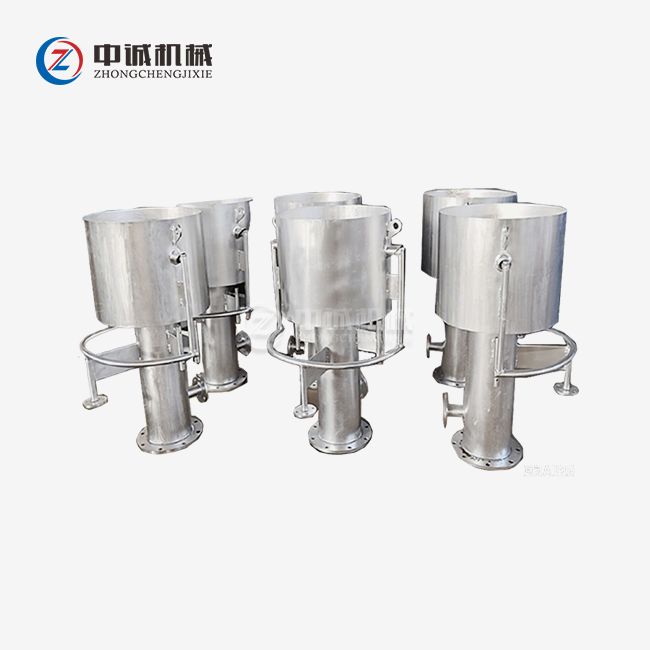
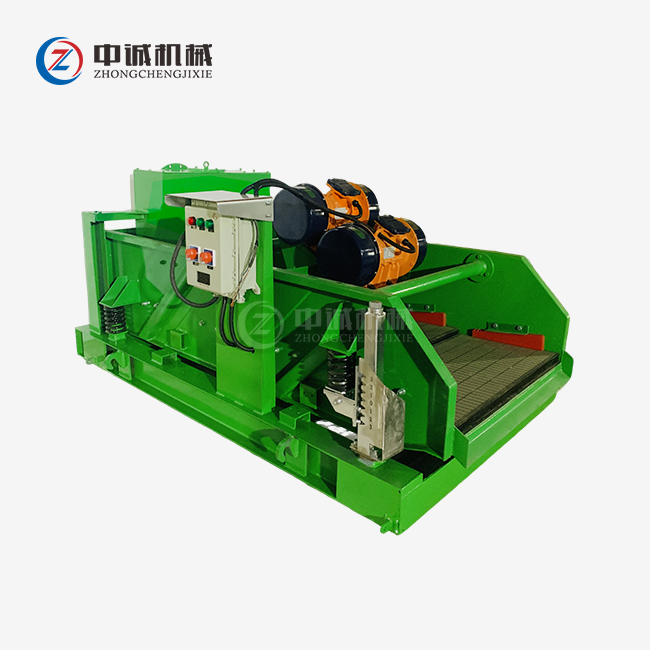
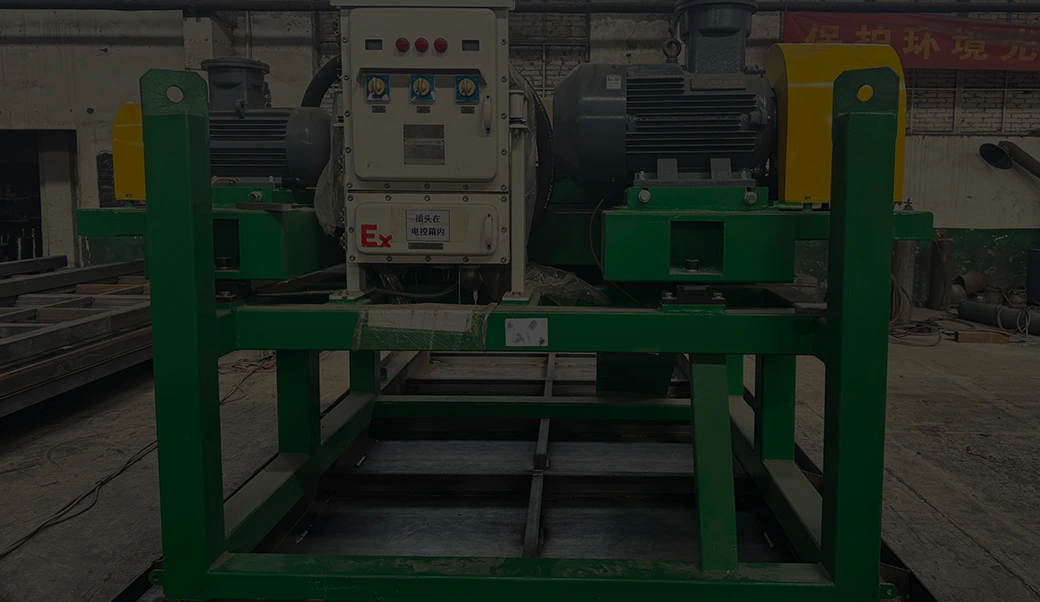
When evaluating the best Solids Control Systems entering 2026, desanders stand out as critical second-stage separation equipment delivering exceptional value across oil and gas, geothermal, and foundation engineering projects. These hydrocyclone-based systems efficiently remove particles between 44 and 74 microns, protecting downstream equipment while maintaining optimal drilling fluid properties. With advances in polyurethane materials, modular designs, and certification standards, modern desanders combine high separation efficiency with reduced total cost of ownership, making them indispensable for contractors prioritizing uptime, mud quality, and environmental compliance.
Understanding Desanders: Function, Types, and Importance
What Is a Desander and How Does It Work?
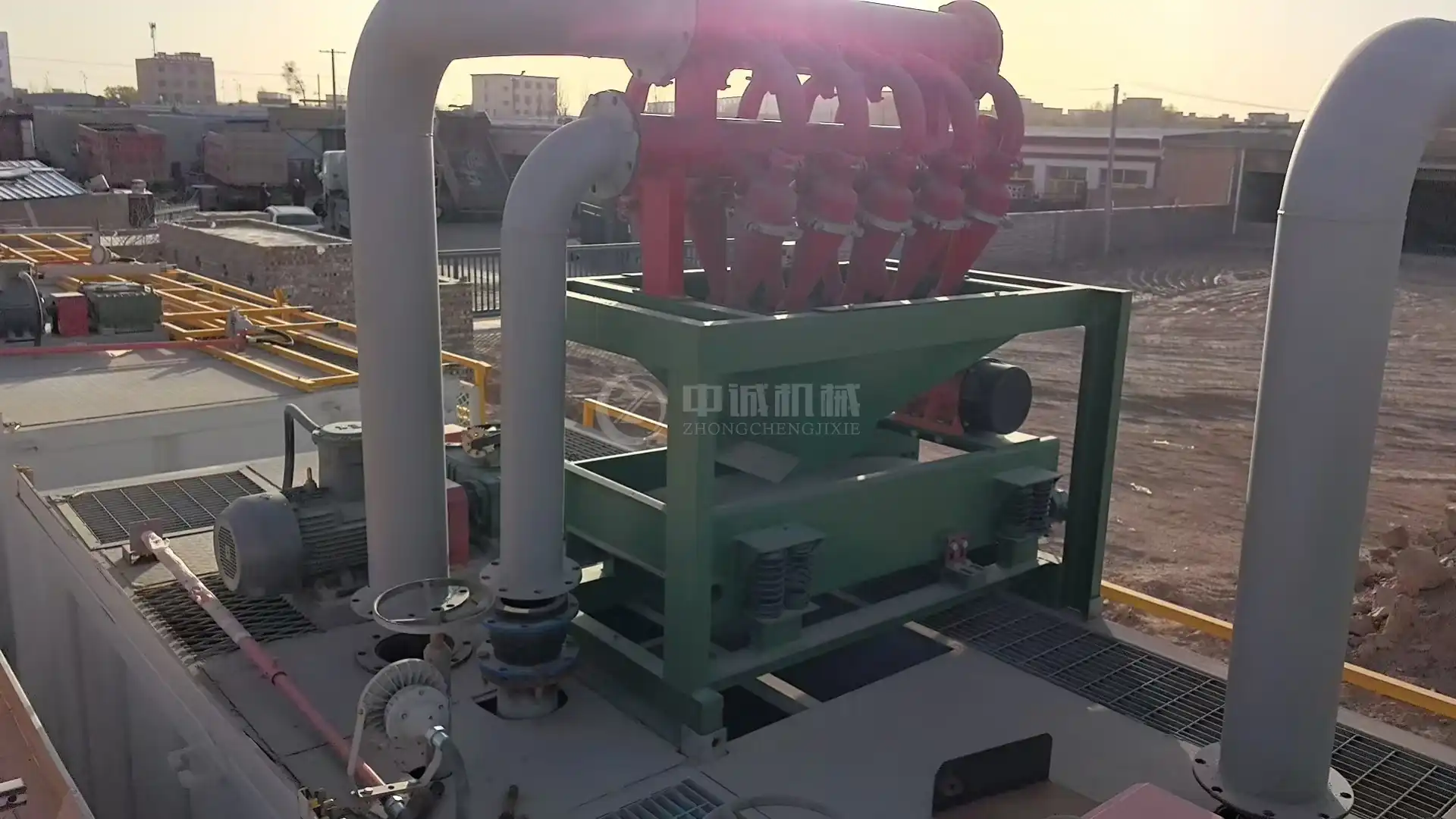
In mud cleaning devices, the Desander comes right after the shale shakers and is the second line of defense. These machines use centrifugal force inside hydrocyclone cones (which are usually 8 to 12 inches in diameter) to separate drilling fluids from sand and medium-sized solids. Under-pressured mud comes in from the side, making a swirl that pushes heavy particles outward and downward through the underflow. Clear fluid then leaves through the overflow. This process saves high-pressure pumps, keeps nozzles from getting clogged, and keeps mud weight stable, all of which have a direct effect on the rate of entry and the life of the equipment.
Core Components Driving Separation Performance
Every effective system has three important parts that work together. Under constant pressure, the separation work is done by hydrocyclone cones made of polyurethane or ceramic-lined materials that don't wear down easily. It is best for vortices to stay between 25 and 40 PSI, which is what centrifugal feed pumps do. Control manifolds and distribution screens let workers change flow rates and see how the system is working in real time. This makes sure that the system can adapt to different drilling conditions without losing its effectiveness.
Desanders Versus Desilters and Shale Shakers
Shale shakers get rid of large pieces larger than 100 microns, but Desanders go after pieces 45 to 74 microns, which get past the first screening step. Desilters, which have smaller cones that are 4 inches across, can handle particles that are as small as 15 microns. This step-by-step method increases fluid return while lowering the cost of dilution. Knowing these differences in function helps procurement teams create full solids control packages that solve specific geological problems, like how to drill through rough sandstone formations or handle return flows that are heavy with clay.
Why Desanders Matter for Operational Success
Getting rid of solids effectively has measurable operational and financial benefits. Lowering the amount of gritty particles in the fluid makes pump parts last up to 40% longer, which saves a lot on repair costs. Cleaner drilling fluids make hydraulics work better, which speeds up entry rates and cuts down on project timelines. It's easier to follow environmental rules when fluids are properly treated because they lower the amount of waste that needs to be dumped and help closed-loop systems work. Contractors who are in charge of more than one rig should invest in proven separate technology to protect their image and their bottom line.
2026 Best Desander Features: What Sets Top Equipment Apart
Advanced Materials and Wear Resistance
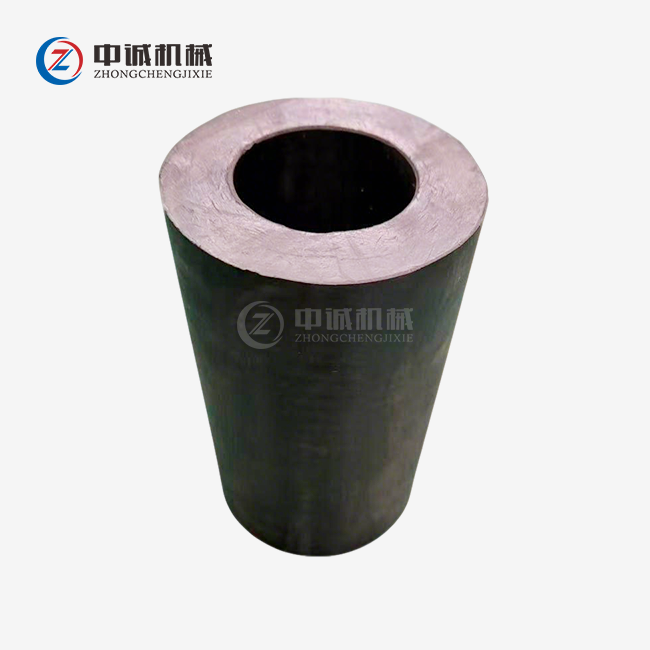
Top makers now use high-quality polyurethane mixtures that were made to work in oilfield circumstances. These materials are much better at resisting impact, wear, and chemical exposure than regular liners. This means that the cone will last for thousands of hours of use. The ZC series, which is made by companies that care about quality, has clamp-style fittings that make replacement quick and easy without the need for special tools. This cuts down on downtime during maintenance times. This way of thinking about design comes from a deep understanding of how things work in the field, where every hour counts.
Optimized Cyclone Geometry and Flow Dynamics
Modern hydrocyclone profiles use research in computational fluid dynamics to make the vortex more stable and the separation between particles clearer. This makes cut points more stable, which is the particle size at which half of the solids are cleared, even when the features of the mud change. Systems that deliver 60 to 240 cubic meters per hour keep stable underflow discharge patterns, which means that solids and liquids are separated well without too much fluid loss. Operators gain from reliable performance, which makes process control easier and cuts down on the use of chemical additives.
Integration with Automated Monitoring Systems
Sensors that track inlet pressure, flow rates, and underflow features make digital change possible for solids control. These data lines make it possible for predictive repair alerts to be sent out, which find problems like apex wear or blockages before they break. Integrated control panels let adjustments be made from a distance, so people don't have to work close to rotating equipment. For international projects, connectivity features allow for centralized monitoring of multiple drilling sites. This gives engineering teams information that drives efforts to keep getting better.
Installation Flexibility and Site Adaptability
When drilling in places where the rig moves around a lot, portability is important. Standard trailer trucks can easily move modular skid-mounted designs, and they can be set up in hours instead of days. Small sizes work for ocean platforms that don't have a lot of room and urban drilling sites. Integration is smooth no matter what kind of equipment is in place because it works with different power systems, like electric, gas, and hydraulic ones. These practical factors lower the costs of mobilization and make the tools more useful for a wider range of projects.
Compliance with International Standards
Credibility of certification affects choices about who to buy from, especially for contractors who work for international companies. Having ISO 9001, ISO 14001, or ISO 45001 approval on equipment shows that you care about quality control, protecting the environment, and keeping workers safe. TÜV and BV inspectors' third-party validation gives designers independent proof that their designs meet strict performance and safety standards. HSE compliance documentation speeds up the approval process for projects and meets the stricter rules that are being put in place by regulators around the world.
How to Choose the Right Desander for Your Drilling Project
Matching Capacity to Mud System Requirements
First, figure out the highest rates of mud movement and the highest solids loads that will happen during the digging. When systems are too small, they cause bottlenecks that force operators to lower entry rates or skip treatment steps, which takes away the benefits of solids control. Oversized units lose money and take up deck room that isn't needed. Looking at old data from wells that are similar to the current one in the same formation gives you a good idea of how to talk to suppliers about sizes. This way, you can be sure that the chosen capacity can handle normal conditions while also being able to handle rare spikes.
Assessing Cyclone Configuration and Separation Efficiency
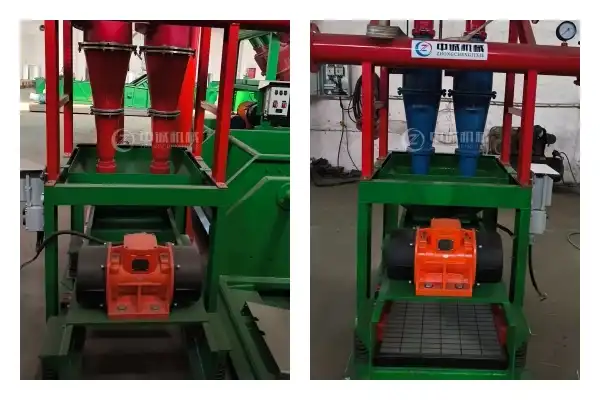
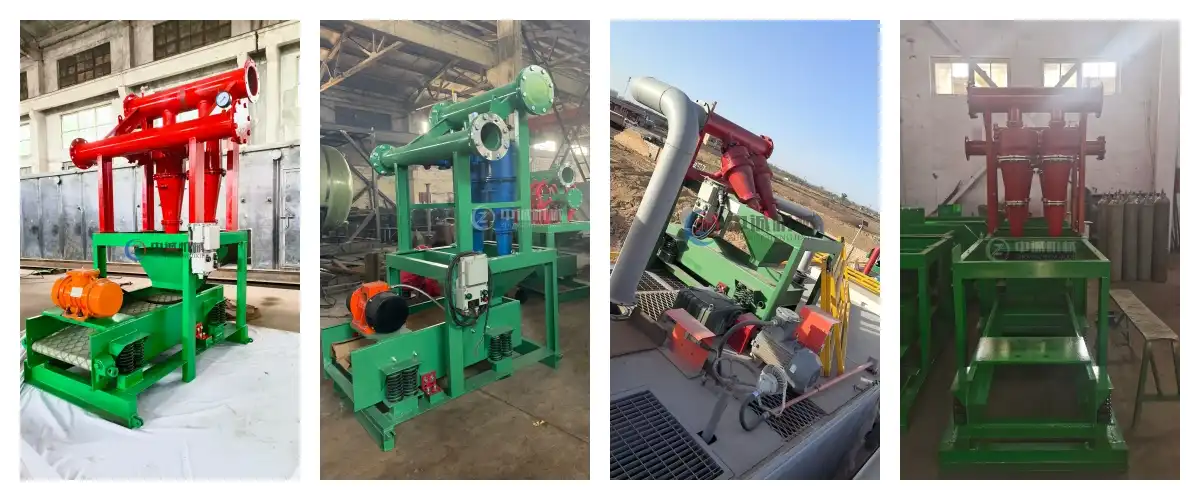
The treatment throughput and particle removal effectiveness of a Desander are directly related to the number, size, and arrangement of hydrocyclones. Having more cones in a Desander provides greater flexibility and allows the system to continue operating while individual cones are being serviced or repaired. The cone diameter affects the range of particles that need to be removed. Ten-inch hydrocyclones in a Desander are effective at removing sand, while twelve-inch units can handle higher flow rates with slightly coarser cut points. When evaluating a Desander, procurement teams can review manufacturer performance data, including separation curves and underflow solids content, to verify performance claims and estimate how the equipment will perform under the specific conditions of each site. A properly configured Desander can provide stable solids-control performance while allowing operators to balance throughput, separation efficiency, and maintenance requirements.
Supplier Credibility and Post-Purchase Support
The quality of the manufacturing process and the infrastructure that supports it both play a role in how reliable the equipment is. Check the track record of the supplier by asking for references from projects that are similar to yours and looking at the rate of completion. Certifications from well-known groups show that quality control is done in a planned way. Manufacturers back up their products with warranties that cover both parts and labor for at least one year. This shows that they are seriously committed to their products. When trying to figure out what's wrong, having access to technical support, such as engineers with a lot of experience who know how to drill, is very helpful.
Installation, Commissioning, and Training Considerations
The procurement method includes more than just getting the tools. Suppliers who offer installation help, commissioning services, and operator training cut down on problems during startup and speed up the time it takes to start making money. Long-term asset management is helped by detailed records like drawings, lists of parts, upkeep plans, and safety rules. Crews are trained in operation, maintenance, and fixing so they can get the most out of their tools and handle common problems in the best way possible, protecting the investment through good management.
Future Trends and Innovations in Desander Technology (2026 and Beyond)
IoT Integration and Predictive Analytics
Connecting things to the internet changes solids control from fixing problems after they happen to optimizing them before they happen. Continuously, sensor networks record operating parameters that are fed into machine learning algorithms that look for patterns that happen before equipment breaks down. Random time intervals are replaced by predictive maintenance plans, which cut down on servicing that isn't needed and stop problems that were not predicted. Cloud-based platforms collect data from multiple companies and allow for comparison analysis that shows which methods work best and which assets aren't doing their job and need to be fixed. This extends the life of equipment and increases the return on investment.
Advanced Materials Extending Service Life
Breakthroughs in materials science make lining and structural parts that last a very long time. Nano-ceramic layers protect against wear and tear while still being able to withstand impacts. Composite materials are lighter without losing their strength, which makes them easier to move and handle. These new ideas cut down on the number of replacements and downtime, which directly improves business consistency. As the cost of making advanced materials goes down due to economies of scale and better processes, more and more equipment lines start to use them. This raises the bar for performance across the whole industry.
Environmental Regulations Driving Design Evolution
Tougher limits on discharge and zero-waste rules change the objectives of technology. In response, manufacturers improve the efficiency of separation to get the most fluid back and reduce the need for dilution. Closed-loop compatibility is no longer an option; it's now required. This makes it possible for containment systems to work without using pits. Better hydraulic systems and variable-speed drives save energy and lower carbon emissions, which makes drilling operations more in line with companies' environmental goals. Today's equipment is made to work with tomorrow's regulations, which keeps buyers from having to buy old equipment too soon.
Modular Architectures Supporting Scalability
Modularity is a feature of modern designs that lets managers increase treatment capacity by adding units instead of changing whole systems. Standardized connections make it easier to integrate products from different manufacturers. This lowers seller lock-in and makes prices more competitive. This method works well for workers who have a lot of different projects to work on and whose tools need to be moved from one project to another. Modules also make phased investment plans easier, so businesses don't have to commit huge amounts of money all at once. Instead, they can time the deployment of capital with the awarding of projects and the realization of income.
Conclusion
To choose the best solids control equipment for drilling jobs in 2026, you need to carefully consider how well it separates materials, how long it will last, how customizable it is, and how well the seller can support you. In oil and gas, geothermal, and foundation engineering uses, modern Desanders that consistently remove particles between 44 and 74 microns protect downstream equipment, keep mud quality high, and lower running costs. Improvements in materials, digital integration, and flexible design make things more reliable and help them meet environmental standards. When procurement teams prioritize tools with strict approvals, full warranties, and quick technical support, their businesses are set up for long-term success in markets that are becoming more competitive.
FAQ
What feed pressure delivers optimal separation?
For best results, aim for 30 to 40 PSI at the cyclone's entrance. Low pressure causes underflow that looks like rope, which means there isn't enough separation, and too much pressure speeds up the wear on polyurethane liners. Watching the patterns of discharge helps workers keep the pressure in a range that matches efficiency with component life across a range of mud properties.
How do I recognize when hydrocyclone cones need replacement?
Keep an eye out for changes in the way the underflow discharge looks, from spray or fan shapes to rope or sausage shapes. When you look inside and see grooves that are deeper than 2 millimeters, you know that there is too much wear. Visual checks and performance tracking done on a regular basis can spot deterioration before it hurts the treatment or does more damage.
Can desanders handle oil-based drilling fluids?
Yes, as long as the polyurethane mixture doesn't react with oil-based goods. In oil-based mud settings, normal materials may get bigger or break down. During procurement, make sure that oil-resistant grades are chosen to ensure compatibility. Manufacturers who are familiar with a variety of fluid systems can help you choose materials that will work best with a certain type of mud and at a certain temperature.
What distinguishes desanders from desilters functionally?
Different types of tools are set apart by the cone diameter and the goal particle size. Desanders use 8- to 12-inch cones to get rid of particles bigger than 45 microns, while desilters use 4-inch cones to get rid of masses 15 to 45 microns in size. Sequential release sets up a staged treatment process that picks up increasingly smaller particles without losing too much fluid.
Partner with Shaanxi Xixian New Area Zhongcheng Machinery Manufacturing Co., Ltd. for Proven Desander Solutions
Shaanxi Xixian New Area Zhongcheng Machinery Manufacturing Co., Ltd. is a direct manufacturer with over 30 years of experience in the Desander business and its own patented designs that make it a good choice for procurement managers looking for a trusted Desander provider. Our ZC series systems can handle up to 240 cubic meters of material per hour and can separate particles as small as 44 microns. They are certified by ISO 9001, 14001, 45001, TÜV, and BV. We offer flexible customization, shipping of in-stock units within three days, and full support, including help with installation and warranties that last for a year. Get a reasonable price today by emailing oliver@zcgukong.com or visiting zcsolidscontrol.com to talk about the needs of your project.
References
1. Smith, J.R., "Advanced Hydrocyclone Design for Drilling Fluid Treatment," Journal of Petroleum Technology, 2024.
2. Chen, L., "Materials Science Innovations in Oilfield Solids Control Equipment," International Conference on Drilling Engineering Proceedings, 2025.
3. Anderson, M., "Economic Analysis of Solids Control System Performance in Onshore Drilling," SPE Economics and Management Journal, 2024.
4. Williams, T., "Environmental Regulations and Drilling Waste Management: 2025 Global Overview," Energy Policy Review, 2025.
5. Rodriguez, C., "Predictive Maintenance Applications in Oilfield Equipment Using IoT Technologies," Automation in Petroleum Engineering, 2024.
6. Zhang, W., "Comparative Performance Study of Desanders in High-Solids Drilling Environments," Drilling Contractor Magazine, 2025.