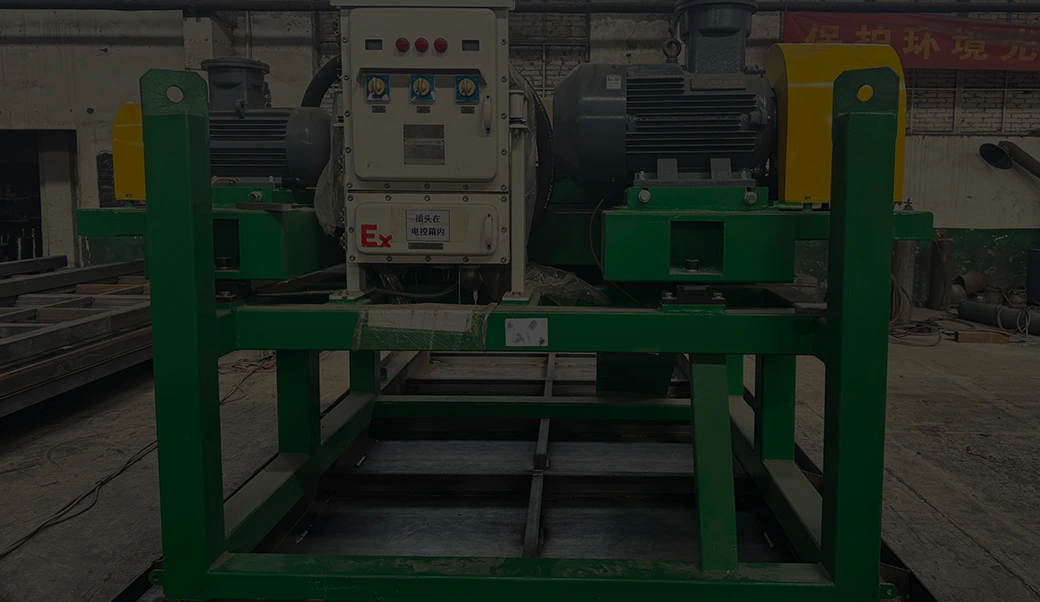
Absolutely—decanter centrifuges can dramatically reduce sludge disposal costs in oilfields by cutting waste volume by 50-70%, recovering valuable drilling fluids, and minimizing transportation and landfill expenses. By separating solids from liquids with exceptional efficiency through high-speed centrifugal force, these machines transform wet, heavy sludge into drier, more manageable solids. This not only lowers hauling and disposal fees but also enables recycling of liquids back into operations, offering measurable savings and improved environmental compliance for drilling contractors and oilfield service companies.
Introduction
Managing the removal of sludge is a problem that oilfield workers all over the world face every day. Trucking fees, landfill fees, and strict environmental rules can quickly eat away at a business's profits when it comes to handling trash. Efficient sludge treatment isn't just about following the rules; it's also a way to cut costs and improve operations. Many drilling projects have shown that centrifugal separation technology is a useful way to deal with these kinds of forces. This piece looks at how these strong machines support buying and engineering teams in making smart equipment choices for harsh oilfield conditions while also lowering costs.
Understanding Decanter Centrifuges and Their Role in Oilfield Sludge Management
How Centrifugal Separation Works in Oilfield Conditions
Decanter Centrifuges use strong centrifugal force—often more than 3,000 Gs—to speed up the natural separation of the solids in suspension from the carrier liquid. In a horizontal bowl that spins, heavier particles move toward the bowl wall, while clear liquid stays in the middle. An internal screw conveyor moves the solids that have settled toward the output end all the time, so work can go on without stopping. This constant, automated process is very helpful for dealing with the complicated waste streams that come up during drilling, such as drilling mud, produced water solids, and contaminated slurries.
Comparing Separation Technologies
Centrifugal decanters have a higher throughput and reliably dry solids output than gravity-based settling tanks or standard filter presses. Compared to disk-stack centrifuges, decanter designs can handle higher solids concentrations without getting clogged. This makes them perfect for rough oilfield uses. Their strong design can handle the vibrations, temperature changes, and harsh chemical environments that are common on drilling sites, so they work reliably when other equipment might break.
Real-World Applications Across Drilling Operations
These machines are used by operators in a number of situations, such as recovering barite from weighted mud systems to lower the cost of drilling fluid, dewatering cuttings at the wellhead to reduce the amount of waste that needs to be disposed of, and treating produced water solids so that they can be safely released or reinjected. They are used by many offshore platforms to handle waste because they don't take up much deck space, and onshore contractors use them to meet stricter environmental rules without delaying drilling schedules.
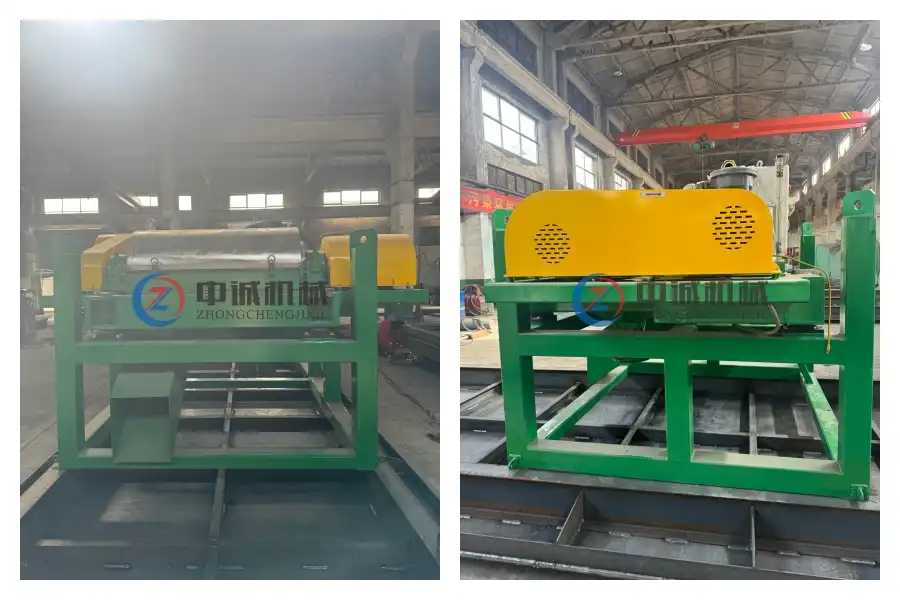
How Decanter Centrifuges Help Reduce Sludge Disposal Costs in Oilfields
Volume and Weight Reduction Equals Direct Savings
The biggest cash gain right away comes from a huge drop in the amount of sludge. Centrifuges turn heavy, wet trash into a packed, partially solid cake by removing 60–80% of the water content. This decrease directly leads to fewer truckloads, lower shipping costs, and lower fees for using landfills. Volume reduction can cut in half the number of hauling trips needed for a typical drilling project that makes 200 cubic meters of sludge every month. This saves money that builds up over the project's life.
Liquid Recovery and Reuse
Effective separation does more than just remove solids; it also returns useful drilling fluid that would have been thrown away otherwise. When the liquid is clarified, it can be added back to the mud system. This means that new makeup fluid and expensive additives are not needed as often. This closed-loop method not only lowers the cost of materials, but it also solves the problem of not having enough water in dry drilling areas, which is good for both the economy and the environment.
Optimizing Operational Parameters for Maximum Efficiency
Cost-effectiveness depends a lot on how well the tuning is done. The type of sludge being handled must determine the feed rate, bowl speed, and difference in speed between the bowl and conveyor. Variable frequency drive (VFD) systems let operators change these settings right away based on how the mud is changing, which makes sure that the separation is perfect during all phases of the drilling process. Intelligent speed control cuts down on energy use while keeping performance high. This has a direct effect on the bottom line by lowering power costs and making tools last longer.
Our ZC line Decanter Centrifuges are the best at this because they come with VFDs. Bowl speeds can be fine-tuned above 3,000 rpm to capture ultra-fine particles (2–5 micrometers), which are needed to keep low-density drilling fluids or clean deep mud. As a result, the equipment works at its best whether it's used for simple drilling sections or complicated deepwater operations.
Maintenance Strategies That Protect Your Investment
Costly downtime and repair bills can be avoided with proactive maintenance. Regular vibration analysis finds worn bearings early, and using high-temperature synthetic grease to lubricate parts regularly makes them last longer. The bowl and hopper are made of stainless steel, and high-wear areas are strengthened with tungsten carbide. This makes them very durable, even when working with very rough materials. This strong engineering means that major overhauls can be put off longer, which lowers the lifetime running costs and increases uptime during important digging stages.
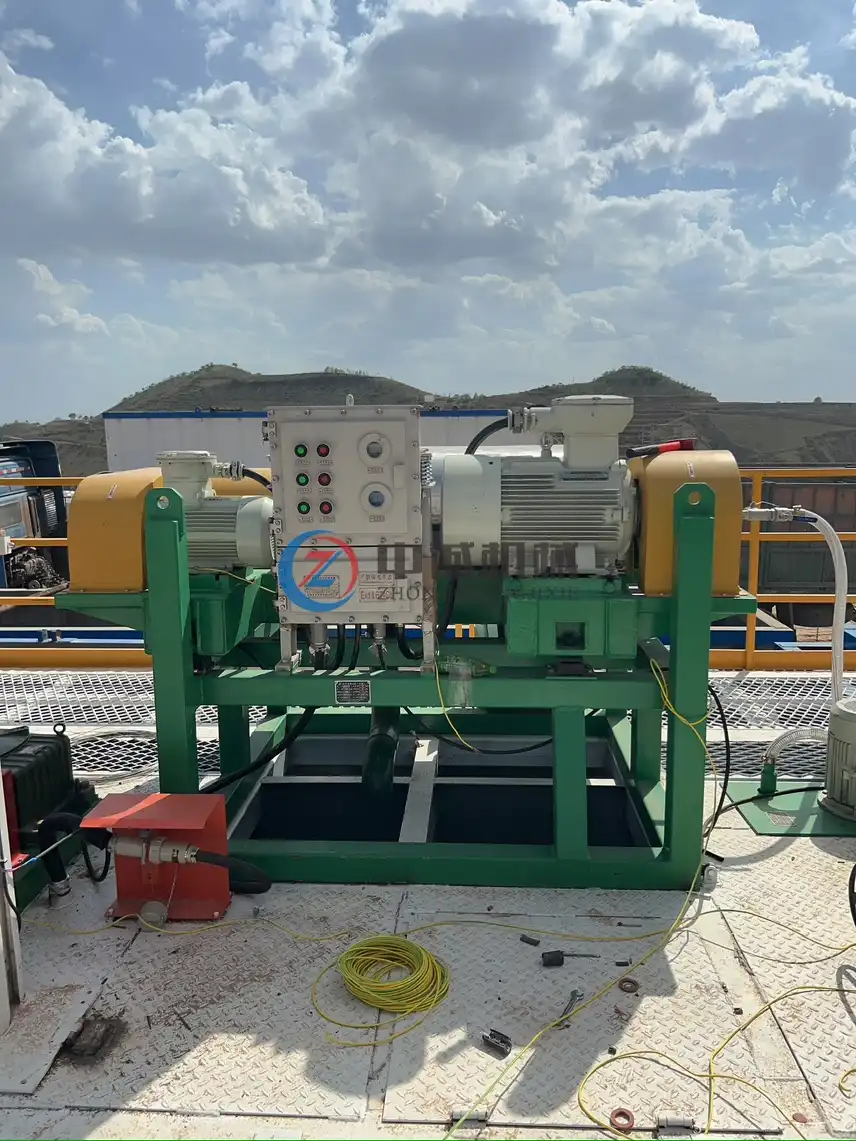
Selecting the Right Decanter Centrifuge for Oilfield Applications
Assessing Your Process Requirements
To pick the right equipment, you must first understand the properties of your sludge. The concentration of solids, the distribution of particle sizes, the viscosity, and the chemical make-up all affect machine choice. To avoid bottlenecks during high-volume periods, capacity needs must take peak flow rates into account, not just normal conditions. The processing capacity is based on the bowl's diameter and effective length. Larger dimensions allow for higher throughput.
Middle-Speed Versus High-Speed Models
Middle-speed units are a cheap way to get rid of larger harmful solids or recover barite in weighted mud systems. Their simpler design makes upkeep easier, which makes them appealing for places that don't have a lot of technical help. High-speed versions that go faster than 3,000 rpm pick up smaller particles that are needed for Drilling Waste Management Systems and deep cleaning tasks. This important choice is based on your sorting goals, such as getting the clearest liquid or the driest solids possible.
Customization for Operational Compatibility
There are never the same conditions for two digging activities. Bowl inside diameter choices like 356mm or 450mm, along with useful lengths ranging from 1,000mm to 1,257mm, give you the freedom to fit your rig's footprint and volume needs. Leading domestic or international brands can be used in motor configurations, depending on the voltage and service availability in the area. Customized mounting setups make it easy to connect to existing solid control systems, like a ZJ90 rig or a small ZJ30 workover unit.
Evaluating Manufacturers and Support Infrastructure
Product dependability is very important in remote oilfields where broken equipment causes delays that spread out in a chain reaction. Certifications like ISO 9001, ISO 14001, and ISO 45001, as well as TÜV and BV approvals, show that strict quality standards are met. Warranty coverage—ideally full coverage for at least one year—protects your investment while it's being set up for the first time. Support after the sale is just as important. Having access to engineering sketches, operation guides, installation instructions, and spare parts can make the difference between small problems turning into big ones. Manufacturers who give training for the business and full technical help show that they care about their customers after the sale.
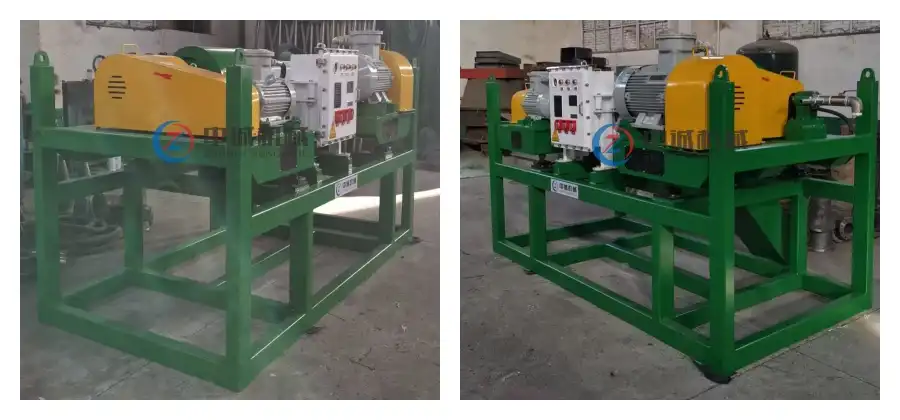
Real-World Case Studies and Data Supporting Cost Savings
Onshore Drilling Contractor: Reducing Disposal Frequency
As landfill fees went up and haul distances got longer, an independent drilling contractor working in the Permian Basin had to pay more to dispose of waste. They were able to cut the amount of mud in six wells by 65% after adding high-speed Decanter Centrifuges to their mud control system. This meant eliminating 18 truckloads of waste every month, which saved about $54,000 in dumping and transportation costs in the first year. The return on investment was even higher when $22,000 worth of drilling fluid was recovered. The investment paid for itself in just 14 months. By using Decanter Centrifuges, the contractor was able to improve solids control while reducing waste disposal costs. Additional Decanter Centrifuges can also provide greater processing capacity when drilling operations expand, helping contractors maintain efficient mud management and improve the overall economics of drilling projects.
Offshore Platform: Managing Limited Storage Capacity
An offshore operator in the Gulf of Mexico had trouble storing waste on the deck between trips from supply ships. By installing a compact decanter, drill bits and produced water solids could be processed continuously, which cut the amount of trash by 70%. This stopped two emergency waste transfers that would have cost $45,000 each and kept production from being held up because of limited storage space. For safe operation in the platform's sensitive environment, the equipment's dynamic balance and low shaking were very important.
Data-Driven ROI Analysis
Industry data regularly shows that using centrifuges cuts the cost of managing trash by 35 to 60% per barrel, based on the current way of disposal and the fees charged in the area. When the direct disposal savings are added to the value of the recovered liquid and the time saved on production delays, the overall economic benefit over a three-year running period is often two to three times the cost of purchasing the equipment. These numbers make a strong case for buying teams to look at investments in capital tools.
Best Practices and Future Trends for Optimizing Decanter Centrifuge Use in Oilfields
Performance Monitoring and Process Optimization
Operators can find ways to improve things by constantly checking the amount of moisture in the discharge, the clarity of the liquid, and the torque levels. You can get even better results by changing the feed quantity, the difference speed, or the polymer dosing rates. Setting up standard measures during commissioning gives you a way to track the slow loss of performance that lets you know you need to do maintenance before it breaks down.
Integrating into Circular Economy Frameworks
Modern drilling operations are adopting circular economy principles more and more, which means minimizing waste, recovering as much material as possible, and designing equipment to last as long as possible. Decanter Centrifuges are a strong fit for this approach because they support closed-loop control of drilling fluids and can help separate valuable fluid from waste streams for reuse. By integrating Decanter Centrifuges into drilling-fluid management systems, operators can improve solids separation while reducing the volume of material requiring disposal. This approach also helps Decanter Centrifuges contribute to more efficient resource recovery and better overall waste management. Aligning the use of Decanter Centrifuges with sustainability goals can help operators meet environmental obligations while also lowering operating and disposal costs. For demanding drilling applications, reliable Decanter Centrifuges can therefore support both resource efficiency and long-term operational performance.
Emerging Automation and IoT Technologies
The next version of separation technology has more powerful control systems that can be viewed remotely through the Internet of Things. From central offices, operators can keep an eye on how well equipment is working, get maintenance alerts before parts break, and use a single interface to optimize multiple units at different sites. Automated torque control systems change the scroll speed in real time based on the amount of solids being loaded. This keeps the machine from getting clogged without any help from a person. These new ideas offer even more efficiency gains and less work, which is especially helpful in today's tight job markets.
Regulatory Compliance and Competitive Advantage
Investing in tried-and-true treatment technologies is necessary to stay ahead of environmental rules that are getting stricter. Operators who build strong garbage management skills will have a better chance of getting permits and contracts, especially since operators are putting more emphasis on environmental performance when choosing vendors. When bidding against other companies, being able to show measurable waste reduction and compliance sets you apart.
Conclusion
Centrifugal separation technology using Decanter Centrifuges has been shown to lower the cost of disposing of oilfield sludge by reducing its volume, recovering liquids, and making operations more efficient. Strong engineering, smart control systems, and flexible Decanter Centrifuges designs work together to solve the many challenges faced by drilling contractors, petroleum service companies, and oilfield operators. When properly selected and maintained, Decanter Centrifuges can provide strong returns on investment while helping operators meet environmental compliance goals. As automation and monitoring technologies continue to improve, the cost-effectiveness of Decanter Centrifuges becomes even stronger. This is why Decanter Centrifuges and centrifugal dewatering technology are becoming important components of modern drilling waste management strategies. Reliable Decanter Centrifuges can help reduce waste volumes, recover usable fluids, and support more efficient long-term drilling operations.
FAQ
Why is discharge cake moisture higher than expected?
Most of the time, high moisture content is caused by wrong differential speed sets or not enough G-force for the type of sludge. Usually, increasing the stay time within the bowl by changing the VFD settings makes the bowl dryer. Final moisture levels are also affected by feed content and polymer preparation in a big way, so looking at these factors along with mechanical settings is often enough to find the problem.
How do centrifuges handle highly abrasive materials?
Abrasion resistance comes from choosing the right materials and protecting them from wear. When handling sand- or mineral-heavy waste streams, replaceable tungsten carbide tiles on scroll flights and ceramic inserts at outlet holes make parts last a lot longer. Regular inspections and replacing worn-out parts at the right time keep the structure's base parts from getting damaged, which ensures long-term dependability.
What maintenance is required for high-speed bearings?
High-speed bearing assemblies need to be oiled regularly with high-temperature synthetic grease made to work continuously at speeds above 3,000 rpm. Regular sound analysis finds early signs of wear and tear or alignment problems before they become major problems. Monitoring the rise in bearing temperature during operation gives you another early sign of problems that might be happening, so you can schedule maintenance instead of making emergency fixes.
Partner with Shaanxi Xixian New Area Zhongcheng Machinery Manufacturing Co., Ltd. for Proven Decanter Centrifuge Solutions
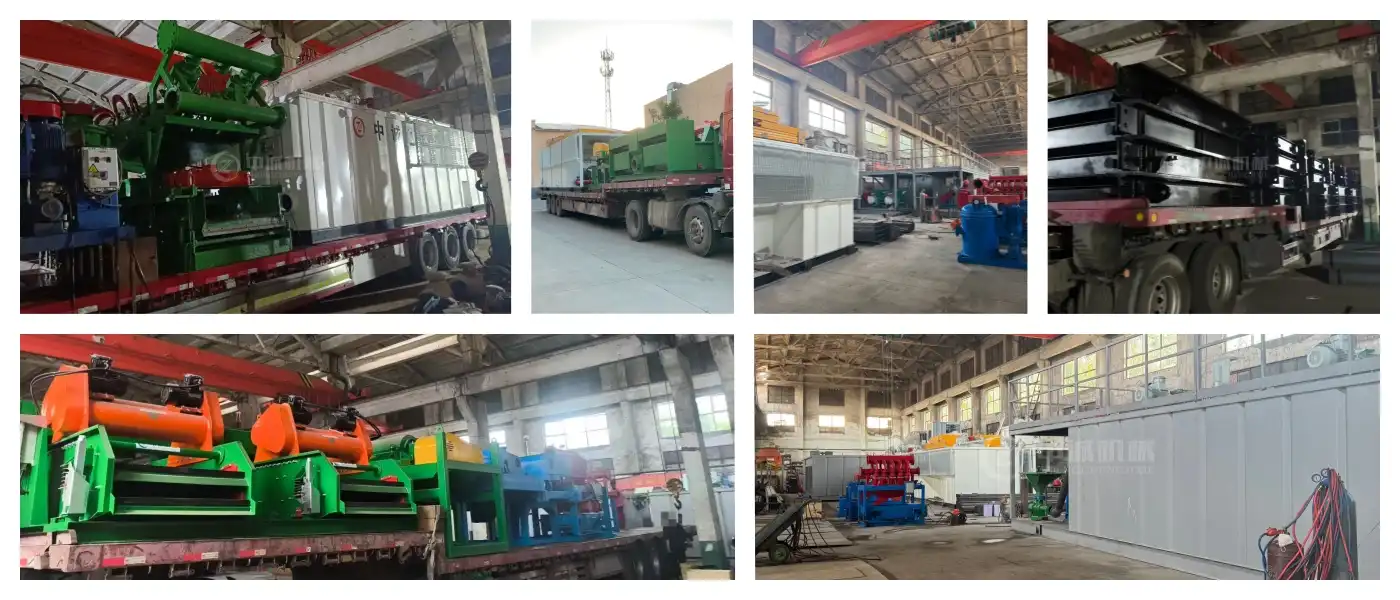
To lower your oilfield sludge removal costs, you need to work with a decanter centrifuge maker that has a lot of experience and knows a lot about drilling operations. Shaanxi Xixian New Area Zhongcheng Machinery Manufacturing Co., Ltd. has been in business for more than 30 years and has its own patents and solid control solutions that are designed to work well in demanding petroleum applications. Our ZC series Decanter Centrifuges are made of high-strength stainless steel and are reinforced with tungsten carbide. They also have VFD configurations for smart speed regulation and are certified by TÜV, BV, ISO 9001, and 14001 standards. We offer full professional support, which includes installation instructions, operation manuals, a one-year warranty, and training for the business. We offer responsive service and high-quality products. In-stock items are shipped within three days, and custom solutions are delivered in fifteen days. Visit zcsolidscontrol.com or email oliver@zcgukong.com to talk about your unique needs and find out how our tried-and-true tools can change the economics of your sludge management.
References
1. Amadi, W.K. & Iyuke, S.E. (2018). "Application of Decanter Centrifuge Technology in Oil and Gas Drilling Waste Management." Journal of Petroleum Technology and Alternative Fuels, 9(2), 15-28.
2. Carpenter, C. (2020). "Advances in Solid-Liquid Separation for Drilling-Waste Management." SPE Journal of Petroleum Technology, 72(8), 68-72.
3. Environmental Protection Agency. (2019). "Best Management Practices for Drilling Waste Minimization and Disposal." EPA Publication 821-R-19-004.
4. Khalil, M. & Jan, B.M. (2021). "Drilling Waste Management in Petroleum Industry: Review of Current Practices and Emerging Technologies." Environmental Science and Pollution Research, 28, 5543-5563.
5. Metcalf, R.D. (2017). "Centrifuge Technology Applications in Oilfield Solids Control Systems." Industrial Equipment News, 44(3), 112-125.
6. Xu, L., Zhang, H., & Wang, Y. (2022). "Economic Analysis of Drilling Waste Treatment Technologies: A Comparative Study of Centrifugation and Alternative Methods." Energy Reports, 8, 3847-3856.