Modern shale shakers integrate comprehensive safety features designed to protect operators and maximize drilling efficiency. These include protective guarding around moving components, emergency shutdown systems, vibration isolation technologies, and electrical systems certified to ATEX and IECEx explosion-proof standards. Advanced units incorporate real-time monitoring sensors, fail-safe mechanisms, and ergonomic designs that reduce manual handling risks. With compliance to ISO 9001, ISO 14001, ISO 45001, and HSE standards, today's shale shakers deliver both operational reliability and workplace safety, addressing the critical demands of oil and gas drilling contractors, oilfield service companies, and procurement managers seeking equipment that minimizes downtime while safeguarding personnel in harsh field environments.
Introduction
When drilling for oil and gas, how well solids and liquids are separated directly influences how well the drilling goes, how much it costs to handle the fluids, and how long the whole job takes. The shale shaker is the most important part of any solids control system because it removes drill cuttings and keeps the purity of the drilling fluid. When modern drilling contractors and procurement managers look at equipment suppliers, safety features are becoming more and more important, even more important than processing capacity and separation accuracy.
Safety isn't just a legal requirement; it's also a smart investment that keeps workers safe, cuts down on costly downtime, and lowers the risk of liability. Even though traditional shale shakers worked, they often didn't have strong safety features. This meant that operators were open to mechanical and electrical risks, as well as health problems from too much noise and vibration. Today's drilling sites need tools that are built with safety features that meet strict international standards and can work in rough conditions both on and offshore.
This guide is designed to help procurement managers, drilling engineers, oilfield service providers, and equipment distributors understand the safety features that make up modern shale shaker technology in a way that they can use. We will talk about how these new ideas protect operations, improve compliance, and provide measurable value over the entire lifecycle of the equipment.
Understanding the Safety Challenges of Traditional Shale Shakers
Older generations of shale shakers had a number of safety problems that mean they are still dangerous to use in operations that depend on them. During operation and repair, mechanical hazards from moving parts that were left out in the open, such as vibration motors and screen panels, caused pinch points and entanglement risks. Too many vibrations from structures that weren't well isolated led to tired operators and long-term musculoskeletal disorders. Also, noise levels often went over the safety limits at work, damaging workers' hearing without the right protection.
Another major worry was the possibility of electrical dangers. Short circuits, electrical fires, and shocks were more likely to happen in places where drilling fluids, moisture, and conductive contaminants were present on equipment that didn't have the right entry protection ratings. Inadequate emergency shutdown mechanisms slowed down response times during malfunctions, making incidents worse. Due to poor maintenance accessibility, operators had to work in dangerous positions while screens were being changed and fixed, which increased the number of injuries.
Drilling firms and service companies were directly affected by these weaknesses in terms of their operations and finances. Safety incidents caused unplanned downtime that messed up drilling schedules. Accident investigations and fines from the government hurt reputations and made it harder to work with clients. Case studies from several drilling sites showed injuries ranging from being crushed while replacing a screen to getting electrical burns from motor housings that weren't properly covered. One offshore accident involving a shale shaker that wasn't properly guarded led to a three-day stop in operations and regulatory scrutiny that pushed back the project's completion by two weeks. This shows the real cost of not including enough safety features in B2B buying choices.
Core Safety Features of Modern Shale Shakers
Protective Guarding and Enclosures
Modern shale shaker designs include full guarding systems that keep people from touching moving parts by mistake while they're working. Solid barriers and reinforced mesh panels keep vibration motors, drive mechanisms, and rotating shafts safe while still letting operators see what's going on. Corrosion-resistant materials and tool-free fastening systems make these enclosures easy to inspect quickly without sacrificing safety. When the guard is taken off, interlock switches immediately turn off the power, so the equipment can't start up while repair is being done.
Safety Interlocks and Emergency Shutdown Systems
Modern units have multi-point safety interlocks in key entry areas to make sure users can't get to dangerous areas while the system is still on. There are emergency stop keys placed around the outside of the equipment so that it can be turned off right away from any position of the person. These controls are linked to fail-safe relay circuits that quickly cut power to vibration motors and other systems connected to them. Newer models have a feature that lets them stop remotely in case of an emergency. This lets supervisors deal with dangers from the control rooms on bigger drilling sites.
Vibration Isolation and Noise Reduction Technologies
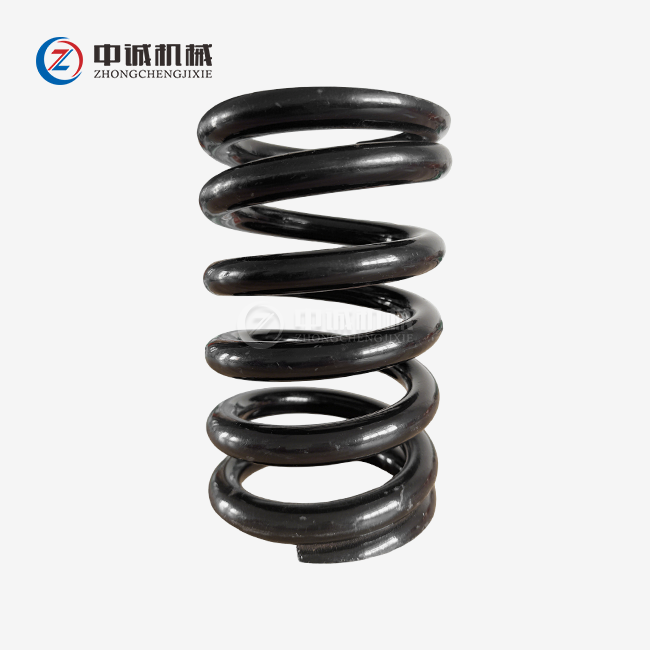
Vibration isolation systems that work well keep harmful forces from reaching both the operators and the structures they support. High-performance rubber isolators and spring-mounted baskets cut the amount of energy that gets to the deck areas by up to 95%. This makes long shifts much safer for operators. Around motor housings, acoustic enclosures and dampening materials bring down the noise level to a level that is acceptable, usually below 85 dB for operator positions. These features address long-term health issues related to work while also making communication clearer in noisy drilling settings.
Explosion-Proof Electrical Systems
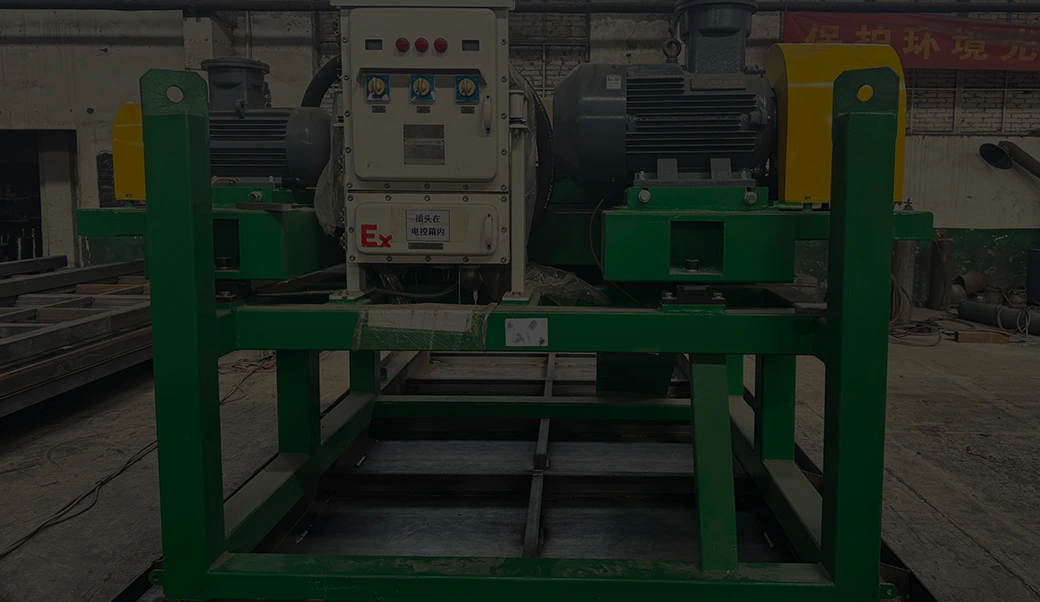
On drilling sites, there are often explosive gases and unstable atmospheres that need electrical equipment that meets international standards for not exploding. Modern shale shakers have motors and control systems that are approved by ATEX (European Union), IECEx (International), and UL (North American) standards. This makes sure that they can be used safely in places that are classified as dangerous. Protection class ratings of IP55 or higher keep out moisture and particles that could damage the electrical integrity. Temperature monitoring systems find motors that are getting too hot before they hit ignition levels. When you use the right grounding systems and bonding connections, you stop static electricity from building up, which could cause an explosion in gas-filled spaces.
Ergonomic Design for Safe Maintenance
A big part of shale shaker accidents involve injuries that happen during maintenance, so ergonomic design is an important safety feature. Modern units have quick-change screen systems that get rid of the need to lift heavy screens and cut the time it takes to replace them from 30 minutes to less than 5 minutes. Tool-free tensioning systems let a single user change the screen without having to use special tools or get in an awkward position. Putting lubrication points, inspection holes, and adjustment controls at heights that are easy to reach cuts down on the need to climb or reach into tight areas. Clear labels, color-coded parts, and easy-to-understand plans help keep service activities from going wrong.
Safety Feature Innovation — How Modern Designs Protect Operations
Real-Time Monitoring and Automated Alert Systems
New shale shaker designs have sensor networks that constantly check important operating parameters like motor temperature, bearing condition, vibration amplitude, and electrical current draw. When sensors discover values getting close to unsafe limits, automated alert systems let workers know through lights, sounds, and messages sent to supervisory systems from afar. This proactive method lets problems be fixed before they get bad enough to cause machine failures or safety incidents. Advanced units have predictive maintenance algorithms built in that look at vibration patterns to find signs of bearing wear, misalignment, or structural fatigue weeks before they cause a catastrophic failure. This way, maintenance is scheduled during planned downtime instead of emergency shutdowns.
Fail-Safe Systems and Redundant Protection
Modern equipment design includes many levels of backup safety to make sure that the equipment can be safely shut down even if the main systems fail. Redundant emergency stop circuits work separately from the main control systems and keep the ability to shut down even if the main control systems fail. When sensors identify critical problems like excessive vibration, motor overheating, or electrical anomalies, automatic stop procedures go into action. This means that operators don't have to be present when dangers are developing quickly. When the power goes out, mechanical brakes engage immediately to stop the machine from coasting out of control, which could hurt people who are close to it. The fail-safe mechanisms shown here are part of a design philosophy that assumes parts will break down and designs systems to stay safe even when this happens.
Material Innovations for Enhanced Durability and Fire Safety
The choice of material has a direct effect on how safe something is over time in tough drilling settings. Modern shale shakers use high-strength, low-alloy steel baskets that have been treated with improved anti-corrosion coatings. These coatings keep the structure's integrity over a longer service life, avoiding stress fractures that could lead to catastrophic failure. Motor housings and electrical casings are made of fire-resistant materials that have been tested and approved to meet international flammability standards. This keeps electrical fires from spreading. Wear-resistant screen support beams keep the screen taut so that it doesn't deform when the G-force is high. This keeps the panel from moving and the dangers that come with it. Stainless steel hardware stops fasteners from breaking down because of rust, which can damage guard attachments and structural connections.
Maintenance and Safety Best Practices for Shale Shakers
Scheduled Safety Inspections and Preventive Maintenance
To keep shale shakers safe, they need to be inspected regularly, with a focus on parts that are important for safe operation. Inspections should be done every day before each shift to make sure the emergency stop works, the guard is secure, and the vibration isolator is in good shape. The results should be written down in equipment logs. Electrical connections, motor attachment hardware, and screen tension are checked once a week for wear before safety gaps are lost. Vibration analysis tools are used during monthly thorough inspections to check the state of structural welds, base bolts, and bearings. This creates trend data that shows how things are getting worse. Qualified techs do full inspections once a year that include testing important welds without damaging them, testing electrical systems' insulation resistance, and certifying safety interlocks and emergency shutdown circuits.
Effective Troubleshooting of Safety-Related Warning Signs
Operators who know how to spot early warning signs keep small problems from getting worse and becoming major risks. Changes in amplitude or frequency that aren't normal can be signs of bearing wear, motor imbalance, or structural loosening that needs to be looked into right away. Motor temperatures that aren't normal, found by thermal monitoring or direct inspection, could be caused by electrical problems, not enough lubrication, or a failing bearing. The motor needs to be shut down and checked out by a professional. Damage that can be seen on guards, cages, or vibration isolators needs to be fixed right away before the equipment can be used again, because broken safety features put people at risk that the equipment was meant to protect them from. When fluid builds up around electrical parts, it means that seals have failed, which poses a shock and fire risk that needs to be fixed right away.
Comprehensive Operator Training Programs
Suppliers of equipment that care about operational safety offer organized training programs that teach employees how to use the equipment, do regular upkeep, spot hazards, and handle emergencies. Effective training stresses the reason and purpose of safety features, making sure that operators know how protective systems work and what will happen if they are bypassed or turned off. Hands-on training in the right way to do repair tasks like replacing screens, lubricating parts, and making adjustments cuts down on mistakes that can lead to injuries. Operators are better prepared to handle malfunctions, fires, or injuries when they go through emergency scenario training. This cuts down on the time it takes to respond to critical incidents.
Choosing a Modern Shale Shaker with Optimal Safety Features — Procurement Tips
Evaluating Safety Certifications and Compliance
People who are in charge of hiring must make sure that potential shale shakers have the right safety certifications for the places where they will be working. ATEX or IECEx certification that matches the site classification is needed for equipment that is going to be used in dangerous classified areas. The certification paperwork must be able to be tracked back to approved testing labs. The manufacturer's ISO 45001 certification shows that they handle health and safety at work in a planned way during the planning and production processes. Third-party inspection certificates from groups like BV (Bureau Veritas) or TÜV prove that the quality of the manufacturing and safety standards are met. Major oil and gas companies are requiring more and more HSE certificates to show that health, safety, and environmental standards are being followed.
Comparing Safety Features Across Suppliers
With detailed technical specifications, you can compare the safety features of different suppliers in an unbiased way. Some important things that are looked at are the emergency stop reaction time (it should be less than 2 seconds), the effectiveness of the vibration isolation (it should reduce vibrations by at least 90%), the ingress protection grade (it should be IP55 or higher for offshore use), and the noise level at user positions (it should be less than 85 dB). Automation features, such as condition monitoring sensors and remote alert systems, set advanced suppliers apart from those that only offer basic features. Material quality standards for structural parts, fasteners, and protective coatings show that the equipment will last for a long time and keep working safely.
Customization for Specific Operating Environments
Different types of drilling pose different safety issues that need specific tool setups. Marine settings that are corrosive are better for offshore platforms that are made of improved stainless steel and have special finishing systems. Motors and electrical parts that can handle high temperatures are needed for high-temperature drills. Sites with limited room need small designs that make it easy for repair workers to get to and still meet safety standards within their limited footprints. Manufacturers with a good reputation will let you change standard designs to fit your needs while keeping the basic safety features. The ZC Single Shale Shaker from Shaanxi Xixian New Area Zhongcheng Machinery Manufacturing is an example of this method. It has a protection class of IP55, a vibration intensity of up to 8G, a linear motion trajectory, and an integrated single-deck structure that can be used with rigs from the ZJ20 to the ZJ90 classifications.
After-Sales Support and Spare Parts Availability
The effectiveness of safety features depends on keeping equipment in good working order for as long as it is used. When making purchases, companies should give more weight to providers that offer full after-sales help, such as remote technical support, on-site commissioning, and operator training programs. Verified spare parts available, especially for safety-critical parts like emergency stop switches, vibration isolators, and approved electrical parts, make sure that fixes can be done quickly and safely. Additional assurance is given by warranty coverage that directly addresses the functioning of the safety system. When manufacturers include safety inspection checklists and troubleshooting tips in their detailed maintenance paperwork, workers can safely and effectively take care of their equipment between professional service visits.
Conclusion
Modern shale shakers have safety features that are more than just required by law. They are a strategic investment that protects workers, maximizes uptime, and protects the operation's reputation. Modern machinery has safety features like protective guarding, emergency shutdown systems, vibration isolation, electrical parts that can't explode, and easy maintenance access. These features are all part of comprehensive safety architectures that have been approved by international standards. Advanced monitoring sensors and fail-safe mechanisms find hazards before they happen and protect you reliably when a part fails. When purchasing shale shakers, people in charge of procurement need to look at safety certifications, compare how many features each supplier offers, and make sure that the suppliers offer after-sales support that keeps the equipment safe for as long as it lasts. When drilling contractors and oilfield service companies work with manufacturers that show they care about safety by using strong designs, high-quality materials, and full support, they set themselves up for operational success in regulatory and competitive environments that are getting tougher.
FAQ
Which safety standards should compliant shale shakers meet?
Modern shale shakers working in oil and gas settings should have ISO 9001 certification for quality management, ISO 14001 for environmental management, and ISO 45001 for workplace health and safety. For equipment to be used in dangerous classified areas, it needs to be certified as explosion-proof by either the European Union (ATEX) or the International Electrotechnical Commission (IECEx). To keep moisture and particles from getting into electrical parts, they should have a minimum IP55 rating for ingress protection. Third-party approval from inspection groups like Bureau Veritas or TÜV makes sure that the quality of the manufacturing and safety standards are met.
How do safety features improve operational efficiency beyond preventing accidents?
Integrated safety features directly improve working efficiency by cutting down on unplanned downtime through proactive repair and condition tracking. Real-time sensor systems find faults as they form, weeks before they become catastrophic. This lets repairs be scheduled during planned maintenance times instead of emergency shutdowns. Vibration separation and noise reduction make operators more alert and improve their ability to communicate during long shifts. This cuts down on mistakes that slow down processing. The ergonomic servicing design cuts the time it takes to change the screen from 30 minutes to less than 5 minutes, so there are fewer breaks in production. When equipment consistently performs safely, it needs to be inspected and documented less often by regulators. This makes operations management's job easier in terms of paperwork.
Can existing shale shakers be retrofitted with modern safety features?
Some safety improvements can make older equipment better, but only if they are compatible with the original design and the structure is in good shape. Emergency stop systems, better guarding, and upgraded electrical parts that meet current standards are all possible upgrades that can be made to units that are still structurally sound. Improvements in vibration isolation may be limited by the design of the foundation and the mounting changes that can be made. Condition monitoring systems can be added to equipment that has enough room for sensors and electrical systems that work with them. By talking to qualified service providers with experience in safety retrofitting, you can be sure that the changes you make meet the rules and keep the structure's integrity. When there are multiple safety problems, it is often cheaper to replace old equipment with newer ones than to do a lot of work to fix the old ones. This is because the new equipment will last longer and be more reliable.
Partner with Shaanxi Xixian New Area Zhongcheng Machinery Manufacturing for Safety-Focused Solid Control Solutions
Shale shaker suppliers who know that safety and performance go hand in hand are needed for drilling operations. The Shaanxi Xixian New Area Zhongcheng Machinery Manufacturing Co., Ltd. has been making high-quality control equipment for over 30 years. They sell it to oil and gas drilling contractors, oilfield service companies, and petroleum EPC contractors in North America and around the world.
Our ZC Single Shale Shaker has many safety features, such as electrical systems with IP55 protection class and convenient quick-change screen designs that keep operators from getting too close to the machine while it's being serviced. Our equipment meets the strict international standards for working in dangerous places because it is certified to ISO 9001, ISO 14001, ISO 45001, and HSE standards and has been checked by TÜV and BV. We offer full technical support, which includes engineering drawings, operation manuals, on-site commissioning, and full training for operators. Our services are backed by a one-year warranty and quick delivery of spare parts.
Our technical team can make configurations that are specific to your rig classification, processing capacity, and safety needs, whether you're buying equipment for onshore drilling, offshore platforms, or coalbed methane projects. In-stock items are shipped within three days, and custom-engineered solutions are delivered within fifteen days thanks to our long-term transportation partnerships with the ports of Tianjin and Shanghai.
Connect with our engineering specialists today to discuss your project requirements and discover how our safety-focused shale shaker solutions deliver reliable performance, regulatory compliance, and operational peace of mind. Contact Us at oliver@zcgukong.com or visit zcsolidscontrol.com to explore our complete range of solid control systems and get detailed technical specifications from a trusted shale shaker manufacturer committed to your operational success.
References
1. Anderson, M. J. (2021). Safety Engineering in Petroleum Drilling Equipment: Design Principles and Risk Management. Houston: Oilfield Technology Press.
2. International Association of Drilling Contractors. (2020). Health, Safety and Environment Reference Guide for Drilling Operations. Houston: IADC Publications.
3. Petersen, T. R. & Williams, K. L. (2019). Solids Control Equipment Standards and Safety Compliance in Modern Drilling Operations. Journal of Petroleum Technology, 71(8), 45-62.
4. Smith, D. H. (2022). Explosion-Proof Equipment Certification Requirements for Oil and Gas Applications. London: Industrial Safety Publishers.
5. United States Occupational Safety and Health Administration. (2020). Guidelines for Machinery Guarding and Emergency Stop Systems in Industrial Operations. Washington: US Department of Labor.
6. Zhou, L. & Martinez, R. (2021). Vibration Isolation Technologies in Oilfield Equipment: Engineering Solutions for Operator Safety. International Journal of Industrial Ergonomics, 84, 103-118.
.webp)