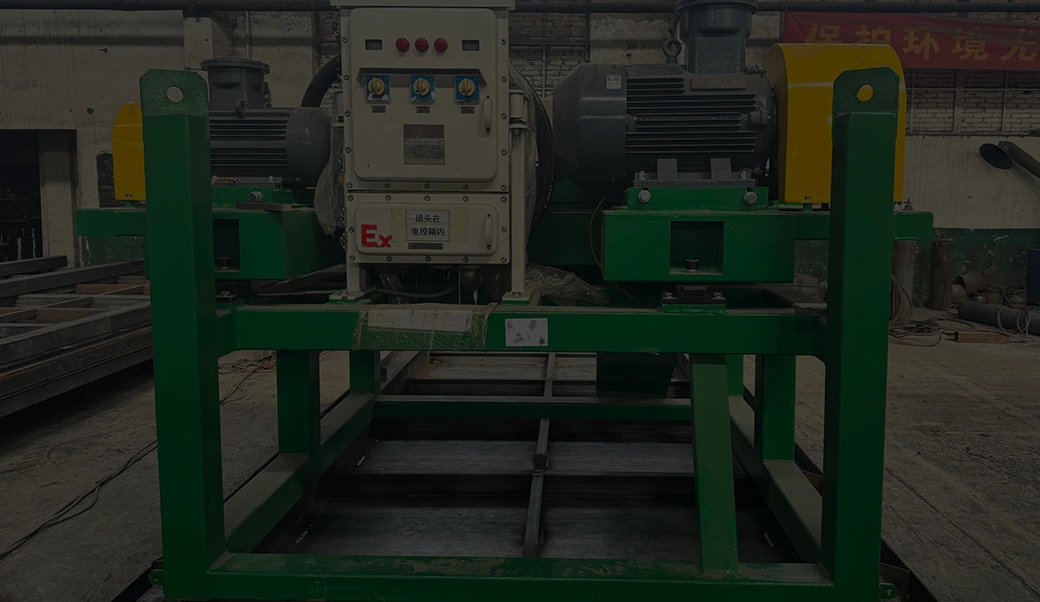
Building crews and generator users don't need a transfer pump to store and distribute fuel when they have an Elevated Diesel Tank installed. Diesel goes to the machine through the hose since the tank is high up. Even when the power goes out, this setup keeps pumping fuel into hard-to-reach places. This company makes the ZC Elevated Diesel Tank. The amount of space it can hold is between 5 and 50 m³. It also has a built-in drainage system and a skid stand that can be taken off. This book talks about how to choose a service, get the right size, stay safe, and keep up with upkeep.
Introduction: Choosing the Right Elevated Diesel Tank for Steady Fuel Supply
Why Gravity-Fed Fuel Storage Fits Field Work
It's worst to run out of fuel when it's pouring outside, during a storm, or on a pad that's a long way from the next gas station. The group won't be able to work for hours if the engine or transfer pump breaks down. With a fuel tank that fills up by gravity, that weak spot is gone. Diesel drips down from a high sink and goes through a hose and needle. There's no motor in the way. It should be possible for people who work in remote places to use backup engines, excavators, and light towers with fewer moving parts. Not having as many parts means less damage and downtime. This idea is what our unit is about.
What Is an Elevated Diesel Tank and How Does It Work?
Elevated Diesel Tanks are storage tanks that are raised off the ground on a higher base or skid. There's work to do. About 830 kg/m3 of diesel is added to the height for every meter that goes up. This adds about 0.08 bar of head pressure before the diesel's weight makes the pressure drop. No matter how short or long the stand is, the flow rate goes down. If the stand is too tall, however, it goes up. Through a filter, a hose, and a valve, it flows from the tank to the machine. There is no pump there, so you can still get gas even if the power goes out.
Design Features of the ZC Elevated Diesel Tank
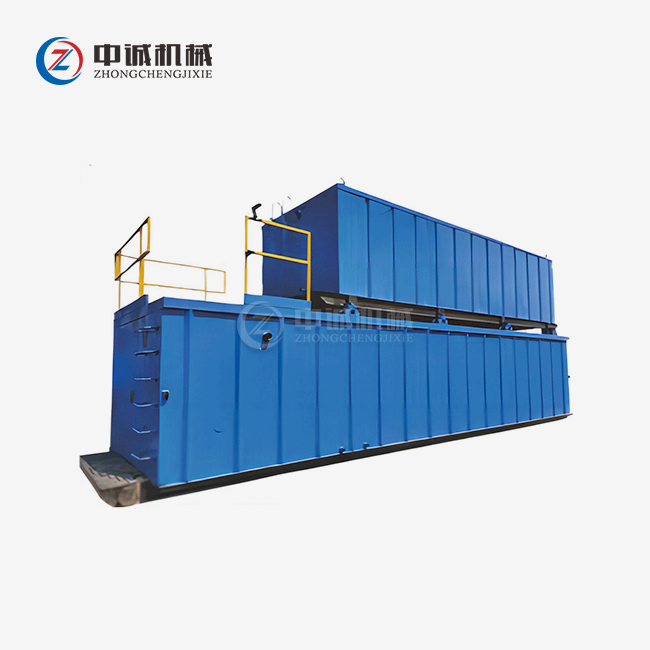
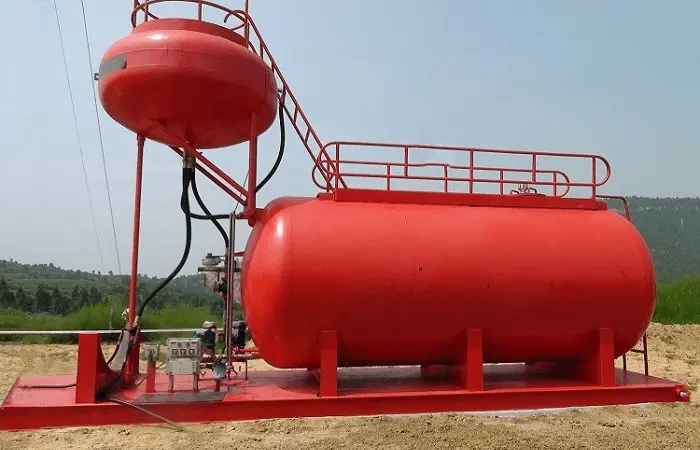
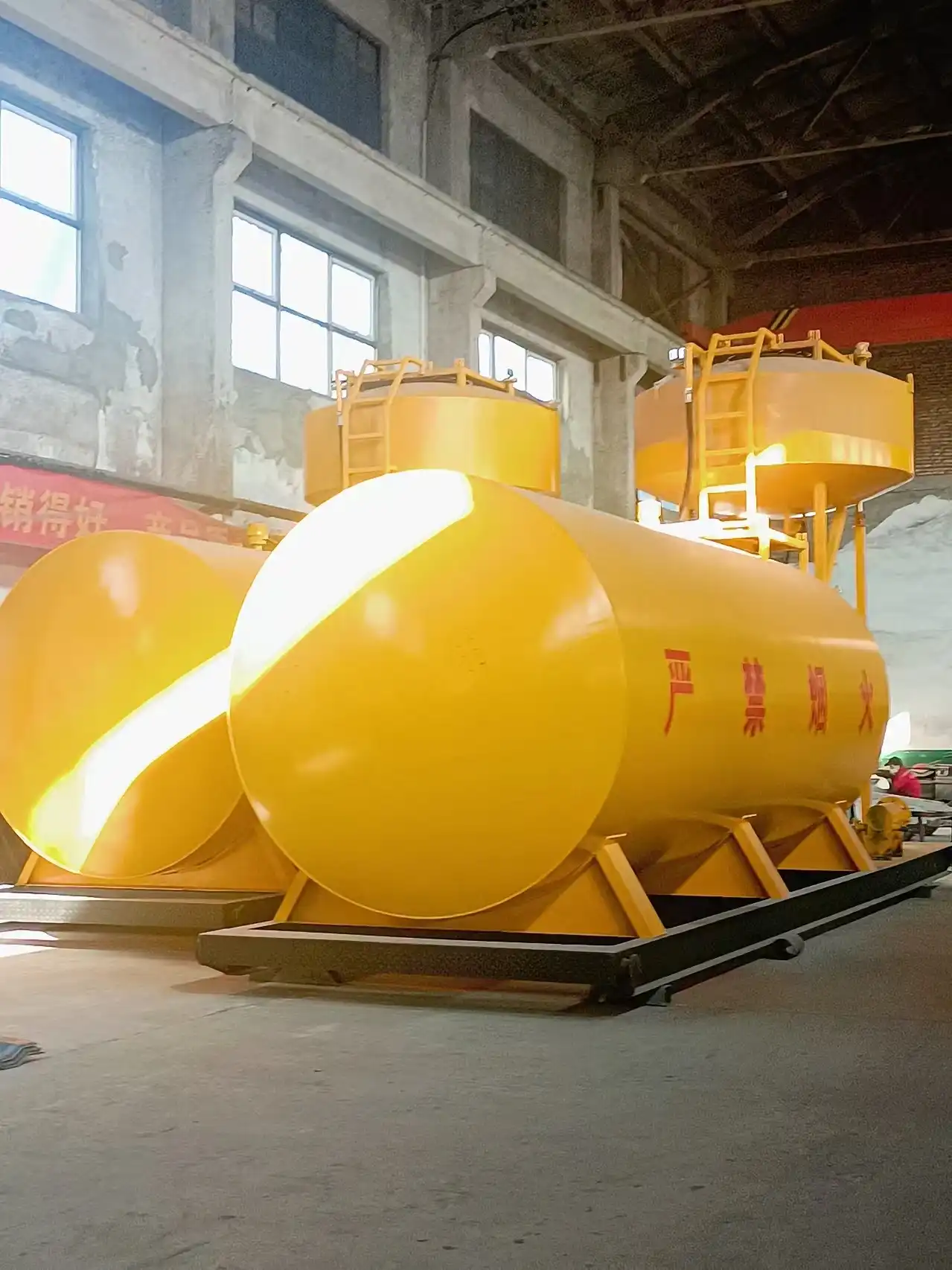
Our ZC Elevated Diesel Tank is what you need to store fuel in the field without a pump. There are different sizes, from 5 m³ to 50 m³, which are 1,321 to 13,209 US gallons. No need to ship or set up the unit if the skid stand is not there. With the tank raised, the floor is more open, and water in the ground won't hurt it. Things that are strong and don't rust can handle oil, weather, and hits from outside. It's tightly shut, so leaks and dirt can't get in. The mud movement gear that people who work in oil fields already have can be used because it works with good control systems that are already in place.
How to Select the Best Elevated Diesel Tank for Your Operation
Size Capacity with a Simple Formula
To begin, do some simple math: needed capacity = average daily consumption × desired number of operating days + reserve margin. There must be power for seven days in a row, but the generator needs 400 gallons of gas every day. When you multiply 200 by 7 and add 280 gallons for safety, you get 1,680 gallons, which is about 6.4 m³. How far is the gas station from the fuel source? How often is the fuel delivered? How many cars are in the fleet? Besides that, you should also think about demand during different times of the year. If the tank is too big, it costs more and needs a bigger base. It has to be sent more than once if it's too small. We can get to most small generator sites and big digs that are 5 to 50 m³ in size.
Materials and Wall Construction
Different types of steel, vinyl, and single- and double-wall forms are often put next to each other. Steel can last a long time, even if it is hit, weighed down, or used in a rough place. It can be used in mines, oil fields, and construction sites because of this. Tanks with only one wall need their own dam, basin, or spill box. Double-wall tanks, on the other hand, are already safe. There are many places in the US where the local government makes the rules. Before we start making the units, what kind of containment do you want? We'll make the cage you want if you tell us what it is.
Gravity-Fed or Pump-Equipped Dispensing
At one point, tools and engines could be powered by grain systems that didn't need energy. There are also fewer things that need to be fixed. Pumps can be filled up in more places, and the hoses can reach farther. On the other hand, they need more upkeep, motors, and wires. Our ZC machine doesn't have a pump, so that's why. How much water flows depends on how high the stand is and how big the hose is. Based on how long the hose needs to be, we'll tell you what height stand to use. Remember that this is for gas. Because gasoline is more likely to catch fire, it needs different ways to vent and stay safe.
Installation Requirements and Safety Regulations
Foundation and Site Preparation
When the tank is full, it's heavy. A 50 m³ tank can hold about 41 metric tons of oil before the steel is added. On flat, well-drained ground, the base must be strong enough to hold that much weight. A safe way to get to the place where the tank is pumped up and enough space around it are all important. The tank should also be safe from cars, wind, snow, and earthquakes. Anchors and how the stand is put together become more important as the height goes up. Take your expert with you to the site and send us a picture of how the load is spread out before the stand is shipped. Then, our staff can check that the stand will work where you are.
Containment and Spacing Rules in the United States
Several US laws have an impact on how an Elevated Diesel Tank is designed. IFC and NFPA 30 both talk about how to keep flammable and combustible liquids from spilling by giving them space and airflow. The EPA SPCC rule (40 CFR Part 112) says that places that store more than 1,320 gallons of oil above ground must follow it. This rule says you need a plan and a second way to keep everything in place if you want to store a lot of things. Buyers should find out as soon as possible if SPCC applies. It can hold about 1,321 gallons in the 5 m³ unit. There may be different rules for fire departments in your state and area. Talk to them before you place your order.
Safety Configuration and Documentation
We only sell ZC Elevated Diesel Tanks that are safe and made so that liquids and air can't get in or out. We follow the rules set by ISO 9001, ISO 14001, and ISO 45001, and HSE, TÜV, and BV have checked that our products are safe. It's still not complete at the permit office. They need plans, instructions on how to do the job, certificates of materials, and records of weld and leak tests. As a project manager in the US, you should still ask for these things. Let us know if your site needs a certain standard, like UL 142, when you ask for a quote. That way, you and our experts can talk about it before they start making it.
Elevated Diesel Tank Maintenance Checklist and Quality Control
Daily and Weekly Inspections
Most problems are found early on by doing short checks on a regular basis. If you smell fuel, look for wet spots under the tank, broken lines, loose parts, or a vent that doesn't work. Check that the emergency exit stays open and that the level number is what you thought it would be. Keep an eye on how things go up there. Most of the time, a clogged filter or a bent hose will cause the stream to be slow. It's not about the tank. Each check should have a date and your initials on it. Written records help with reports since they show how things have changed over time.
Fuel Quality and Scheduled Service
Small living things can grow in the water at the bottom of the tanks. Based on ASTM D975, water and sediment can't make up more than 0.05% of the volume of most diesel grades. Most of the time, drain the water from the bottom. Every month or three months, check the flow and look at the filters, valves, vents, gauges, support frames, welds, and finishes. Check the fuel once a year and fix any seals, lines, or pumps that are worn out. Also, look around the whole tank and storage room. Every day, do this to keep your fuel, engines, and generators safe.
Quality Checks Buyers Should Request
Anyone who sells tanks can tell you how they test them before sending them out. The fifth check is the most important part. First, radiography or acoustic testing that doesn't damage the weld makes sure that the seam is gone. An oil or gas leak test, on the other hand, makes sure the seal will last. Third, to check if the layer is thick enough, a dry film thickness test is used. Fifth, a load test of the stand shows that it can hold a full tank even when the ground is shaking from the wind. Fifth, making sure the frame is level and straight keeps it from getting squished. Include the records with your order.
Elevated Diesel Tank vs. Other Storage Options and Choosing a Manufacturer
Comparing Elevated, Underground, and Horizontal Tanks
Tanks that are buried take up less room on the ground, but they have to be drilled into and have systems to find leaks. They also need a lot of paperwork. Things are also hard to see right away. Because it is higher, you can see the shell, the welds, and the fixings. It's also simple to leave once the job is done. Fuel has to be moved around in tanks that are low to the ground, which means they need a pump. Of course, high tanks can feed tools by gravity, but they need to be firmly set down on stands made just for them. If you work from home or for a short time, the more expensive choice will likely cost you less in the long run.
Portable Skid Units or Stationary Installations
One on wheels is good for moving sites and short-term building jobs because it doesn't get damaged much when it's moved. Sites that don't move have engines that stay put, bigger systems that work better together, and yards where trucks can fill up. With our skid stand that can be taken apart, you can choose between the two. Buy from the company that makes the item every time. We opened our 6,300-square-meter plant in Xingping, Xianyang, Shaanxi, in 2015. Every year, we make up to 200 sets of systems for draining oil and mud. We've won more than 12 awards and have been in business for more than 30 years.
Requesting a Quote and Comparing Total Cost
To get exact prices, make sure the RFQ is clear. Write down how much space is needed, the type of fuel, the temperature at which it will be used, the stand height, the best way to keep the fuel contained, the location, the needed certifications, the plan, and the type of fuel. It takes us three days to ship things that are in stock. This kind of order takes fifteen days to make. Ships from all over the world come to these two cities' ports. The order comes with a one-year warranty and is packed in normal export packaging. It also comes with training, pictures, flowcharts, and steps. When you compare prices, don't just look at the price of the shell. Don't forget to figure out how much the stand, the shipping, the support, and the containment will cost. This is because prices that are kept secret often come up after the fact.
Conclusion
So, an Elevated Diesel Tank can be used instead of a transfer pump and its weak spots when filling up in remote or power-less areas. It holds diesel above ground and gives it out by gravity. First, check to see how much space you have. Then you should think about what the wall is made of, how it is put together, and whether you want water to flow freely or with a pump. For a safe installation, you need a strong base, enough room, and extra safety. The International Fire Code (NFPA 30) and the EPA SPCC rule are used in many projects in the US. To keep everyone safe, fuel and tools are checked often, water is drained, and quality tests are recorded. It's easier to move and check on tanks that are higher than ones that are hidden or don't stand out. Having a direct maker who helps with paperwork, tests, and support can keep costs low.
FAQ
How does height affect the flow rate?
Head pressure is based on height. For diesel, it's about 0.08 bar per meter. Because of the size of the nozzle and the hose, it takes longer for the water to flow.
Can an Elevated Diesel Tank hold gasoline?
Not very often, no. Because gasoline is more likely to catch fire than diesel, it needs different vents and flame arrestors that won't blow up.
Do I need secondary containment?
Most of the time, yes. The EPA SPCC rule and each state's fire code say that spills in the US need to be cleaned up. A lot of designers make containment that is the right size for the tank's full volume plus a certain amount, like 110%. Talk to the government in your area to make sure you know the rule correctly.
How do I handle water in the tank?
Dew forms when the weather changes. According to ASTM D975, the water and sediment should not make up more than 0.05% of the volume. Check the fuel often and drain the water from the bottom.
Request a Project-Specific Elevated Diesel Tank Solution from ZHONGCHENGJIXIE
Send your capacity, stand height, destination, and delivery date to oliver@zcgukong.com, and our engineers at ZHONGCHENGJIXIE will review your project. As an Elevated Diesel Tank manufacturer, we ship stocked products in 3 days, complete custom orders in about 15 days, and back each order with drawings, manuals, training, and a one-year warranty. Visit zcsolidscontrol.com for product details.
References
1. NFPA 30: Flammable and Combustible Liquids Code, 2024
2. International Fire Code, International Code Council, 2021
3. UL 142: Steel Aboveground Tanks for Flammable and Combustible Liquids, 2006
4. U.S. Environmental Protection Agency, Spill Prevention, Control, and Countermeasure Guidance for Regional Inspectors, 2013
5. ASTM D975: Standard Specification for Diesel Fuel, ASTM International, 2023
6. ISO 9001: Quality Management Systems – Requirements, International Organization for Standardization, 2015