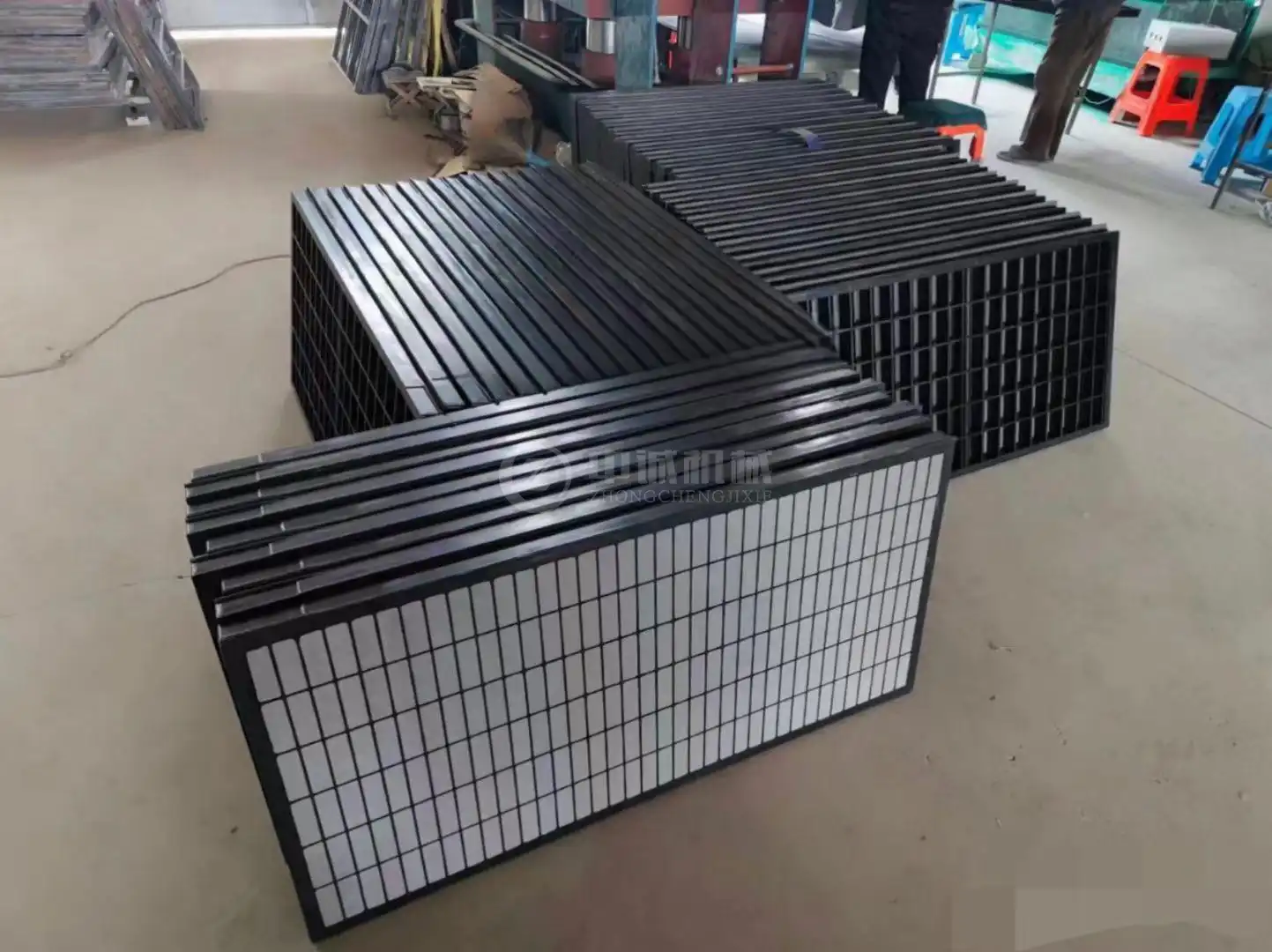
A Accessories/composite-frame-shaker-screen">Composite Frame Screen on a shale shaker separates the drilled chunks from the drilling fluid that can be used again. The multi-layer stainless steel mesh stays flat even when it's being shaken all the time thanks to the reinforced frame. This makes it good for jobs that need a lot of them. Little pieces and liquids move through the mesh. Bigger things move to the end, which lets them out. This keeps the mud clean and stops it from drying out. How do you make these screens? In what places do they work best? How do I pick them out and care for them? Before I buy a lot, what should I ask the supplier?
What Is a Composite Frame Screen for Drilling Fluid Separation?
Let's start with the basics so that from now on, every choice we make is based on what things really mean.
How Does the Screen Separate Cuttings From Fluid?
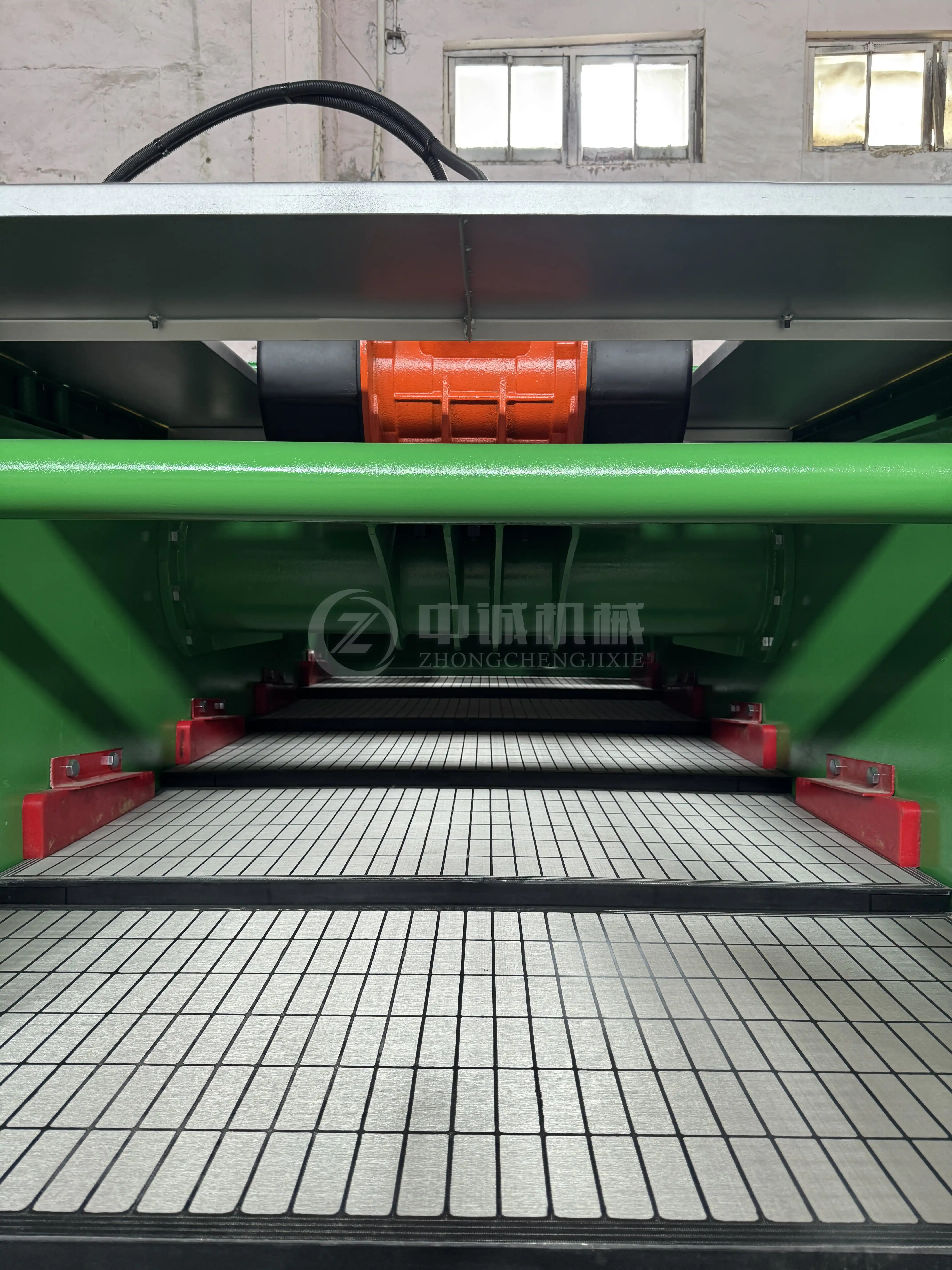
It comes back up from the well and runs on top of a deck that is shaking back and forth. Putting the screen on that deck is the first step in the solids control process. There is a lot of information about this job in the ASME Drilling Fluids Processing Handbook. A small amount of liquid or dust falls through the mesh holes and back into the working system. The bigger pieces stay on top and move toward the end. The mesh count, conductance, and cut point are the most important specs. The mesh count tells you how big the opening is, the conductance how easily fluid can pass through, and the cut point what size particles the screen gets rid of. Another name for these numbers is ISO 13501. API RP 13C is a common way to test and sign them.
Construction: Multi-Layer Mesh and Reinforced PU Frame
Our screen is made up of a stronger PU frame and a multi-layer stainless steel mesh. They are joined by moulding that is built in. This keeps the panel's structure stable even when it's shaking all the time. The structure doesn't bend when it's under a lot of stress because the frame makes it stiff and resistant to impact. Screens last longer and need to be changed less often because the mesh doesn't wear down and the joining is better. Flat Composite Frame Screens are what the panel is made for, which means it fits most shale breakers well.
Why the Corrugated Structure Matters?
The only shape a flat mesh can be used for is as a screen. Our structure is made up of bumps that move the mesh surface up and down. On a screen of the same size, this makes the filter area bigger. Moving things apart works better when there is a lot of flow because the fluid has more places to go. The shape also keeps the screen steady and clear. When pipes get clogged, fluids push to the edges and overflow, which can blind people who work with sticky mud and fine solids. Being made of mesh also helps the fluid flow well and bring back more of the drilling fluid.
Why Use Composite Frame Screens in High-Volume Drilling Operations?
Now, let us look at why this kind of panel is chosen for tough jobs by drilling teams.
Practical Benefits on the Rig
When a lot of holes are drilled, the whole shaker deck is loaded with heavy things. A Composite Frame Screen Has Four Advantages:
- When it's stressed out, the frame doesn't break or bend.
- Crews don't have to change panels as often since the mesh lasts longer and the joints are stronger.
- They are easier to move and store than metal frame screens because they are lighter.
- To stop corrosion, put something where there are a lot of chemicals and salt.
How long the service lasts will still depend on the feed rate, shaker settings, deck support, and how often you clean. I believe that the price of the panel should include the cost of labour, downtime, and mud loss.
Composite vs. Aluminum, Steel, and Wooden Frames
Each frame type has a place on a Composite Frame Screen, so compare them the same way. One-piece frames made of metal are strong, but they are heavy and can rust in places with a lot of chemicals or salt. There is no way to know for sure if aluminium frames are as good as composite frames at resisting damage and rust, even though they are lighter than steel frames. Drilling frames aren't good for screen printing because they can't handle rough objects, vibrations that won't stop, or adding a mechanical shaker. The mesh construction, working conditions, and shapes must all be the same for the test to be fair. You need to ask each provider for test results and field references in order to get them.
Onshore, Offshore, and Viscous Fluid Applications
Our screen works well for drilling both on land and at sea, especially for drilling fluids that are thick or solid. High-volume land rigs need to be able to move a lot of stuff, last a long time, and quickly switch out panels. They want things that are safe to handle in salty air, don't rust, and are light. It's important to have a corrugated design because thick mud sticks to the mesh and high solid returns load the deck quickly in both cases. Controlling materials is also important for projects that use gas, natural heat, mines, or build bases, so the same steps are used for selection. Compare the panel to your own mud and clothes.
How to Choose, Install, and Maintain Composite Frame Shaker Screens?
The first steps to good results are a good match and consistent care.
Matching the Screen to Your Shaker and Mud
Start by looking at the shaker's brand, model, type of deck, panel size, and mounting system. Our flat Composite Frame Screens will fit most shale shakers, but the seal will still be broken if you order the wrong size. Next, make sure that the mesh count fits the specific goal, the flow rate, and the size of the cuts. More small mesh isn't always better because it can get stuck or overflow with thick fluids or heavy flows. You should talk to your provider about the chemistry and the weather. The materials you need are set by your mud program. You can pick your own size and mesh count, so you can do what works best for you.
Installation and Routine Maintenance
Check the deck, rails, seals, clamps, and support points for damage or wear before putting up a panel. Make sure the screen is facing the right way and press it down evenly. Be careful not to bend or force the frame. During use, look over the deck often for torn mesh, frame cracks, delamination, holes that have been plugged, loose edges, and uneven wear. To clean the screens, only use the tools that your supplier says are okay. Rough tools can damage the mesh. You should write down how long each panel has been going, how fast it feeds, and how it shakes. You should get a new panel if you see any signs of leaks, tension loss, damage, or falling apart.
Troubleshooting Common Problems
There is a clear reason for almost every early failure. If the sizes aren't right, solids can get past the seal. The mesh is too heavy when the feed rate is too high. If you set the shaker incorrectly, it can cause the ride to be weak or cause extra wear. If you clean the frame too roughly, the deck will bend in different places, and the frame will bend unevenly. Check the mesh count and mud thickness to see if blindness shows up before you make any other changes. Check the seals and fasteners first if the edges start to leak. If there is wear in one spot, check the feed and deck support. If you're still not sure what's wrong, send pictures and running data to our expert team so they can look into it.
Procurement Guide: Buying in Bulk and Verifying Quality
Once you know what you need, how you buy it is also very important.
Building a Clear RFQ
When there is a clear RFQ for a Composite Frame Screen, things get done faster. Include the type of shaker, the size of the screen, how it will be mounted, the mesh that is needed, the type of mud, the flow rate, the amount of solids that will be loaded, the operating temperature, the quantity, the product's destination, how it will be packed, and any paperwork that is needed. Let's say you need custom development for old shakers, big panels, or mesh patterns that aren't found anywhere else. Don't just look at the factory price when you compare prices. You should also think about the duty, goods, inspection, service life, and chance of downtime. You should also ask about the guarantee's terms, wait times, and batch safety. If a seller asks more about your mud and shaker, it means they know what you plan to do with it.
Quality Verification and Field Trials
Inspect in the plant, check new items, and test in the field all at the same time. Check the general size, how it's attached, how sound the frame is, the name of the mesh, how flat it is, how much stress there is, the labels, the batch number, and the packaging when it gets there. Our Composite Frame Screen makes it through both API RP 13C and ISO 9001. Anyone you buy from should give you the same proof. Set acceptance standards based on samples, and for big projects, think about inspecting them before they are shipped. While running a test, you should write down the feed rate, mud properties, shaker settings, operating hours, solids loading, separation results, wear patterns, and leakage. Then you can look at the difference between the results and the way your screen is set up now.
Customization, Delivery, and Support from ZHONGCHENGJIXIE
ZHONGCHENGJIXIE is a company in Xianyang, Shaanxi, that makes things directly. For more than 30 years, they've been in business and have more than 12 patents to protect their goods. We get these screens from the plant itself, so you'll be dealing with the person who made them. Items that are in stock are usually sent out within three days, and items that are made to order take fifteen days. We can send goods all over the world thanks to our logistics partners and the fact that we can use the ports in Tianjin and Shanghai. As part of the professional help, there is training, paperwork, flowcharts, operation and upkeep guides, and a guarantee that lasts for one year. Our company has ISO 9001, ISO 14001, and ISO 18001 certificates.
Final Selection Checklist and Mistakes to Avoid
Before you sign a buy order, make sure these things are true.
Mistakes That Raise Downtime
Most of the problems are caused by a few mistakes. People only look at the price per unit, but repairs and downtime cost them more money in the long run. Their choice of a small mesh made the mud cover and overflow because they didn't check to see how thick it is. They believe that all Composite Frame Screens are created in the same way, even though the frame's material, support, and mesh connection can vary from one producer to the next. Because they don't check to see if the shaker and deck can work together, there are leaks and bad seals. They don't care about lead times, minimum order quantities, or emergencies, so in the middle of a project, they run out of supplies. It's cheap and keeps you from having to stop and ask about each point early on.
Recommended Screen Priorities by Application
Panels need to be able to handle a lot of work, not break down easily, be changed quickly, and always be on hand for large-scale land digging. Offshore rigs and rigs with limited space need to be light, rust-resistant, easy to store, and safe to work on. If your fluid is thick or has a lot of solids in it, you should think about how the larger filter area of a bent design will affect your current vision problems. If you need help with mounting and sizes for large-format or old shakers, we can do that. Having a regular plan for repairs is also helpful. Link each screen model to its shaker, how it works, and how it has been used in the past. Then, set up orders ahead of time so people don't have to rush to buy things.
Purchasing Checklist
There are a few things you should do before you sign off. For each question, they should give you a clear answer:
- Use and fit: Make sure the panel is meant to keep screen printing fluid away from drilling fluid. Then, match the shaker model, panel size, mounting method, flow, solids loading, mud chemical, working temperature, and separation goal with the supplier's plans and any examples you have. This way, you can find any mistakes in the size early, before a lot of them are made.
- When it comes to building and costs, it's important to think about the frame material, mesh design, tension stability, resistance, expected service life, and total cost. Ask the seller how the mesh is connected to the frame. When you compare prices, don't just look at the price of the panel. You should also think about how much it costs to hire people, have the machine stay down, lose mud, ship the mesh, and replace it.
- Before you place your order, make a list of the things you need, such as technical drawings, samples, test reports, quality records, certificates, and the warranty terms. You should test the app in the field first if it's important. Then, make sure you have a provider that can handle OEM, trade, and international orders, as well as service before and after the sale.
Conclusion
Inside a sturdy PU frame, a Composite Frame Screen has several layers of stainless steel mesh. That way, the drilling fluid and the chips stay separate. The curved shape makes it possible to filter a larger area, separate things more effectively, and keep the filter from getting clogged, which is especially important for thick, solid fluids. Like most metal frames, this one is stiffer, less likely to rust, and less likely to break when hit. It's also lighter. It will last longer and be easy to work with both on and offshore. To get the best results, you still need to pay attention to the shaker fit, mesh count, feed rate, mud chemistry, and fitting. Look at the total running cost, make sure that API RP 13C and ISO 9001 standards are met, check the quality when the goods arrive, and try panels in the field before making big orders. This is the best way for buyers to compare.
FAQ
What does a Composite Frame Screen do on a shale shaker?
A strong PU frame holds a stainless steel mesh with many layers. The mesh lets fluid and small solids pass through it. Bigger pieces move to the end that lets the fluid out. That keeps mud in the system that can be used.
Can it handle viscous or high-solid drilling fluid?
In fact, it can be used to screen thick, solid fluids on rigs both on and off the coast. The curved shape increases the filtering area and keeps it from getting clogged. Which shaker is used, the feed rate, and the grit that is used are still things that matter.
Can I order a custom mesh count or size?
Yes. You can pick the size and thread count. Send us your shaker model, panel size, and mud type, and our team will make sure it fits and give you advice on how to set it up.
Which standards does it meet?
API RP 13C and ISO 9001 both say that it is good. People who want to buy a lot of something should still look at test records and certificates first.
Request a Composite Frame Screen Quote from ZHONGCHENGJIXIE
Looking for a Composite Frame Screen supplier that builds to your shaker specifications? ZHONGCHENGJIXIE is a direct manufacturer with over 30 years of industry experience, a one-year warranty, 3-day shipment for stocked products, and 15-day delivery for customized orders. Send your shaker model, mesh count, and size to oliver@zcgukong.com, or visit zcsolidscontrol.com for details.
References
1. ISO 13501: Petroleum and Natural Gas Industries – Drilling Fluids – Processing Equipment Evaluation, 2011
2. Drilling Fluids Processing Handbook, ASME Shale Shaker Committee, 2005
3. Composition and Properties of Drilling and Completion Fluids, Darley and Gray, 1988
4. Fundamentals of Drilling Engineering, Mitchell and Miska, 2011
5. Applied Drilling Engineering, Bourgoyne et al., 1986
6. ISO 9001: Quality Management Systems – Requirements, 2015