Crews move drill bits from the shale shaker to the supply tank, store them, and then pick them up. The Cuttings Box keeps the cuttings from getting all over the place. There is enough room for the drilling plan, a marine-grade frame that is protected, and a way to move it that works with the crane and deck setup on the rig. This is the best choice. Read this guide if you are an oilfield service company, an EPC team, or a supplier. It will help you choose the right thing. What could go wrong? What are the features of the design? What do the rules say? How do I make a purchase? This is what ZHONGCHENGJIXIE gives you.
Why Secure Drill Cuttings Collection Matters on Offshore Rigs
Environmental Rules Set the Baseline
They can only let out a certain amount of water when they are at sea. The OSPAR Commission has said since 2000–2003 that cuttings that are tainted with organic-phase drilling fluids that contain more than 1% oil by weight can't be dumped in the Northeast Atlantic. The EPA is in charge of how much drilling waste and fluid is dumped into the ocean in the US. This is written in Part 435 of 40 CFR. A group called MARPOL makes rules to stop oil from polluting the environment. These settings work for platforms that are fixed and platforms that move. Because of this, people who work in this field use a zero-discharge method. So that they can be cared for, the cuttings are sent to land in containers that can't be opened. The seal needs to be checked as soon as the drilling starts. Any lift can turn into a spill if the container leaks. This needs to be reported.
Offshore Conditions Raise the Stakes
Everything has to fit, stack, and move in a way that can be planned ahead of time because the deck is small. Steel can be broken by salt spray, and weak locks can be broken by shocks. It moves a crane from one platform to another. Heavy things are put on the pulling points over and over again. In bad weather, ships might not come as quickly, so big containers may stay on deck longer than planned. It's harder to fix a leak when there is drilling fluid on the ground. Not regular bins will work if you want to cut down trees off the coast. You need marine-grade building.
Weak Storage Costs More Than It Saves
Cheap containers often break where they open, close, or lock. You still need to clean up and send reports to the government. You also have time to wait for the rig in case something goes wrong. Even a short break can cost more than the difference in price between a simple container and a well-built one because rig time is expensive. Another box used for geological logging does the same thing as this one. It must be fixed if a box doesn't have a name or if the width gaps are jumbled. In this case, the record of the digging is not as honest. If someone wants to buy something, they should check out more than just the price.
What a Cuttings Box Is and How It Works
Definition and Role in Drilling Waste Management
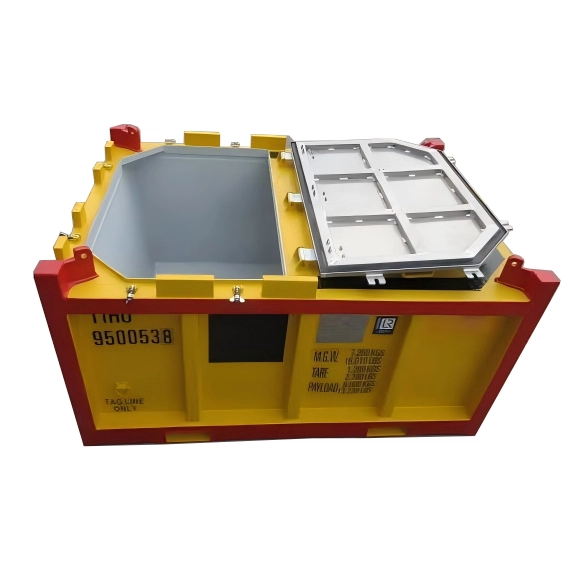
A Cuttings Box is needed to move, store, and pick up dirty mud, drill bits, and other cutting waste. People put things in the dust-control equipment when it's not in use. After that, they put the lid back on and move it to a truck or tanker. Things are either put back together or thrown away at the shore stop. People in this area also look for things by typing in "cuttings skip," "cuttings containment box," and "drilling waste container." But they're not just for that. By how deep they are, they are used to keep track of rock samples. This piece is mostly about the bigger trash cans with lids.
Sealed Structure and Dual Handling Modes
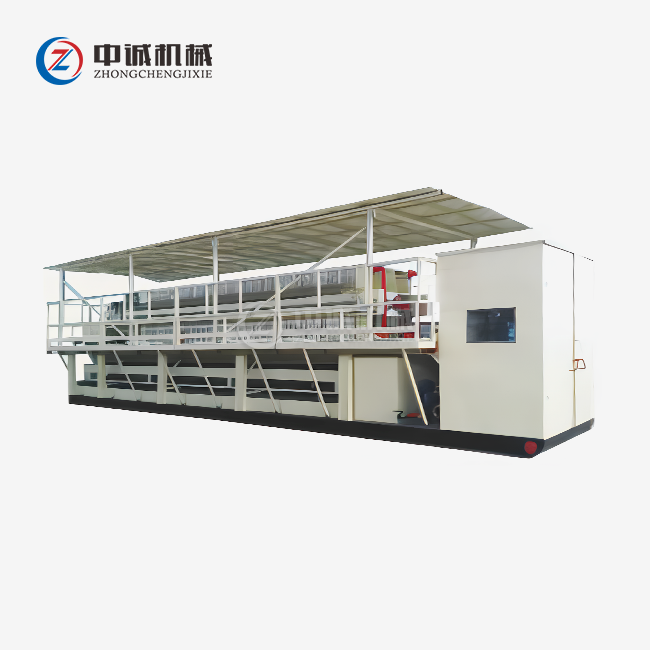
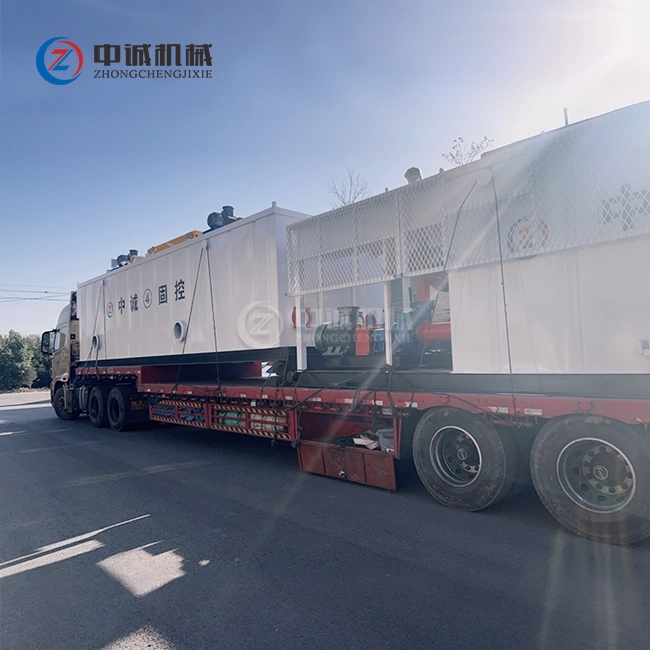
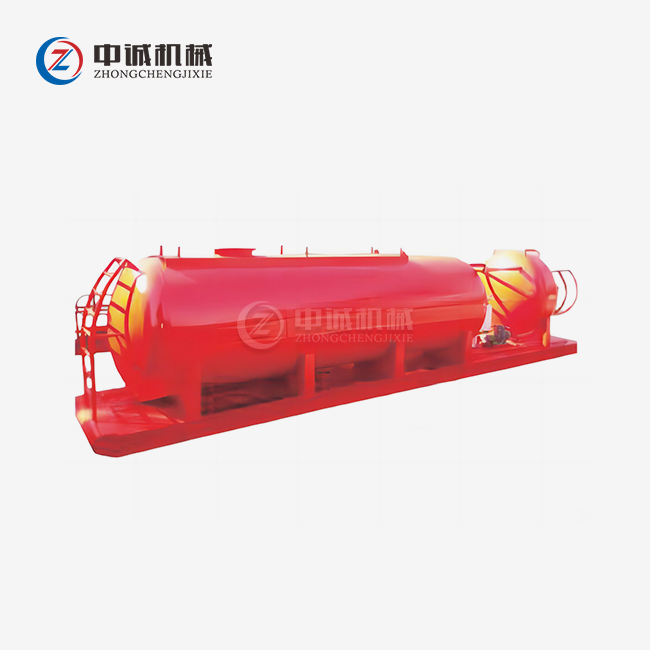
The Cuttings Box that comes with it has a lid that keeps drilling waste safe and lets you move it to other places. It doesn't leak or hurt the ground because it is marine-grade protected. The unit can be moved in two ways, as long as the space allows it. We can change the amount so that the box fits the length and width of the deck, the weight of the crane, and the daily number of cuts. The structure is simpler to keep up, clean, and move because it looks more like a person. This cuts down on the time between lifts. Before you place your order, please make sure that the picture shows the exact plan for how to handle it.
Compatibility with Solid Control Systems
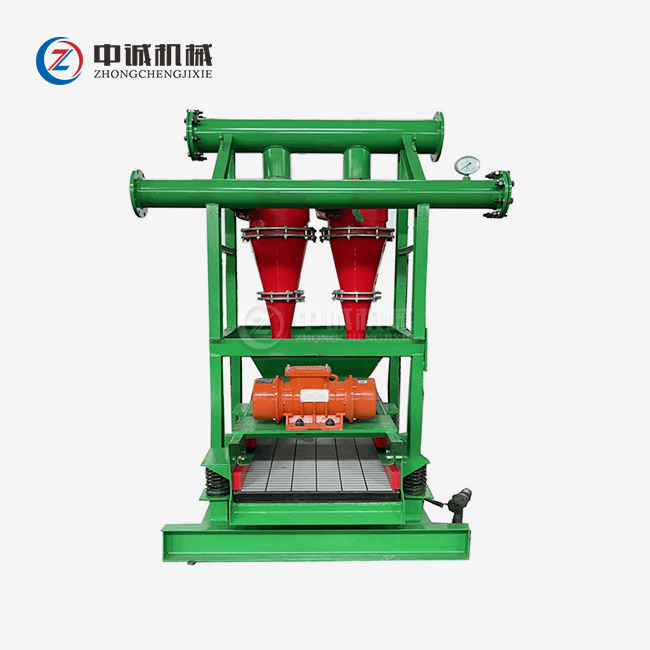
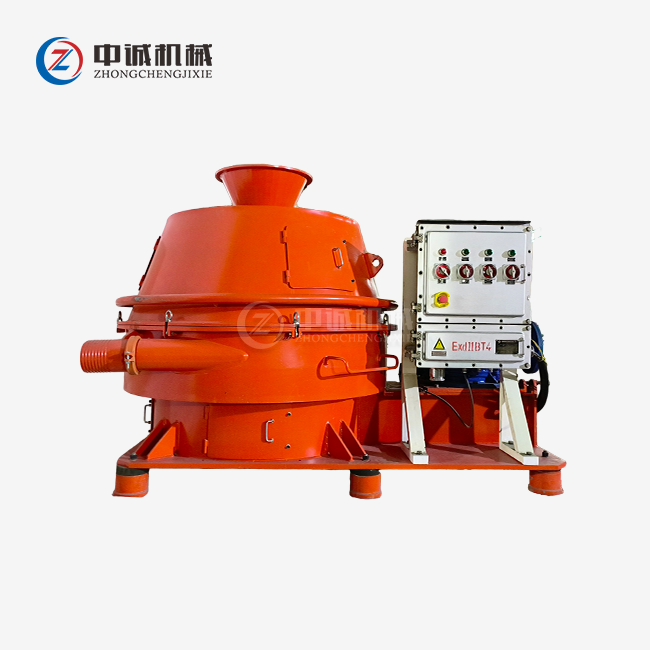
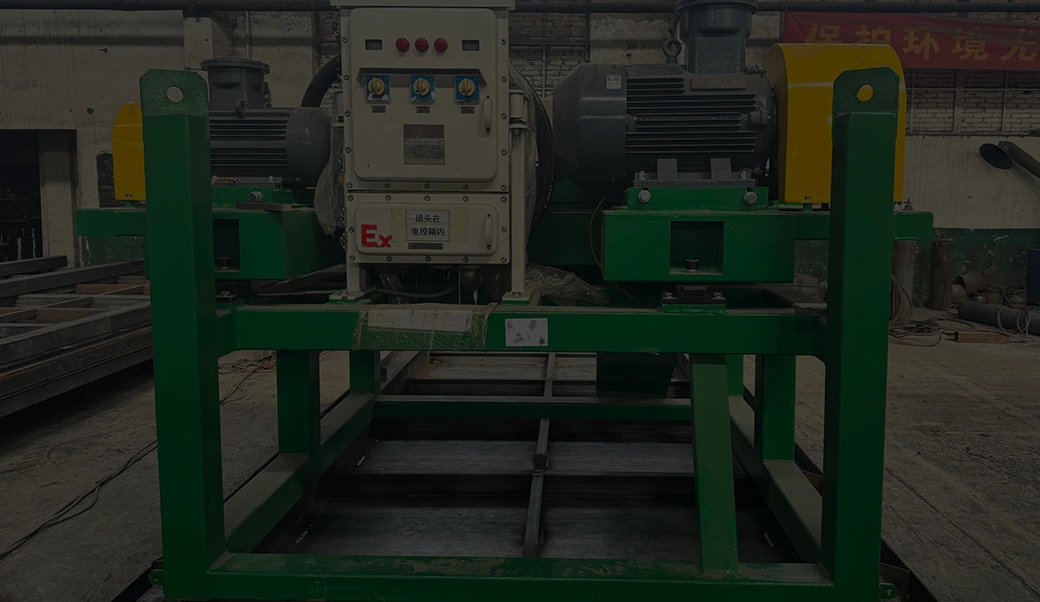
It works best when the box is only a small part of a full drilling waste line. As part of our stable control systems, we have rock shakers, centrifuges, and systems that keep mud from falling. They work well with our Cuttings Box, so you can safely get rid of drilling waste. Each unit is easy and quick to fill when the starting point, the moving parts, and the height of the bottle are all in the right place. If the container and the tools used to control solids are made by the same company, there is less chance that something will go wrong when they meet.
Design, Material, and Capacity Choices
Wear and Corrosion Resistance
The drilling waste is rough, and the air at sea is salty. A strong box is made of long-lasting materials and has a finish that will keep it safe at sea. A lot of steel buildings in the oceans use the ISO 12944 corrosivity categories. The C5–M line includes these kinds of ocean spots that get a lot of sun. Tell each service how they'll check the film, how thick it will be, and how they'll cover it. Even if drilling mud and other drill bits break them, our units are built to last a long time. Things don't need to be painted or fixed as often because of this.
Choosing Volume and Dimensions
How many cuts are made every day? How often does the ship come? How much weight can the crane move? The standard values are between 2.7 and 3.0 cubic meters, and they can be found on field data sheets. For a rig with a small deck or that digs a lot, though, it might need a different size. We should get your deck plan, the grade of the lifting gear, and the number of cuts you expect all at the same time. We can change the amount that way. Look at the outside to see how it fits on the deck and how it can be stacked. Then look inside to see how much space it needs. Also, know how to stack a full box differently from an empty box.
Steel, Plastic, or Cardboard, and Total Cost
You can store tests of rocks and soil in either cardboard or plastic boxes. It's not heavy and doesn't get wet fast. It's dry and won't last long. For big pieces of drilling waste, you need a safe metal frame that can hold a lot of crane lifts. Think about how much each one will cost over its whole life before you decide. This includes things like shipping, the chance of having to shut down, painting, cleaning, changing seals, and so on. How many times a year should you check the seals? When oil-based muds are present, they wear out faster. Buying a machine that can be used more than once costs more, but the price is spread out over many runs. When the lifting tool is used a lot, it lasts longer and costs less per trip.
Standards, Quality Checks, and Certifications
Offshore Container Standards
The rules cover crates that move from a platform in the ocean to a ship. ISO 10855, EN 12079, and DNV 2.7-1 are names you may have heard of. They talk about how to make plans, build, test, and name packages that will be sent to other countries. The area, the rulers, and the person in charge all make the rules that everyone must follow. What rules does the plan follow? That sounds like something you should ask each provider. Who is going to see the tests? The written answer should be added to the technical papers and the purchase order. This is important because it lets you know if your base is strong enough to throw the box into the water.
Inspection Items to Request
Before starting the review, make sure you know how it will work. Ocean containers' main structural welds can often be checked without any damage. The finished body also goes through proof load and leak tests to see how thick the coating is and how well it sticks. There is also proof that the steel plate is made of steel. The list should have rules, since not every project needs every test. After that, the people working on the fix can look at the records and see if they match up with records from earlier checks. Ask that the records be sent along with the package. How often lifting equipment needs to be checked is decided by the people who approve it.
ZHONGCHENGJIXIE Certifications and Experience
We have ISO 9001, ISO 14001, and ISO 45001 marks on the ways we run our business. Things we sell have BV, TÜV, and HSE marks on them. We have over 12 patents and have worked in this field for over 30 years. Our factory is in Xingping, Shaanxi, and that's also where we send our goods. It's 6,300 square meters and has been open since 2015. After you buy something, you can talk to the person who made it. When you start your professional study, I think you should ask for certificates that are up to date.
Applications, Customization, and Deployment
Where a Cuttings Box Fits
The shale shaker is linked to the supply ship by boxes in the water. At many good places to drill by the sea, this is used to move drilling waste and keep it safe. We sell to people who drill for natural gas and geothermal energy, as well as to oilfield service companies and EPC contractors. For these groups to work together, they need strong control packages that can talk to each other. Based on the amount of trash, the size of the room, and the crane's weight limits, each job needs a different unit. It costs less to make changes before sending if the box fits the site.
Customization and the RFQ
We're great at making structures that fit your needs perfectly. The review goes faster if the RFQ is clear. Please add these three types of information:
- What kind of rig or platform it is, how big the deck is, how strong the crane is, and what kind of ship or truck can carry it. Because of these, the biggest size and weight can't get bigger. They also tell our experts how to best deal with you based on how often you lift and how dangerous it is.
- What kind of grout did they use? How often does someone take out the trash? How many cuts are made every day? They both have a say in how the box closes and how simple it is to clean. This way, the box is made to fit the job, not a size that was picked at random.
- You need to write down where the certificate is going, how big it is, and what kind of certificate you need. We can give your master team drawings, a plan for how to set up the parts, and a release date. This way, they have everything they need.
Before we start making things, they help us look over the plans, written instructions, and wait times.
Deployment Plan and Delivery
Before they are sent out, find out how many boxes, extra parts, moving tools, and crew training there are. Someone should check the lids, seals, and lifting points before each lift while drilling. Write down what's in each box and what it's called as well. Make sure that the number of boxes on the list fits the number of boxes on the ship before the ship stops. Check and clean each unit when the job is done, and write down any broken covers. It takes fifteen days to make something just for you and three days to ship things that are already in stock. Ships from all over the world can use the ports in Tianjin and Shanghai. We also offer training, models, flowcharts, directions on how to use and maintain the equipment, and a warranty that lasts for one year.
Conclusion
Even so, a Cuttings Box keeps things safe at sea by stopping drill bits and dirty mud from getting from the shaker release point to the base on land. There were rules about how much water could be let out, how much space there was on the deck, how much salt there was, and how often the crane had to be raised. So it wouldn't rust or break down, the building had to be marine-grade sealed. It had to be strong enough for the drilling plan and easy to move. To store a lot of trash, use metal bins with lids. Make sure the boxes are made of plastic or cardboard. That's possible with standards like DNV 2.7-1, EN 12079, and ISO 10855. Also, checks for leaks, welds, loads, and seals should be made. Having a clear definition, a plan for rollout, and an outline of all costs can help cut down on leaks, rework, and downtime.
FAQ
How long does a customized Cuttings Box take to produce?
Things that are made just for you take 15 days to make, and things that are ready to ship only 3 days. Look at the most recent picture you took and the time you planned to use it.
Is a Cuttings Box leak-proof?
As long as the lid, seals, and locks are in good shape, it won't leak. Before each lift, check the covers and fix any that are broken.
Can the volume be customized?
Yes. Change its size and shape to fit your deck, your crane's weight, and the number of cuts you make every day.
Which certifications support your products?
9001, 14001, and 45001 have all said that our methods are good. Also, HSE, TÜV, and BV have said that our goods are safe. At the end of the deal, make sure you get the papers.
Can the box work with my existing solid control equipment?
Yes. Dealing with it in strong ways works well. We'll make sure it fits if you send us a list of your tools and how tall they are.
Request a Cuttings Box Solution for Your Offshore Rig
Send your deck layout, crane rating, and daily cuttings volume to ZHONGCHENGJIXIE at oliver@zcgukong.com, and our engineers will review your Cuttings Box requirements. As a direct Cuttings Box manufacturer with 30+ years of industry experience, certified management systems, factory supply, and support from drawings to training, we help you build a sealed, durable setup. Visit zcsolidscontrol.com for product details.
References
1. OSPAR Commission, OSPAR Decision 2000/3 on the Use of Organic-Phase Drilling Fluids (OPF) and the Discharge of OPF-Contaminated Cuttings, 2000
2. International Maritime Organization, MARPOL Consolidated Edition, 2022
3. U.S. Environmental Protection Agency, Oil and Gas Extraction Point Source Category Effluent Guidelines, 40 CFR Part 435, 2023
4. DNV, Standard for Certification 2.7-1: Offshore Containers, 2013
5. International Organization for Standardization, ISO 10855-1: Offshore Containers and Associated Lifting Sets, Part 1: Design, Manufacture and Marking of Offshore Containers, 2018
6. International Organization for Standardization, ISO 12944-2: Paints and Varnishes, Corrosion Protection of Steel Structures by Protective Paint Systems, Part 2: Classification of Environments, 2017