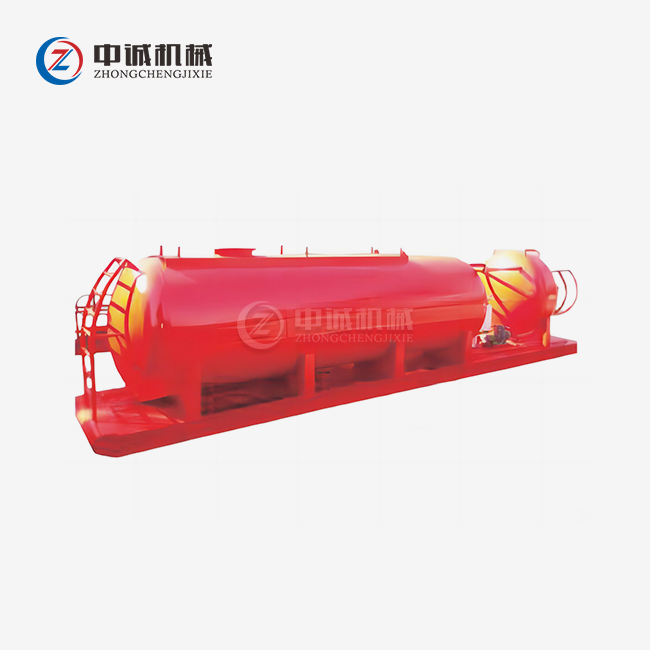
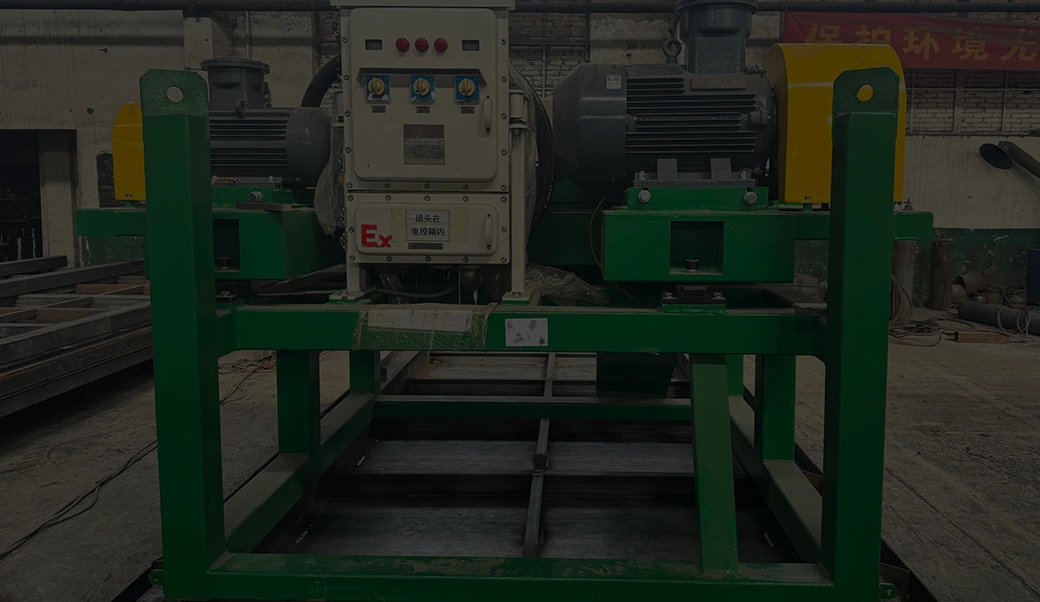
A Mud Circulation Tank is the structural and functional foundation of any drilling rig's solids control system. It serves as a high-capacity, multi-compartmented steel vessel that stores, conditions, and recirculates drilling fluids throughout the entire drilling cycle. By creating dedicated zones for sedimentation, chemical mixing, and degasification, it keeps mud rheological properties stable while reducing fluid loss and waste disposal costs. For oilfield operators, drilling contractors, and geothermal exploration companies, choosing the right drilling fluid storage and circulation solution directly affects rig uptime, fluid costs, and environmental compliance.
Understanding Mud Circulation Tanks: Functionality and Benefits
How the Fluid Cycle Works
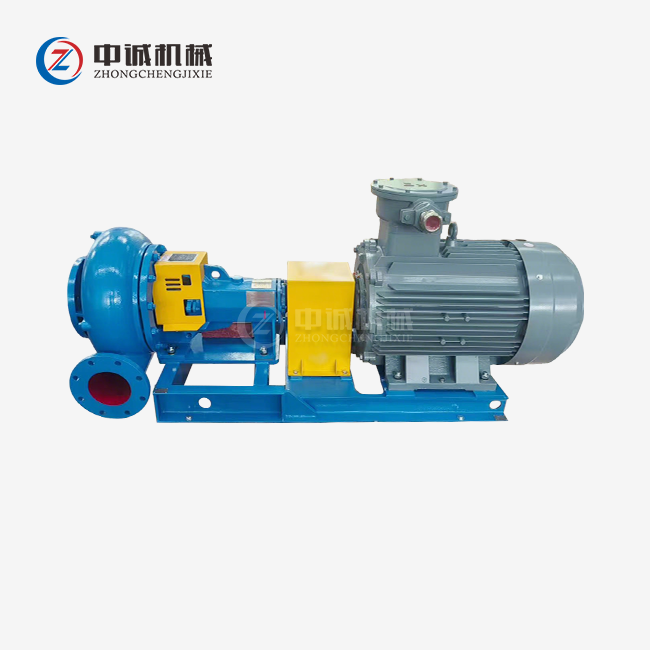
The drilling fluid carries drill bits, gas, and sand from the wellbore to the surface. The Mud Circulation Tank system receives this fluid that has been returned and moves it through a set of functional compartments that are separated by baffles. These compartments are the circulating tank, the mixing tank, the settling tank, and the storage tank. Mud agitators, mud guns, and sand pumps all work together to move fluid between zones. This lets cuttings be removed, and the fluid is chemically reconditioned before it goes back downhole.
Operators who are good at managing the return of fluids say they save a lot of money. The International Association of Drilling Contractors (IADC) says that the cost of drilling fluid can make up 10 to 15% of the total cost of a well. That number is cut in half by reusing conditioned mud in a good circulation system. The benefits go beyond the price:
- Stable mud performance: Viscosity and density stay the same thanks to active stirring and zoned compartments, which lowers the risk of wellbore instability.
- Reduced fluid consumption: Closed-loop circulation recovers usable mud that would have been thrown away otherwise, which lowers the cost of materials per well.
- Lower environmental impact: A tank structure that is completely sealed stops mud from leaking into the soil or water around it, which helps with HSE compliance on sensitive drilling sites.
- Minimized downtime: Integrated systems with matched agitators, valves, and pipes cut down on equipment mismatches that stop production.
The main problem that procurement managers and drilling engineers have to deal with every day is keeping operations going without cost increases or environmental problems that come up out of the blue.
Capacity Planning and Safety Design
The Mud Circulation Tank's capacity should be at least 1.5 to 2 times the total wellbore volume to allow enough time for fluid treatment to happen. The ZC Mud Circulation Tank from ZHONGCHENGJIXIE is made up of separate modules that are put together in a way that creates zones. It can fit rigs from ZJ20 to ZJ90. As normal safety features, non-slip paths, guardrails, and explosion-proof parts are built in to make sure that the rig crew is always safe while they work.
Comparing
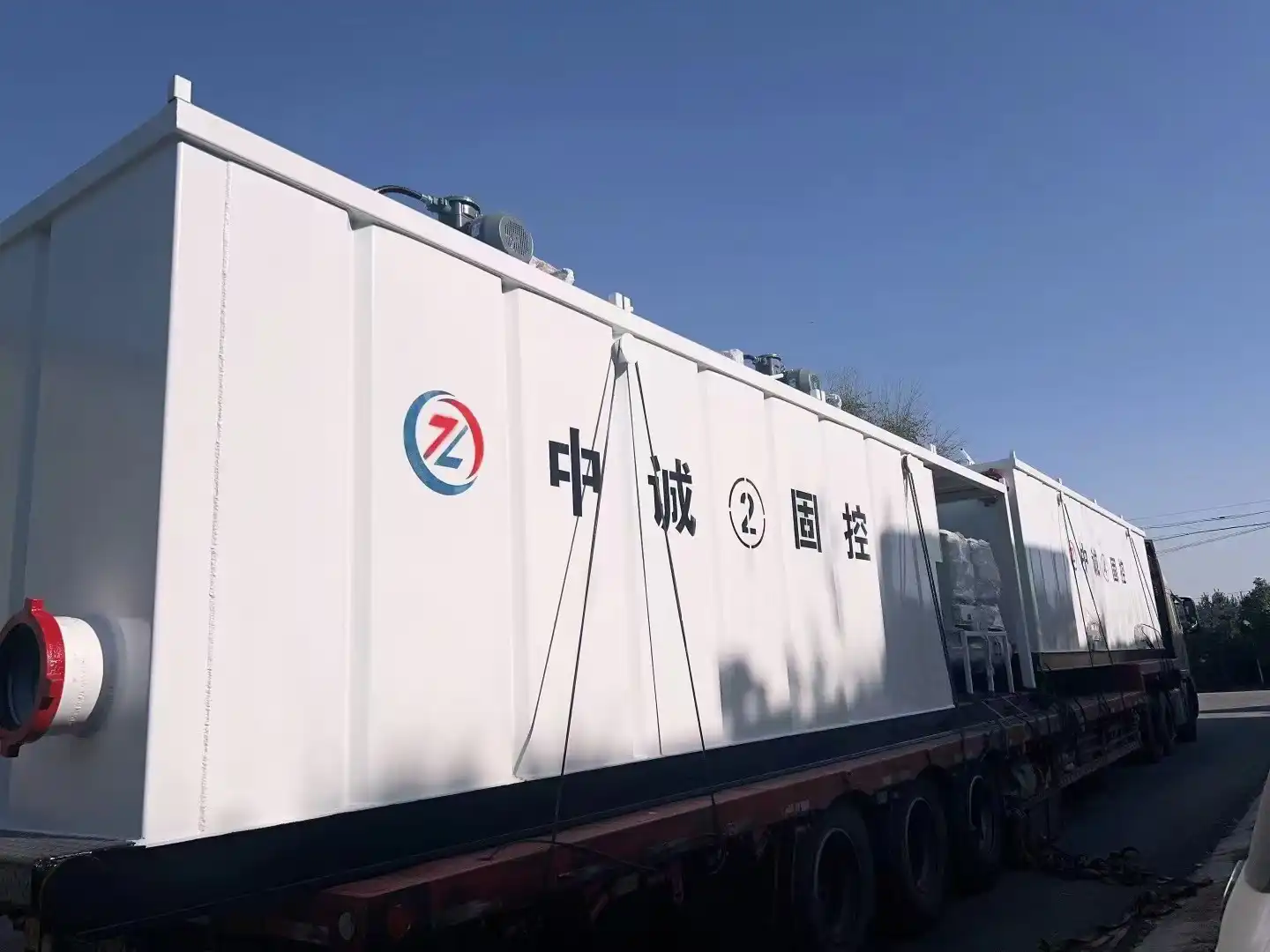
with Alternative Solutions
Mud Tank vs. Shale Shaker Systems
Using rotating screens, a shale shaker gets rid of large solids from the pumping fluid that is returned. While it is the first step in mechanical separation, it does not store or change the fluid. The Mud Circulation Tank takes in fluid that has been handled by the shaker and does the work further down the line, like adding chemicals, weighing, and storing it. These two pieces of equipment work well together and cannot be switched out for each other. Operators who don't pay attention to how the tanks are built often find that fluid that has been treated with a shaker still has fine solids in it that build up and make the pumps work less well.
Mud Tank vs. Standalone Mud Agitators
Mud agitators keep sediment from building up in a tank, but they are not a full fluid management system by themselves. Professional stirring devices are built into the ZC Mud Circulation Tank instead of being added on as extras. This means that the anti-sedimentation function is perfectly matched to the tank's section shape and fluid volume from the start.
Key Selection Criteria for Procurement Teams
When procurement managers look at different drilling fluid tank options, they should think about the following:
- Material quality: For offshore uses, anti-corrosion coatings with a dry film thickness of 250–300 microns are needed because of the high concentration of mud and corrosive media.
- Structural integrity: Weld seams on load-bearing joints should pass ultrasonic or radiographic non-destructive testing (NDT) before delivery to make sure the structure is sound.
- System compatibility: The Mud Circulation Tank must be able to connect to centrifuges, shale shakers, desanders, and desilters without the need for special connections.
Integration risk is greatly reduced when you choose a Mud Circulation Tank provider that makes the whole solids control line, not just tanks.
Procurement Guide: How to Source Mud Circulation Tanks for Your Drilling Projects?
Evaluating Manufacturers and Certifications
Before you buy a Mud Circulation Tank, make sure that the company that made it has up-to-date ISO 9001, ISO 14001, and ISO 45001 certifications. The approvals of BV, TÜV, and HSE groups by a third party give foreign projects even more security. Since 2019, ZHONGCHENGJIXIE has had these licenses. Its 6,300-square-meter factory in Shaanxi Province, China, makes up to 200 full Mud Circulation Tank systems every year.
Pricing, Lead Times, and Logistics
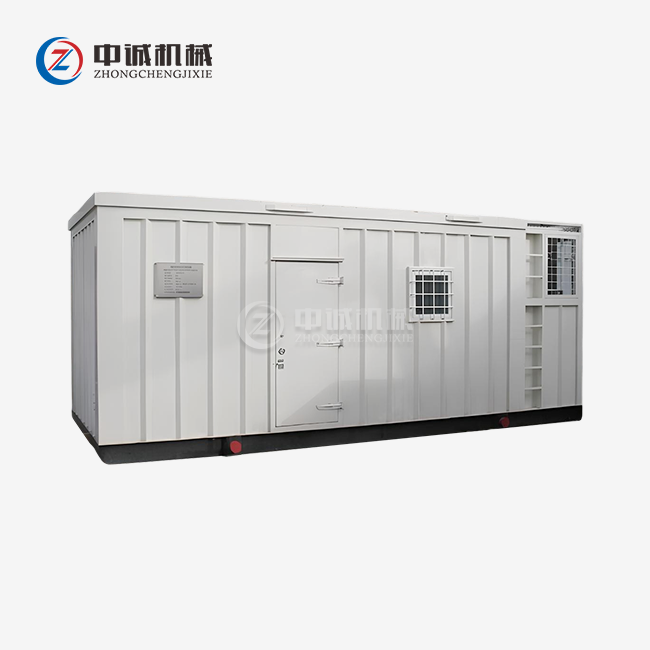
Standard parts that are in stock ship within 3 days. Customized orders, which include changing the size of the tank, the shape of the compartments, or the way the motors are set up, usually ship within 15 days. The plant is close to the ports of Tianjin and Shanghai, which makes shipping goods by water to North America and other countries easy. All Mud Circulation Tanks are packed according to standard export guidelines and come with full technical paperwork, such as operation instructions, engineering drawings, flowcharts, and diagrams of all the parts.
Warranty, Spare Parts, and After-Sales Support
The warranty lasts for one year. Long-term spare parts stock includes parts for agitators, valves, flanges, and seals. The service team at ZHONGCHENGJIXIE helps with installation, testing, and teaching operators on-site. This is very helpful for EPC contractors who need full project execution support from a single provider.
Maintenance, Troubleshooting, and Safety Measures for Optimal Tank Performance
Routine Maintenance Practices
Every 12 months, you should look at the internal coating with a flashlight. Every 3 to 5 years, depending on how rough the mud is, you should do a full coating touch-up. Every time the rig moves, the pipeline valves and seals should be checked. Because the ZC Mud Circulation Tank is made up of separate modules, each section can be cleaned without having to turn off the whole system.
Common Problems and Practical Solutions
When field teams work with Mud Circulation Tank systems, they always run into the same set of problems. If you take care of them right away, small troubles won't turn into expensive shutdowns:
- Sediment accumulation: For sediment buildup, turn on the mud guns and speed up the stirrer. Sloped section floors in the ZC Mud Circulation Tank move objects toward the point where they can be sucked up.
- Leakage: If there is leakage, check the weld joints and repair the seals. The ZC line's fully sealed tank structure is tested for 48 hours to make sure it doesn't let water in.
- Pipeline blockage: Clean the lines and look for dirt on the valve seats. This risk is greatly reduced by cleaning after each well on a regular plan.
Taking care of these problems early on protects equipment further down the line, like sand pumps and centrifuges, that wear out quickly when they come into contact with solids that aren't settled down.
Safety and Environmental Compliance
As standard, all ZC Mud Circulation Tanks come with non-slip decks, safety rails, and electrical parts that can't explode. Following HSE rules and international safety standards is important for protecting both people and the environment. This is becoming more and more of a contractual requirement for drilling projects in the U.S. and other countries.
Future Trends and Technological Innovations in Mud Circulation Tank Solutions
Smart Monitoring and Automation Integration
More and more, Mud Circulation Tanks with sensors that give real-time information on fluid density, temperature, and stirrer function are being used in the field. These systems connect to digital platforms for managing drilling, which lets drilling engineers change the properties of the mud from afar and find problems before they affect the wellbore.
Environmental Sustainability and Fluid Reuse
Operators are moving toward zero-discharge drilling programs because of pressure from regulators in the U.S. and around the world. Closed-loop fluid reuse is easier to do on both onshore and offshore sites with new Mud Circulation Tanks that have better sealed frames and waste separation units built right in. The carbon footprint of mud management operations can also be cut down by using motors for agitators and pumps that use less energy.
Procurement Alignment with Emerging Standards
Suppliers who put money into research and development and keep their foreign certifications up to date will be better able to meet changing API and ISO standards for drilling fluid tools. When standards change, buyers who build long-term ties with suppliers can get updated product configurations and tech help early.
Conclusion
A well-designed and well-kept drilling fluid circulation system protects the integrity of the well, lowers operating costs, and ensures environmental compliance. When it comes to capacity, structural sturdiness, system integration, and regulatory compliance, the ZC Mud Circulation Tank meets all of these needs. This makes it a good choice for drilling workers, oilfield service companies, and EPC project teams working on rig classes from ZJ20 to ZJ90. It works reliably from the first mobilization to the end of the well thanks to its flexible design, zero-leakage construction, and full expert support.

FAQ
How do I calculate the right tank capacity for my rig?
The Mud Circulation Tank should be able to hold 1.5 to 2 times the total volume of the wellbore. This gives the system enough time to remove the solids and prepare the chemicals before the fluid goes back into the system. Based on your rig class and well depth, ZHONGCHENGJIXIE's engineering team can figure out the recommended volume.
Can the tank handle arctic or extreme-temperature conditions?
Yes. The design of the Mud Circulation Tank can include steam heating coils and thermal insulation layers to keep the fluid from freezing and the parts working in temperatures below zero.
What NDT tests are performed before shipment?
Ultrasonic or X-ray tests are done on all important joint seams. After the Mud Circulation Tanks are finished, they are filled with water and left for 48 hours to make sure there are no leaks or deformations under hydraulic pressure.
How long does installation take on a typical rig site?
Compared to site-welded options, the modularly assembled structure cuts down on the time needed for installation and commissioning by a large amount. With ZHONGCHENGJIXIE's on-site technical team, most common setups can be set up in just a few days.
What spare parts should I keep on hand?
Most of the regular maintenance work that needs to be done is done on valves, flanges, agitator seals, and pump suction screens. The company ZHONGCHENGJIXIE keeps extra parts on hand and can quickly ship parts to other countries.
Partner with ZHONGCHENGJIXIE for Your Next Mud Circulation Tank Project
ZHONGCHENGJIXIE has been making products for over 30 years and offers certified, field-tested Mud Circulation Tank solutions. We are a direct manufacturer of Mud Circulation Tanks and have ISO, BV, TÜV, and HSE approvals. Our modular systems are compatible with ZJ20–ZJ90 rigs, and in-stock items ship within 3 days. Visit zcsolidscontrol.com or email our tech team at oliver@zcgukong.com to talk about your project needs and get a unique configuration estimate.
References
1. International Association of Drilling Contractors (IADC). Drilling Manual, 12th Edition. IADC, 2015.
2. Bourgoyne, A.T., Millheim, K.K., Chenevert, M.E., & Young, F.S. Applied Drilling Engineering. Society of Petroleum Engineers, 1986.
3. American Petroleum Institute. API Recommended Practice 13C: Drilling Fluids Processing Equipment. API, 2010.
4. Caenn, R., Darley, H.C.H., & Gray, G.R. Composition and Properties of Drilling and Completion Fluids, 7th Edition. Gulf Professional Publishing, 2017.
5. Mitchell, R.F., & Miska, S.Z. Fundamentals of Drilling Engineering. Society of Petroleum Engineers, 2011.
6. U.S. Environmental Protection Agency. Environmental Impacts of Drilling Fluids and Drill Cuttings from Onshore Oil and Gas Exploration. EPA Office of Research and Development, 2000.