Choosing the right diesel tank capacity for remote heavy equipment operations directly determines whether your drilling rig, generator, or excavator keeps running without interruption. At remote sites—oilfields, mining zones, or geothermal exploration areas—fuel supply disruptions translate into expensive downtime. A properly sized diesel tank stores enough fuel to bridge resupply gaps while avoiding the cost penalties of oversizing. Based on field data, heavy equipment engines typically consume between 3 and 15 gallons per hour. For most remote operations, storage capacity ranging from 5m³ to 50m³ covers daily and weekly fuel demand reliably.
Understanding Diesel Tank Capacity and Its Impact on Heavy Equipment Operations
What "Tank Capacity" Actually Means in Field Operations?
The total amount of fuel that a holding box can hold is called its tank capacity. This can be expressed in gallons, liters, or cubic meters. For big machinery in remote areas, this number must match the total hourly consumption of all machines that are running. Under pressure, a single diesel-powered drilling rig motor can use 8–12 gallons of oil per hour. This means that a 24-hour work cycle needs about 192–288 gallons of oil from storage before it can be refilled.
How Equipment Type and Workload Affect Fuel Burn Rate?
Different types of equipment use very different amounts of fuel. When they are at full capacity, crawler cranes and rotary drilling rigs use a lot more fuel than light utility cars or backup generators. Conditions in the environment are also important. For example, cold weather makes fuel thicker and takes longer for engines to warm up, which increases usage by 10–20%. When deciding how much fuel to store, procurement managers and drilling engineers need to look at both normal and peak usage rates.
Risks of Incorrect Tank Sizing
When a fuel tank is too small, it shuts down without warning. In a remote oilfield where resupply trucks have trouble getting to the site, even a 6-hour fuel gap can stop drilling and cause expensive standby charges. Oversizing may seem safe, but it wastes money and raises the risk of fuel degradation—diesel that is kept for more than 6–12 months without being treated gets microbial infection and sediment. Matching the size of the tank to how much it will actually be used saves both operations and the budget.
Key Considerations When Choosing Diesel Tank Capacity for Remote Heavy Equipment
Estimating Daily and Weekly Fuel Requirements
First, write down how much fuel each piece of equipment on the job site is supposed to use. Most makers list this information in liters or gallons per hour. Multiply the hourly usage by the number of working hours, and then add 15–20% to account for high loads and downtime. A 20–30 m³ storage tank is a good starting point for a site that runs three big diesel machines for 20 hours a day. This means that the site may need more than 15,000 liters of fuel every week.
Site Accessibility, Climate, and Regulatory Factors
Remote locations in dry deserts, the Arctic tundra, or hilly areas make it hard to store fuel in certain Diesel Tank configurations. Restocking may only be possible once a week or less if roads are blocked, which directly affects the minimum tank capacity. Extreme temperatures change how well both fuel and tank materials work. In the US, EPA Spill Prevention, Control, and Countermeasure (SPCC) rules say that above-ground fuel storage tanks that hold more than 1,320 gallons must have secondary containment. This is an important compliance factor that affects both the form of the tank and where it is placed.
Portable vs. Stationary Tank Designs for Remote Applications
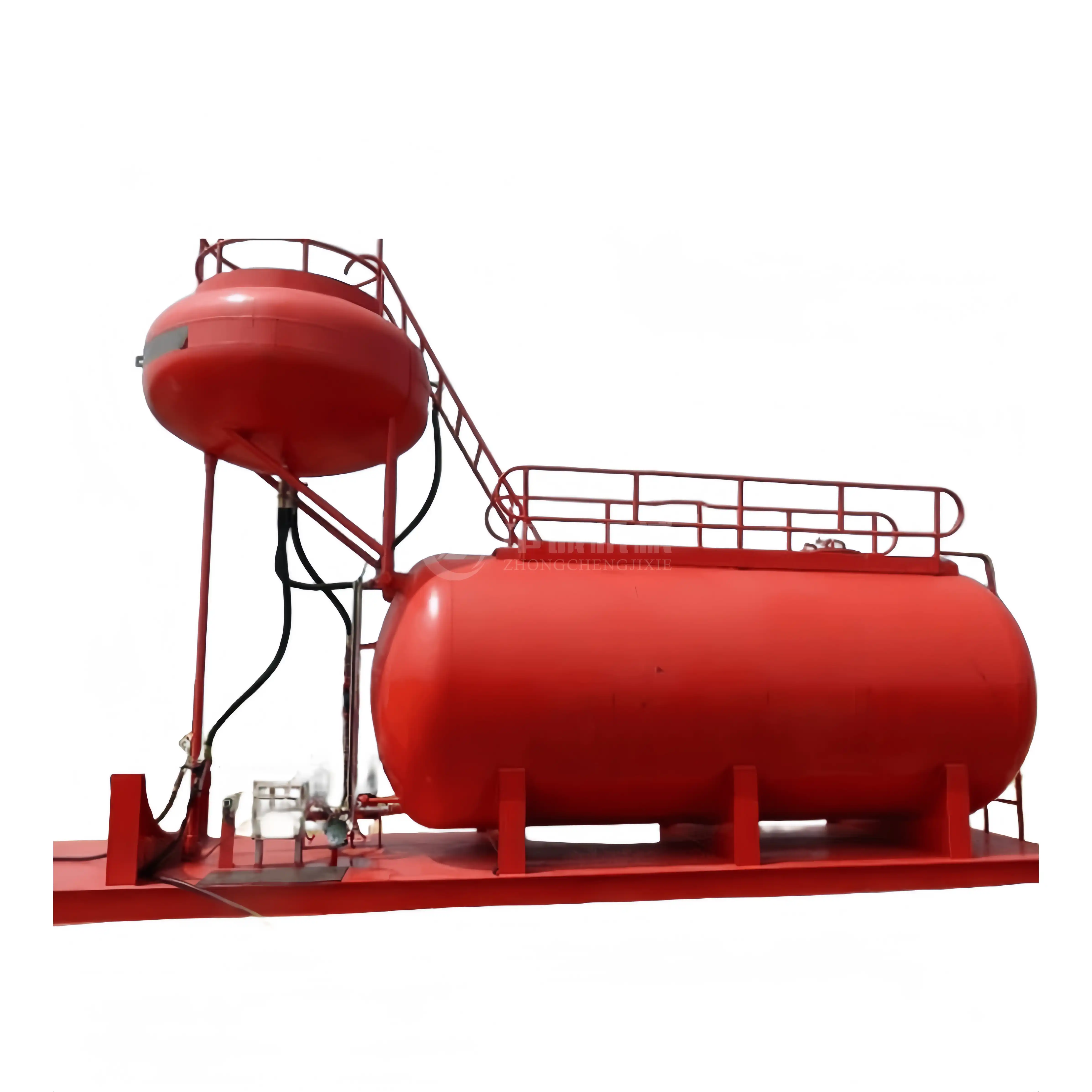
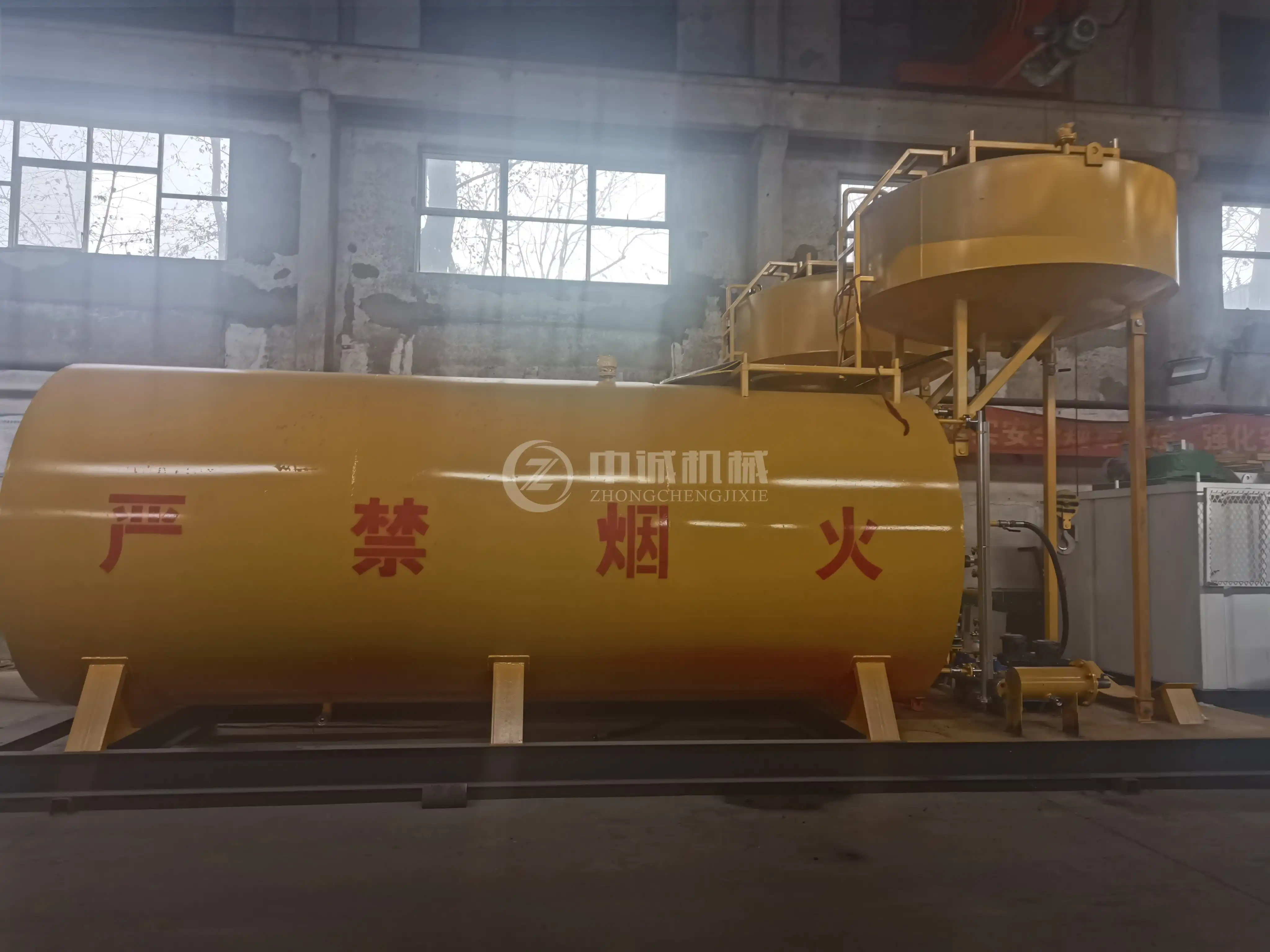
Portable fuel tanks on skids make it easy to move drilling operations from one well site to another. Stationary fixed tanks work well for long-term projects where the size of the place stays the same. Skid-mounted units with forklift channels and built-in pumping systems are the best choice for oilfield work where rigs move every 30 to 90 days because they are mobile and have a lot of space. Options for insulated tanks protect fuel quality even more in the high temperatures that are common in the summers in the Permian Basin and the winters in Alaska.
Optimizing Diesel Tank Capacity Through Effective Maintenance and Safety Practices
Routine Inspection and Cleaning Protocols
The life of a fuel tank depends on how often it is inspected from the inside, ideally every six months at active remote sites. Operators should drain any water that has built up in the tank sump. Water gets in through condensation during thermal cycling, which helps bacteria grow and lowers the quality of the diesel. An easy way to do this is with a bottom-drain gunk valve. External weld cracks and fittings need to be looked at visually for signs of rust, especially in salty or wet places like coastal oilfields and offshore support bases.
Safety Protocols to Prevent Spills and Fire Hazards
Storing fuel in remote areas can cause fires and damage to the environment. According to NFPA 30, tanks should be put on dirt pads inside bunded holding areas that are rated at 110% of the tank's volume. Static grounding wires and explosion-proof fittings must be used near drilling activities where flammable vapors may be present. Pressure release vents should not be blocked, and overfill control valves should be checked every three months to make sure they are working. These steps protect workers and keep places in line with the rules.
Maintenance Intervals Suited to Remote Operations
Because technicians can't get to remote sites as easily as they can to facilities, repair plans are different. Intelligent tracking systems, such as level sensors, temperature gauges, and leak-detecting alarms that send data directly, are helpful for tank operators. This method lets maintenance teams plan their work based on actual readings of the equipment's condition instead of set dates on the calendar. This cuts down on trips to the site that aren't needed and keeps fuel quality and equipment integrity within acceptable limits.
Comparison of Diesel Tank Capacities and Types for Heavy Equipment at Remote Sites
Steel vs. HDPE Tanks: Durability and Cost Trade-offs
Carbon steel Diesel Tank tanks (usually S235JR grade with walls thicker than 4mm to 8mm) are used a lot in the field because they are strong and can be made to work with explosion-proof designs. High-density polyethylene (HDPE) tanks are cheaper up front and can handle some corrosive environments, but they shouldn't be used in places where they will be hit hard or exposed to extreme heat. When digging in remote places, procurement managers look for steel tanks with epoxy coatings on the inside because they last a long time.
Fixed Capacity Benchmarks by Industry Sector
Here is a useful list of popular capacity numbers broken down by use:
- Oil & gas drilling rigs (ZJ50–ZJ90 class): 30–100 m³ storage capacity supports extended operations between resupply runs, covering rigs with multiple diesel-driven pumps and generators running simultaneously.
- Mining exploration and geological drilling: 10–30 m³ suits mobile exploration programs where site locations change frequently, and moderate fuel volumes are needed.
- Construction foundation and piling projects: 5–20m³ covers compact sites with one or two diesel-powered piling machines and on-site generators.
These numbers give buying teams a place to start, but a site-specific usage audit is always needed to get accurate sizes.
Matching capacity to application type stops operating fuel gaps and wasteful spending on storage space that is too big.
Emerging Eco-Friendly Tank Technologies
Interstitial tracking monitors are now built into double-wall tanks. They find leaks in the inner walls before any fuel gets into the environment. This is a technology that US environmental regulators are requiring more and more on sensitive sites. Some makers also make tanks with built-in fuel polishing systems that filter and recycle stored diesel to keep it from breaking down, which means it can be used for longer than 12 months. These features cut down on waste, lower overall running costs, and help meet the ESG reporting standards that bigger oilfield companies now follow.
Procurement Guidance: Buying Diesel Tanks for Heavy Equipment at Remote Locations
Evaluating Supplier Certifications and Engineering Capability
As a minimum, a trustworthy Diesel Tank fuel storage provider should have ISO 9001 quality management certification. Other safety and environmental certifications, such as ISO 14001, ISO 45001, HSE, TÜV, and BV, should show that the whole system is compliant. Before taking delivery, buyers should ask for mill test papers for steel materials and records of weld inspections. Off-the-shelf goods can't match the unique designs that suppliers with in-house engineering teams can offer. These include specific sizes, explosion-proof ratings, and pump assemblies that are built right in.
Total Cost of Ownership Analysis
One part of a bigger cost factor is the purchase price. The true cost of ownership is based on how often maintenance is done, how easy it is to get replacement parts, how long corrosion protection lasts, and how much the item is worth when it is sold again. A steel tank with the right internal covering and double-wall construction may cost more at first than a simple single-wall unit, but it will last 5–10 years longer, avoid fines from the government, and cost less to clean up after a leak. When procurement managers do a 5-year TCO analysis, they always find that units that were built well give better returns.
Custom Tank Solutions and After-Sales Support
Catalog sizes don't always match the exact volume, footprint, and power setup that drilling sites in remote areas need. Custom-specified tanks, which include volume, skid measurements, pump type, integration of monitoring systems, and export packing, give project managers the exact tool they need for their work. Long-term ties with suppliers that include deals to supply spare parts, help with installation on-site, and expert documentation packages greatly lower the risk of putting together a project.
Conclusion
Choosing the right Diesel Tank fuel storage capacity for heavy equipment that is far away is both a technical and an operational decision that impacts the project cost, the uptime of the rig, and the environment. Large drilling rig sites usually need storage space between 20 and 100 m³, while smaller mobile operations can work in spaces between 5 and 20 m³. Quality materials, double walls, explosion-proof ratings, and smart monitoring systems are some of the things that can turn a simple storage vessel into a useful asset in the field. Regular maintenance and following the rules help protect the tools and the surroundings around it even more. Investing in accurate size and specifications from the start will pay off in the long run with fewer problems and lower costs.
FAQ
How do I calculate the right diesel tank size for my drilling rig?
Multiply the hourly fuel consumption of each diesel-powered machine by daily operating hours, sum the totals across all equipment, then add a 15–20% buffer. Divide weekly demand by expected resupply frequency to get your minimum storage volume. For a ZJ50-class rig running multiple diesel pumps and generators, this typically yields a 20–40m³ requirement.
What is the difference between single-wall and double-wall tank construction?
A single-wall tank holds fuel within one steel shell. A double-wall (bunded) design adds a second outer shell, creating an interstitial space that contains leaks before they reach the environment. Most US environmental regulations and international oilfield operating standards now require double-wall construction for aboveground fuel storage above certain volume thresholds.
Can a skid-mounted fuel tank be relocated between well sites?
Yes. Skid-mounted tanks are designed for repeated relocation using cranes or forklifts. They include lifting lugs, forklift channels, and integrated connection points that allow full disassembly and reassembly without specialized tools. This makes them well-suited to drilling contractors who move rigs every 30–90 days.
How long can diesel be stored in a field tank before degradation?
Untreated diesel stored in standard conditions degrades within 6–12 months due to oxidation, microbial growth, and water accumulation. Tanks equipped with fuel polishing systems and water-drain valves extend usable storage life beyond 12 months, reducing waste and fuel quality problems on long-duration remote projects.
What certifications should I look for when buying a fuel storage tank?
Look for ISO 9001 (quality management), ISO 14001 (environmental management), ISO 45001 (occupational safety), HSE compliance, and third-party approvals such as TÜV or BV. These certifications confirm that the manufacturer follows documented production and testing standards and that the product meets international safety benchmarks.
Get a Custom Diesel Tank Quote from ZHONGCHENGJIXIE
ZHONGCHENGJIXIE makes skid-mounted Diesel Tank solutions that come in sizes from 5m³ to 100m³. Each one is made with steel that doesn't rust, an extra double-wall structure, explosion-proof fittings, and smart level tracking. We are a direct manufacturer of Diesel Tanks and have ISO 9001/14001/45001, HSE, TÜV, and BV certifications. We can send in-stock units within 3 days and custom-configured orders within 15 days. To get pricing and specifications for your remote site project, email our technical team at oliver@zcgukong.com or go to zcsolidscontrol.com.
References
1. U.S. Environmental Protection Agency. Spill Prevention, Control, and Countermeasure (SPCC) Rule Guidance for Facilities. EPA, 2023.
2. National Fire Protection Association. NFPA 30: Flammable and Combustible Liquids Code. NFPA, 2021.
3. American Petroleum Institute. API 650: Welded Tanks for Oil Storage. API, 2020.
4. U.S. Department of Energy. Diesel Fuel Quality and Storage Stability Guidelines for Remote Power Applications. DOE Office of Energy Efficiency, 2022.
5. Society of Petroleum Engineers. Field Fuel Management Practices for Remote Drilling Operations. SPE Journal, 2021.
6. Underwriters Laboratories. UL 142: Standard for Steel Aboveground Tanks for Flammable and Combustible Liquids. UL, 2019.