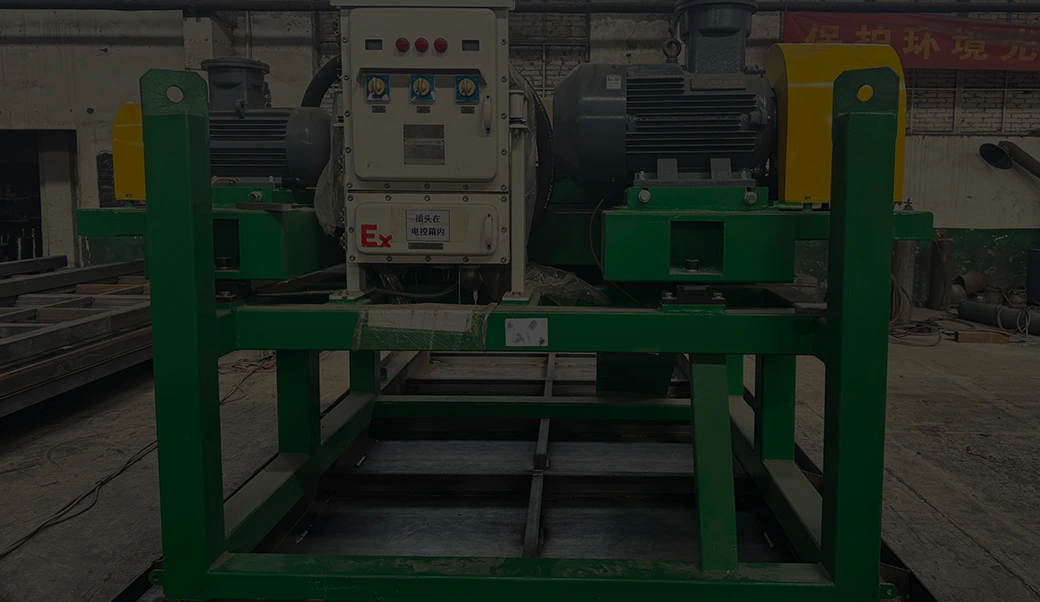
Yes, a screw pump can maintain consistent flow in continuous industrial processes. As a positive displacement pump, it moves fluid axially through rotating screw elements, producing a smooth, non-pulsating output regardless of fluid viscosity or pressure variation. Unlike centrifugal pumps, flow rate stays relatively stable even as fluid properties change. This makes screw pumps a preferred choice in oil and gas drilling, chemical processing, sludge treatment, and food production — anywhere process stability and precise volumetric delivery are non-negotiable.


Understanding the Screw Pump Working Principle and Design Features
How Fluid Moves Through a Screw Pump?
A Screw Pump works by squeezing fluid between spinning screw elements and a sealed case, then pulling the fluid along an axis toward the discharge port. This action creates a steady flow with no breaks, which is different from reciprocating or centrifugal actions because of how they work mechanically. There are single-screw, twin-screw, and triple-screw designs, and each one is good for a different job, from thin hydraulic oils to thick drilling slurries with solids in them.
Design Elements That Ensure Flow Stability
The shape of the screw directly affects how well the flow works. Tight clearances between the rotor and stator prevent internal slip, and thread shapes that are precisely designed lower turbulence. Leaks at the shaft are stopped by mechanical seals or packing glands, which keep the volumetric efficiency. For example, the ZC Screw Pump from ZHONGCHENGJIXIE has an inlet diameter range of 80–200 mm and a capacity range of 10–90 m³/h. These are the exact specs that were chosen so that the pump can handle thick slurries without pulsing.
Material Selection and Durability
Wet parts of commercial Screw Pumps are usually made of wear-resistant alloys, hardened steel rotors, or elastomer stators, based on how rough the media is and how well they work with chemicals. For solid control applications in the oilfield, where drilling fluid includes sand, cuttings, and chemical additives, material traceability and hardness testing are standard quality standards that meet ISO 9001 standards.
Evaluating Screw Pump Performance in Continuous Industrial Processes
Flow Stability Across Changing Conditions
One of the best things about the Screw Pump type is that the flow rate doesn't change when the viscosity does. According to written pump engineering material, flow stays almost the same as viscosity rises, but shaft power needs to rise at the same rate because of friction inside the shaft. Because of this, the pump can be used in situations where the fluid makeup changes during the production cycle, like when moving crude oil or giving polymers.
Comparison With Other Positive Displacement Pump Types
When it comes to volumetric accuracy, gear pumps are about the same, but they have trouble with high-solids media because their internal clearances are so small. Piston and diaphragm pumps cause big changes in the flow, which can hurt tools that measure flow further down the line. When fluids are thick, centrifugal pumps lose their effectiveness quickly and don't let you control the amount. The screw-type pump is a good compromise because it can handle thick, particle-filled, or shear-sensitive fluids while maintaining a steady flow rate and minimal internal turbulence.
Real-World Industry Applications
Screw Pumps are used in three main industries. In the oil and gas industry, they deal with multiphase flows and rough drilling muds where keeping prime is very important. They move shear-sensitive pastes and syrups in the food and drink industry without damaging the structure of the product. In marine hydraulic systems, they move fuel oil and lube oil around in small spaces with a lot of vibration. Each situation proves that uninterrupted flow is possible if the right pump is chosen.
Common Challenges and Maintenance Tips for Reliable Screw Pump Operation
Wear, Cavitation, and Seal Failures
Most of the time, flow problems in Screw Pumps are caused by rotor-stator wear from rough media, cavitation from not enough input pressure, and mechanical seal degradation. When you operate above the maximum pressure or speed, the stator wears out faster. Even a short time of dry running damages the elastomer stator because the fluid protects the surfaces that touch each other inside. You can avoid these types of failures by designing the system correctly and following good operational practices.
Preventive Maintenance Schedule
Checking the seals, bearings, and rotor-stator spacing on a regular basis is the key to making sure the machine works well. Seals and bearings should be checked every 2,000 to 4,000 hours of operation, and the full rotor-stator clearance should be checked once a year during annual shutdowns. Using OEM new parts protects dimensional standards and stops early failure caused by parts that don't meet specifications. ZHONGCHENGJIXIE backs this up with a full spare parts supply program and a one-year warranty on the equipment.
Remote Monitoring and Diagnostic Tools
Condition monitoring made possible by IoT is becoming more and more common in modern pump management. Vibration monitors, temperature sensors, and flow meters all send information to centralized control systems. These systems look for signs of strange behavior and stop the process before it gets too bad. For drilling contractors who work around the clock, this kind of proactive tracking means less time spent on non-productive tasks and lower upkeep costs per hour of operation.
Strategic Considerations When Selecting Screw Pumps for Continuous Processes
Matching Pump Specifications to Process Requirements
Which Screw Pump design is best depends on the viscosity of the fluid, the amount of abrasive particles in it, the working temperature, and the flow-pressure mix that is needed. For instance, drilling muds with a lot of solids need bigger inlet diameters and rotor coatings that don't wear down easily. The ZC Screw Pump can handle slurry conditions ranging from 80 mm to 200 mm in width, making it useful for solid control in the oilfield, draining sludge, and moving chemicals from one place to another.
The main reasons why the ZC Screw Pump works so well and makes it a good choice for tough continuous-process settings are listed below.
- Stable, non-pulsating output: The positive displacement design delivers quantitative, pulse-free feeding that protects downstream instrumentation and maintains consistent process conditions across extended operating periods.
- Strong medium adaptability: The pump transports high-viscosity fluids containing particles and suspended solids without material damage, making it directly applicable to petroleum drilling, chemical dosing, and sludge treatment workflows.
- Compact structure and low maintenance burden: The simplified internal design allows rapid disassembly and component replacement in the field, reducing scheduled downtime and keeping maintenance labor costs manageable.
- Low noise and long-term operational stability: Quiet running characteristics support safe, uninterrupted production in both enclosed industrial facilities and open drilling site environments.
Because of these benefits, procurement managers and drilling engineers don't have to worry about things like tool wear and tear, process stability, or the total cost of ownership over a number of years.
Procurement Factors and Cost-Benefit Analysis
When buying, teams look at Screw Pump providers; they shouldn't just look at the unit price; they should also look at the total ownership cost, which includes things like the availability of spare parts, wait times, and expert support. New equipment from a qualified maker like ZHONGCHENGJIXIE, which has ISO 9001/14001/45001, HSE, TÜV, and BV certifications, helps with supplier qualification processes in big EPC and oilfield contracts by providing proof of compliance and quality records that can be tracked.
Customization and Delivery Logistics
For each drilling rig and process setup, the Screw Pump needs to be a certain size, have a certain motor, and be mounted in a certain way. ZHONGCHENGJIXIE offers standard export packaging and full technical documents, such as engineering drawings, operation guides, and installation instructions, so that customers can make their own changes. In-stock items are shipped out within three days, and custom orders are usually finished within fifteen days thanks to partnerships with logistics companies that have access to the ports of Tianjin and Shanghai.
Future Trends and Innovations in Screw Pump Technology
Advanced Materials and Wear-Resistant Coatings
As new tungsten carbide coatings and ceramic-impregnated elastomer stators are added to rotors, their service intervals are getting longer in high-abrasion situations. These changes to the materials make it possible for Screw Pumps to work effectively in media with more sand without needing to be serviced more often.
Energy Efficiency and Sustainability Goals
When used with Screw Pumps, variable frequency drives (VFDs) let you change the flow rate without mechanically slowing it down. This saves energy in processes where demand changes. This method fits with the growing focus of oilfield operators to lower their carbon impact and meet environmental regulations.
Industry 4.0 Integration
When trained on sound and temperature data from pump sensors, AI-assisted predictive maintenance algorithms can predict when parts will wear out before they break. Mid-sized drilling providers and oilfield service companies can now get this technology too, not just big integrated operators. ZHONGCHENGJIXIE's equipment is made to work with current control systems, which helps customers make the switch to data-driven asset management.
Conclusion
A Screw Pump keeps the flow steady in continuous industrial processes because its positive displacement mechanism works even when the viscosity changes. This makes the output smooth and steady, perfect for tough jobs. Long-term performance depends on choosing the right pump design based on the fluid qualities, working pressure, and abrasion needs. This is true for solid control in the oilfield, dewatering sludge, and chemical transfer. The ZC Screw Pump from ZHONGCHENGJIXIE meets these requirements with its certified quality, wide range of customization options, and quick technical support. This makes it a good choice for drilling contractors, oilfield service companies, and EPC project managers looking for reliable continuous-flow solutions.
FAQ
What types of fluid is a screw pump best suited for?
High-viscosity fluids, shear-sensitive media, and slurries with floating particles or soft solids work best with Screw Pumps. They are used a lot in applications that need smooth, steady flow, like moving drilling mud, polymers, draining sludge, handling food-grade paste, and dosing chemicals.
How does a screw pump compare to a centrifugal pump for continuous flow?
When the viscosity of the fluid goes up, a centrifugal pump quickly loses its efficiency, and its output changes depending on the back-pressure in the system. A Screw Pump keeps the volumetric flow steady over a wide range of viscosities. This makes it much more reliable for continuous processes where delivery consistency is key to operations.
Can a screw pump run dry?
Not at all. The fluid inside the pump keeps the rotor and stator from sticking to each other. The rubber stator fails quickly after even a short time of dry running. Dry-run protection devices, like flow switches or inlet pressure sensors, should always be built into a pump system that is built correctly.
What maintenance practices prevent flow inconsistency?
Every 2,000 to 4,000 hours of use, check the seals and bearings. During annual shutdowns, check the clearance between the rotor and the stator. To keep the measurements accurate, replace old parts with OEM parts. Do not operate above the recommended speed or pressure, and keep an eye on the intake conditions to stop cavitation.
Is a screw pump suitable for precise dosing applications?
Yes. The pump's speed and flow rate are related in a straight line, which makes it ideal for volumetric doses in chemical processing and fluid management systems, where accuracy is important for keeping costs down or improving product quality.
Partner With ZHONGCHENGJIXIE for Dependable Screw Pump Solutions
The ZC Screw Pump line is made by ZHONGCHENGJIXIE, which is certified by ISO 9001/14001/45001, TÜV, BV, and HSE. They have more than 30 years of experience in the field and offer a full customization program for chemical, oilfield, and building uses. As a direct manufacturer of Screw Pumps, we can give low prices, fast shipping on in-stock items, and full expert support. To get a price that fits your process needs, email our tech team at oliver@zcgukong.com or go to zcsolidscontrol.com right now.
References
1. Gülich, J. F. Centrifugal Pumps. Springer, 2010.
2. Karassik, I. J., et al. Pump Handbook, 4th Edition. McGraw-Hill, 2008.
3. Nesbitt, B. Handbook of Pumps and Pumping: Pumping Manual International. Elsevier, 2006.
4. American Petroleum Institute. API Standard 676: Positive Displacement Pumps — Rotary, 3rd Edition. API Publishing Services, 2009.
5. Hydraulic Institute. ANSI/HI 3.1-3.5: Rotary Pumps for Nomenclature, Definitions, Application, and Operation. Hydraulic Institute, 2019.
6. Totten, G. E., et al. Handbook of Hydraulic Fluid Technology, 2nd Edition. CRC Press, 2011.