The Tank Bottom Valve is a manually operated flow control device mounted at the lowest point of a process vessel, designed to eliminate dead zones where product residue and bacteria accumulate. In food and pharmaceutical plants, this valve type maintains batch integrity by providing direct, tactile control over drainage and shut-off without relying on compressed air or electrical signals. Its flush-mount seat design, corrosion-resistant body, and self-sealing mechanism make it a dependable choice wherever cleanliness, traceability, and operator control are non-negotiable process requirements.
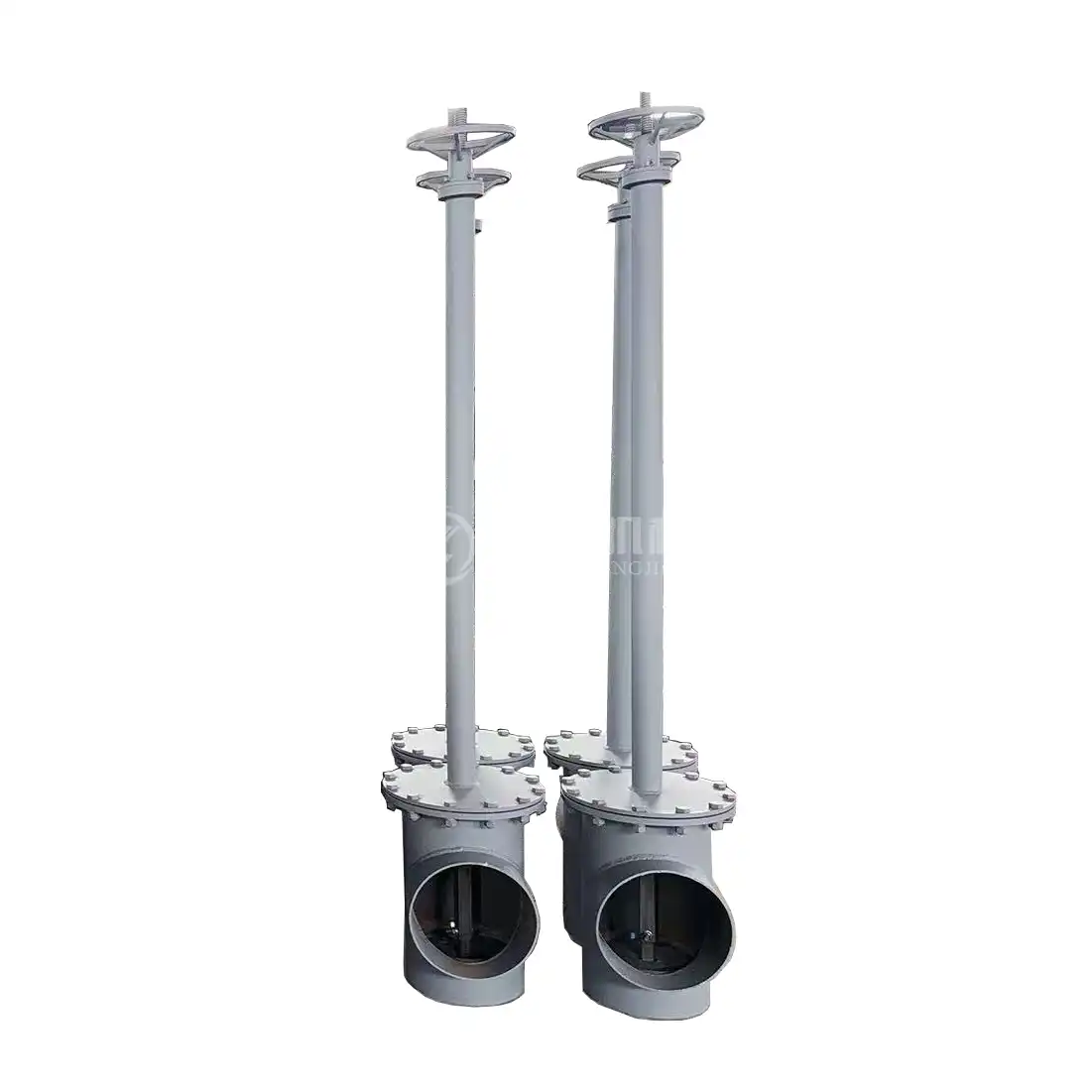
Understanding Tank Bottom Valve Handwheel Type in Hygienic Processing
A bottom valve that is controlled by a handwheel is not just a regular gate valve moved to the floor of the tank. It was made with clean duty in mind, from its shape to its finish to the way it works.
What Makes This Valve Suited for Sanitary Applications?
Most valve bodies are made from AISI 316L stainless steel that has been cast and has a surface finish of Ra ≤ 0.4 μm. According to EHEDG standards, that level of smoothness is the lowest level below which biofilm growth is statistically not important. The core of the conical valve presses against a rubber or PTFE sealing surface. When the pressure inside the valve rises, the seal automatically tightens, so there is no need for outside force to keep the valve closed.
Where These Valves Are Deployed?
Handwheel bottom valves are used in bioreactors for pharmaceuticals, fermentation tanks for dairy products, vessels for fine chemical synthesis, and storage tanks for making drinks. There is no chance of cross-contamination because the valve sits flush with the tank wall in all settings. This means that there is no spot that catches leftover product between batches.
Operating Temperature and Pressure Range
Service limits are set by the material choice of the seal. EPDM seals can handle temperatures between -20 °C and +150 °C, and PTFE seats can handle temperatures up to about +180 °C. Working pressure usually goes up to 10 bar (145 psi), which is enough for most CIP and SIP cycles without any extra support.
Advantages of the Handwheel Type Tank Bottom Valve for Hygienic Environments
It's sometimes thought of as a step backward to use manual action instead of automation. In real life, for small to medium-sized clean vessels, it has certain process benefits that automatic options don't always match.
Here are some of the best things about this device:
- The Tank Bottom Valve - Handwheel Type self-locking screw drive prevents accidental movement. In vibration-heavy environments — dairy compressor rooms, for example — a pneumatic actuator can chatter open under pressure fluctuations. The mechanical thread of a handwheel stem holds position without a control signal, which removes an entire failure mode from the process.
- Intuitive position feedback. Operators read valve opening degree directly from stem travel height or handwheel turn count. No position indicator, no sensor, no calibration drift — the operator always knows exactly where the valve stands.
- CIP and SIP compatibility. Because the seat sits flush with the tank interior and no dead leg exists below the sealing surface, cleaning solutions contact every wetted surface during an automated wash cycle. This satisfies 3-A Sanitary Standards and ASME BPE requirements without disassembly.
- Extended service life under aggressive chemistry. The valve seat and core are made from wear-resistant alloys or specialty synthetic rubber. The stem carries a chrome-plated carbon steel finish that resists the caustic chemicals present in aggressive CIP formulations.
Two of the most expensive failure modes in sanitary processing are a contamination event that causes batch rejection and unexpected downtime during a production run caused by an actuator failing. These benefits directly address these two failure modes.
Maintenance Simplicity Reduces Total Operating Cost
As part of regular maintenance, the stem seal should be looked at visually, the handwheel force should be checked, and seat contact should be confirmed. There are no pneumatic tubing, solenoid valves, or control-loop parts that need to be fixed. For factories that work 24 hours a day, seven days a week, this simplicity means that fewer workers are needed for each repair shift.
Comparing Handwheel Type with Other Tank Bottom Valve Types for Hygienic Applications
Buying groups often look at handwheel valves along with pneumatically operated valves, lever-operated valves, and butterfly valve designs. Each type has its own valid uses, and the choice is based on the frequency of the process, the qualities of the medium, and the legal environment.
Handwheel vs. Pneumatic Actuated Valves
Pneumatic valves work great in fully automated lines with a lot of cycles where people can't get to them easily. But they need a system for compressed air, a positioner that is calibrated, and a fail-safe spring return check. The handwheel design is easier to prove under FDA 21 CFR Part 211 paperwork rules for lower-frequency drainage operations or emergency manual override situations, since there are fewer system parts to prove.
Handwheel vs. Lever-Operated Bottom Valves
A quarter-turn opens or closes a lever valve, which is quick but rough. Fine throttling, which means stopping the flow of fluid out of a bioreactor to protect cell cultures from shear damage, needs the accuracy of a handwheel screw device with many turns. That level of flow control is worth the slightly longer actuation time for high-value biological media.
Selecting the Right Configuration for Your Process
The choice structure is made up of three questions: How often does the valve turn over during a shift? Does the media need to be throttled or just turned on and off? Is it planned for the next wave of tools to include automation? A handwheel bottom valve is the best and most cost-effective choice when cycle frequency is low, throttle control is important, and automation is not needed right away.
Installation and Procurement Guide for Tank Bottom Valve Handwheel Type
Getting the Tank Bottom Valve - Handwheel Type specifications right before you buy keeps you from having to make expensive changes in the field. The following points help business-to-business buyers in the US and other countries make decisions about what to buy.
Key Specifications to Confirm Before Ordering
The normal width for mud tanks and process vessels is between 200 mm and 400 mm. Check the flange standard (ASME BPE, DIN 11851, or ISO 2852), the seal material to make sure it works with your process chemistry, and the stem length in relation to the tank depth. It is important to compare the length of the stem to the height of the vessel because the handwheel base is attached to the top of the tank.
Certification and Compliance Requirements
People in charge of buying things should ask for ISO 9001/14001/45001 certificates, proof that they follow HSE rules, and approvals from a third party, like TÜV or BV. Make sure that the electrical parts of the valve assembly have a protection grade of IP55 or higher. All non-metallic locks that come into contact with food or medicine must be checked for FDA and USP Class VI compliance.
Logistics, Lead Times, and After-Sales Support
Standard designs that are in stock usually ship within three days. It usually takes fifteen days to finish special stem lengths or non-standard flange configurations. Plastic film, rainproof tarps, strapping, and, if desired, pallet or wooden crate supports are all parts of transport packaging. There is a one-year warranty that covers all production flaws, and installation and commissioning help is given with every order.
Ensuring Long-Term Efficiency and Compliance with Tank Bottom Valve Handwheel Type
Even if a valve passes the factory acceptance test, it won't work as well over time if the repair schedule doesn't match what the process needs.
Routine Inspection and Replacement Intervals
Seat seals in normal CIP/SIP service last between 6 and 12 months, but this depends on the temperature and quantity of the cleaning chemicals. Wear is caught before it gets to the point where it leaks when the system is inspected every 500 cycles or after any high-temperature SIP run above 135 °C. Positive material identification (PMI) testing on arriving valves checks the alloy makeup against the material test report. This stops mistakes in switching out materials.
Troubleshooting Common Field Issues
Leakage at the stem packing is generally a sign of worn-out stem O-rings, which can be replaced without taking the valve body out of service. Scale buildup on the stem thread is usually the cause of stiff handwheel action after a long time of inactivity. This can be fixed without taking the machine apart by flushing it with a suitable solvent.
Upgrade Paths and Automation Integration
In many modular designs, the handwheel assembly can be switched out for an electric or pneumatic actuator, but the valve body stays in place. When a production line goes from being run by hand to being run by machines, this saves the initial capital investment and gets rid of the need to re-validate the wetted path shape.
Conclusion
The Tank Bottom Valve - Handwheel Type has a place in sanitary processes because it is reliable mechanically, easy to clean, and clear how it works, which automated options sometimes can't match at the same cost. Its self-sealing cylindrical seat, corrosion-resistant build, and position-readable stem make it a useful and compliant part for use in fine chemicals, pharmaceuticals, and food. This type of valve has a service life of several years if it is defined properly and kept as planned. It enables consistent batch quality and regulatory compliance.
FAQ
What materials are used in the wetted components of a sanitary bottom valve?
AISI 316L or 304 stainless steel is used to forge the body of the valve. Sealing parts are made of PTFE, EPDM, or Viton, depending on the temperature and chemicals that will be present in the process. All non-metallic parts should have FDA and USP Class VI compliance paperwork to show that they don't leak into the media.
How often should the seat seal be replaced?
Every 3 to 6 months, seals should be checked as part of regular CIP and SIP work. Usually, they need to be replaced every 6 to 12 months, or after 500 full working rounds. Sterilization at temperatures above 135 °C speeds up the breakdown of seals and may shorten that time.
Can a handwheel bottom valve be upgraded to automated actuation later?
Yes. A modular upper assembly is used in many new designs. This lets the handwheel mechanism be switched out for an electric or pneumatic actuator without affecting the valve body or the weld connection to the tank. This keeps the original shape of the wetted material and keeps the touch areas from having to be qualified again.
Does the handwheel lock in position during operation?
Most professional-grade valves have a locking nut or pin built into the hub of the handwheel. This keeps the change from being made by mistake when there is a lot of vibration, which is especially important in places where there is busy pumping or mechanical agitation nearby.
Partner with ZHONGCHENGJIXIE for Your Next Tank Bottom Valve Project
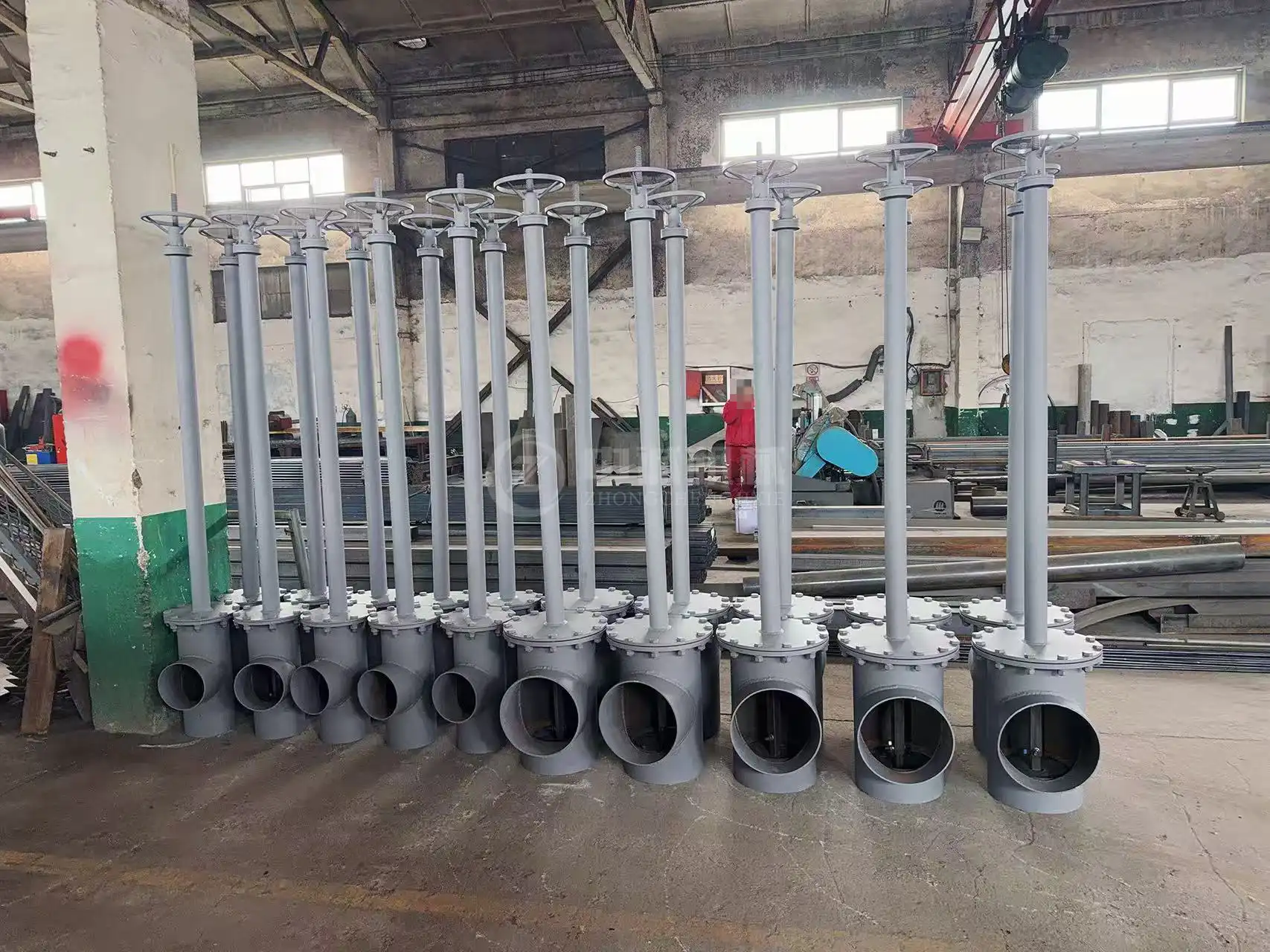
ZHONGCHENGJIXIE makes Tank Bottom Valve assemblies that meet ISO 9001/14001/45001, TÜV, and BV standards. The stem lengths can be changed to fit your tank's depth, and the nominal diameters range from 200 mm to 400 mm. We are a straight manufacturer of the Tank Bottom Valve - Handwheel Type. We have more than 30 years of experience in the field and hold more than a dozen patents. We offer reasonable prices, normal shipping within 3 days, and a one-year guarantee with full installation and commissioning support. To get a quote right away, email oliver@zcgukong.com with your needs or go to zcsolidscontrol.com.
References
1. European Hygienic Engineering & Design Group (EHEDG). EHEDG Guidelines: Hygienic Design of Valves. EHEDG, 2018.
2. American Society of Mechanical Engineers. ASME BPE: Bioprocessing Equipment Standard. ASME, 2022.
3. 3-A Sanitary Standards, Inc. 3-A Sanitary Standards for Valves, Cocks, and Faucets Used in Food Processing Equipment. 3-A SSI, 2019.
4. U.S. Food and Drug Administration. Code of Federal Regulations Title 21, Part 211: Current Good Manufacturing Practice for Finished Pharmaceuticals. FDA, 2023.
5. International Organization for Standardization. ISO 9001:2015 Quality Management Systems — Requirements. ISO, 2015.
6. Tofteberg, T.R., and Skaugen, G. Hygienic Equipment Design and Cleanability in Food Processing Plants. Journal of Food Engineering, 2020.