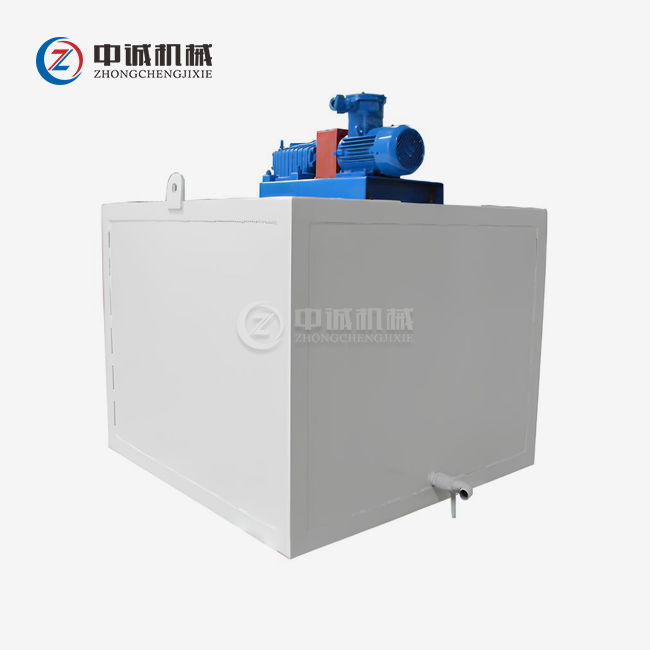
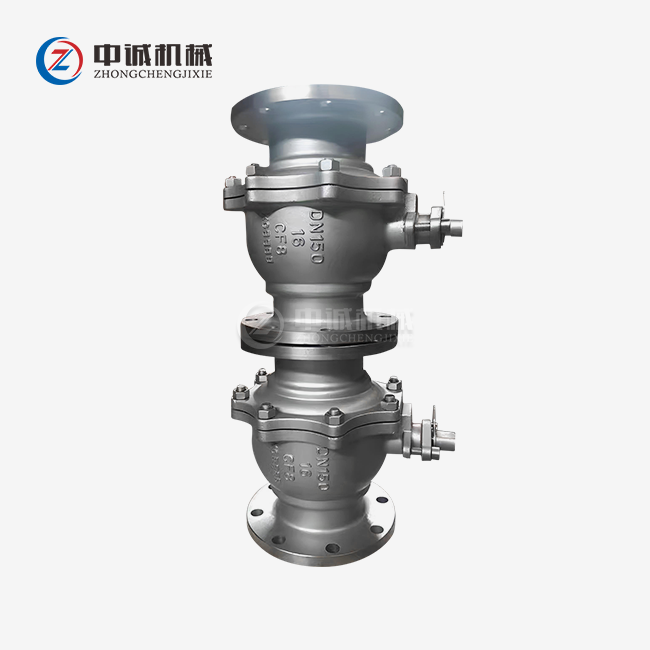
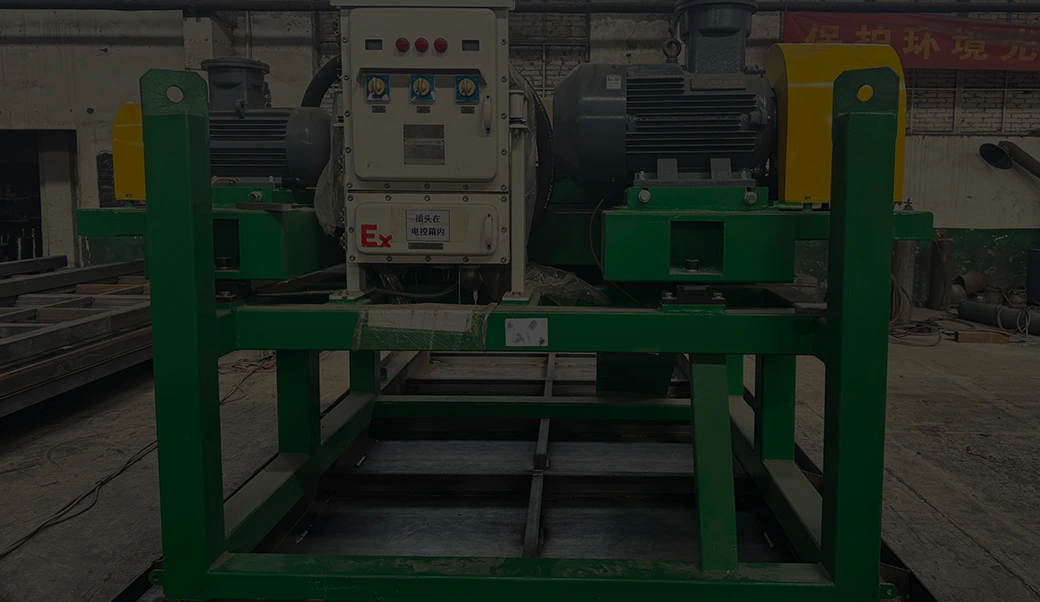
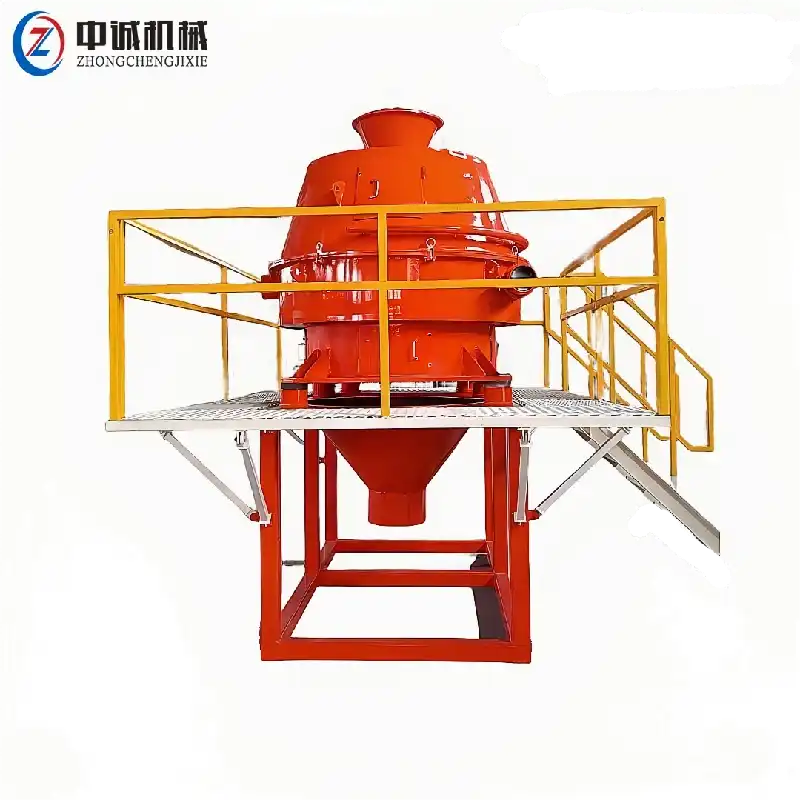
A Vertical Cutting Dryer delivers measurable, field-proven results in drilling waste management by using high-speed centrifugal force—typically between 300G and 500G—to strip base oil from drill cuttings. The ZCVCD series from ZHONGCHENGJIXIE processes 30–50 tons per hour and consistently reduces oil-on-cuttings (OOC) content to ≤5% by weight. This transforms wet, hazardous cuttings into manageable dry solids while returning recovered drilling fluid directly to the active mud system—cutting disposal costs, meeting environmental discharge limits, and improving overall rig efficiency on both onshore and offshore operations.
Understanding Vertical Cutting Dryers in Drilling Waste Management
It's helpful to know exactly how this equipment works and why its design works well in harsh drilling environments before looking at performance numbers.
Core Operating Principle
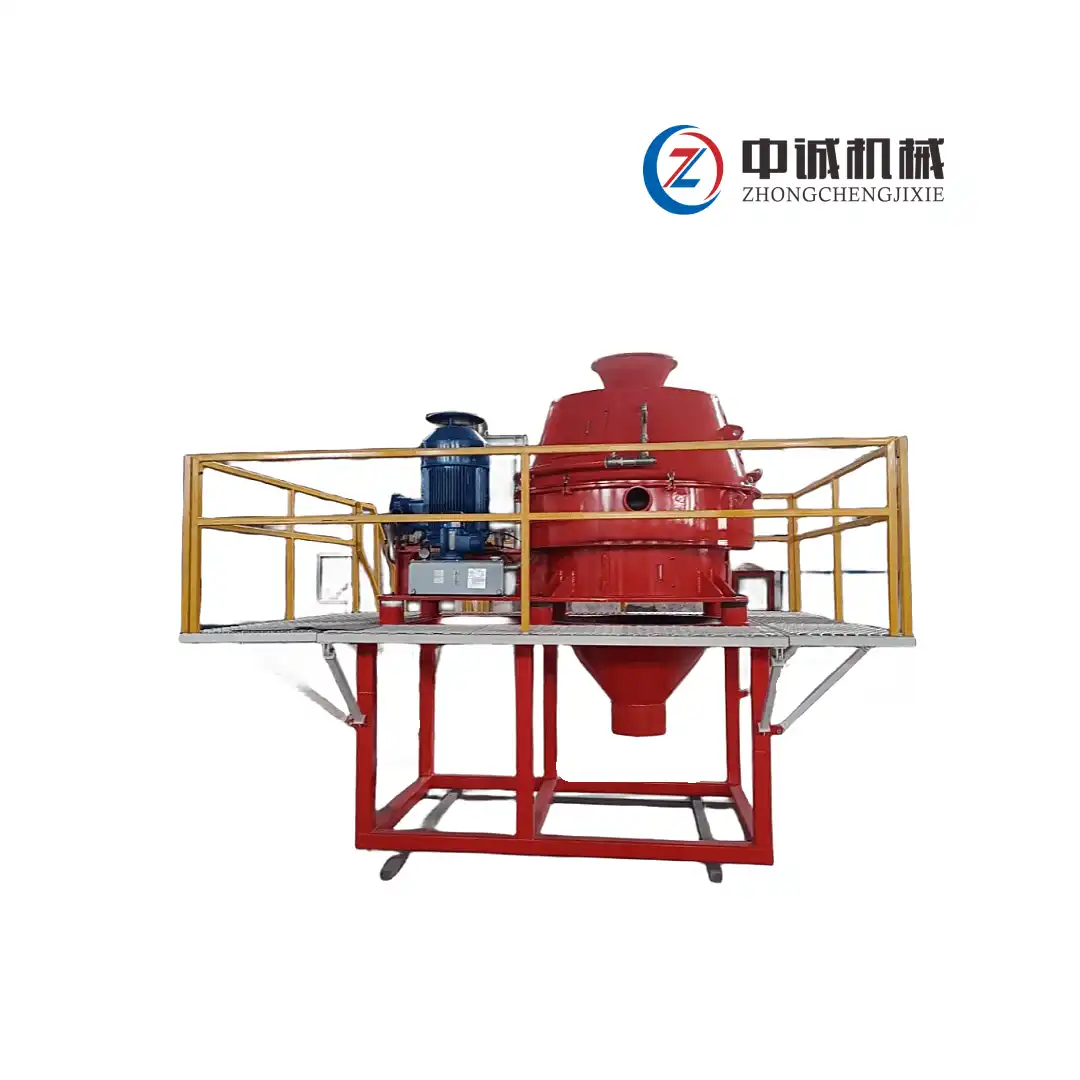
At 800 to 1,200 RPM, a cuttings dryer spins a cone-shaped screen basket. The liquid moves through the screen holes, which are usually between 250 and 500 microns wide, because of centrifugal force. The dried solids are moved up and out by tungsten carbide-tiled scraper flights. The fluid that is recovered flows into a collection tank and then back into the system that moves the mud around.
Key Structural Components
The rotating assembly has a rotor that is perfectly balanced, a screen basket made of wedge-wire stainless steel, and tungsten carbide scrapers that are rated above HRC 85. High wear-resistant and anti-corrosion materials protect internal surfaces from the wear and tear caused by abrasive drill solids and acidic media. This allows for safe long-term operation in difficult oilfield conditions.
System Integration
The ZCVCD series is directly linked to the solids control system, which is after the shale shaker. Because it is small in size, it can be added to existing mud systems without having to completely rearrange the surface system. Automatic ongoing operation gets rid of the need for manual work and keeps rig processes going smoothly.
Comparison of Vertical Cutting Dryers with Other Drying Technologies
Picking the right treatment technology has an impact on both running costs and following the rules. This is how a scraps dryer stacks up against other options.
Rotary and Drum Dryers
Rotating drum dryers use heat to get rid of water, which works well for water-based waste but increases the cost of fuel and the risk of fire near oil-based mud (OBM) streams. They also take up a lot more space on the deck and need regular maintenance on the burners, which makes them less useful on offshore platforms that are already crowded.
Fluid Bed and Conveyor Dryers
Fluid bed dryers can finely control the amount of moisture in the air, but they need uniform feed particle size, which is not always the case with mixed drill cuttings. Conveyor dryers can handle large amounts of material, but they only return a small amount of liquid. It is not common for either technology to get OOC below 5% when working with OBM or SBM cuttings using a Vertical Cutting Dryer.
Why the Vertical Design Wins for OBM/SBM Applications
The vertical cuttings dryer uses centrifugal force instead of heat to dry the cuttings. This keeps the chemistry of the base oil safe and lets the fluid be recycled directly. It can handle different amounts of feed wetness without any changes, makes little noise, doesn't use much power, and doesn't need any burning systems. Total cost of ownership always favors this method for both OBM and SBM drilling programs.
Key Performance and Operational Insights for Drilling Waste Applications
It's easier for buying teams to write accurate technical specs when they know about things like throughput, separation accuracy, and upkeep needs.
Throughput and Separation Accuracy
The ZCVCD line can process 30–50 t/h, which is about the same amount of cuttings that mid-to-large drilling rigs like the ZJ50–ZJ90 can make. When the unit is working at full capacity, it keeps OOC at ≤5% by weight. This level meets the requirements for discharge in most regulated areas and lowers the amount of waste that needs to be heated again.
Temperature and Material Stability
The qualities of the base oil don't change during separation because the process is only mechanical. The screen basket has to go through factory acceptance testing (FAT), which includes a 4–8-hour trial run with no load. During this time, the vibration movement stays below 50–70 microns, and the oil temperature in the engine doesn't rise more than 40°C above ambient. This shows that the machine will work reliably for a long time.
Maintenance Best Practices
Depending on how rough the materials are, the screen basket can last between 500 and 1,500 hours of use. A regular checkup looks at the flight wear on the scraper, the integrity of the screen aperture (both visually and ultrasonically), and the rotor's dynamic balance to G2.5 standards. An integrated air-knife or fluid-flushing system keeps the aperture from becoming blind while it's working, which cuts down on unplanned downtime and makes service intervals longer.
Procurement Considerations for Vertical Cutting Dryers in Drilling Waste Management
When oilfield companies buy things, they don't just look at price. They also look at professional qualifications, source verification, and total cost analysis.
Certification and Quality Assurance
The Vertical Cutting Dryer ZCVCD line from ZHONGCHENGJIXIE is certified by HSE, TÜV, and BV, as well as ISO 9001, ISO 14001, and ISO 45001. Large oil companies and EPC contractors that work under international health, safety, and environment (HSE) frameworks require these credentials to qualify as a supplier.
Customization and Configuration Options
Setups need to be different for each type of rig and each drilling program. You can set the ZCVCD series to any size you want, choose from a wide range of motor brands made by top companies in the United States and other countries, and change the dimensions to fit an offshore skid. Standard export packing keeps equipment safe during ocean freight, and in-stock items ship within three days. Custom orders, on the other hand, usually arrive within fifteen days.
After-Sales Support and Total Cost of Ownership
ZHONGCHENGJIXIE offers engineering drawings, flow diagrams, component diagrams, operation and maintenance manuals, a one-year warranty, and support for setting up the system on-site. Spare parts, like screen baskets and scraper flights, are still available for as long as the equipment is in use. These support systems lower the costs of unexpected downtime and make the equipment last longer, which increases the return on capital spent.
Real-World Results and Case Studies
What the lab specs say is true is backed up by data from multiple drilling sites in the field.
Offshore Deepwater Applications
On offshore sites with limited deck room and zero-liquid-discharge rules, the cuttings dryer cuts down on the amount of waste that needs to be thrown away or skipped. Operators say that the amount of fluid recovered covers a big chunk of the cost of getting base oil for each well, and payback times are measured in months instead of years for expensive SBM programs.
Onshore Shale Gas Drilling
A lot of cuts are made when long lateral sections are drilled quickly in shale gas plays. This spike is handled by the ZCVCD series without any loss in flow. This means that thousands of barrels of expensive base oil per well are recovered that would have been lost to the waste stream otherwise. Drilling contractors in major shale basins report direct cost savings in the amount of mud used and the cost of getting rid of waste.
Remote and Environmentally Sensitive Sites
Drying cuts to ≤5% OOC makes it possible to stabilize or heat treat waste in places like the Arctic or those that are sensitive to the environment where moving garbage is expensive. This method cuts down on the carbon footprint of hauling trash and helps businesses meet ever stricter environmental permit requirements without having to add heat treatment units to the surface system.
Conclusion
A well-designed Vertical Cutting Dryer lowers OOC to less than 5%, recovers base oil for reuse, lowers the amount of waste that needs to be thrown away, and keeps rigs in line with rules for discharge—all without adding heat processing equipment. These needs are met by ZHONGCHENGJIXIE's ZCVCD series in shale gas drilling on land, deepwater drilling at sea, and drilling in remote areas. With strong certifications, quality checks at the factory, and quick customer service after the sale, the equipment is a reliable way to lower the cost of drilling fluid and clean up waste streams on any rig class from ZJ30 to ZJ90.
FAQ
What drilling waste types work best with a cuttings dryer?
This equipment is specifically optimized for oil-based mud and synthetic-based mud cuttings. Water-based mud cuttings are generally not recommended because high clay content causes screen blinding.
How do I estimate the required processing capacity?
Match the dryer's rated throughput to your rig's cuttings generation rate. For ZJ50–ZJ90 class rigs, the 30–50 t/h capacity of the ZCVCD series covers typical drilling conditions. Consult ZHONGCHENGJIXIE's engineering team for site-specific sizing.
How often does the screen basket need replacement?
Basket service life typically falls between 500 and 1,500 operating hours depending on the abrasiveness of the drill solids. Regular inspection of weld integrity and aperture condition helps predict replacement timing before performance degrades.
What causes excessive vibration?
The most common causes are uneven solids loading, a partially blinded screen basket, or worn scraper flights creating an imbalanced rotating mass. Resolving any of these three issues typically restores normal vibration levels.
Does the unit need a dedicated cleaning system?
Yes. Most ZCVCD units include an integrated air-knife or fluid-flushing circuit that prevents fine particles from blocking screen apertures during continuous operation.
Get a Tailored Vertical Cutting Dryer Solution from ZHONGCHENGJIXIE
As a straight manufacturer of Vertical Cutting Dryers with over 30 years of experience, multiple patents, and full ISO/HSE/TÜV/BV certification, ZHONGCHENGJIXIE offers the ZCVCD line. We offer engineering drawings, on-site commissioning, and long-term support for spare parts. Visit zcsolidscontrol.com or email us at oliver@zcgukong.com to talk about your drilling waste management needs and get a setup plan that fits your rig class and project conditions.
References
1. Journal of Petroleum Technology — SPE International, 2021
2. Drilling Engineering and Well Control — Bourgoyne, A.T. et al., Society of Petroleum Engineers, 2019
3. API Recommended Practice 13C: Drilling Fluids Processing Evaluation — American Petroleum Institute, 2022
4. Waste Management & Research: The Journal for a Sustainable Circular Economy — ISWA/SAGE Publications, 2020
5. Oil and Gas Facilities — SPE International, 2020
6. Environmental Science & Technology — American Chemical Society, 2021
.webp)