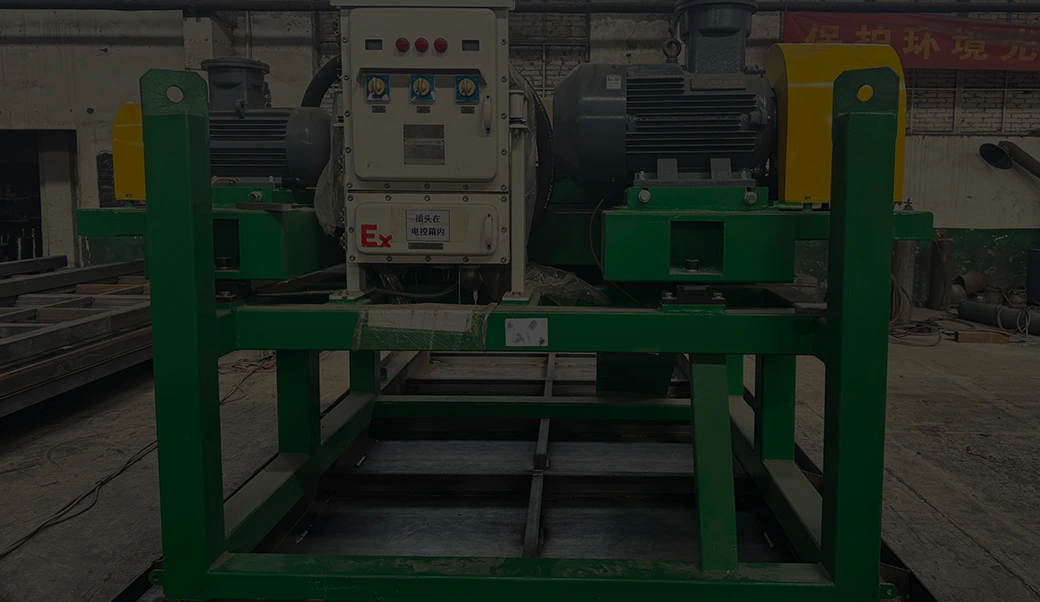
A chamber filter press is a batch-cycle filtration device that applies mechanical pressure between 6 and 20 bar to force liquid through filter media, leaving behind a dry, manageable solid cake. In mining and chemical processing, where slurries carry high solid loads and process water recovery directly affects operating costs, this technology has become the go-to solution for volume reduction and fluid recovery. The ZC Filter Press from ZHONGCHENGJIXIE builds on this principle with a 1250×1250 mm plate configuration, 37–45 kW motor power, and ISO 9001/14001/45001 certification.
Understanding the Chamber Filter Press and Its Operating Principles
What Makes the Chamber Design Work?
When the hydraulic system shuts off the press, each recessed filter plate seals off a chamber. Under pressure, slurry comes in, liquid flows through the filter cloth, and solids build up inside the cylinder as a cake. The closed-loop design stops leaks and keeps the work area clean, which is something that open-belt systems can't do on a muddy drilling site.
The Filtration Cycle Step by Step
There are four steps in the cycle: filling, pressure filtration, cake washing (if desired), and release. During the filling stage, the feed pump sends slurry into each chamber at the same time. Filtrate comes out of the outlet ports as the pressure rises. When the cake is dry enough, the hydraulic ram pulls back, the plates separate, and the cake falls either naturally or with the help of an automatic plate changer.
Key Factors That Affect Cycle Time
How long each cycle lasts is based on the feed pressure, the viscosity of the slurry, the permeability of the filter cloth, and the thickness of the cake. High-strength reinforced plastic plates are used in the ZC Filter Press. These plates don't bend or warp up to 90°C and stay flat within 0.5 mm. That tight tolerance stops slurry overflow and cuts down on cycle time by making sure that the chamber shape stays the same for every batch.
Comparing Chamber Filter Press with Alternative Solid-Liquid Separation Technologies
Chamber vs. Belt and Screw Press
Belt and screw presses can work with a lot of sludge because they can run all the time. But they make cakes that are wetter and need to be belt washed more often. In mine tailings management, a dry, stackable cake is needed for safe dumping. The chamber-type press usually gets 5–10% less leftover wetness, which cuts down on transportation and landfill costs by a large amount.
Chamber vs. Decanter Centrifuge
Decanter centrifuges quickly separate small particles, but they use more energy per unit volume and need to be carefully balanced when they need to be serviced. A chamber press uses less energy and can handle rough, solid slurries without the bearing wear problems that happen with spinning equipment. The Chamber Filter Press has moderate upfront costs compared to centrifuges, but it saves money in the long run because it uses less energy, its filter plates last longer (5–8 years with proper maintenance), and it uses less chemical flocculant. When water recovery and lower disposal costs are added together, many procurement managers find that payback periods are between 18 and 24 months.
Total Cost of Ownership Perspective
Upfront costs for a chamber filter press are moderate compared to centrifuges, but long-term savings emerge from lower energy draw, longer filter plate life (5–8 years with proper maintenance), and reduced chemical flocculant consumption. Many procurement managers find that payback periods fall within 18–24 months when water recovery and disposal cost reductions are factored in together.
Selecting the Right Chamber Filter Press for Your Procurement Needs
Matching Capacity to Slurry Properties
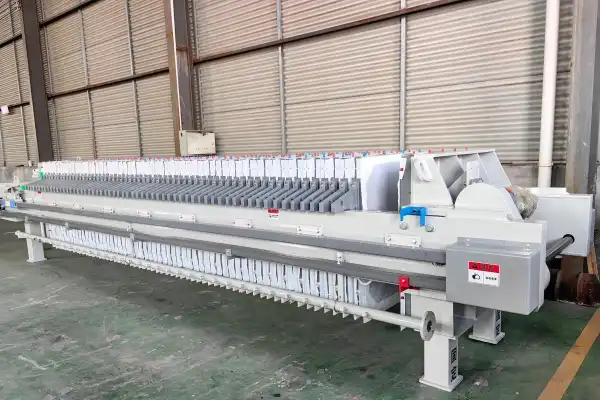
Before buying equipment, buyers should make sure they know the solid content of the feed, the distribution of particle sizes, and the dryness level that the cake needs to be. With a plate size of 1250x1250 mm and a plate-and-frame design, the ZC Filter Press is good for medium- to large-scale activities that treat drilling waste on or off land. The filtration area can be changed by adding or removing plates, which gives engineers a simple way to meet output goals.
When purchasing managers look at a Chamber Filter Press seller, these are the main things they look at:
- Certification status: ISO 9001/14001/45001, HSE, TÜV, and BV approval confirm that the manufacturer meets international quality, environmental, and safety benchmarks.
- Customization depth: Motor brand options, plate count, frame dimensions, and electrical configurations should all be adjustable to fit specific rig models (ZJ30 through ZJ90).
- Delivery lead time: Stocked units from ZHONGCHENGJIXIE ship within 3 days; customized configurations are completed within 15 days, supported by strategic partnerships with logistics providers near Tianjin and Shanghai ports.
It's important for drilling companies and EPC project managers to be able to rely on suppliers and meet project deadlines. These factors directly address these issues.
OEM Support and After-Sales Service
ZHONGCHENGJIXIE offers full technical documentation, including engineering drawings, process flowcharts, operation manuals, and a warranty that lasts for one year. With every ZC Filter Press order, you get professional help with setting up the machine and ongoing technical support. That level of involvement after the sale is most important for maintenance managers, who need to quickly get spare parts and help with fixing problems during busy drilling campaigns.
Maximizing Efficiency and Longevity: Maintenance and Troubleshooting Tips
Routine Maintenance Schedule
The Chamber Filter Press always works at its full capacity thanks to a structured maintenance schedule. The hydraulic oil level, the state of the filter cloth, and the cleaning of the plate surface should all be checked once a week. Hydraulic pressure retention tests should be part of monthly checks. The system must be able to keep 20–25 MPa for a long time without dropping more than 5%. When you replace old filter cloths on time, you can avoid the wet-cake problem that many workers mistakenly think is caused by feed pressure problems.
Common Problems and Their Root Causes
Wet or uneven cakes are usually a sign of not enough feed pressure or a cloth weave that is getting clogged. Most of the time, leakage between plates is caused by dirt or dust on the covering face of the plate or by using the wrong hydraulic shutting pressure. The ZC Filter Press is made of high-strength materials that don't rust or react with chemicals. However, workers who work with highly acidic or alkaline slurries should make sure that the cloth is compatible with the media before starting up the machine.
Process Optimization Techniques
Before rollout, a virtual 24-hour cycle load test is done to make sure that the automation logic of the plate shifter and hydraulic station works. Engineers can find cloth blinding early and plan cleaning before output drops by using data-driven monitoring to track the filtrate flow rate against cycle time. These steps directly lead to fewer unplanned stops and fewer hours of maintenance work per shift.
Future Trends and Innovations in Chamber Filter Press Technology
Automation and Smart Control Integration
More and more, modern filter press installations use PLC-based control panels that can be monitored from afar. With automated plate shifting, pressure ramp programming, and real-time cycle logging, operators don't have to do as much work, and the consistency of each batch is better. The tech team at ZHONGCHENGJIXIE can combine these control options into unique setups. This lets procurement managers choose the amount of automation that works best for their site's workers and internet access.
Sustainable Materials and Environmental Compliance
To help the environment, reinforced plastic plates get rid of metal rust products in the filtrate stream. U.S. oilfield workers have to follow stricter discharge rules set by the EPA and individual states. The closed-loop function of the chamber press directly supports zero-liquid-discharge (ZLD) efforts. It's also easier for dryer cakes to be reused, which is better than throwing them away as hazardous waste, which can be expensive.
Digital Procurement and Vendor Relationships
Digital sites are now used by B2B buyers to screen sellers before they talk to them directly. The trust-building part of the procurement cycle goes faster when manufacturers put out clear technical specs, verifiable certificates, and application case data. The product pages at zcsolidscontrol.com for ZHONGCHENGJIXIE give expert reviewers the engineering data they need for early-stage screening.
Conclusion
The Chamber Filter Press is still one of the most useful and inexpensive ways to separate solids from liquids in chemical processing, mining, and drilling waste treatment. Because it has a closed-loop design, an expandable filtration area, and the ability to work with automated control systems, it is a good long-term investment for operators who need reliable dewatering without having to pay a lot for energy. The ZC Filter Press from ZHONGCHENGJIXIE has all of these features in a certified, field-proven package that comes with engineering documentation and quick after-sales support. These are the qualities that matter most when equipment downtime costs a lot of money.
FAQ
What is the difference between a chamber filter press and a membrane filter press?
The cake is made in a chamber press only by feed pressure. In a membrane press, a flexible membrane is added behind the filter plate. This membrane squeezes the cake after the filling is done, leaving less liquid behind. The chamber type is cheaper and works best for normal drying. The membrane type is better for processes that need ultra-dry cakes or cakes that need to be washed.
How long does delivery take for a customized unit?
Configurations of the ZC Filter Press that are in stock ship within 3 days. Customized orders, like changing the size, number of plates, or motor choice that isn't standard, are finished within 15 days of the order being confirmed.
Can this equipment handle high-solid-content drilling waste slurries?
Yes. The ZC Filter Press is made for getting rid of drilling waste in places where the solids content is usually higher than 30%. Its small size and strong filtering force keep its drying performance stable, even when working with complicated, thick materials.
What certifications does the ZC Filter Press carry?
The unit is certified by HSE, TÜV, BV, ISO 9001, and ISO 14001, among others. These include management of quality, management of the environment, and health and safety at work. They are the standards needed for foreign oilfield and mining purchases.
How long do the filter plates last?
Plates last between 5 and 8 years with regular care and high-grade reinforced plastic, but this depends on how exposed they are to chemicals, the temperature where they are used, and how many times they are closed under pressure.
Partner with ZHONGCHENGJIXIE for Your Next Chamber Filter Press Project
For more than 30 years, ZHONGCHENGJIXIE has been providing oil and gas drilling companies with solid control and filtration equipment. We are a direct manufacturer of Chamber Filter Presses and have ISO, TÜV, BV, and HSE certifications. We offer reasonable prices, full customization, and delivery times that work with busy project plans. Get in touch with our engineering team right away to get technical advice or a quote that is specifically made for your drilling waste removal needs. You can email us at oliver@zcgukong.com or go to zcsolidscontrol.com.
References
1. Tarleton, S., & Wakeman, R. Solid/Liquid Separation: Equipment Selection and Process Design. Elsevier, 2007.
2. Purchas, D. B., & Sutherland, K. Handbook of Filter Media (2nd ed.). Elsevier, 2002.
3. Mining Engineering Journal, Society for Mining, Metallurgy & Exploration — various issues, 2018–2022.
4. U.S. Environmental Protection Agency. Technical Document: Construction and Demolition Debris Processing Facilities — Solid-Liquid Separation Methods. EPA, 2019.
5. Filtration & Separation journal, Elsevier — Special Issue on Industrial Dewatering Technologies, 2020.
6. International Organization for Standardization. ISO 9001:2015 Quality Management Systems — Requirements. ISO, 2015.