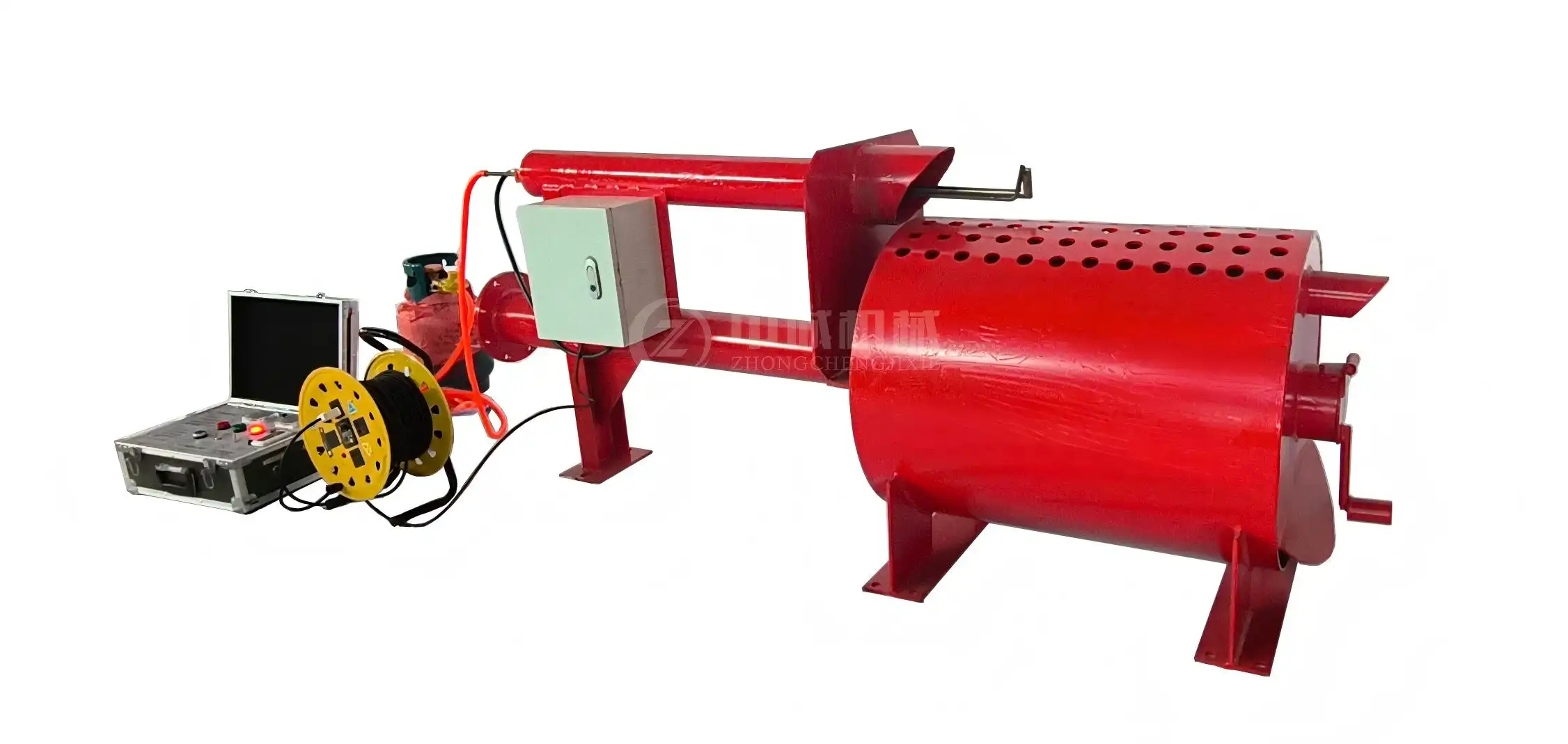
At remote oil and gas sites, controlling combustible and toxic gas discharge is not optional — it is a regulatory and safety obligation. The electronic flare ignition device - horizontal fills that role with precision. Designed to pair directly with mud gas separators, this device ignites waste gases released during drilling operations in a controlled, repeatable manner. With torch diameters of 150 mm and 200 mm and lengths of 2.5 m and 3 m, it handles high-volume gas venting across open land drilling sites and long-cycle well testing scenarios with consistent performance.
Understanding the Electronic Flare Ignition Device - Horizontal
How It Works with Mud Gas Separators
In the mud gas separation (also called a poor boy degasser), dissolved gasses separate when digging fluid comes back to the surface. These gasses get to the flare tip through a vent line that is just for them. At the discharge end, the horizontal ignition device sends out a high-voltage spark (usually between 15 kV and 20 kV) that lights the gas stream on fire right away. This stops the atmosphere from releasing out of control and stops the buildup of poisonous substances, especially Hydrogen Sulfide (H₂S), which is deadly at levels above 100 ppm.
Key Technical Specifications
The device has an electrical protection grade of IP55 or higher, which means it can't be damaged by dust or low-pressure water jets. Its firing system works at a discharge frequency of 25 to 40 times per minute, which makes it reliable even when the weather is bad. The base of the torch is made of metals that can handle high temperatures and corrosion and are good for use in oilfields. The unit has both remote-control and manual ignition modes, so operators can start the engine from a safe distance during high-pressure situations or use manual override when they need to.
Suitable Operating Environments
This electronic flare ignition device - horizontal is designed for use on open land drilling sites, plain-area rigs, and long-cycle venting tests on high-yield gas wells. The electronic flare ignition device - horizontal can operate reliably in rain, wind, and dusty field conditions while handling a wide range of temperatures. Standard outdoor endurance testing has demonstrated that the IP55 protection grade helps keep the electrical components sealed against field contaminants during continuous operation. For demanding outdoor applications, the electronic flare ignition device - horizontal provides stable ignition performance and reliable protection in challenging field environments.
Enhancing Operational Safety Through Horizontal Flare Ignition Devices
Eliminating Manual Ignition Risks
When flares are lit by hand, like with flare guns or a long torch, workers are directly exposed to plumes of flammable gas. The U.S. Chemical Safety and Hazard Investigation Board says that burning problems at well sites have been a factor in several gas flare system accidents. With remote electronic ignition, the user is never in the danger zone because the ignition can be set off from a control panel that is far away and safe. This lowers the risk to people and gets rid of the problems that come up when people change the timing of the ignition.
Low-Profile Design for Wellsite Safety
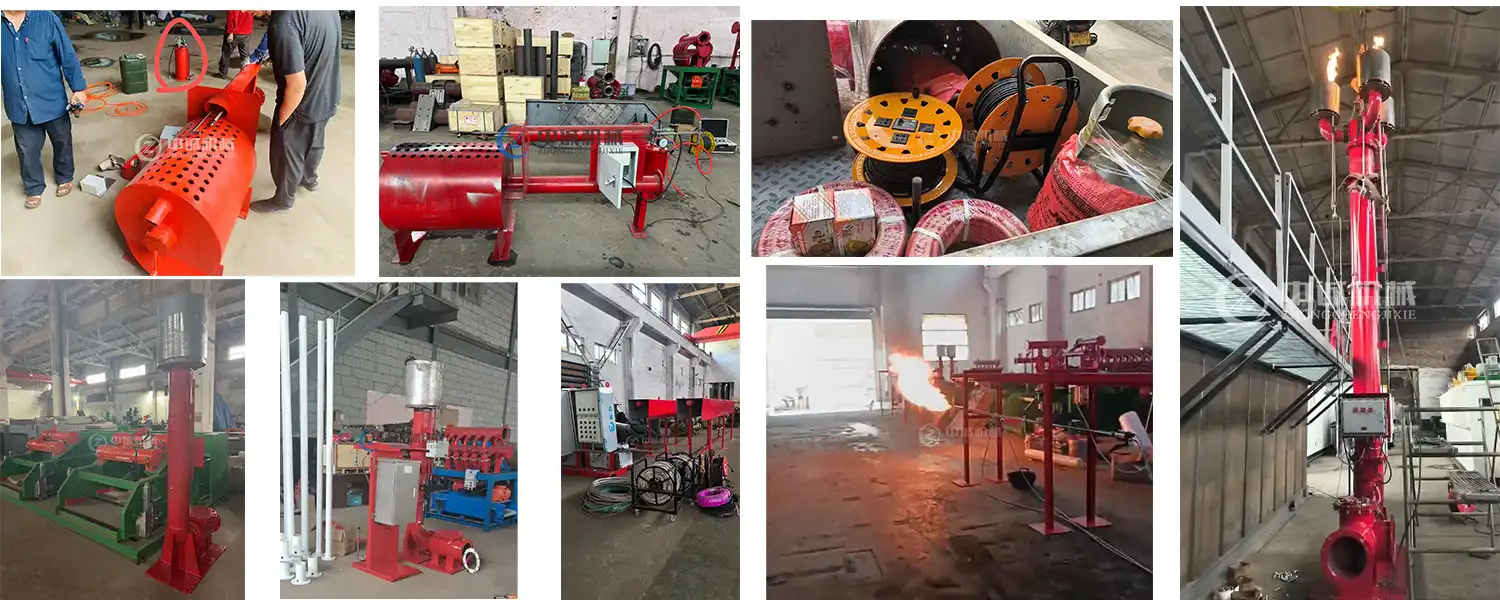
The horizontal arrangement keeps the center of gravity low, which is very important during pressure spikes, which happen when the flare tip suddenly has more gas flow. When those things happen, a vertical unit can become mechanically unstable. The horizontal design stays in place, doesn't get blown over by wind, and keeps the structure strong without anchor reinforcement. This shape is helpful for wellsite teams that are moving around a lot because the unit can be loaded onto a truck without cranes and set up without heavy lifting gear.
Maintenance Practices That Prevent Downtime
The system works smoothly as long as the starting electrode, high-voltage leads, and circuit connections are checked regularly every three to six months when the system is in use. In places with a lot of hydrogen sulfide, replacing the electrodes once a year protects against rust caused by sulfur, which changes the shape of the spark gap. ZHONGCHENGJIXIE offers full commissioning support, operation manuals, and a one-year comprehensive warranty. This gives operations teams written steps for quickly finding problems and fixing them.
Comparing Horizontal Electronic Flare Ignition Devices with Alternatives
Horizontal vs. Vertical Flare Igniters
When a factory or processing plant is set up permanently and the layout is fixed, vertical flare ignition towers are widespread. On mobile drilling sites, however, a vertical unit takes up more space, requires supporting guy wires, and makes relocation more difficult. These limitations are reduced with the electronic flare ignition device - horizontal. The electronic flare ignition device - horizontal sits closer to the ground, fits directly into lateral vent line layouts, and can be moved as a single unit. This difference in field usability is important for drilling crews that operate at multiple locations during the same season, making the electronic flare ignition device - horizontal a practical option for mobile drilling applications.
Electronic vs. Manual Ignition Systems
There is a natural lack of consistency in manual systems. Success rates and ignition timing are all affected by wind, moisture, and tired operators. With an electronic flare igniter, none of those things matter. With up to 40 sparks per minute of release, the gas hits the tip and sparks start flying within seconds. When there are pressure spikes at the wellhead, that speed is important because it lets dangerous gas build up near the rig floor. Electronic systems also keep track of attempts to start engines in units that are connected to remote monitoring panels, which meets the requirements for HSE documentation.
Evaluating Suppliers and Product Quality
People who work in procurement should give more weight to suppliers whose goods have third-party approvals that have been checked out. The horizontal flare ignition unit from ZHONGCHENGJIXIE has been approved by ISO 9001, ISO 14001, ISO 45001, HSE, TÜV, and BV. These approvals show that the product is made well and that it meets standards for safety at work and protecting the environment. At the factory level, quality control checks include checking for high-voltage stability, making sure the insulation is resistant, and testing for salt spray corrosion. In-stock units are sent out within three days, and custom configurations take fifteen days to arrive.
Procurement Guide for Horizontal Electronic Flare Ignition Devices
Verifying Supplier Credentials
Before you place an order, make sure the seller has the latest ISO and HSE standards, keeps records of its manufacturing processes, and allows OEMs to track down parts. ZHONGCHENGJIXIE is a company based in Shaanxi Province, China, that makes things directly. Its engineering team has over thirty years of experience in the field. The plant is spread out over 6,300 square meters and can make 200 mud circulation system sets a year. This gives purchasing managers faith in the delivery schedule and quality of the output.
Packaging and Logistics Considerations
For deliveries to remote locations, you must use secure packing. ZHONGCHENGJIXIE ships the horizontal flare ignition device in plastic film, tarps that keep out the rain, and straps that hold the load in place. You can choose between pallets or wooden crates depending on how you want to transport the goods and where they need to go. Access to the ports of Tianjin and Shanghai and strategic partnerships with logistics providers help international shipping run smoothly. Before placing an order, buyers should make sure they understand the wait times, insurance coverage, and port-of-entry paperwork.
Warranty and After-Sales Support
The full guarantee for the electronic flare ignition device - horizontal lasts for one year and covers manufacturing defects and parts that fail under normal use. Engineering drawings, system flowcharts, component diagrams, and operation and maintenance guides are included as part of the full technical support provided for the electronic flare ignition device - horizontal. ZHONGCHENGJIXIE's service team offers remote diagnostic assistance, spare parts delivery, and field installation support for the electronic flare ignition device - horizontal. Together, these services can help reduce downtime and lower the total cost of ownership over the operating life of the device.
Future Trends in Flare Ignition Technology
IoT Integration and Remote Diagnostics
IoT-enabled monitoring panels are becoming more and more common in modern flare ignition systems. These panels keep track of ignition success rates, electrode wear status, and gas flow conditions in real time. With this information, operations teams can plan repair before something goes wrong, instead of having to fix it after the fact. When ZHONGCHENGJIXIE makes its ignition systems, it makes sure that they can work with a variety of interfaces. This way, they can be easily connected to site-wide control systems in the future, as digital oilfield infrastructure grows.
Environmental Compliance Driving Technology Adoption
Under 40 CFR Part 60 of the rules set by the U.S. Environmental Protection Agency, flare systems must always have a flame going when they are releasing gas. This compliance requirement is directly met by electronic lighting systems that can reliably start a fire again. As rules about the environment get stricter around the world, drilling companies are under more and more pressure to change manual or pilot flame systems with automatic ones that keep records of ignitions that can be checked.
Solar and Battery Backup Systems
Grid power isn't always available at digging spots that are far away. Leading horizontal flare ignition units now come with deep-cycle battery backup systems and sun charging connections, so they can still be used even when the generator goes out for several days. This way of designing makes it possible for operations to happen in places that aren't connected to the power grid. These include geothermal research sites and rural shale gas development areas in North America and other countries.
Conclusion
One of the biggest safety and compliance challenges in oilfield gas management is ensuring that toxic and flammable gases can be burned safely and remotely at the wellsite. The electronic flare ignition device - horizontal is designed to address this requirement. Its low-profile design makes the electronic flare ignition device - horizontal easier to transport and set up in the field, while its dual ignition modes, IP55 rating, and high-voltage spark reliability support safe operation in harsh conditions. This electronic flare ignition device - horizontal can simplify flare operations for drilling firms and oilfield service companies that frequently relocate between sites and conduct high-pressure well testing. It can also support these companies in maintaining proper HSE compliance throughout field operations.
FAQ
What torch sizes does the horizontal flare ignition device come in?
Torch diameters range from 150 mm to 200 mm, and torch lengths range from 2.5 m to 3 m. Configurations are chosen based on the amount of gas, the width of the vent line, and the needs of the place.
Can the device operate in continuous rain?
Yes. At least IP55 protection is given to the ignition head and generator parts, and the high-energy spark is designed to start burning even when there is moisture present without misfiring.
How often should electrodes be inspected?
Every three to six months, under normal drilling conditions, check the electrodes. In places with a lot of hydrogen sulfide, it's best to check the spark gap once a year to find sulfur-related rust before it changes how well it works.
Does it support remote operation?
Yes. The unit has both remote-control and manual ignition modes built in. When the flare tip is operated from a distance, people are kept away from it during high-pressure venting or emergency gas discharge situations.
What certifications does the device carry?
The horizontal flare ignite device has been approved by ISO 9001, ISO 14001, ISO 45001, HSE standards, TÜV, and BV. This means that it meets the requirements for managing quality, the environment, and worker safety.
Contact ZHONGCHENGJIXIE for a Horizontal Flare Ignition Device Quote
The electronic flare ignition device - horizontal is made by ZHONGCHENGJIXIE right at its factory in Shaanxi, and units that are already in stock can be sent out within three days. The company is a reliable source for horizontal flare ignition devices and has ISO, TÜV, BV, and HSE certifications. Each unit comes with a one-year guarantee and all the basic information you need to use it. To get a configuration quote right away, email your project details to oliver@zcgukong.com or go to zcsolidscontrol.com.
References
1. U.S. Chemical Safety and Hazard Investigation Board. Investigation Reports on Oilfield Gas Ignition Incidents. CSB, 2021.
2. U.S. Environmental Protection Agency. Standards of Performance for New Stationary Sources: 40 CFR Part 60, Subpart OOOO. EPA, 2023.
3. Society of Petroleum Engineers. Wellsite Safety and Flare System Design for Drilling Operations. SPE Journal, 2022.
4. American Petroleum Institute. API RP 521: Pressure-Relieving and Depressuring Systems, 6th Edition. API, 2021.
5. International Association of Oil & Gas Producers. Process Safety — Flare and Vent System Management. IOGP Report 456, 2020.
6. National Fire Protection Association. NFPA 87: Recommended Practice for Fluid Heaters and Flare Systems. NFPA, 2023.