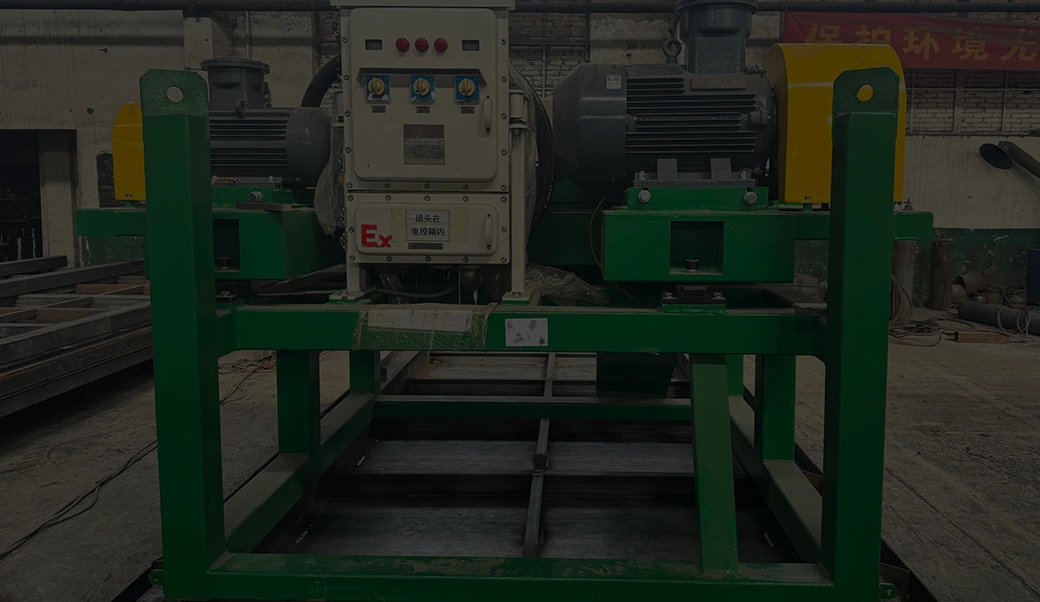
Yes, industrial water tanks can absolutely support a stable water supply for remote facilities. Whether you're running a drilling operation in a desert basin, managing a mining camp at high altitude, or overseeing a construction site miles from the nearest municipal line, a properly specified water storage tank becomes the backbone of your entire water management system. At ZHONGCHENGJIXIE, we've seen firsthand how the right tank design—correct capacity, material, insulation, and monitoring integration—eliminates the water shortages that shut down operations and cost contractors thousands of dollars per day.
Understanding Industrial Water Tanks and Their Role in Remote Facilities
What These Tanks Actually Do
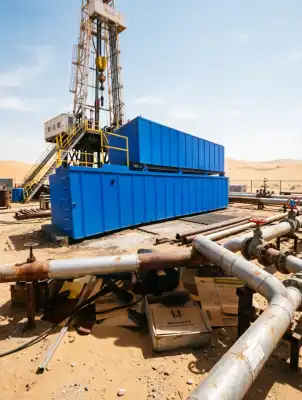
At an industrial site, a water tank does more than just hold water. It protects the supply against delivery schedule changes, keeps the pressure on equipment further downstream, and provides backup sources in case the main ones fail. In oil fields, these tanks supply mud mixing systems, cooling circuits, and firewater lines all at the same time.
Tank Types Built for Tough Sites
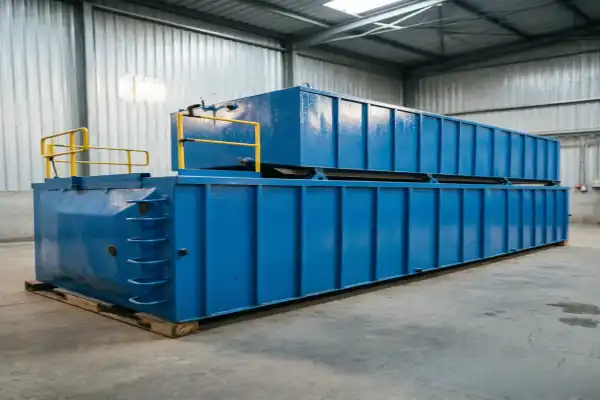
Steel tanks are the most common type of industrial tank used in remote areas because they are strong for their weight and don't easily break. Corrosive process water doesn't hurt carbon steel with an epoxy coating or stainless steel (SS304/316L). Fiberglass reinforced plastic (GRP) tanks are lighter and better able to handle chemicals. Coated carbon steel or stainless steel is still the most common choice for oilfields and mines.
Integration with Site Systems
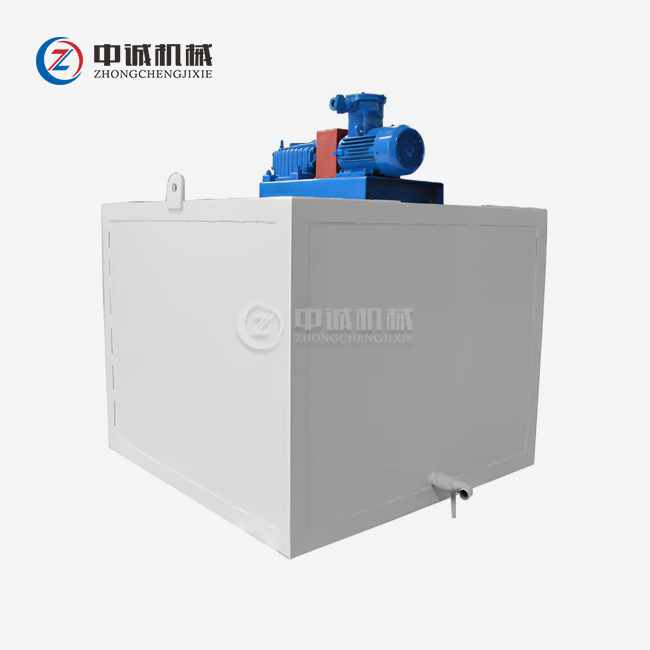
A tank does not work by itself. It can link to solid control equipment, pumps, filtering units, and water treatment skids. The ZC Industrial Water Tank from ZHONGCHENGJIXIE is made to work with other systems. Its connection ports and structural layout work directly with solid control systems in the oilfield, which makes designing a water circuit for a new rig easier from an engineering point of view.
Challenges to Stable Water Supply in Remote Facilities and How Tanks Address Them
Sites that are far away have a unique set of problems that sites in cities never have to deal with. Getting to know these problems helps procurement teams understand why tank specification is important.
The three main things that can stop water from getting to distant places are unpredictable supply logistics, extreme weather that damages water quality and pipe integrity, and pollution from nearby factories. Each one is taken care of by the physical form and choice of materials in a purpose-built tank.
Here are the main reactions that good field tanks are built to handle:
- Corrosion-resistant construction: High-grade anti-rust materials protect tank integrity in environments with high humidity, saline groundwater, or chemical exposure. ZHONGCHENGJIXIE's ZC tanks use corrosion-resistant steel that extends service life in oilfield and mining environments where atmospheric corrosion accelerates significantly.
- Hermetic sealing: A sealed tank body prevents external contamination from dust, insects, and surface runoff—a critical feature on active drilling pads where airborne particulates are constant. The tight sealing structure also eliminates leakage that creates both safety hazards and environmental compliance problems.
- Optional thermal insulation: In sub-zero locations or high-altitude sites, water freezing inside tanks causes pressure failures and equipment damage. The ZC tank offers optional insulation for anti-freezing protection, keeping water usable across temperature extremes from -40°C to operational highs.
These design features directly mean that Industrial Water Tanks have less chance of downtime and lower costs for fixing problems for field operations teams.
Selecting the Right Industrial Water Tank for Remote Facility Needs
Capacity and Footprint Decisions
There are different sizes of ZC Industrial Water Tanks from ZHONGCHENGJIXIE, ranging from 20 to 100 cubic meters. These tanks can be used for everything from small wellsite support units to full-scale rig water supply systems. How much capacity is chosen depends on how much is used each day, how often it is delivered, and how much of a buffer is needed in case of an emergency (usually 24 to 72 hours).
Steel vs. Alternative Materials
When it comes to high temperatures, high pressures, and high impacts, steel tanks work better than plastic ones. Structural steel building is the best choice for places like oil fields, mines, and construction sites where forklifts, big equipment, and falling objects are common dangers. GRP is good for storing chemicals where steel corrosion is a problem, even with coatings that protect it.
Vertical vs. Horizontal Layout
Vertical tanks store more in a smaller space, which is important when space is limited on a rig site. Horizontal layouts are good for moving with a flatbed cart and setting up on rough ground. Because the ZC tank is small and can be moved around, it can be used in both configurations. Its structure also makes it easy to move it to a new pad without using special lifting gear.
It's not just a technical matter to choose the right design; it also affects how quickly and easily the tank fits into current water circuit installations.
Maintenance and Operational Best Practices for Water Tanks at Remote Sites
Routine Inspection Protocol
Every 12 months, water tanks at remote sites should be looked at visually to check for surface rust, broken seals, damaged valves, and structural deformation. Every three to five years, you should have a full structure check with ultrasonic thickness gauging. Unplanned shutdowns can be avoided by noticing early signs of wall thinning before they turn into leaks.
Remote Monitoring Integration
There is an integrated monitoring system in the ZC Industrial Water Tanks that keeps track of the water level, temperature, and pressure, if set up. This information is sent to site SCADA systems or screens that work on their own, so operations staff can see what's going on in real time without having to check everything by hand in bad weather. Automated alerts make repair crews' jobs easier at remote places where they don't have enough people.
Cleaning and Contamination Prevention
Cleaning the inside of the tank should be done at least once a year, or whenever tests of the water quality show high sediment or bacteria counts. The sealed design of the ZC tank keeps outside elements out, but it still needs to be cleaned on a regular basis. Field teams should use a flush-and-inspect cycle that works with their water quality testing plan to keep the water clean enough for mixing mud and cooling equipment.
Maintenance doesn't just protect the tank; it also protects everything below it, from the pumps to the solid control equipment.
Procurement Considerations and How to Engage with Industrial Water Tank Suppliers
Customization and Lead Time
The needs of remote facilities are not usually standard. Different sites have different tank sizes, link rules, insulation needs, and ways of tracking. The ZC Industrial Water Tank can be fully customized by ZHONGCHENGJIXIE. This includes changing the volume (20–100 m³), adding thermal protection, integrating a tracking system, and choosing a motor or pump. Standard export packaging is included, and units that are in stock will be sent out within three days. As a general rule, customized setups are finished in 15 days.
Certifications Matter for Compliance
The purchasing departments of oilfield managers and EPC companies need equipment that has been approved. The ZC Industrial Water Tank has been approved by HSE, TÜV, and BV, as well as ISO 9001, ISO 14001, and ISO 45001. These credentials meet the seller qualification standards of large oil companies and foreign project bids without the lengthy process of checking that equipment that isn't certified goes through.
Total Cost of Ownership
The purchase price is one of the factors that go into the decision to buy. Actual value is based on how much it costs to maintain, how easy it is to get replacement parts, and how long it works. ZHONGCHENGJIXIE offers a one-year warranty, full after-sales support, operation and maintenance manuals, and ongoing supply of spare parts. Over a five- to ten-year field life, these factors lower overall running costs compared to cheaper options that need to be replaced often or don't have local expert support.
Conclusion
There is one basic need that all remote facilities in oilfields, mines, and construction projects have in common: a water supply that works when things get tough. That's exactly what a water storage tank that is built from materials that won't rust, covered to keep out dirt, the right size for the site's needs, and backed up by remote tracking does. The ZC Industrial Water Tanks system from ZHONGCHENGJIXIE meets all of these needs and more. It is made in an approved factory and is delivered quickly. Technical help is also available for field teams around the world.
FAQ
What capacity should I specify for an oilfield water tank?
Capacity depends on daily water consumption for mud mixing, equipment cooling, and firewater reserve. A standard drilling rig typically requires 20–50 m³ for day-to-day operations, with larger rigs needing up to 100 m³. Specifying 48 to 72 hours of emergency buffer is standard industry practice.
How do these tanks handle freezing temperatures?
The ZC Industrial Water Tank offers optional polyurethane foam insulation that protects stored water in sub-zero environments. This is standard for sites in northern regions or high-altitude locations where overnight temperatures drop below 0°C.
Can the tank integrate with existing solid control systems?
Yes. The ZC tank is designed for direct compatibility with oilfield solid control systems, including mud circulation circuits. Connection port specifications can be customized to match existing rig layouts.
What certifications should an industrial water tank supplier hold?
For oilfield and EPC procurement, look for ISO 9001 (quality management), ISO 14001 (environmental management), and HSE compliance as baseline requirements. TÜV and BV approvals add verification for international projects.
How long does delivery take?
In-stock units from ZHONGCHENGJIXIE ship within three days. Customized configurations are typically delivered within 15 days, supported by established logistics partnerships with access to Tianjin and Shanghai ports.
Get Your ZC Industrial Water Tank Quote from ZHONGCHENGJIXIE
Industrial Water Tanks made by ZHONGCHENGJIXIE are certified and have been used in oilfields, mines, and remote construction sites. We are a direct manufacturer of Industrial Water Tanks with more than 30 years of experience in the field. We offer 20–100 m³ configurations, full customization, and fast delivery. Visit zcsolidscontrol.com or email our team at oliver@zcgukong.com right now to get pricing, specifications, or a solution that is specifically made for your site.
References
1. American Water Works Association (AWWA). AWWA D103-09: Factory-Coated Bolted Carbon Steel Tanks for Water Storage. AWWA, 2009.
2. National Fire Protection Association. NFPA 22: Standard for Water Tanks for Private Fire Protection. NFPA, 2018.
3. Water Research Foundation. Water Storage Tank Maintenance and Operations Guide. Water Research Foundation, 2020.
4. International Organization for Standardization. ISO 9001:2015 Quality Management Systems — Requirements. ISO, 2015.
5. BSI Standards. EN 13280: Specification for Glass-Reinforced Plastics (GRP) Tanks for the Above-Ground Storage of Water. BSI, 2001.
6. Society of Petroleum Engineers. SPE-185977: Water Management Practices in Remote Oilfield Operations. SPE, 2017.