Yes — the electronic flare ignition device - vertical is purpose-built for exactly this challenge. Its upright, narrow-footprint structure makes it one of the most practical flare ignition solutions for sites where ground space is tight, and safety margins cannot be compromised. Whether you're operating on an offshore platform, a mountain-edge land rig, or a congested shale gas pad, the vertical configuration addresses space, safety, and compliance requirements simultaneously. This article breaks down why that matters and what procurement teams should know before making a decision.
Understanding Vertical Electronic Flare Ignition Devices
What It Does and How It Works
When oil and gas drilling is going on, a vertical flare ignition device is an important piece of support equipment. It works directly with the mud gas separator, which is also known as a mud degasser, to burn off waste gases that come out of the separator safely. The ignition device burns those gases off at a controlled height above ground level instead of letting them escape into the air without being controlled. This keeps poisonous or flammable gases from building up around people, tools, and the area around them.
Core Specifications Worth Knowing
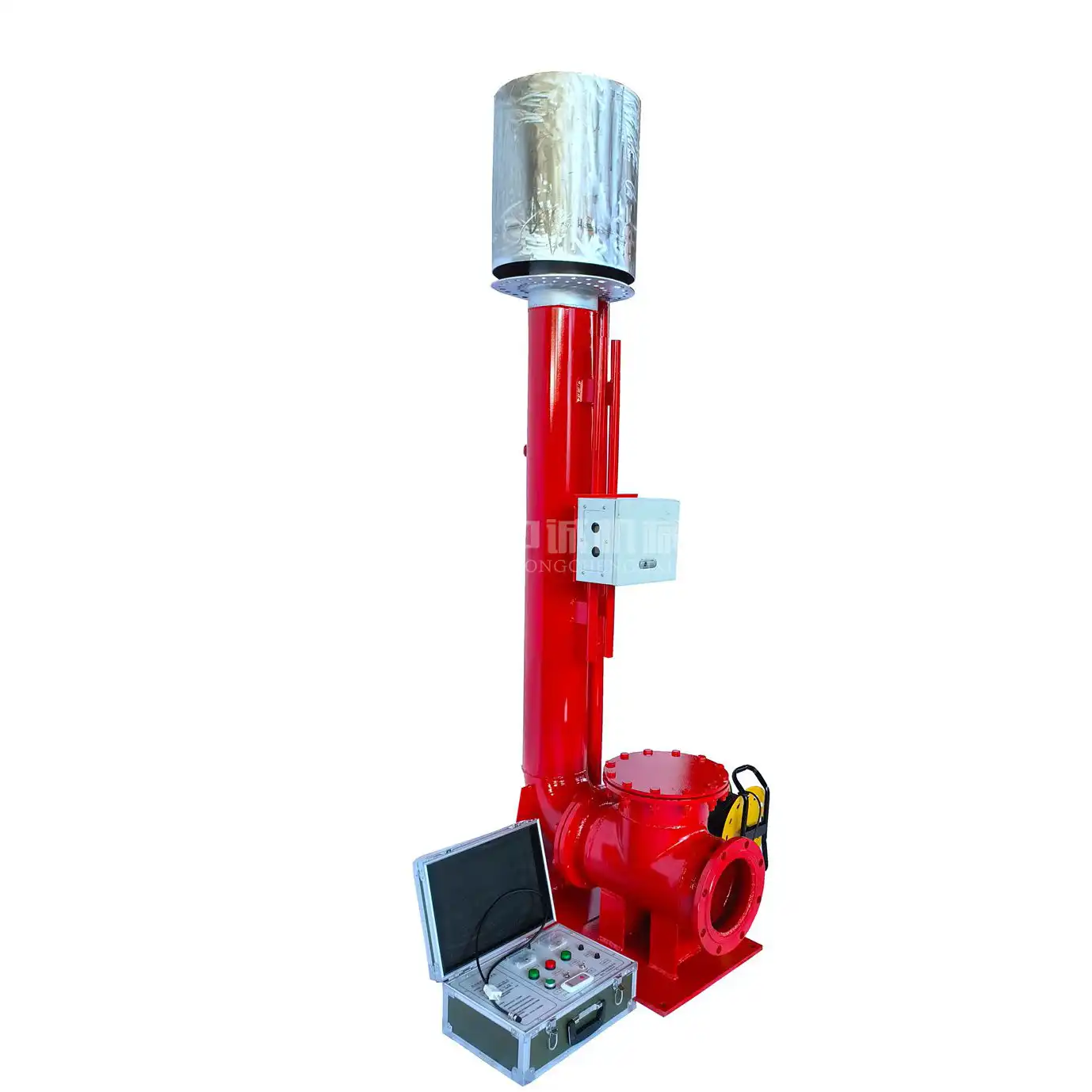
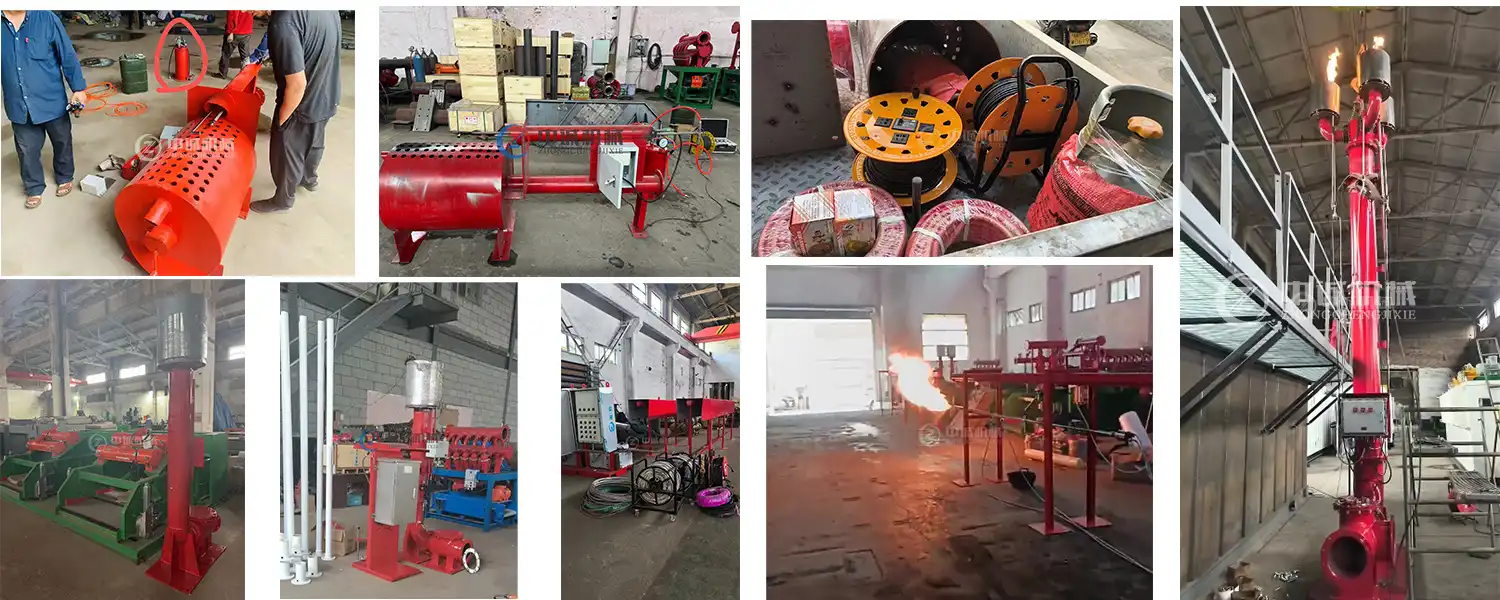
This is ZHONGCHENGJIXIE's vertical ignition unit. The torch diameters are 150 mm and 200 mm, and the torch heights are 2.5 m and 3 m. The level of electrical protection is at least IP55, which means it can handle water jets and dust getting in. This is a real requirement on active drilling sites. The device has both remote and manual ignition modes, which give users choices when there is a blowout or when they are just releasing gas normally.
How It Compares to Horizontal and Manual Alternatives
It is clear that manual ignition methods can put personnel at risk. Even though horizontal flare devices can work in open yards, they require considerably more ground clearance on the sides. Both issues are addressed by the electronic flare ignition device - vertical. Its upward-oriented design requires only the base footprint, while the electrical ignition system of the electronic flare ignition device - vertical eliminates the need for personnel to approach the flare point directly. For drilling sites where space and operational safety are critical, the electronic flare ignition device - vertical is an important equipment choice rather than simply an optional feature.
Evaluating Suitability for Compact Drilling Site Layouts
The Space Problem on Real Drilling Sites
There isn't enough room for large pieces of equipment at compact drilling sites like mountain slopes, forest edges, and ocean platforms. A horizontal flare boom or a torch that needs to be managed by hand needs buffer zones that can't be found in tight places. The small base size of the vertical unit solves this problem right away. When mounted with an anchor bolt or a weighted base, it only takes up the space needed by the base, leaving other tools and inspection routes available in the surrounding areas.
Safety Distance and Ground-Level Protection
The vertical structure lifts the ignition head to a height of 2 to 5 meters above ground, which is one of the most important parts of the design. This keeps the active flame away from cables, manifold connections, mud circulation lines, and people who are inspecting the area. That space between them is what makes a controlled burn different from a ground fire in a blowout situation. The top cover of the device is made of stainless steel, which keeps the arc stable even when there is a lot of wind. This makes sure that the sparks can start right away, even when there is a lot of airflow.
Field Performance in Constrained Environments
The vertical design makes good use of thermal convection. Since hot combustion gases naturally rise, the upward airflow near the ignition head helps mix combustible gas with combustion air, which makes the deflagration process more effective at the point of ignition. This gain, based on physics, stays the same no matter the weather. This built-in stabilization helps sites in hilly or forested areas where lateral wind gusts are hard to predict, without the need for extra mechanical adjustment.
Here are the main structural benefits that directly deal with the problems that come up with small sites:
- Wind and shock resistance: The tower, secured with anchor bolts or a weighted base, withstands vibrations and lateral wind forces during high-velocity blowout events, preventing collapse.
- Elevated ignition head: Raising the ignition source 2m–5m above ground keeps flames away from cables, manifolds, and personnel, significantly cutting ground fire risk.
- Stainless steel windproof cover: This cylindrical or conical top cover creates a stable airflow zone around the ignition point, protecting electrodes from rain and snow while ensuring arc consistency at high wind speeds.
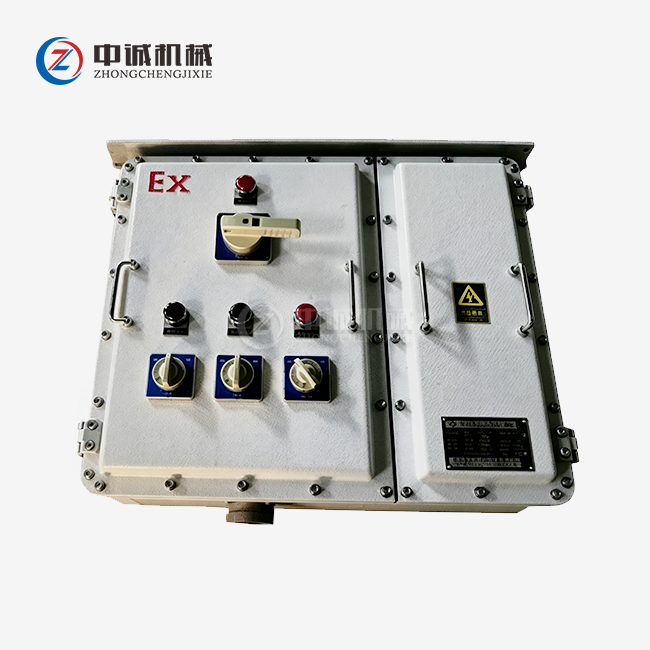
- Modular controller placement: The control unit mounts at an ergonomic height on the lower bracket, so operators can check instrument readings without climbing, and the elevated electrode head stays clear of ground-level mud and debris contamination.
Because of these structural advantages, there is less chance that equipment will break down and less need for maintenance. These are two things that directly affect drilling uptime and total operating cost.
Installation, Operation, and Maintenance Guidance
Site Preparation and Installation Steps
The base for an electronic flare ignition device - vertical must be level and structurally sound before installation. Anchor bolts should be secured into concrete, or the weighted base should be checked to ensure that it remains stable on the ground. ZHONGCHENGJIXIE provides complete installation instructions and commissioning support for the electronic flare ignition device - vertical, along with engineering drawings, component diagrams, and operation manuals. When installing the electronic flare ignition device - vertical in confined spaces, the installation team should confirm in advance that the low-impedance signal cable can reach the control panel and remain within the system's recommended distance to help minimize energy loss during ignition.
Operational Safety Features
The device has a remote ignition feature, so operators can start the combustion process from a safe distance when gas venting is happening. As long as the gadgets are protected by IP55+, they will still work in rain, dust, and mud splashes. The windproof cover and anode made of stainless steel keep the spark intact during temperature changes and corrosive gas conditions that are common in oilfield work. AC 220V/110V and compatible DC power setups are both normal choices, but they rely on the power infrastructure at the spot.
Maintenance Schedule and Troubleshooting
The vertical layout lowers the chance of contamination at the electrode level, but the system still needs to be checked on a regular basis. Every time it's time for maintenance, check the connection points and insulation integrity of the electrodes. The lower part of the bracket has a modular controller that lets workers read voltage and signal strength signs without having to use special climbing gear. ZHONGCHENGJIXIE backs the unit with a one-year warranty that covers everything and quick technical support after the sale. This lowers the chance of long downtime due to component problems.
Making an Informed Procurement Decision
Certifications That Matter for This Equipment
When looking for a vertical flare ignition unit, approvals are not just nice-to-haves; they are useful safety signs. The vertical flare firing device made by ZHONGCHENGJIXIE is approved by TÜV and BV and meets ISO 9001, ISO 14001, and ISO 45001 standards. It also meets HSE standards. These credentials show that the product meets requirements for quality management, environmental protection, and worker safety. This is important for projects that have to meet strict reporting requirements from regulators.
What to Evaluate Beyond Price
When purchasing managers look at vertical flare ignition providers, they should check how often they can deliver as well as the specs of their equipment. ZHONGCHENGJIXIE sends stocked items in three days and provides custom orders in fifteen days, which is a big plus for projects with tight deadlines. The business also provides safe packaging for transport using plastic film, tarps that don't get wet, and strapping. Depending on the needs of the equipment, boxes or wooden crates can also be provided. This standard for packaging is important for international shipments where the conditions of transit are hard to predict.
Matching the Device to Your Rig Configuration
Different types of drilling rigs, from ZJ30 to ZJ90, have different outputs and gas volumes, so the electronic flare ignition device - vertical should be selected according to the site's operating requirements. The system can be configured to fit different applications through the available 150 mm and 200 mm torch sizes and 2.5 m and 3 m torch heights. When requesting a quote for an electronic flare ignition device - vertical, procurement teams should provide information about the rig type, expected gas volume, and separator model to ensure that the electronic flare ignition device - vertical is properly sized for the application. This approach helps ensure that the selected electronic flare ignition device - vertical matches the site's installation space and operating conditions.
Future Perspectives and Trends in Flare Ignition for Drilling Sites
Remote Monitoring and Digital Integration
Flare systems are becoming easier to keep an eye on from afar, especially at places with fewer people working there. With this change, vertical ignition devices that have built-in remote starting modes are already ready to go. As SCADA and PLC systems become more popular on land rigs, ignition devices that can handle long-distance control signals without electromagnetic interference will stop being extras and become the norm.
Environmental Compliance Driving Equipment Upgrades
US oilfield operators are under more and more pressure to show that they can control flaring and lower VOC emissions. Instead of depending on pilots that can go out in bad weather, reliable electrical ignition directly supports compliance by making sure that combustion happens every time gas is released. Companies that have to follow EPA or state-level air quality rules should use ignition reliability data to help them choose the right equipment.
Long-Term ROI Considerations
A vertical flare ignition unit that doesn't need as many repair calls, can handle rough site conditions, and meets certification standards will cost less over its lifetime than a cheaper unit that breaks down during important operations. ZHONGCHENGJIXIE's one-year guarantee is a good starting point, and the long-lasting stainless steel design means that the product will still work well after that time if everything is used normally.
Conclusion
The electronic flare ignition device - vertical works well on small drilling sites because it is purpose-built for applications where space is limited. The upright design, compact base size, elevated ignition head, and wind-resistant structure of the electronic flare ignition device - vertical work together to address common challenges in confined areas. When combined with two ignition modes, including remote and manual operation, approved build quality, and strong after-sales support, the electronic flare ignition device - vertical provides a practical and cost-effective solution for operators working in space-constrained oilfield environments. For procurement teams, selecting the right electronic flare ignition device - vertical can also help simplify installation and ongoing field operation.
FAQ
Can a vertical flare ignition device be retrofitted onto an existing compact site?
Yes. The small base size and standard anchor bolt mounting make it easy to install on most small sites that are already there. The most important thing is to make sure that the base surface can support the anchor configuration and that the site layout allows for cable routing to the control panel.
What certifications should I verify before purchasing?
At the very least, make sure that the company follows ISO 9001 for quality control, ISO 45001 for safety at work, and HSE rules. TÜV and BV approvals add another level of security to projects that need to meet foreign standards. All of these are in ZHONGCHENGJIXIE's vertical firing unit.
How often should the ignition electrode be inspected?
In a normal drilling site, check the electrodes and insulation every time you do preventative maintenance. Good ceramic-insulated electrodes last between 2 and 5 years, based on how corrosive the gas is and how often they are used.
Does the device work during heavy rain or snow?
Yes. Water can't get into the electrode or electronics because of the IP55+ rating and the windproof stainless steel cover. The flame-stabilizing cover keeps the spark steady even when the weather is bad.
What is the maximum control cable distance from the panel to the flare tip?
50 to 100 meters can be used with standard configurations. With low-impedance lines, that distance can go up to 200 meters without losing a lot of energy, which is necessary for places where the control room is farther away from the flare point.
Get a Quote from ZHONGCHENGJIXIE for Your Site
Vertical flare ignition devices are sold by ZHONGCHENGJIXIE directly from the maker. You can customize them to fit your rig type, site plan, and government regulations. Every unit comes with a one-year guarantee, full technical documents, and quick customer service after the sale. We are a qualified electronic flare ignition device - vertical maker with TÜV, BV, and ISO qualifications. Today, you can get a quote or download product specs by emailing us at oliver@zcgukong.com or going to zcsolidscontrol.com.
References
1. Society of Petroleum Engineers (SPE) — Drilling Engineering and Well Control Practices, SPE Technical Report, 2021.
2. American Petroleum Institute (API) — API RP 521: Pressure-Relieving and Depressuring Systems, 7th Edition, 2020.
3. Oil & Gas Journal — Flare Management and Environmental Compliance in Onshore Drilling Operations, 2022.
4. International Association of Oil & Gas Producers (IOGP) — Flare and Vent Management Report No. 616, 2020.
5. National Fire Protection Association (NFPA) — NFPA 85: Boiler and Combustion Systems Hazards Code, 2023 Edition.
6. Journal of Petroleum Technology (JPT) — Remote Ignition Systems and Safety Advances in Compact Rig Configurations, 2023.
.webp)