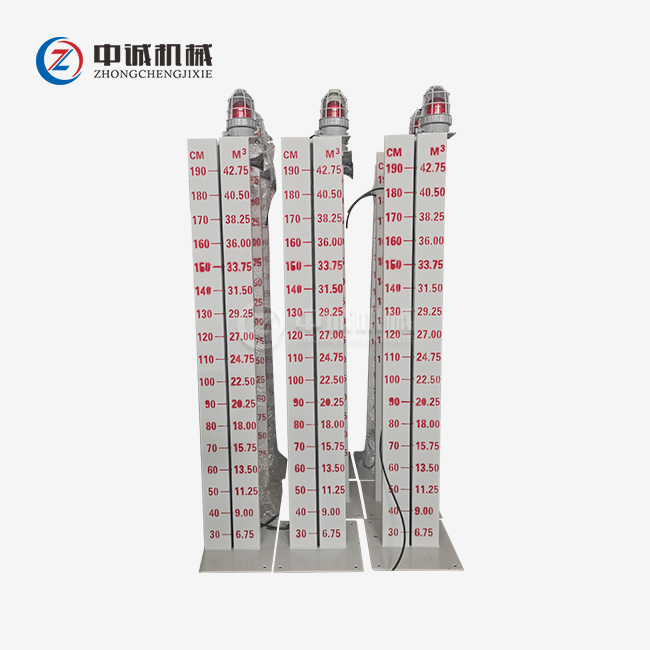
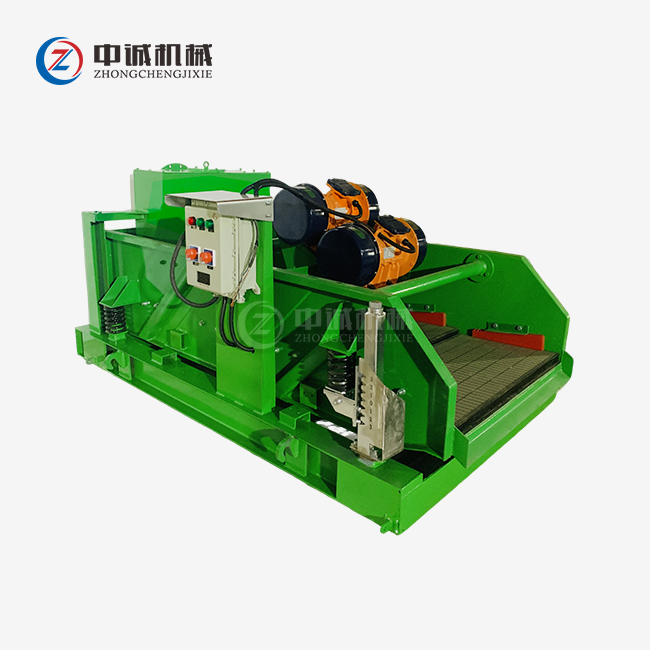
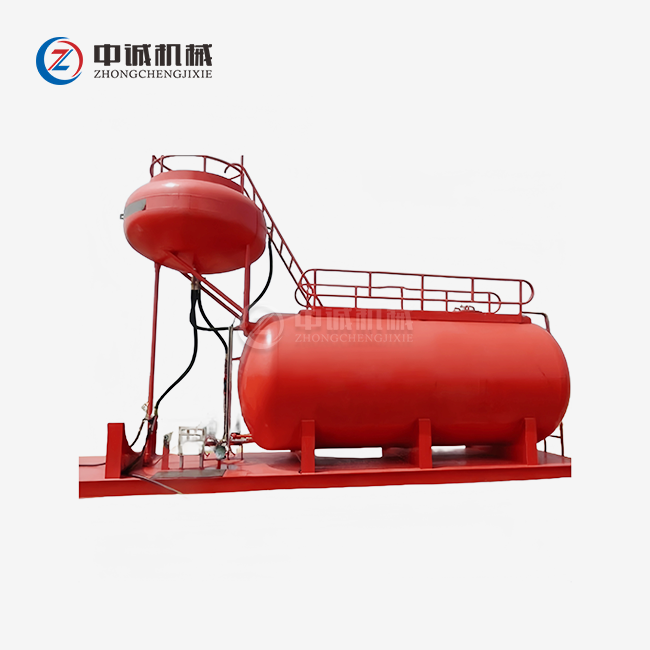
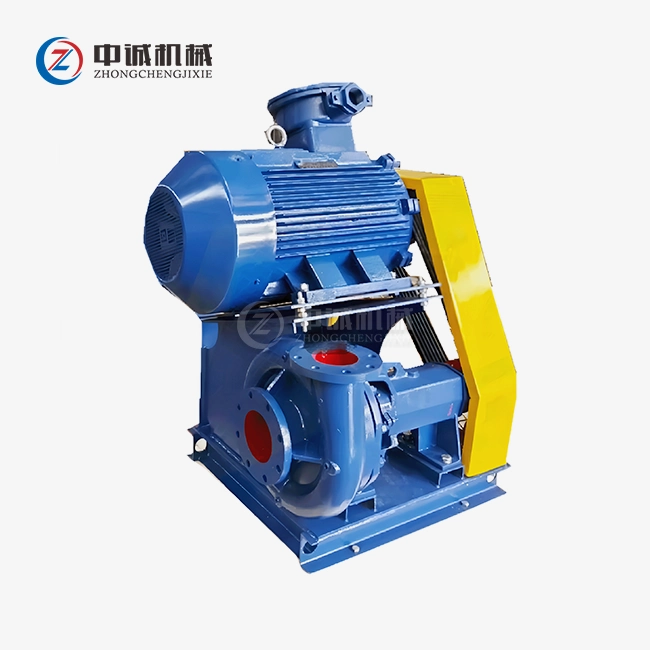
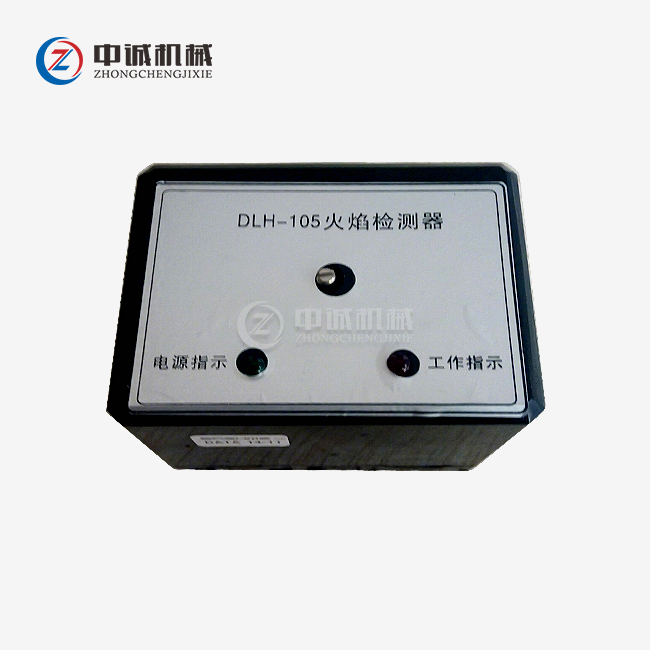
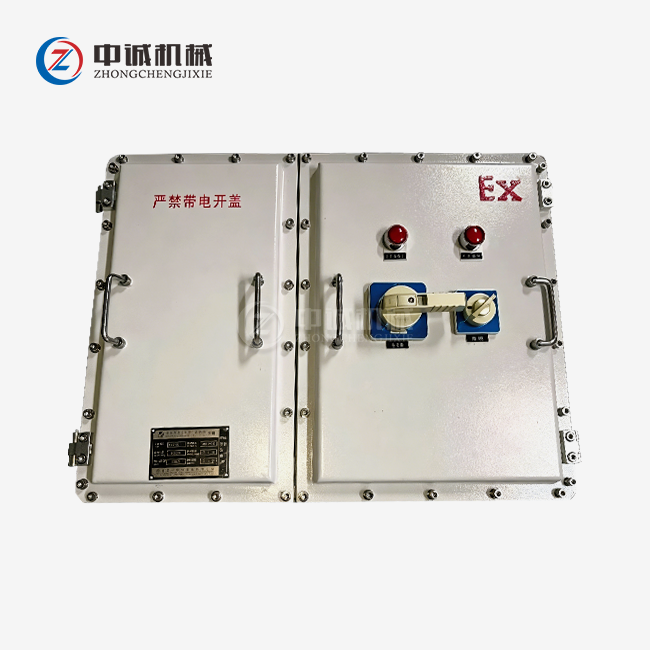
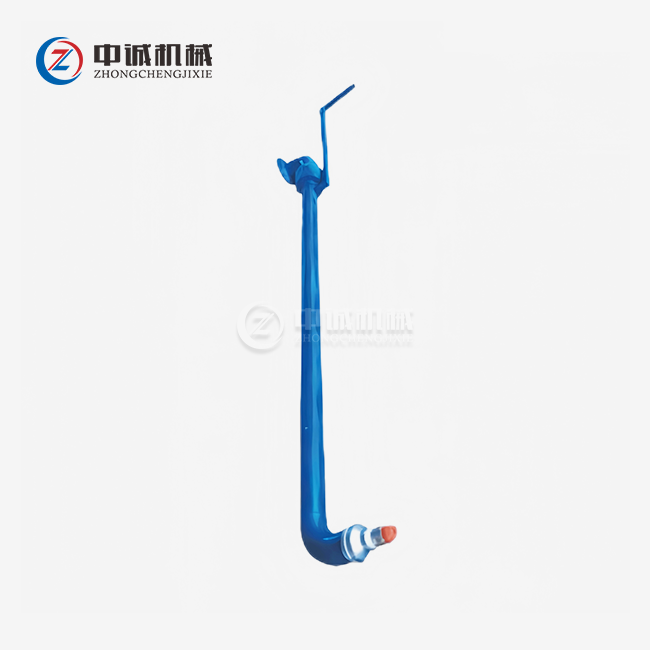
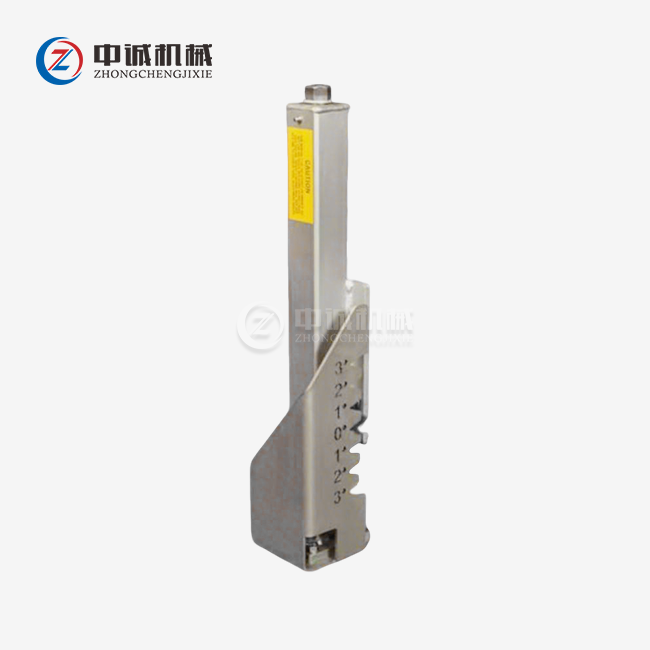
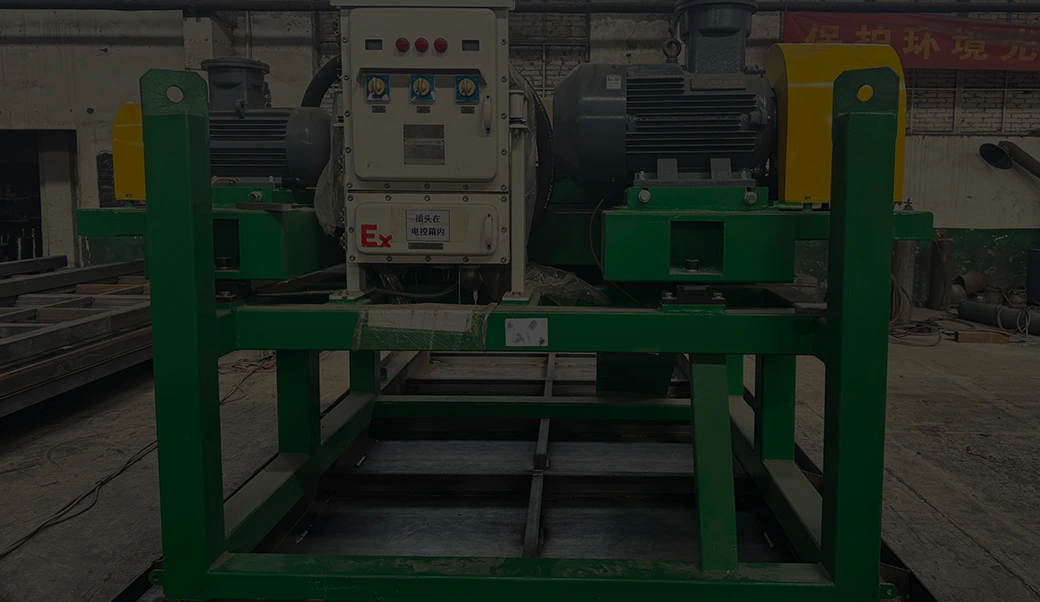
The Electronic Flare Ignition Device - Vertical gives oilfield safety teams a dependable, space-saving solution for managing waste gas discharged from mud gas separators during active drilling operations. Its upward vertical layout keeps the ignition head elevated 2–5 meters above ground level, reducing fire risk near personnel and equipment. With dual remote and manual ignition modes, IP55-rated enclosures, and certifications including ISO 9001/14001/45001, TÜV, and BV, this device addresses the specific pressure points drilling contractors face: unreliable ignition in harsh weather, tight site layouts, and strict environmental compliance requirements.
Understanding the Vertical Electronic Flare Ignition Device
It's helpful to know exactly what this equipment does and why its design is important in the field before comparing goods or going over specs.
What It Does and Where It's Used?
The mud gas filters work directly with the vertical flare ignition device to safely burn off waste gas before it gets to the air. It is often used on offshore drilling platforms, small onshore rigs, and places with limited room, like mountainous areas or spots at the edges of forests. It comes with torch diameters of 150 mm and 200 mm and heights of 2.5 m and 3 m, which give project engineers a lot of choices for how to set up the rig.
How the Vertical Orientation Works in Practice?
Natural thermal convection is used by the vertical plan to move hot burning gas upward. This helps the flammable gas and air mix well near the spark plug before a fire starts. When gas flow and flame direction don't work against each other, burning happens faster and more completely. That speed of ignition is not a small thing for drilling teams that have to deal with blowouts; it is a direct safety variable.
Key Design Attributes That Set It Apart
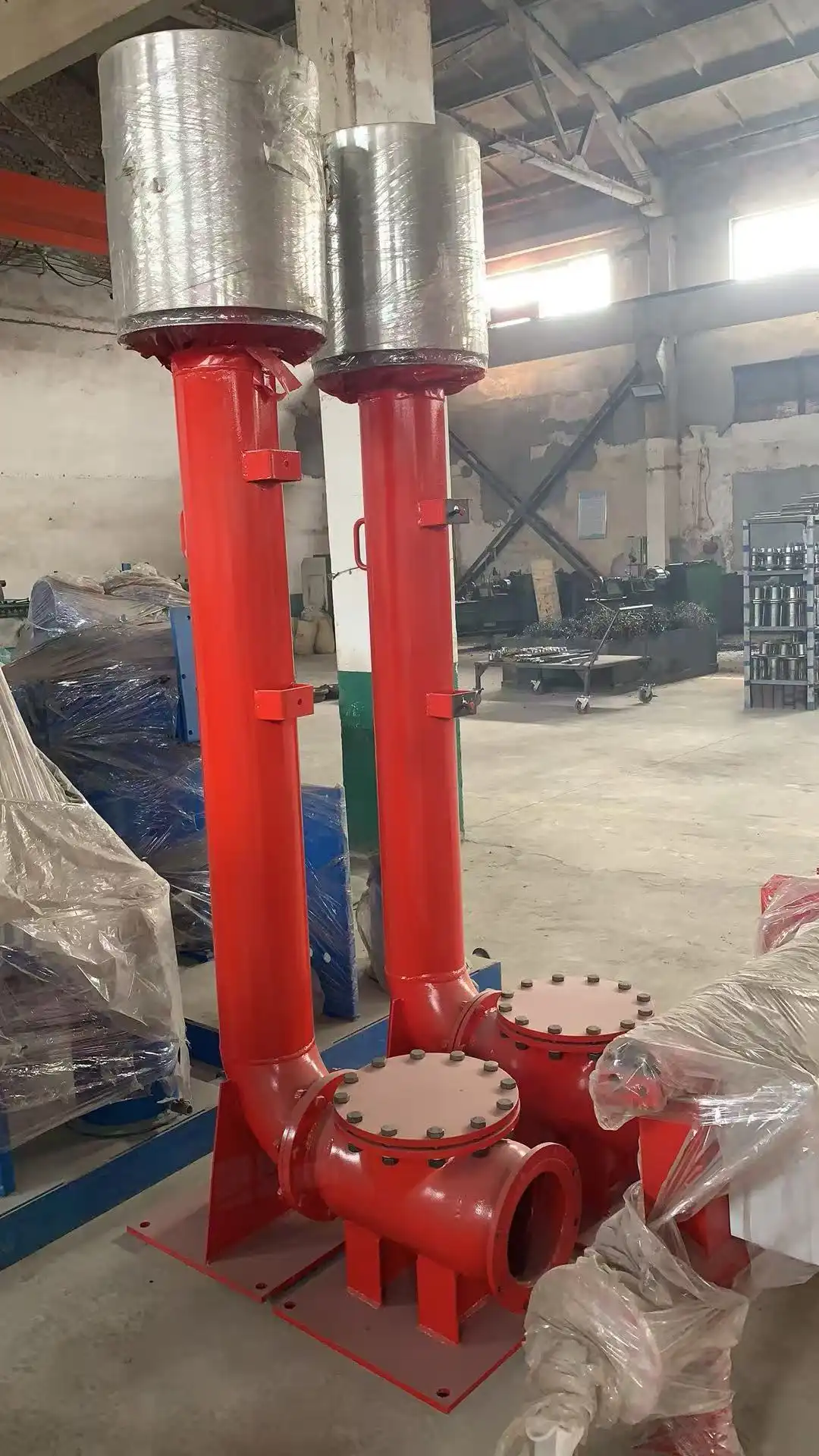
The unit's top has a stainless steel cover that keeps out wind and keeps the flame stable. This cylinder-shaped or cone-shaped shield creates a calm airflow zone around the electrode. This keeps the arc in place even when the wind is blowing hard. The controller is mounted on the lower bracket at a comfortable height, so workers can check the voltage and signal strength without having to stand. The high electrode position also keeps it above mud and other waste in the ground, which is one of the main reasons why sparks don't work on busy drill sites.
Comparing Vertical and Horizontal Electronic Flare Ignition Devices
A lot of the time, procurement managers wonder if the vertical format really works better than horizontal options or if the difference is just for looks. There are differences in how they are built and how they work.
Structural and Spatial Differences
In low-lying places, horizontal units are more likely to get waterlogged because they need a bigger surface. The Electronic Flare Ignition Device - Vertical format takes up less space on the ground, which is important on offshore platforms or small land rigs where every square meter of deck space is valuable. The anchor bolt or weighted base design of the vertical tower also better handles lateral wind forces, which keeps it from falling down during high-velocity gas events.
Performance Under Harsh Field Conditions
When there is a drilling blowout, the wind puts a lot of stress on the tools. The upward direction and safe mounting of the vertical tower make it better at removing lateral stress than horizontal designs. API Recommended Practice 521 says that when designing a flare system, it's important to think about both wind loads and flame stability. The vertical format solves both of these problems directly through its shape, without the need for extra hardware.
Procurement Considerations for B2B Buyers
When looking at different suppliers of vertical flare igniters, buyers should pay attention to the electrical protection rating (at least IP55), the torch diameters that are available, the certification paperwork, and the warranty terms. The vertical ignition device from ZHONGCHENGJIXIE comes with a one-year guarantee that covers everything, as well as full installation instructions and expert operating support. Units that are in stock can be shipped in three days, and units that are made to order take fifteen days to make. When project managers are in charge of multi-rig deployments and there are gaps in the equipment, these lead times are important.
Installation, Maintenance, and Troubleshooting of Vertical Electronic Flare Ignition Devices
Correct placement is what protects or hurts the performance of tools. This is what field teams need to know.
Installation Best Practices
Anchor bolts should be used to secure the device at the base so that it doesn't move when high-speed gas flows through it. The layout of the site must be taken into account when choosing the length of the control cable between the panel and the ignition tip. Standard systems can handle 50–100 meters, but low-impedance cable configurations can go up to 200 meters without losing much energy. To stay strong in rain, dust, and mud, all connections must meet the electrical protection standard of at least IP55.
Routine Maintenance Protocols
In environments where Electronic Flare Ignition Device - Vertical units are used all the time, electrode heads should be checked every 30 to 60 days. It is important to check the stainless steel protective cover for rust or physical damage, especially after bad weather. Controllers should be checked to make sure that the output voltage and spark frequency are always the same. Depending on the gas makeup and working cycle frequency, high-quality ceramic-insulated electrodes should last between two and five years.
Troubleshooting Common Ignition Faults
When the unit fails to ignite, the most common reasons are electrode contamination, not enough high-voltage output, or cable damage. First, operators should use a standard voltmeter to check the voltage output at the control box. Then, they should look at the electrode tip for mud buildup or corrosion. Spark frequency can drop below the effective level if the transformer is failing. The best way to find out what's wrong is to look at a functional test report and compare the Joules output to the manufacturer's specifications.
Ensuring Safety and Compliance with Electronic Flare Ignition Devices - Vertical
This part talks about the legal aspect that buying teams and HSE managers see as more and more important.
International Standards Alignment
The vertical flare firing device made by ZHONGCHENGJIXIE meets the requirements of ISO 9001, ISO 14001, ISO 45001, TÜV, BV, and HSE. The electrical safety level is at least IP55, and the device is made to be used in hazardous areas. These certifications directly meet the qualifications that most foreign oilfield operators require of equipment sellers before they can start a job.
Risk Mitigation Through Vertical Design
The higher spark head keeps the active flame at least two meters above infrastructure that is below ground level. This makes it much less likely that cable fires, damage to manifolds, and injuries to workers will happen during gas combustion events. The flame-stabilizing cover lowers the chance of incomplete burning even more. This is important for safety and environmental reasons, because unburned hydrocarbons add to VOC emissions that are against EPA and international air quality rules.
Environmental Compliance Benefits
When Electronic Flare Ignition Device - Vertical lighting is reliable, there are fewer partial combustion events and less fugitive pollution. For people who have to follow the rules for EPA 40 CFR Part 60 flares or similar foreign frameworks, having a device with proven ignition reliability is helpful during regulatory exams. In its 2022 flare monitoring rule updates, the Environmental Protection Agency made it clear that upstream oilfield flare systems must have verified records of their ignition performance.
Buying Guide and Brand Recommendations for Vertical Electronic Flare Ignition Devices
Choosing a vertical flare igniter is not a line-item purchase, but a decision made at the project level. You get more from the right supplier than just a product. They also provide technical documentation, support in the field, and a reliable supply chain.
When looking for a vertical flare spark source, these are the main things that buyers should think about:
- Certifications: Confirm ISO, TÜV, BV, and HSE documentation is current and applicable to your project jurisdiction.
- Torch specifications: Match diameter (150 mm or 200 mm) and height (2.5 m or 3 m) to your rig class and gas volume requirements.
- Ignition modes: Dual remote and manual ignition capability is standard for serious oilfield applications — single-mode devices introduce operational risk.
- Electrical protection: IP55 is the minimum; offshore and high-humidity environments should specify IP66.
- Warranty and support: A one-year comprehensive warranty, paired with installation guidance and commissioning support, protects your project timeline and budget.
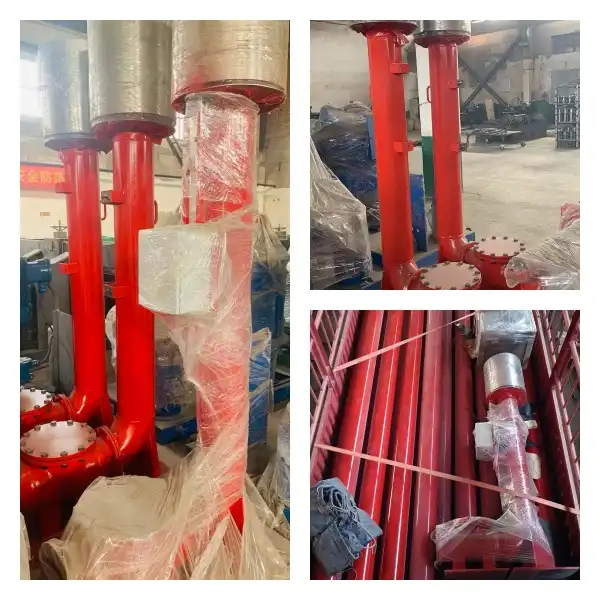
These things have a direct effect on the total cost of ownership. A cheap device with bad after-sales service and a high failure rate will cost a lot more over the course of three years than a properly certified device with recorded service response. As standard, ZHONGCHENGJIXIE provides full technical paperwork, engineering drawings, and operation instructions. These are the things that EPC contractors and procurement managers always say are important for making decisions.
Conclusion
The Electronic Flare Ignition Device - Vertical fixes real problems that drilling companies face every day, like gas not burning properly in bad weather, not having enough room to install things on small rigs, and having to show more proof of environmental compliance. Its high ignition head, thermal convection advantage, wind-resistant structure, and two ignition modes are all built to solve these problems instead of finding ways to get around them. This format is useful and well-known for oilfield operators, EPC contractors, and equipment procurement managers who need a certified, field-proven solution that works with mud gas separator systems.
FAQ
What is the difference between a vertical and horizontal flare ignition device?
The vertical design keeps the ignition head above ground-level equipment, which increases safety and lowers the chance of contamination. The horizontal format needs more space and is more likely to get water on it. The vertical plan works better for small rig sites and offshore platforms in general.
How often should the ignition electrode be inspected?
Electrode inspections are usually done every 30 to 60 days in ongoing drilling activities. Ceramic-insulated electrodes usually last between two and five years, but this depends on the type of gas used and the duty cycle.
Can this device operate in heavy rain or extreme cold?
Yes. The IP55 grade for electrical protection keeps the electrode working even when it's wet or dusty, and the stainless steel protective cover keeps rain and snow from getting to it. For offshore and high-humidity locations, IP66 should be used.
What power supply does this device require?
Standard setups work with AC 220V and 110V. For remote areas without access to the grid, DC 24V versions with solar and battery backup are available.
Is the device compatible with different mud gas separator models?
Yes. The gadget is made to work with mud gas filters on a range of rig types, from ZJ30 to ZJ90. On request, you can get custom configurations that fit the dimensions of a certain separator outlet.
Get a Quote for Your Next Project — Contact ZHONGCHENGJIXIE Today
The Electronic Flare Ignition Device - Vertical is sold by ZHONGCHENGJIXIE directly from our factory in Shaanxi Province. Units that are in stock are sent out within three days. We are a certified Electronic Flare Ignition Device - Vertical manufacturer with approvals from ISO, TÜV, and BV. We back up every unit with a one-year guarantee and full support for setting it up. You can get a product catalog and wholesale prices by going to zcsolidscontrol.com or emailing oliver@zcgukong.com with the details of your project.
References
1. American Petroleum Institute. API Recommended Practice 521: Pressure-Relieving and Depressuring Systems. 7th Edition, 2020.
2. U.S. Environmental Protection Agency. Standards of Performance for New Stationary Sources — Flare Requirements Under 40 CFR Part 60. 2022.
3. International Electrotechnical Commission. IEC 60079-0: Explosive Atmospheres — Equipment General Requirements. Edition 7, 2017.
4. Energy Institute. Guidelines for the Design and Safe Operation of Flare and Vent Systems. 2nd Edition, 2021.
5. Occupational Safety and Health Administration (OSHA). Process Safety Management of Highly Hazardous Chemicals — 29 CFR 1910.119. 2019 Update.
6. Journal of Loss Prevention in the Process Industries. Flare ignition reliability and its impact on upstream oilfield safety management outcomes. Vol. 78, 2022.