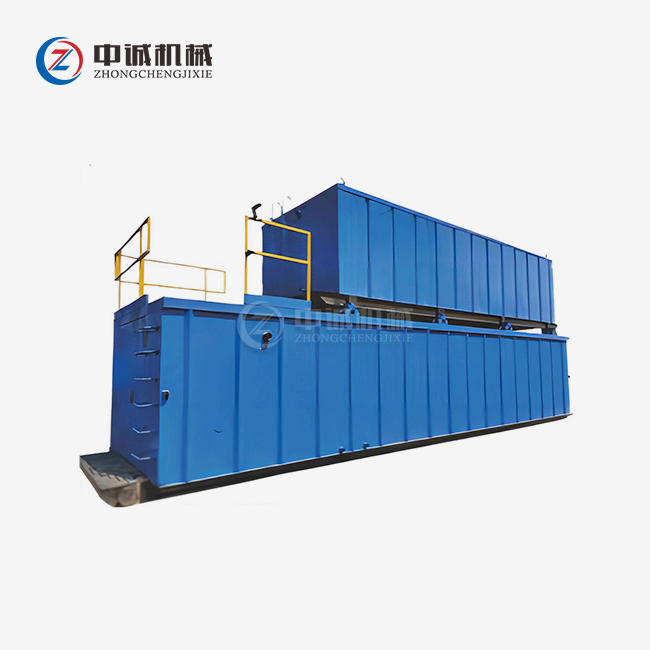
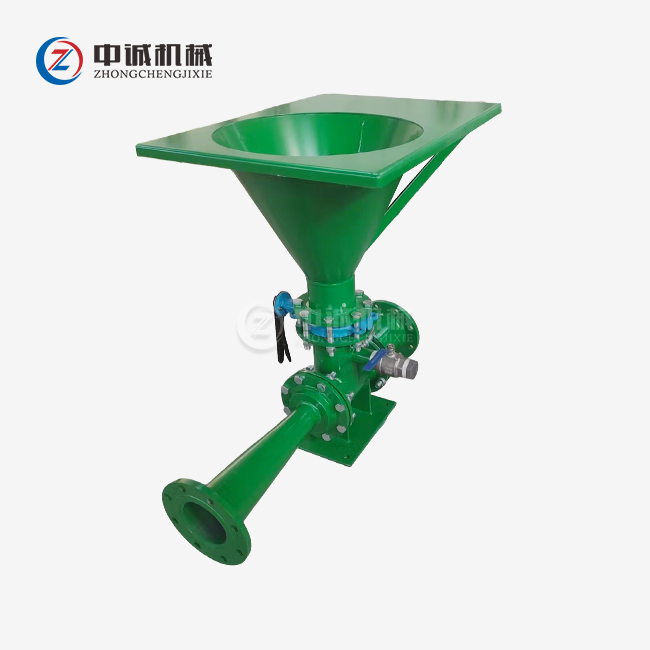
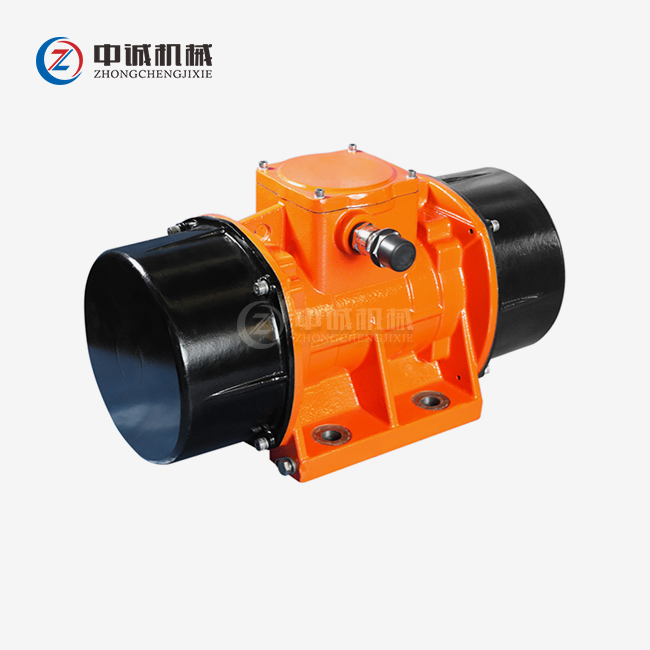
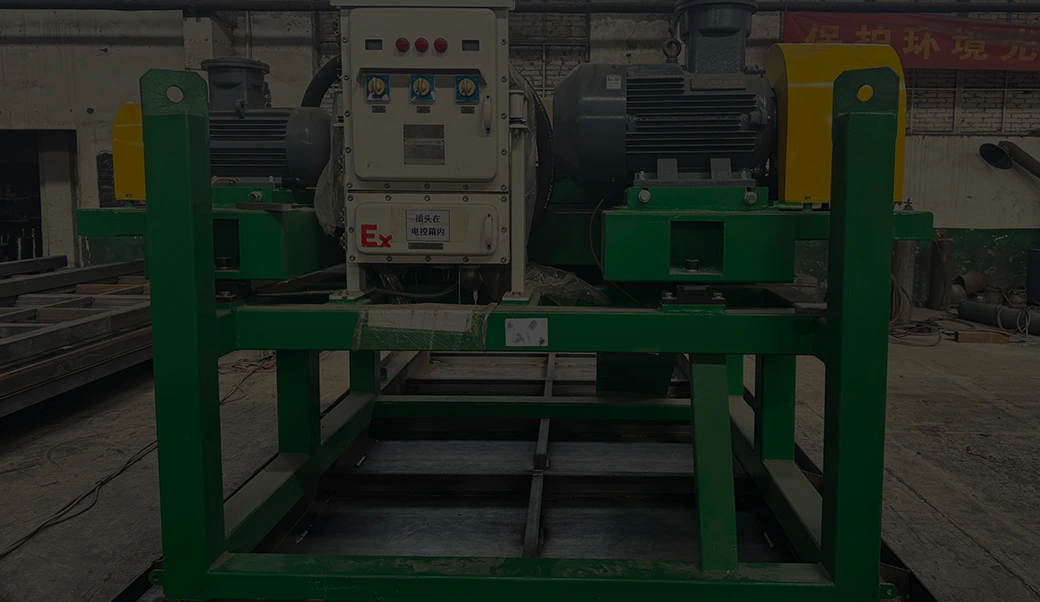
A mud cleaner removes solids from drilling fluid by combining hydrocyclone separation with underflow shaker screening in a single integrated unit. Contaminated mud enters the hydrocyclones under controlled feed pressure, where centrifugal force stratifies solids by particle density and size. The separated solids discharge onto a vibrating screen deck below, which recovers residual liquid phase and discharges dry cuttings. This sequential process targets fine particles in the 15–74 micron range that primary shale shakers cannot capture, protecting downstream equipment, preserving costly drilling fluid, and sustaining consistent mud properties throughout the circulating system.

Understanding the Fundamentals of Mud Cleaners
Drilling fluid, or "mud," brings cuttings to the top, keeps the drill bit cool, and keeps the wellbore stable. When small, rough solids build up in a fluid, the viscosity goes up, pump wear speeds up, and bit life gets shorter. The second- and third-stage solids control machine known as a Mud Cleaner is made to catch those bits before they do any harm.
How the Three-Stage Separation Works
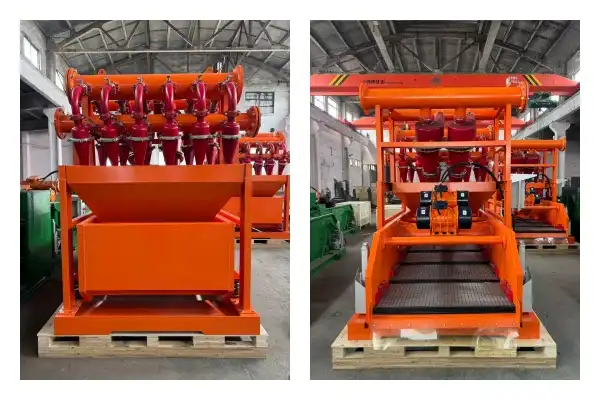
The ZC Series Mud Cleaner integrates a desander section with two 10-inch cones, a desilter section with twelve 4-inch cones, and an underflow shale shaker into a compact frame. First, drilling fluid enters the 10-inch desander cones of the Mud Cleaner, where medium-sized solids of approximately 47 microns are removed. The partially cleaned fluid then flows into the twelve desilter cones, which are designed to separate smaller particles down to approximately 15 microns. Finally, the combined underflow from the Mud Cleaner falls onto a high-frequency vibratory screen, which recovers the liquid phase and discharges the solids with a lower moisture content. By combining three separate stages of solids separation into a single pass, the Mud Cleaner can improve processing efficiency compared with operating separate units sequentially.
Why Hydrocyclone Geometry Matters
Cut point is determined by cone diameter. Larger 10″ cones produce less rotational force, which makes them good for objects that are rough. Four-inch cones that are smaller spin fluid faster and catch silt particles that are smaller. The 2-12 configuration in the ZC Series can handle 1,000 to 1,200 GPM, which is the same flow rate as medium- to deep-well rigs without overworking the system.
Challenges in Complex Drilling and the Role of Mud Cleaners
A lot of abrasive fines are made by directional drilling, extended-reach wells, and high-pressure formations. API RP 13C says that weighted mud systems with low gravity solids (LGS) content above 6% can raise the equivalent flowing density to a point where formation fracture is possible. That picture shows why solids management is important—it's a matter of well integrity.
If fine silts get past the primary shaker, they can damage the mud pump liners, speed up drill string washouts, and cause stuck-pipe events that cost operators tens of thousands of dollars every hour of downtime. If there isn't a good recovery unit for horizontal directional drilling (HDD) projects, the cost of replacing bentonite slurry can take up 20–30% of the fluid budget.
Right here is where the Mud Cleaner really shines. By catching solids in the 15–74 μm window, it controls LGS levels, lowers the amount of fluid that needs to be thrown away, and lowers the number of times that expensive mud reconditioning needs to be done. The ZC Series also works with trenchless technology, base and piling engineering, tunnel shield tunneling, and mine sludge management—all of which need closed-loop fluid collection for environmental and economic reasons.
Technical Specifications and Performance Optimization
Before purchasing a high-performance solids control unit, it is important to understand how it works. The following features have been confirmed to be in the ZC Series:
- Separation particle size: 15–74 μm
- Processing capacity: 120–320 m³/h of processing power, or 1,000–1,200 GPM in the normal 2–12 configuration.
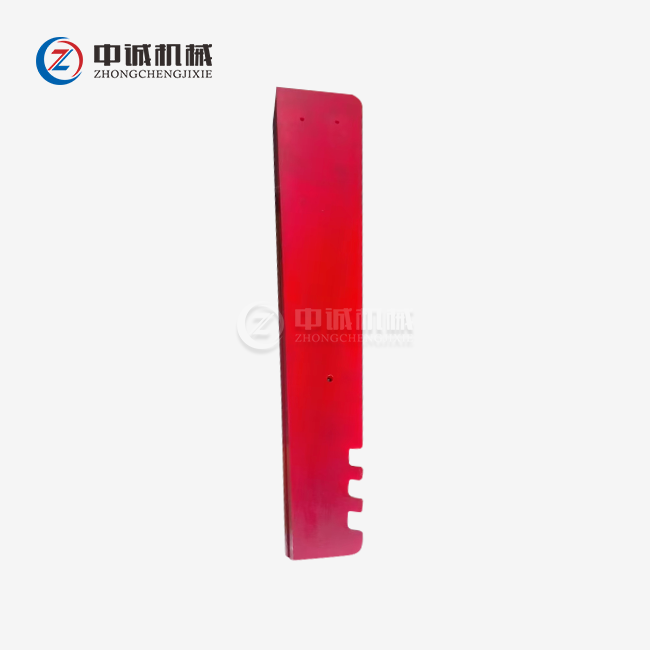
- Cyclone material: Made of 100% high-grade polyurethane (PU), which is more resistant to wear and corrosion than ceramic alternatives.
- Screen deck: High-frequency vibrating motor that lets you change the deck angle manually or hydraulically in real time to finetune the thickness.
- Frame: Sectional clamp design lets cones be swapped out quickly without shutting down the whole system.
These specs show that the unit can work with rigs that are set up in ZJ30 to ZJ90 configurations.
Uptime is directly related to how often repair is done. Every day, check the cyclone apex discharge pattern. A healthy apex discharges in a hollow-cone spray pattern at an angle of about 20°. If the outflow narrows into the shape of a rope, the tip is worn or clogged and needs to be fixed right away. Every shift, the screen panels should be checked for blinding, wire wear, and broken panel frame seals. As long as the feed pressure stays between 25 and 40 psi, the sorting efficiency stays within the planned cut-point range. If the pressure drops below this level, coarse particles can move into the clean mud tank.
The ZC Series's integrated structure saves a lot of installation space on the drilling platform compared to putting a desander, desilter, and shaker in different places. This small footprint is especially useful on offshore decks and HDD job sites in cities where space is limited.
How to Choose the Right Mud Cleaner for Your Drilling Operations
To choose a Mud Cleaner that truly meets practical operational requirements, buyers must evaluate multiple technical and financial factors at the same time. Because the market includes both major international brands and smaller specialized manufacturers, objective comparison criteria are essential when selecting a Mud Cleaner. The most important technical considerations include processing capacity relative to the circulating volume of the drilling rig, the cut-point range required by the formation geology, and the number and size of the hydrocyclone cones. A Mud Cleaner with too few desilter cones may become overloaded during periods of high solids content, reducing separation efficiency when effective solids control is needed most. By carefully evaluating these factors, operators can select a Mud Cleaner that provides the required capacity, separation performance, and long-term operational value.
Beyond performance, consider the following when evaluating suppliers:
- Material quality: PU cyclones work better than cast-iron cones in muddy conditions that are harsh on chemicals and have been shown to last longer.
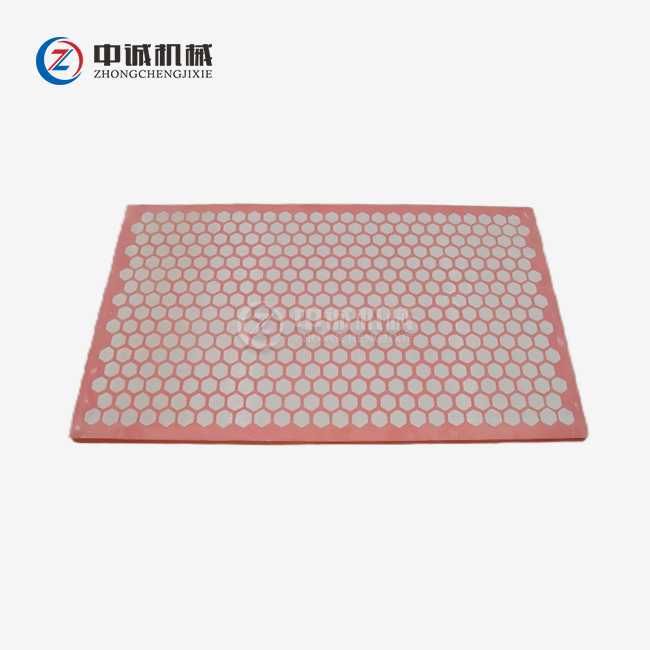
- API RP 13C compliance: To make sure that separation rates are always the same, underflow shaker screens should meet API guidelines for conductance and non-blanked area.
- Customization capability: Drilling programs are different. When suppliers can change the number of cones, the width of the cones, the shape of the tank integration, and the motor specs to fit your rig's layout, commissioning risk is lower.
- Certifications: Look for ISO 9001/14001/45001, HSE compliance, and third-party approvals from groups like TÜV and BV. These show that the company is good at both making things and taking care of the environment.
- Delivery and support commitments: Stocked units are sent out within three days, and customizable units are provided within fifteen days. This gives time-sensitive projects a useful operating cushion.
All of these rating factors are met by the ZC Series. Its adaptable design lets you change the number of desander and desilter cones, the size of the cones, and the equipment's compact structure to fit on top of tanks with limited space. This way, the equipment fits perfectly with your current circulation system, instead of the system having to be changed to fit the equipment.

Conclusion
For drilling to be profitable, solids control must work well. A well-chosen Mud Cleaner extends the life of pumps and bits, keeps drilling fluid within its planned rheological envelope, and lowers the amount of waste that must be thrown away to meet stricter environmental rules. The ZC Series from Shaanxi Xixian New Area Zhongcheng Machinery Manufacturing Co., Ltd. comes in a small, certified box and has three stages of purification, wear-resistant PU cyclones, and different setup choices. Choosing the right solids control unit for your circulating system is a smart move that pays off quickly, whether you work with deep oil and gas wells, HDD corridors, geothermal bores, or foundation piling projects.
FAQ
What separates a mud cleaner from a standalone desilter?
A separate desilter sends both the solids and the liquid that gets stuck in them straight to the trash. A Mud Cleaner puts a vibrating shaker under the cone underflow to get that liquid phase back into the active system. This cuts down on the loss of expensive drilling fluid and the amount of trash.
What feed pressure should I maintain for the hydrocyclones?
25–40 psi (about 75–90 feet of head) is the suggested working range. Pressures below this range make the cut-point less accurate, and pressures above it speed up cone wear before it should.
Can the ZC Series handle weighted mud systems?
Yes. The choice of screen is very important because the panels need to keep the barite in while letting the fine silts flow out. Our tech team can help you figure out what API screen name is best for your mud's weight and consistency.
How often should cyclone apexes be inspected?
Every shift, look at the flow pattern. A strong spray cone shows that everything is working right. A rope discharge means that the apex is worn out or clogged and needs to be replaced right away.
Does this equipment contribute to zero-discharge compliance?
The ZC Series is an important part of closed-loop and zero-discharge systems because it recovers drilling fluid that would normally be dumped with the trimmings. This cuts down on the amount of liquid waste by a large amount.
Partner With a Trusted Mud Cleaner Manufacturer — Request Your Quote Today
The ZC Series Mud Cleaner is designed and made by ZHONGCHENGJIXIE, which has been in business for over 30 years, is fully certified by ISO 9001/14001/45001 and TÜV/BV, and has a history of delivering custom engineering solutions. Talk to our expert team about how you want your rig to be set up, how much working power you need, and when you need it done. To get a custom quote, email us at oliver@zcgukong.com or go to zcsolidscontrol.com.
References
1. American Petroleum Institute. API RP 13C: Recommended Practice on Drilling Fluids Processing Systems Evaluation. 4th ed. API Publishing Services, 2010.
2. Caenn, R., Darley, H. C. H., & Gray, G. R. Composition and Properties of Drilling and Completion Fluids. 6th ed. Gulf Professional Publishing, 2011.
3. Bourgoyne, A. T., Millheim, K. K., Chenevert, M. E., & Young, F. S. Applied Drilling Engineering. Society of Petroleum Engineers, 1986.
4. Rehm, B., Schubert, J., Haghshenas, A., Paknejad, A. S., & Hughes, J. Managed Pressure Drilling. Gulf Publishing Company, 2008.
5. Mitchell, R. F., & Miska, S. Z. (Eds.). Fundamentals of Drilling Engineering. Society of Petroleum Engineers, 2011.
6. Drilling Contractor Magazine. Solids Control Technology and Drilling Fluid Management: Field Applications and Best Practices. IADC, 2019.