Buyers should judge a Mud Circulation Tank manufacturer on engineering ability, build quality, certifications, testing, delivery speed, and after-sales support, not on price alone. Start by defining working volume, rig size, and site conditions. Then check the circulation layout, steel and coating quality, weld inspection, and safety features. Ask for a line-item quotation so you can compare total cost of ownership, and confirm that the supplier provides drawings, manuals, training, and spare parts. A direct manufacturer with a verified factory can answer technical questions faster and take responsibility for the finished tank. These checks protect your rig schedule.
A mud tank affects fluid stability, solids control, uptime, and site safety for years after delivery. This guide walks through the checks I recommend before you place an order, whether you run a drilling rig, a piling project, or a distribution business in the United States.
Define Your Mud Circulation Tank Needs and Judge the Engineering
Start With Your Operating Conditions
Before you ask for a quote, write down the facts that will affect the idea. Some of these are the type of digging, the temperature, how easy it is to get to the site, the rate of pumping, the rules for power, and the safety rules. A ZJ40 rig tank for use on land is not the same as a tank for a unit on a truck that moves around or for a unit in the ocean that doesn't have much room. You can compare like with like if the specs are clear. This way, every maker can give you the same scope. Having a low price that doesn't include pumps, agitators, or mud guns is also a problem. Write down what you need and have each service look over it line by line.
Separate Geometric Capacity From Usable Volume
The amount of room in the tank that can be used is different from the total volume. Because of things like compartment walls, suction depth, and safe fluid levels, you can only use a certain amount of space. Ask each company to give you both numbers and tell you how they arrived at them. Then, add extra room to account for changes in the rate of circulation, fluid loss, and the weight of the materials. The treatment time has to be cut short if the Mud Circulation Tank is too small. This can hurt the properties of the mud. While oversizing makes the job site bigger, the cost of steel goes up, and it takes longer to move. A lot of people look at the standard 500 bbl and 1,000 bbl sizes first, then decide if a custom plan would work better for their rig.
Review the Circulation Design and Engineering Support
A good tank design lets the mud move out of the shale shaker, settle, be stirred, and then be sucked into the mud pump. Check out how the compartments are set up, the flow, and the placement of the agitators and mud guns. If the design of the pressure isn't right, cavitation can happen, and objects can settle in dead zones. Before the production process starts, your engineers should also get engineering drawings and flowcharts. It should also be easy to make changes to the style. They show if the supplier can really do engineering work or if they are just good at making steel boxes. It's also important that the tank can be used with the washers, dryers, de-sanders, and centrifuges you already have.
Check Materials, Fabrication, and Quality Control
Steel, Coatings, and Weld Quality
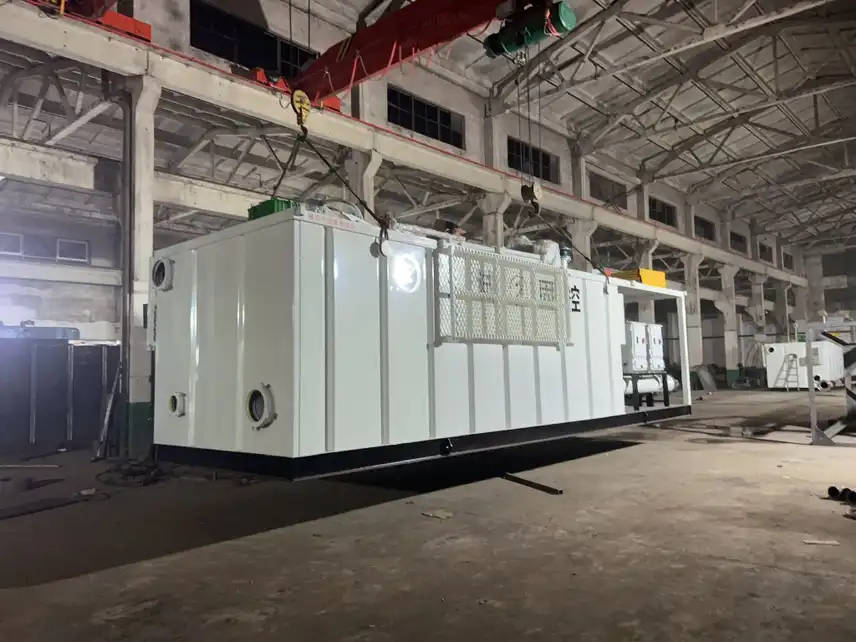
What makes the tank last longer is the steel, the welds, and the finish. Steel that is strong and doesn't cost too much is often used to make drilling tanks. But some fluids might need something else. If the supplier doesn't tell you how they prepare the surfaces before painting them, the coating won't last as long. It is just as important to paint the outside as it is the inside because drilling mud has rough solids and sometimes chemicals that break down metal. As for the weld inspection records, material certificates, and coating reports, you should ask for them. A fill test, a non-destructive weld test, and measuring the thickness of the layer are common parts of acceptance checks. The fill test makes sure the structure is waterproof. The loads being moved and the weight of the equipment on top should be the same. The lifting points and reinforcements should also be the same weight.
Standards and Certifications That Match the Service
You can find sites with certificates for a Mud Circulation Tank, but they need to be right for the job. To manage quality, use ISO 9001. To manage the environment, use ISO 14001, and to manage health and safety at work, use ISO 45001. The Mud Circulation Tank from ZHONGCHENGJIXIE is certified by HSE, TÜV, BV, and ISO 9001/14001/45001. Anyone can sell you certificates that are up to date. Check to see if the certificate covers the item you want to buy. Also, make sure you know the rules for electrical safety, the environment, and dangerous areas where you're going. In the United States, for instance, a location might need unique paperwork from the owner or the local government.
Factory Capacity and Inspection Procedures
If a supplier says it can meet tight deadlines or make a lot of units, that's a sign that it can keep its word. Our factory is in Xingping, which is in Xianyang, Shaanxi. The space is 6,300 square meters, and we make up to 200 sets of oil and mud drainage systems every year. We've been working in this field for over 30 years and have our own more than 12 patents. Ask any provider how they prepare the steel, weld, blast, coat, put the product together, and check it when it's done. A live video tour or a visit to the factory can also help you tell the difference between a company that makes the goods itself and one that just sends them to shops they don't know about. Researchers and producers work for the same company, so direct producers can quickly answer technical questions.
Compare Performance, Safety, and Maintenance Design
Mud Performance Indicators
Sizes are listed in brochures, but what counts is how well the mud works in the field. Check the area that is being stirred, the speed at which the water is moving, the amount of solids that are mixed in, and how the tank handles sediment. The density and thickness of the mud change because of layering and sedimentation. This has an effect on how well the hole is cleaned and how long the tools last. Applied Drilling Engineering and other books on drilling engineering show that the qualities of the drilling fluid have a direct effect on how well the hole is cleaned and how much pressure is applied. This means that the whole drilling program needs a tank that keeps these qualities steady. In the Mud Circulation Tank, there are professional tools for moving the mud so that it doesn't settle and separate. You should ask for operating data or pictures from sites that use the same fluids and rigs.
Safe Access and Operator Protection
When it comes to safety, a field-ready tank is not the same as a simple steel container. Look for bars, stairs, steps that won't slip, spare parts that can stop suddenly, level tracking, grounding, and safety features that keep the machine from overfilling. You should ask about electrical parts that won't blow up and rates for dangerous areas in places where toxic gas might be present. The ZC Mud Tank is fully sealed, so mud doesn't leak out. This protects both the crew and the area around the rig site. Here in the U.S., OSHA and state rules often come into play, so ask the provider for any safety paperwork they may have. When guards are missing or hard to get to, people get hurt, and work stops. Make sure these things are shown on the plans before you give the go-ahead for production.
Maintenance Access and Spare Parts
Repair plans save hours every month. There shouldn't be anything in the way of the pumps, agitators, valves, drains, or inspection covers. It's important that cleaning is quick and easy because the rig doesn't have time to do it itself. It's even more important to have extra parts on hand in remote areas, where work can stop while a seal or lip is being made. We sell valves, flanges, and seals as extra parts. Every order comes with a one-year warranty, and we're here to help any time. When a supplier gives you a quote, ask for a list of suggested spare parts and make sure you have hard copies of the lead times.
Weigh Total Cost, Customization, and Delivery
Read the Quotation Line by Line
It can cost a lot to fix a cheap tank shell in the long run. Ask for a list of all the parts that will be used, such as mud guns, coatings, platforms, agitators, pumps, pipes, extra parts, packing, and help with setting up. Then, figure out how much it will cost over its entire lifetime, taking into account the energy it uses, the work it takes to clean, the parts that break, the coverings that need to be fixed, the move, and any downtime due to debris or problems. You can use the same list to compare standard tanks to customized tanks and mobile tanks to fixed tanks. What equipment is missing before you sign? A clear quote lets you see and lets your finance team defend the choice. How often and for how long a Mud Circulation Tank is used figures out how much it really costs.
Customization and Delivery Time
Different types of rigs need different amounts of space and power. The ZJ20 to the ZJ90 rigs can all use it. It can be used to drill on land, at sea, or on a truck. We have different sizes, shapes, and motors from well-known brands in the US and other countries. In-stock items are usually sent out within three days, while made-to-order items take fifteen days to arrive. It's easy for us to get to the ports of Tianjin and Shanghai, and standard export packaging keeps equipment safe while it's being shipped. For each provider, ask for a written plan that shows when the design will be approved, when it will be made, when it will be inspected, and when it will be shipped. You can then plan how long to spend on the crane and getting the spot ready.
Installation, Warranty, and After-Sales Support
Even well-made tools need to be set up correctly. Find out what kinds of papers come with the tank, such as care and use instructions, flowcharts, technical drawings, and part diagrams. It comes with all of these things plus training in the field, help from a professional fitter, and a guarantee for one year. Make it clear who agrees with the plans, who will make changes, and what will happen if the site calls for changes. There should be a list of the tank's structure, coverings, pumps, agitators, and controls in the guarantee. This is because having things written down keeps people from disagreeing again. Also, how quickly you respond is important. If your supplier has a clear service process, it will be easier for your maintenance manager to fix problems before they shut down the rig.
Match the Manufacturer to Your Procurement Scenario
Match Tank Type to Your Application
For oil and gas operations, shale crushers, desanders, desilters, and centrifuges often need to be stored in big tanks. Small units that are easy to clean are often chosen by people who build water wells, geotechnical structures, and pilings. It is possible to add systems for draining the mixture and getting rid of sand or mud. Things that are moved on skids or a truck need to be able to move quickly. Distributors and EPC workers should find out if the supplier can provide a full solids control package. They should also look into the supplier's production stability, paperwork, and packing for export. We also have methods for removing sand from building piles, treating sludge, and keeping mud from landing, so one supplier can handle many jobs.
What the ZC Mud Tank Brings to the Field
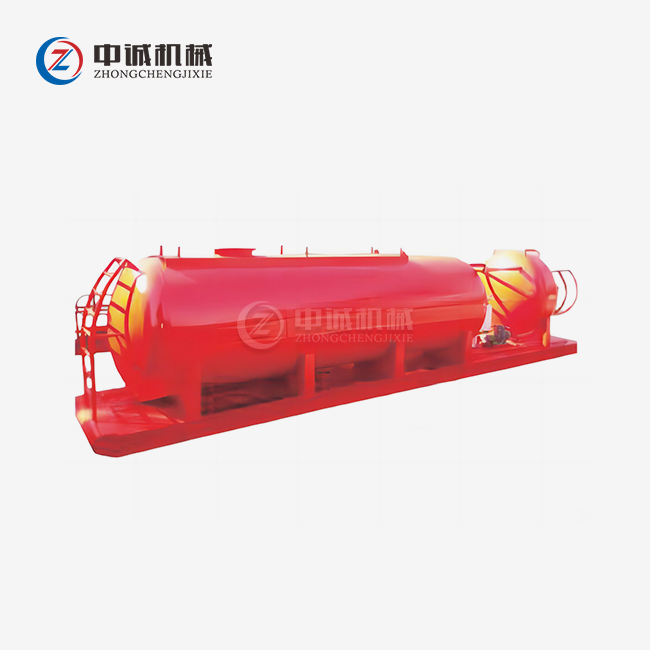
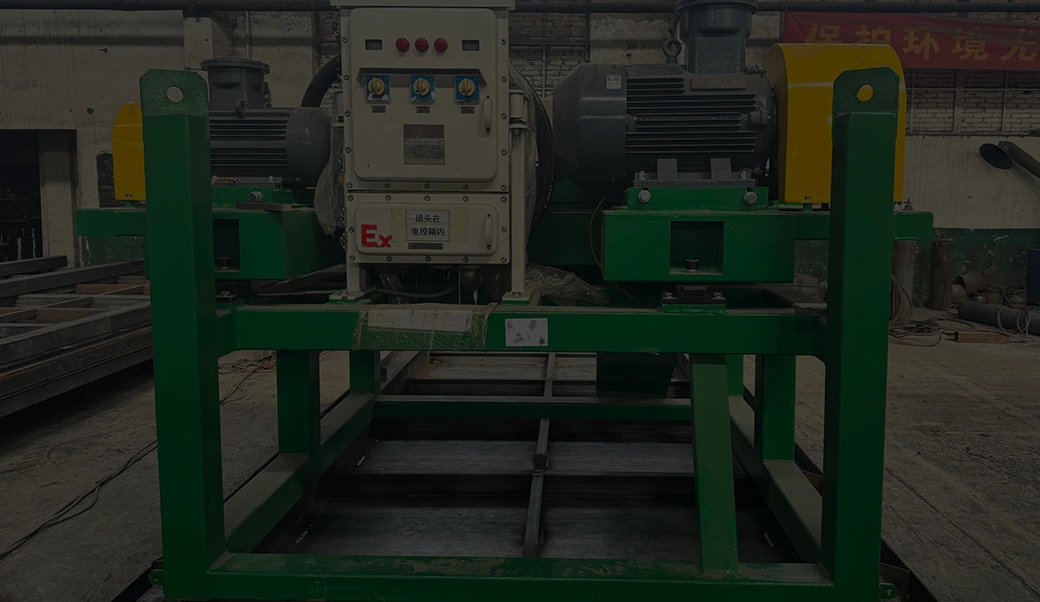
The Mud Circulation Tank is a base carrier that cleans, moves, and stores mud. To sum up, these are its key advantages:
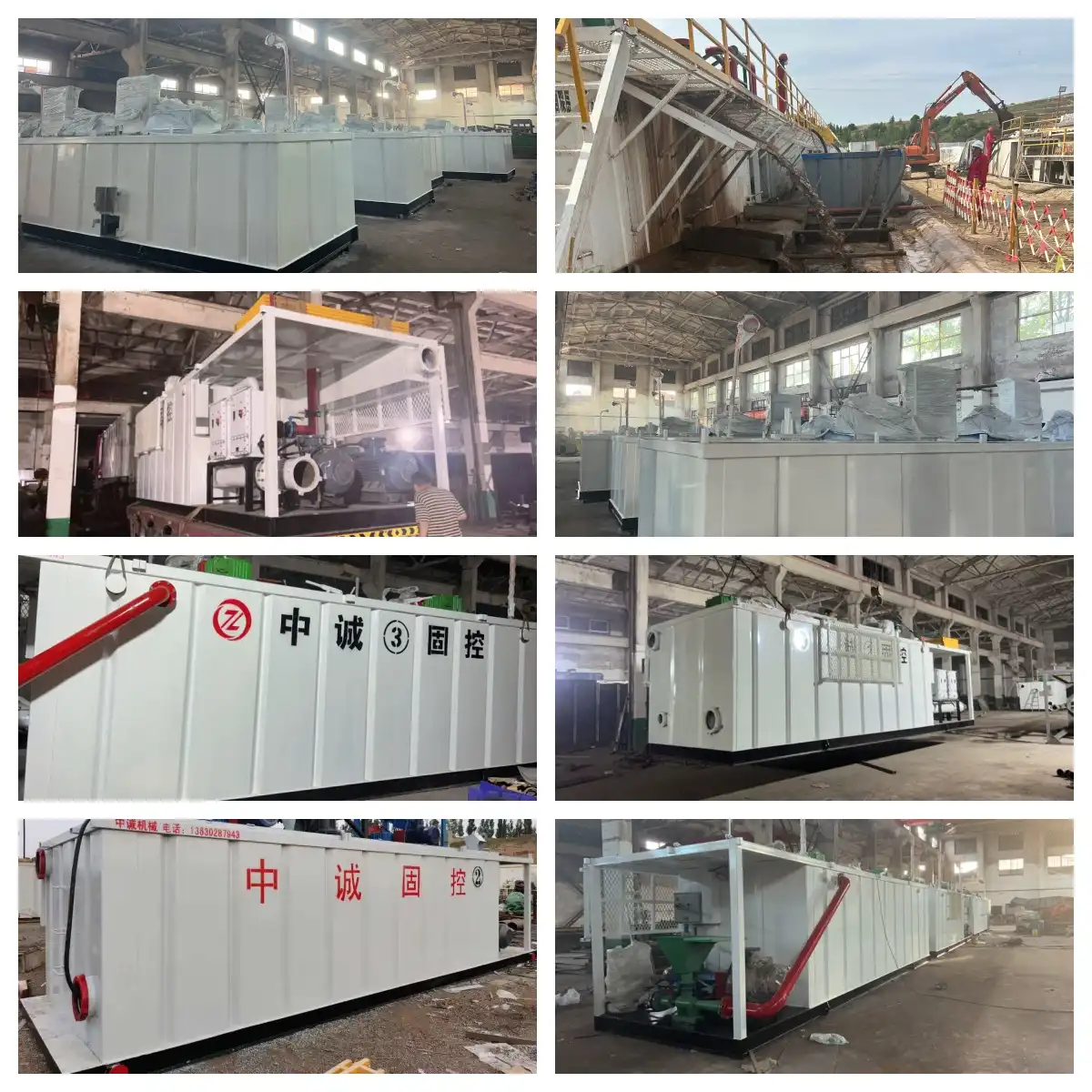
- Modular building with zoning design: The structure divides the tank into useful areas, and it comes with all the usual parts. It is easier to move, expand, and maintain this layout than a fixed design in many field settings. It also makes good use of space and cuts down on the time needed for setup and installation.
- Corrosion resistance and anti-sedimentation stirring: While high-quality anti-corrosion materials stop erosion from corrosive media and mud with a high concentration, they also stir the material to keep it from settling. This makes the service life longer. The mud doesn't settle or layer because of professional moving tools. It stays uniform, and its properties don't change while it's being moved. All of these parts work together to make it easier and safer for pumps further downstream to clean.
- Tight sealing and system compatibility: The tank's fully sealed structure keeps mud inside and helps protect the environment. It's easy to set up and keep up the tank, matching oilfield solid control systems. The drilling process runs more smoothly, and this helps the crews that have to follow environmental rules at the rig site and nearby.
These benefits fix problems that happen a lot in the field, like dirt buildup, leaks, and setup taking too long.
Build a Shortlist and Send a Complete RFQ
Before you choose a plant, look for ones that have worked with similar projects before and that you can visit. To be complete, a request for quotes should include details about how the ground will be dug, the size of the tank, the useful volume, the properties of the mud, the rate of circulation, the site conditions, the maximum weight that can be moved, the tools needed, the energy standards, any certificates, and when the goods will be delivered. Take a look at the detailed deals first, then compare prices. This will help you see how the working volume, brands of equipment, coatings, and things that aren't included are different. Procurement teams can keep track of the choice with the help of a weighted score sheet. You can give more weight to safety and quality in projects with more risk. Last, look over the drawings, check your sources, and make a video or plant survey.
Conclusion
Before you choose a Mud Circulation Tank maker, you should think about more than just the price. First, buyers should think about how the space will work and how much it can be used. After that, they need to check the technical plans and airflow design to make sure it works with solids control equipment. That depends on the materials used, the coatings, the certifications, and the factory capacity. All of these things show how long the tank will last in tough drilling service. Things like safety features, how easy it is to maintain, and extra parts can all affect uptime. A line-item quote shows the total cost of getting the tank. The speed at which the tank can be used is affected by things like customization, shipping times, help with setup, and the terms of the guarantee. The long-term value goes up, and the risk of drilling goes down if the supplier fits the job and helps with the system after it's delivered.
FAQ
How is a mud circulation tank different from a mixing tank?
A drainage tank is used to store and prepare the mud that comes back from the well. Mixing tanks are used to make new mud and add chemicals or things that add weight to it. In many Mud Circulation Tank systems, there are separate areas for each use. Talk to your supplier to make sure you understand how the zones are set up.
How do I estimate the tank capacity I need?
The first things you should look at are the well plan, rig class, circulation rate, and planned fluid losses. Then make more room to put things. Ask the maker to check both the total volume and the amount that can be used. Make sure your drilling engineer looks over the plan too before you sign it.
Which documents should I request before ordering?
Ask for a list of extra parts, inspection records, material certificates, technical drawings, flowcharts, and directions on how to use and take care of the machine. Ask for up-to-date ISO certificates and written warranty terms from the supplier before you start production to make sure you can trust them.
Contact ZHONGCHENGJIXIE for a Mud Circulation Tank Quotation
Want to find a business that sends Mud Circulation Tanks from its own factory? The ZC Mud Tank is made up of separate parts, and ZHONGCHENGJIXIE ships in-stock items in 3 days, makes custom orders in 15 days, and offers a 1-year warranty. We will make drawings and give you a quote based on your project if you email oliver@zcgukong.com with your rig class, working volume, and site conditions. Our solids control gear can also be seen at zcsolidscontrol.com.
References
1. Drilling Fluids Processing Handbook, 2005
2. Composition and Properties of Drilling and Completion Fluids, 2017
3. Applied Drilling Engineering, 1986
4. ISO 13501: Petroleum and Natural Gas Industries — Drilling Fluids — Processing Equipment Evaluation, 2011
5. ISO 9001: Quality Management Systems — Requirements, 2015
6. ISO 45001: Occupational Health and Safety Management Systems — Requirements with Guidance for Use, 2018