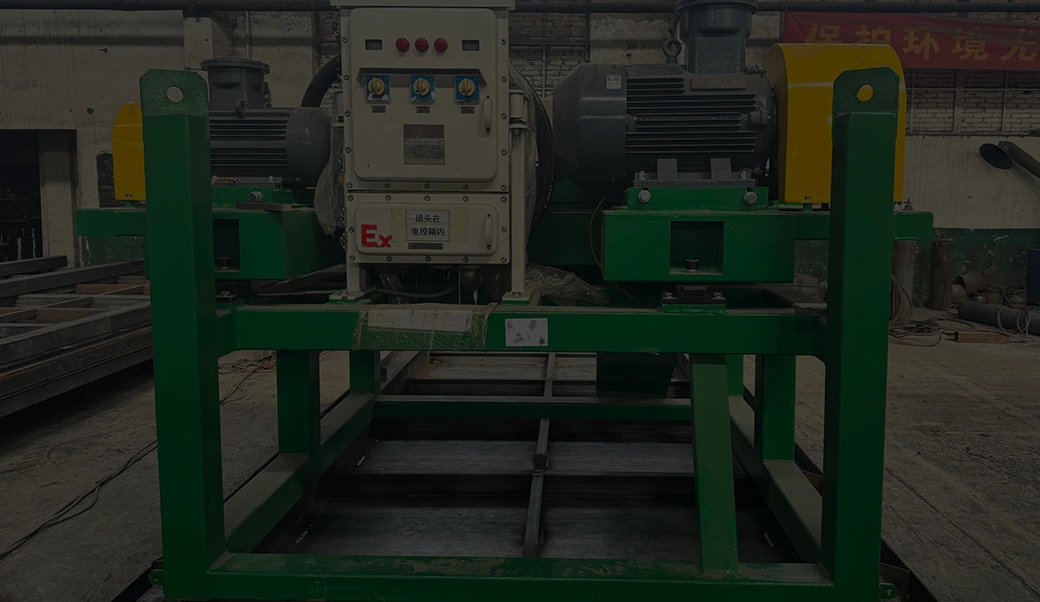
Before ordering a Mud Drying Shaker, check six things. First, how well it matches your mud and cuttings. Second, the real capacity you need at peak feed. Third, its working principle and key components. Fourth, its controls and site fit. Fifth, the supplier's test data and documents. Sixth, the total cost of ownership. A Mud Drying Shaker is a secondary, high-G separator that pulls extra liquid from the cuttings leaving your primary shale shakers. That means you recover more drilling fluid and haul less waste. I wrote this guide for U.S. drilling contractors, service companies, and distributors who want to compare offers with confidence.

Check Whether the Mud Drying Shaker Matches Your Drilling Waste and Treatment Process
Start With Your Mud Type and Cuttings Data
People who want to buy should always start with the fluid and not the machine. The viscosity, stickiness, and ease of release of solids in oil-based, water-based, and synthetic-based muds are all different. Sand and sticky clay can both make a screen impossible to see through. Get some good examples and write down the starting wetness, particle size, clay content, and temperature. Our drying screen is made to dry thick materials quickly, but the right size and settings will still depend on your data. A good supplier will ask for these numbers before giving you a quote.
Define the Moisture and Oil-on-Cuttings Target
Next, write down what you want to happen. It could be less oil on the cuttings (OOC) to make a discharge limit, a dryer pile to save money on hauling, or more fluid reclaimed. EPA rules at 40 CFR Part 435 say that cuttings made of synthetic materials and oil can be dumped offshore in U.S. waters. What the rules are for onshore changes by state and by operator deal. Talk to the supplier about how to do the test because the results will vary depending on how the sample is handled and the type of mud used. Without a method, a goal is open to disagreements after it has been reached.
Confirm It Connects to Your Existing Solids Control Line
A Mud Drying Shaker is not enough to do the job. The main shale shakers send fluid to it, and it sends the collected fluid back to the active system. Check the heights of the flow in and out, the feed chute, the path for the liquid to return, and the next step for the dried cuttings, like a conveyor or bin. Whether you have a ZJ30 or ZJ90 rig, make sure the unit fits the mud system of that rig. For these types of rigs, ZHONGCHENGJIXIE makes Solids Control Systems, so when we plan the connection points, we keep the whole mud circulation system in mind.
Evaluate Capacity, Throughput, and Mud Drying Shaker Performance
Calculate Capacity From Real Conditions
Don't just use a catalog number to figure out the size of the unit. Simple math can help you: Required Capacity = Average Feed Rate × Peak Factor × Future Expansion Factor. Fast drilling and changes in the rock are covered by the peak factor. The expansion factor accounts for more wells or bigger sections of holes. Also, find out what the rated capacity is for: dry solids, wet cuttings, or the whole feed. There is a big difference between these three numbers, and messing them up is one of the quickest ways to get a machine that is too small.
Ask for Test Data, Not Only Claims
Here's what you need to do: ask for test or field results that show feed moisture, final moisture, fluid recovery, and OOC in conditions that are similar to yours. Up to 90% or more of the connected fluid can be recovered by our drying screen. This is especially important for expensive synthetic- and oil-based mud. Results are still based on the mud and cuts, so find out what kind of fluid and screen made each number. ISO 13501 looks at how to rate drilling fluid processing equipment and gives you a common language to use when comparing prices.
Count Energy, Screen, and Labor Costs per Ton
Speed also costs money to run a Mud Drying Shaker. Check how much power is used per ton of cleaned cuts, how long the screen lasts, how much bearing and seal wear occurs, and how much work is needed to clean and change the screen. With our units' wedge-locking method, crews can quickly change a screen, which cuts down on downtime. It may cost more to drill with a cheap machine that needs to be stopped often to change the screens than with a better-built one. Find out from each one how often you will replace wear parts and what parts you will need.
Understand the Working Principle, Components, and Controls
How High-G Vibration Separates Liquid From Solids
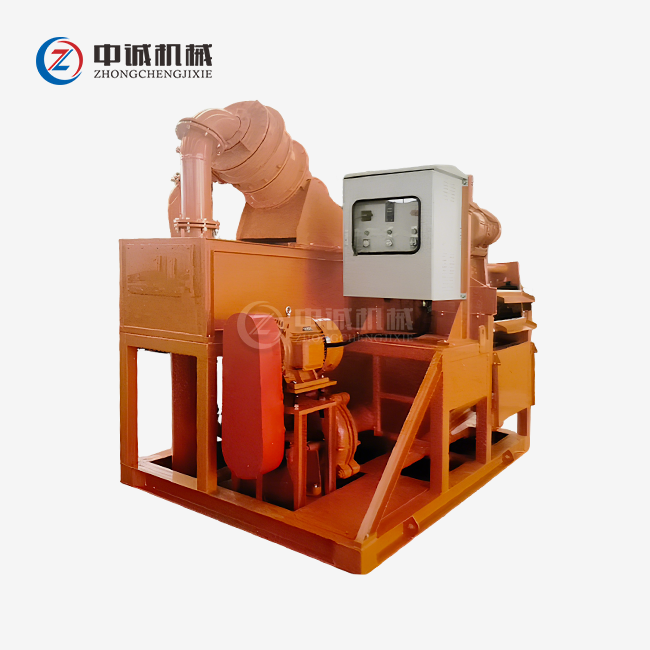
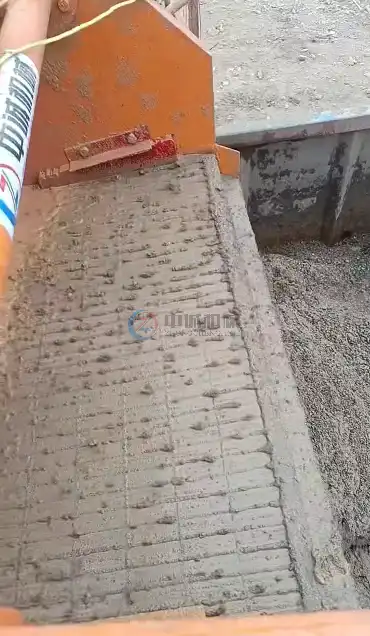
A Mud Drying Shaker takes wet cuttings from the primary shale shaker and shakes them more strongly. Normal moving screens work with less force. The higher G-force of a drying screen helps break the surface tension that holds the liquid on top of the solids. With a G-force of up to 8.2G, our Mud Drying Shaker can move in either a straight line or a curved path. In the straight setup, the path is made by a dual-motor drive, which also controls how long the cuts stay on the screen. It gives the liquid more time to drain through the mesh when the residence time is longer and can be controlled.
Inspect Screens, Motors, Frame, and Seals
Pay close attention to the build. It is important to check the frame, feed hopper, output exit, vibration motors, springs, bearings, seals, screen basket, and control cabinet. Both dryness and screen life are affected by how the screen opens, how well it resists wear, and how well it resists blinding. How is the screen clamped? If the seal isn't good, fine solids can get through the mesh. If you work near salt water or offshore, ask about coatings and steel that won't rust. In the factory, vibration and temperature tests are done to make sure the unit is ready to ship.
Review Adjustable Settings and Site Needs
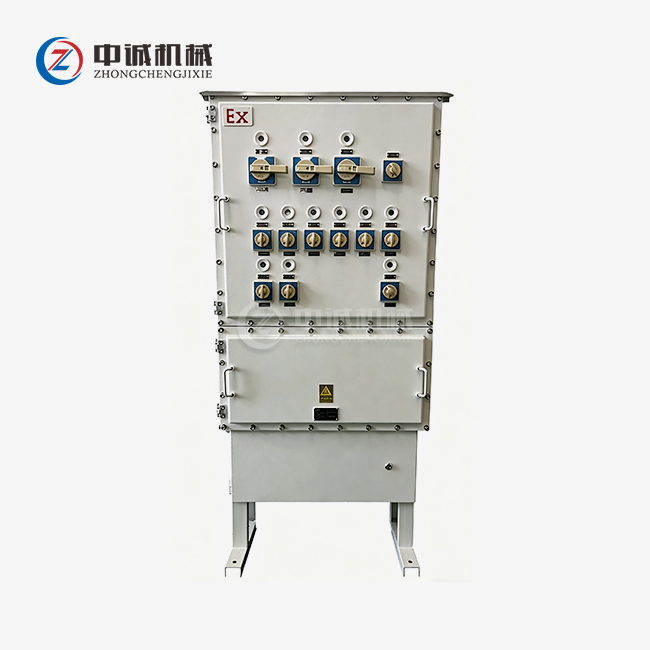
Find out what settings the team can change while the process is going on. Our machine has a variable frequency drive (VFD), which lets workers change the rhythm and intensity of the vibrations as the mud and cuttings content change. Then go over the tracking and protection features, like temperature reading, off-load protection, and emergency stops. Ask for drawings that show the size, weight, lifting points, loads on the foundation, and any utility needs. For sites in the United States, make sure you know the electrical standard and any hazardous-area classification your operator needs before you choose the motor and cabinet.
Compare a Mud Drying Shaker With Alternative Treatment Equipment
Shale Shaker or Drying Shaker?
A shale shaker is used for main solids control. It takes out the bigger pieces of mud that are still moving so that the fluid can go back to the pits. A Mud Drying Shaker works after the shaker output and takes away any extra liquid from cuts that still look wet. One doesn't take the place of the other. A Mud Drying Shaker won't help if your main screens are worn out or the wrong size. I think you should check the whole line first, then figure out where the liquid loss is happening.
Centrifuge: Different Job, Different Cost
Fine solids are taken out of mud by a decanter centrifuge. It needs power, a steady feed, and regular maintenance on the parts that move. Since screens and shaking are used in a Mud Drying Shaker, it has an easier design and is easy to add to an existing solids control line. Both are used on many rigs, but they do different things. Start with the Mud Drying Shaker if the liquid on your thrown-away pieces is giving you the most trouble. Check the centrifuge if small solids keep building up in the operating system.
Cuttings Dryer: Compare Targets and Footprint
A cuttings dryer dries cuttings by spinning them around, and it can dry them to a different level of wetness or oil recovery. Our drying screen is smaller than a cuttings dryer and uses less energy. It is also better for places that don't have a lot of space or power. Take a look at each option's final moisture level, power needs, maintenance hours, and operator skill. Before picking a route, ask for test data if your pass needs a very low OOC number.
Screen the Supplier and Compare Total Cost of Ownership
Confirm You Are Buying From a Manufacturer
Check to see if the company you are dealing with for a Mud Drying Shaker is a factory, an integrator, or a trader's company. A direct manufacturer can answer questions about design and change the way things are set up. ZHONGCHENGJIXIE creates, sells, and makes solids control equipment. Our 6,300-square-meter plant is in Xingping, Xianyang. We have been in this business for more than 30 years and have more than 12 patents, as well as ISO 9001, ISO 14001, and ISO 45001 certifications and HSE, TÜV, and BV approvals. Just ask any provider for proof, records of the materials they use, and examples from projects that have dealt with drilling waste before.
Request a Quotation That Shows Every Cost
A low price tag might hide extras. Find out how much the main unit, control cabinet, spare screens, motors, testing, packing, shipping, fitting help, training, taxes, and duties will cost by getting a price. Then, figure out how much the wear parts will cost over the service life that was planned. You'll save money because you'll have less trash to haul, less fluid to mix, and fewer stops. The chemical properties of recovered mud stay the same, so it costs less to make new fluid. These numbers show the total cost of ownership much better than the price of the machine.
Check Delivery, Support, and Warranty Terms
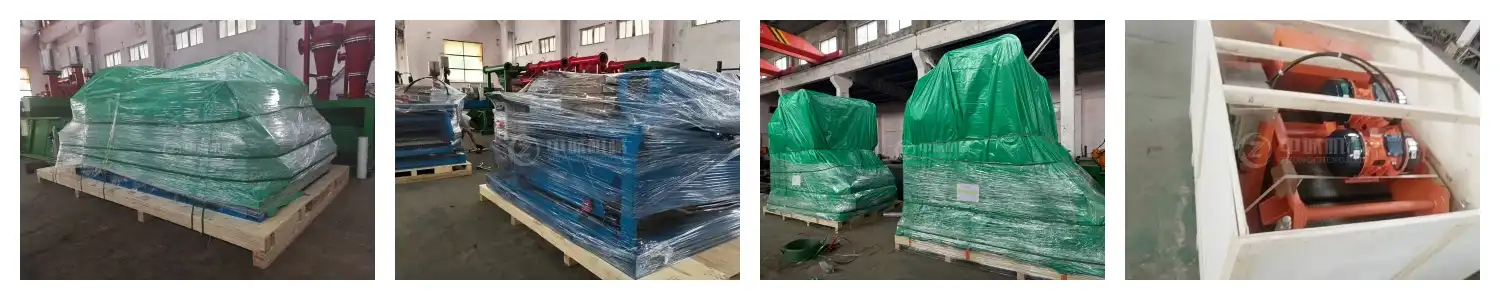
Delivery and support have just as much to do with performance as the machine itself. We can ship stocked items in three days and custom orders in fifteen days at most. Tianjin and Shanghai ports are convenient for us. We offer help in the form of drawings, flowcharts, component diagrams, operation and maintenance instructions, training for the industry, and a warranty that lasts for one year. Ask each provider to write down their output goals, moisture targets, test conditions, and ways to fix problems. This way, everyone will know what to do if results don't meet expectations.
Use a Pre-Order Checklist and Avoid Common Mistakes
Pre-Order Checklist
This is a short list of things I tell procurement teams to do before they ask for quotes.
• Process and technical checks: Check the type of mud, the size of the cuts, the average and peak feed rates, the wetness goal, the fluid recovery goal, and the tie-in points. Before accepting any technology deal, make sure you understand how it works, how much power it uses, how long the screen lasts, how much energy it uses, how it's installed, what safety features it has, and how much it will cost you in the long run.
• Commercial checks: Look over the full quote, delivery schedule, Incoterms, spare parts, warranty, training, references, commissioning, and technical response time. Use a weighted model to give each supplier a score. Measured performance and process fit should be given more weight than the price of the equipment alone.
Every supplier is on the same page with a written checklist, and it lets you know about any problems early on.
Common Ordering Mistakes
When buyers choose equipment based on its "nominal capacity," the unit often becomes too big when the amount of water, clay, or solids increases. Some people think of "drying" as getting rid of all the water, but the limits of mechanical dewatering and thermal drying are different. A lot of people don't plan for downtime, screen access, or peak drilling conditions. Some people buy from sellers who don't offer in-field help or training. Most of these issues can be avoided with sample testing, written performance terms, and a lifetime review.
Match the Unit to Your Application and Compliance Needs
Our Mud Drying Shaker can be used for dredging, material separation, gas drilling, and trenchless engineering. Closed-loop systems in horizontal directional drilling get rid of waste fluid and leave behind cuttings that are easier to move. Cuttings that are drier also help with zero-discharge and closed-loop circulation, which helps rigs follow the rules that say they can't directly discharge cuttings that contain oil. We will match the screen mesh, motor choices, and size to your purpose after you tell us what it is.
Conclusion
The most important factor in selecting a Mud Drying Shaker is the project's confirmed facts. It is important for buyers to make sure that the unit works with their type of mud and cuttings, to set a moisture and fluid recovery goal with a standard test method, and to figure out the capacity by comparing the average and peak feed. The way it works, the quality of the screen and motor, the buttons, and the needs of the site also need to be looked at again. When you look at the unit next to shale crushers, centrifuges, and cuttings dryers, you can see where it goes in the line. More important than the price are the supplier documents, test data, delivery terms, warranty, and the total cost of ownership. When teams compare offers, a written checklist helps them be fair and avoid undersizing, downtime, and costs that come as a surprise.
FAQ
What is a Mud Drying Shaker used for?
It takes out extra liquid from the cuttings after the primary shale shakers, which recovers drilling fluid and lowers the volume of waste. Drilling for oil in the ground, trenchless engineering, dredging, and mineral separation are all common uses.
What data should I send a supplier?
Send the type of mud, the size of the cuttings, the average and peak feed rates, the starting and goal moisture levels, the site conditions, the power source, and the certification needs.
How do I estimate required capacity?
To find the future expansion factor, multiply the usual feed rate by a peak factor and a future expansion factor. Check to see if the grade is for dry solids, wet cuts, or the whole feed.
Does it work with oil-based and water-based mud?
Our cleaning screen can handle thick materials, and oil- and synthetic-based mud are the most important for recovery. Please send us your fluid data so that we can check the screen and settings.
How can I lower lifecycle cost?
Choose quick screen changes, get back fluid, cut down on hauling volume, plan extra parts, and look at the total cost instead of just price.
Request a Project-Specific Mud Drying Shaker Recommendation From ZHONGCHENGJIXIE
Send ZHONGCHENGJIXIE the type of mud, cuttings data, feed rate, moisture goal, and power source. Our engineers will then suggest a setup that works best for your project. We are a direct manufacturer of Mud Drying Shakers with more than 30 years of experience in the field. We ship in-stock items in 3 days and custom orders usually within 15 days. You can get a datasheet or quote by emailing oliver@zcgukong.com or going to zcsolidscontrol.com.
References
1. ISO 13501, Petroleum and Natural Gas Industries: Drilling Fluids, Processing Equipment Evaluation, 2011
2. ASME Shale Shaker Committee, Drilling Fluids Processing Handbook, 2005
3. Darley, H.C.H. and Gray, G.R., Composition and Properties of Drilling and Completion Fluids, 2017
4. Bourgoyne, A.T. et al., Applied Drilling Engineering, SPE Textbook Series, 1986
5. International Association of Drilling Contractors, IADC Drilling Manual, 2015
6. U.S. Environmental Protection Agency, Oil and Gas Extraction Effluent Guidelines, 40 CFR Part 435, 2016